Reason why Artemis II new photo of Earth has huge difference to previous images

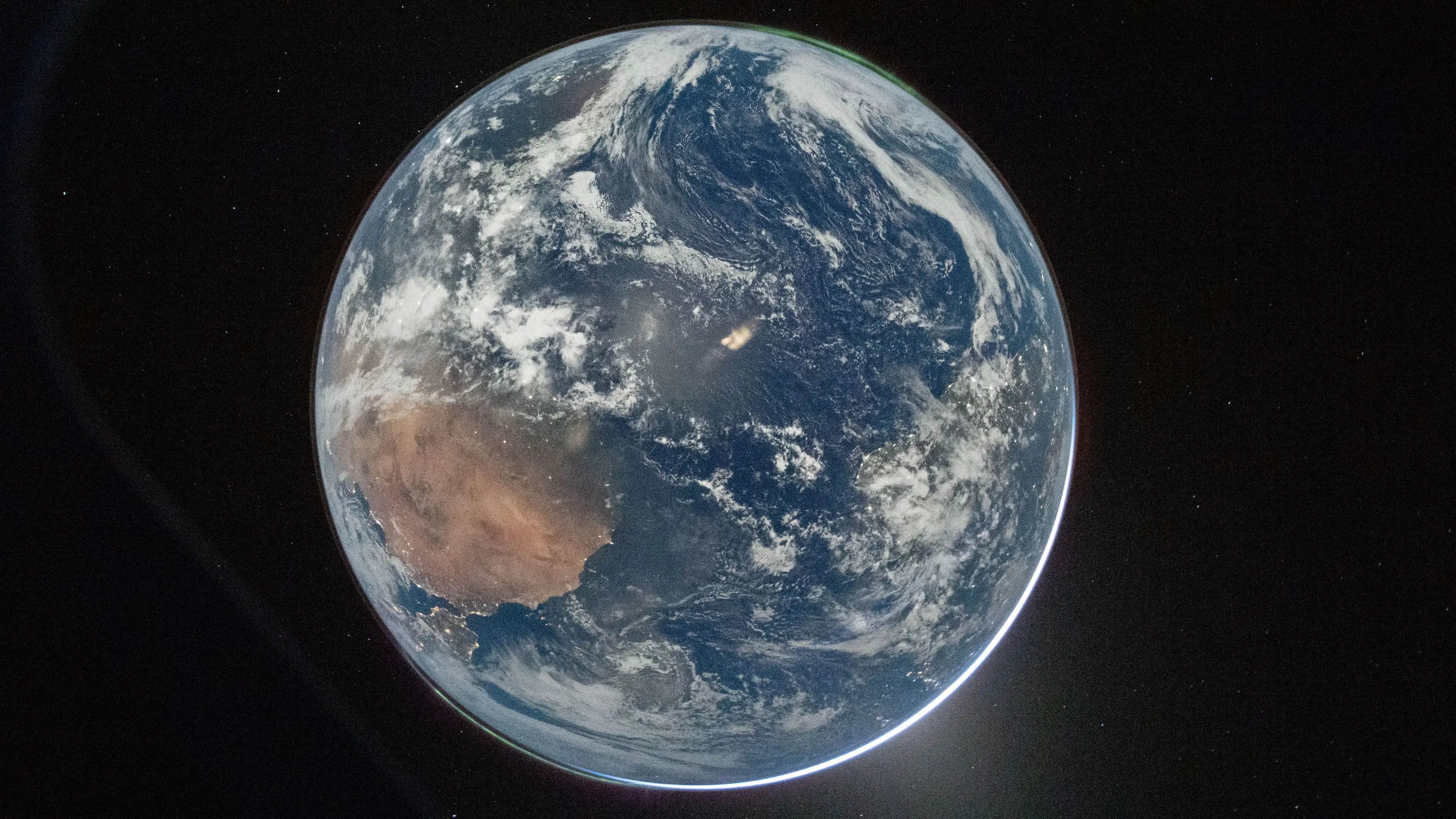
A photo of Earth taken by the Artemis II crew has been a huge talking point, given it looks different to previous images of our planet, and there's a very good reason for that.
NASA's Reid Wiseman, Victor Glover and Christina Koch and Jeremy Hansen of the Canadian Space Agency blasted off into space on Wednesday (April 1) for a ten-day mission on board the Orion spacecraft.
The crew will test technology needed for long-term lunar exploration and manned voyages to Mars, while they are also hopeful of capturing the best image of the Moon yet.
A number of days into the journey, NASA released a photo that the astronauts took from up in space.
Advert
The space agency shared the image on Friday (April 3), showing how 'gorgeous our home looks from space' - but the one thing many couldn't get their heads around online was how different it looked to previous shots of our planet from outer space.
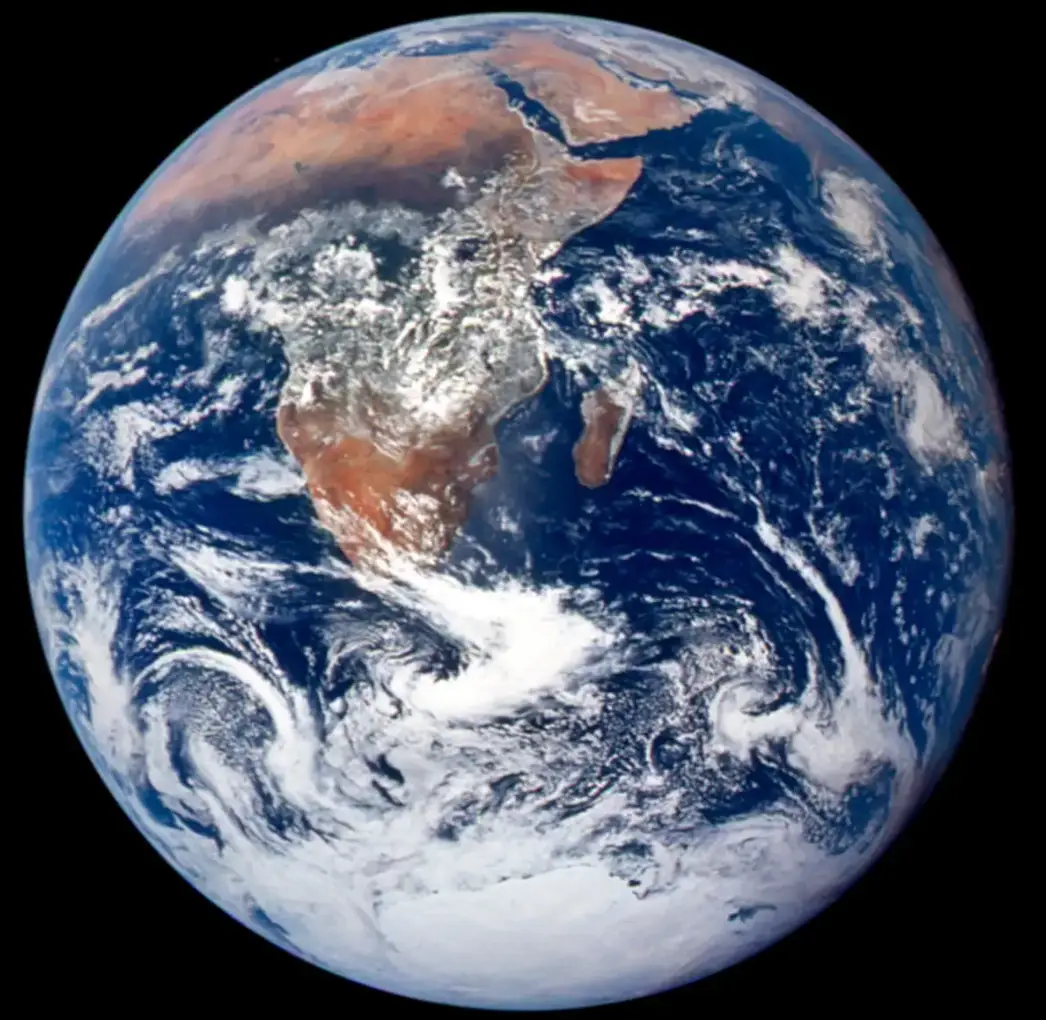
"I don’t know if it’s the picture quality or atmosphere, but it looks dull now," one person penned on social media, while a second added: "The old Earth image looks sharper while this new image looks dull. Camera quality or climate change?"
Javier de la Cuadra, a Colombia-based photographer, took to X to explain why the photo looks so different.
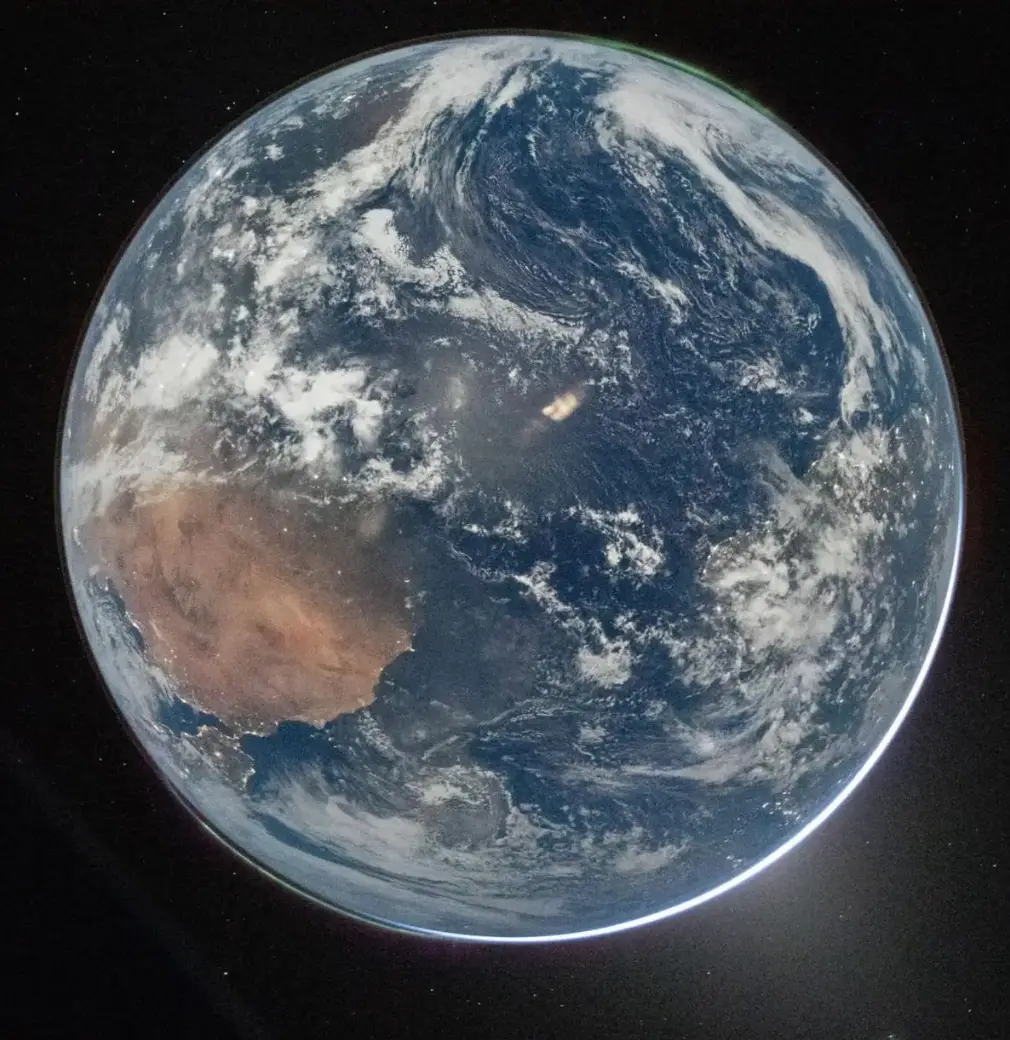
The expert explained: "Why does it look more washed out than the one from '72? Because it turns out that on the side of the Earth we see in that photo, it's nighttime; if you zoom in, you can see the glow of nighttime lighting.
"But how, if it's nighttime, can it look like daytime? Because the photo was taken with a super high ISO of 51200! ISO is the sensor's sensitivity to light. With most digital cameras, at ISOs over 6400, the noise is so much that the photo looks practically unreadable."
He continued: "The most magical thing about this photo — even more than the northern lights — is how you can see the sunlight, which is on the other side of the Earth, illuminating our atmosphere.
"That's pure magic, because that atmosphere has a composition that's perfect down to the millimeter to allow life, as we know it, to be possible. This photo is a precious gift to humanity."
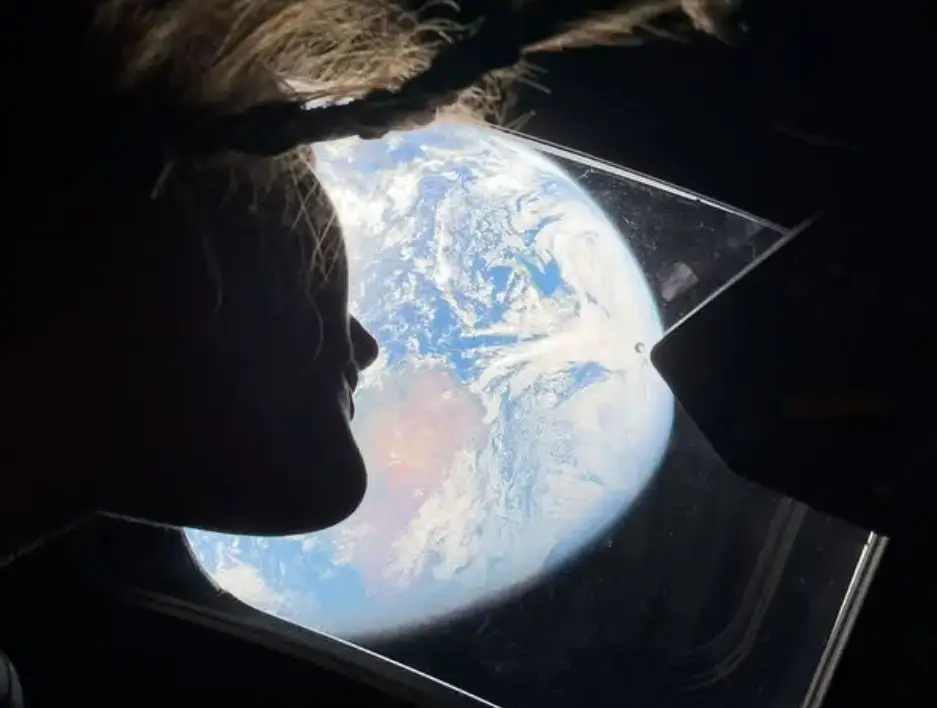
David Melendrez, the lead for Orion capsule imagery integration at NASA, spoke to National Geographic about the importance of the images they obtain of our planet.
"When you see all the strife and the things that are going on in the world today, I think it’s really important to see us as a whole," he said.
"You look at that picture - there's no borders in that picture, it's just all of us. I think that's one of the biggest things we can take out of this, is reminding everybody, everybody, that that's our home. And we all have to share it."
The Orion spacecraft is equipped with 32 cameras and devices - 15 mounted onto it and 17 handheld by the crew.
The astronauts even have smartphones with them, with impressive images captured by an iPhone 17 Pro Max going viral.
Personal items Artemis II astronauts have brought with them
Commander Reid Wiseman
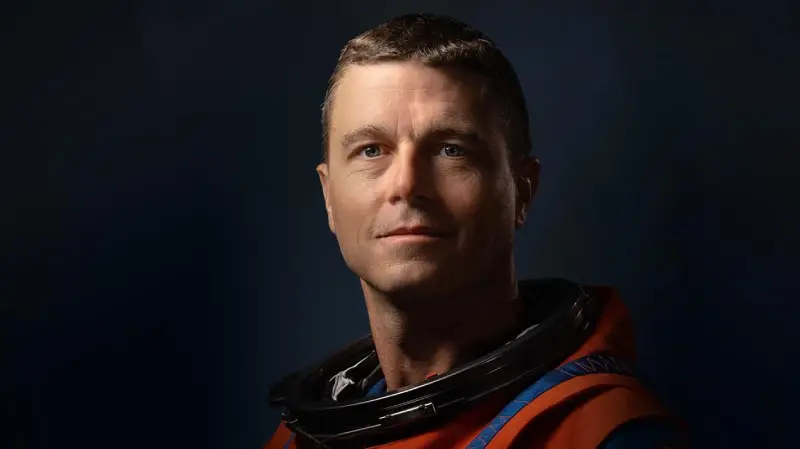
Wiseman, a US Navy test pilot-turned-astronaut, is a single parent who is raising his two teenage daughters alone after he sadly lost his wife to cancer in 2020.
He's spoken to his children about the risks of the mission, with him saying to them while out on a walk: "Here's where the will is, here's where the trust documents are, and if anything happens to me, here's what's going to happen to you… That's part of this life."
Wiseman said he planned on taking a small notepad so that he can jot down his thoughts during the mission.
Mission specialist Christina Koch
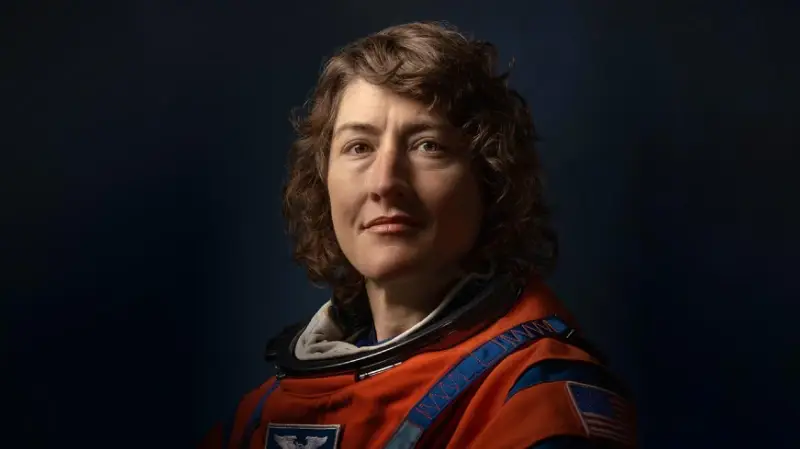
Koch, an engineer and physicist, is a woman who has made many incredible milestones in her life.
Not only has she set the record for the longest single spaceflight by a woman, spending 328 days aboard the International Space Station in 2019, but she's also taken part in the first-ever all-female spacewalk. And now, she's the first woman to ever travel to the moon and venture into deep space.
Koch is taking handwritten notes from people close to her for her personal item, which she has described as a 'tactile connection' to loved ones back on Earth.
Mission specialist Jeremy Hansen
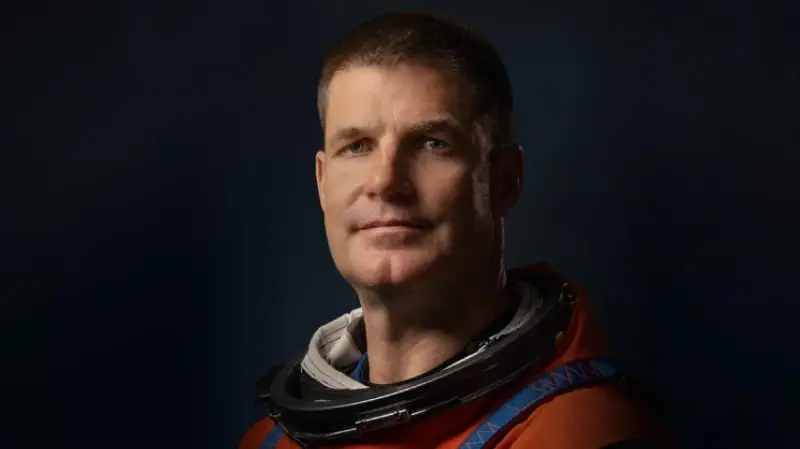
This is the former Royal Canadian Air Force fighter pilot and physicist's first time in space, making him the first Canadian to ever venture into deep space.
Hansen, who is married with three children, will carry four moon-shaped pendants for his wife and children, engraved with the phrase 'Moon and back' and set with their birthstones.
He will also be taking maple syrup and maple cookies on his lunar voyage, in true Canadian style.
Pilot Victor J Glover
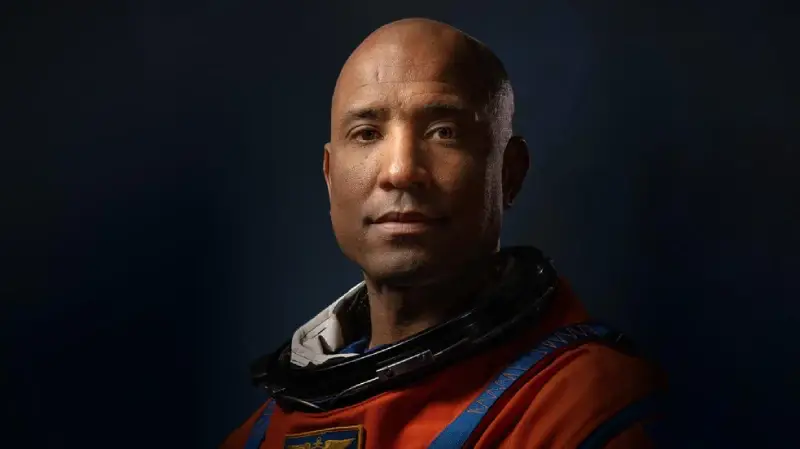
Glover, a former US Navy fighter pilot and test pilot who became a NASA astronaut in 2013, is setting a milestone of his own by being the first ever Black person to travel to the moon.
He is married with four children, and served as pilot of NASA's SpaceX Crew 1 mission, as well as spending nearly six months on the International Space Station as part of Expedition 64.
Already known as the most charismatic and 'sharply dressed' of the Artemis crew, Glover has said he will take on board with him a Bible, his wedding rings and family heirlooms, along with a collection of inspirational quotations compiled by Apollo 9 astronaut Rusty Schweickart.
Topics: NASA, Earth, Space, Photography
 Callum Jones