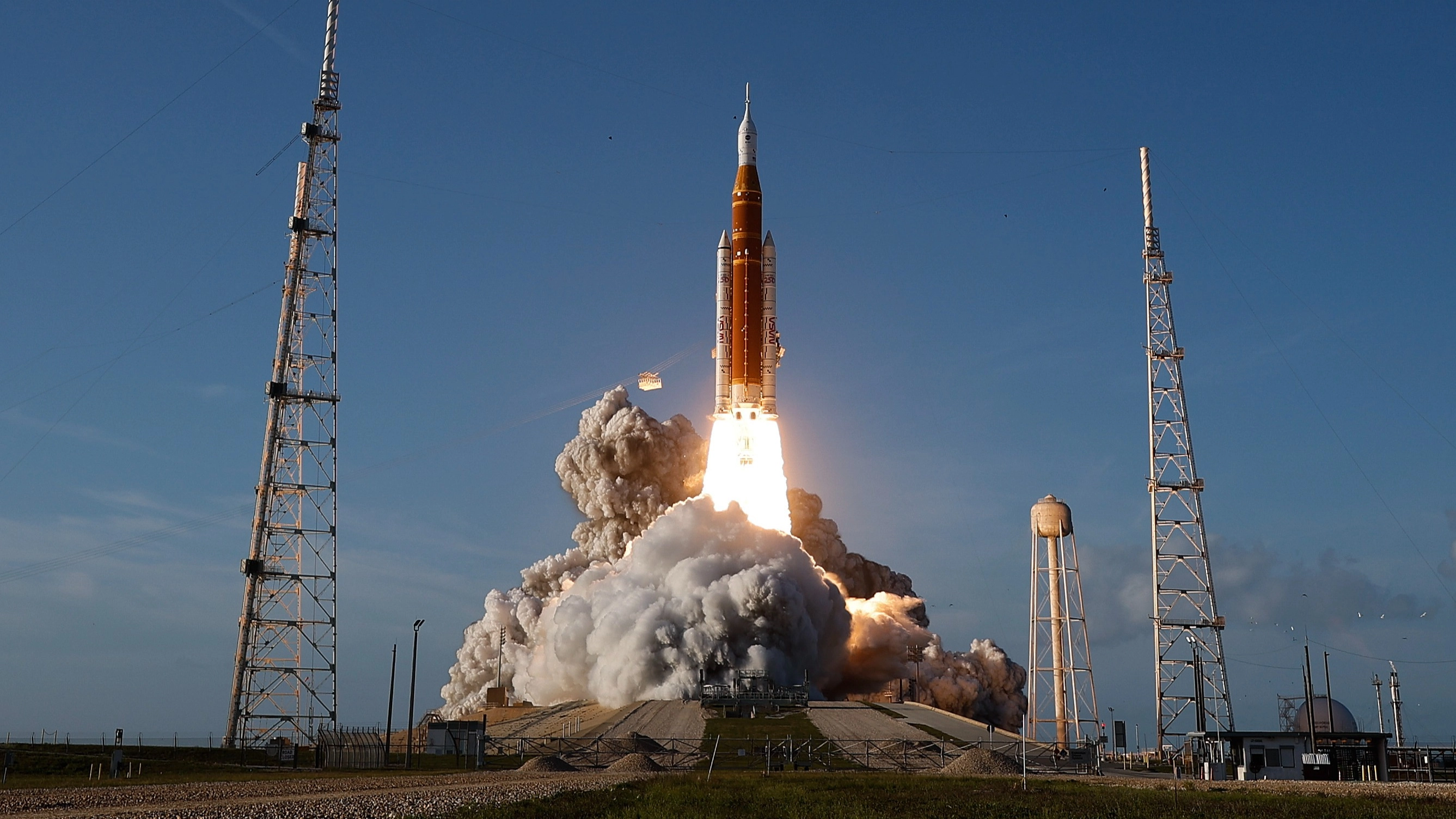
NASA's 2028 moon landing already facing delay following Artemis II mission

NASA's highly-anticipated expedition back to the moon for the first time in more than 50 years could be at risk of a major delay.
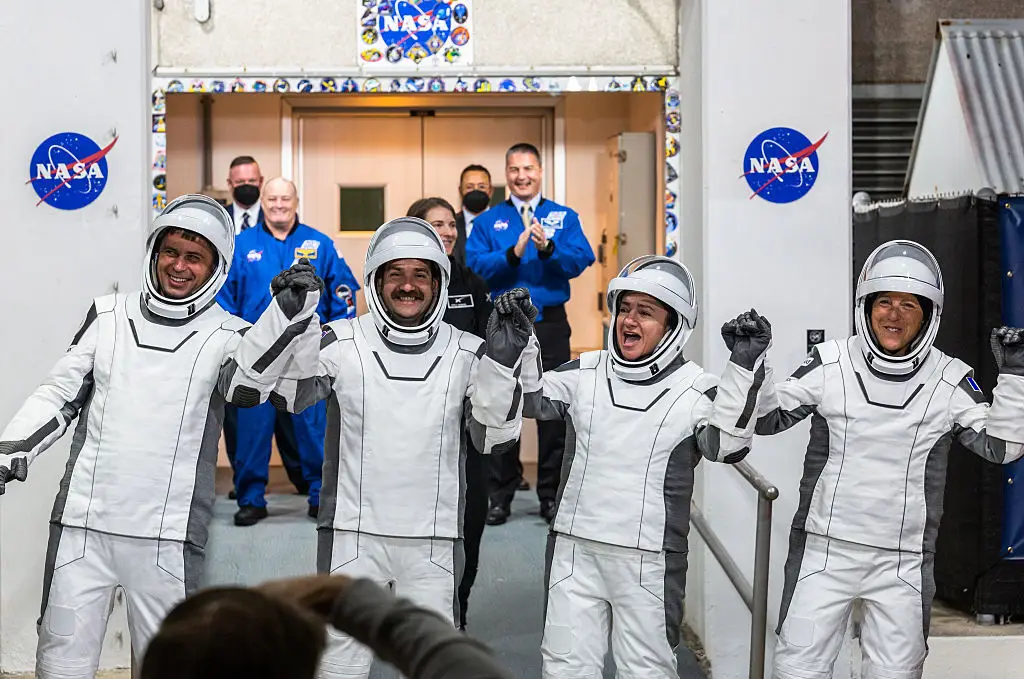
Astronauts at the world-class space administration are preparing to return to the moon after the success of the Artemis II mission earlier this month, which saw four crew members travel further than any humans before.
Onboard was pilot Victor Glover, who became the first person of color to travel to and fly around the Moon, engineer Christina Koch who became the first woman, astronaut Jeremy Hansen the first non-US citizen, and commander Reid Wiseman, the oldest person.
Artemis II was a test flight supporting the Artemis IV mission, which sets out to return humans to the lunar surface in 2028.
Advert
However, NASA’s Office of Inspector General issued a stark warning on Monday (April 20), stating that the organization's lunar landing could be pushed back as far as 2031.
The space administration launched the Artemis program, which consists of a series of increasingly complex missions, in 2017.
And as of 2026, two have been successfully executed.
The Artemis IV expedition is planned to take place on the Space Launch System rocket from the usual 39B launchpad, at NASA's Kennedy Space Center in Florida.
But space enthusiasts may need to wait a little longer than two years to see the historical moment come to fruition.
The inspector general, George A. Scott, admitted that the agency is struggling to ensure that the next-generation spacesuits, essential for the historic mission, will be ready in time.
NASA's current spacesuits, used aboard the International Space Station (ISS), were designed more than 50 years ago, and questions have been raised about their safety and long-term reliability.
Delays in designing the astronauts’ spacesuits also mean they may not be ready for testing before the ISS is set to be decommissioned in 2030, where NASA had hoped to try them out.
The organization had initially proposed 2025/2026 for demonstrations of the state-of-the-art suits, but the inspector general has since stated that these dates were unrealistic.
In a statement, they wrote: "NASA's original schedules to demonstrate the lunar and microgravity spacesuits in 2025 and 2026, respectively, were overly optimistic and ultimately proved unachievable, as evidenced by delays of at least a year and a half for both spacesuits."
NASA added: "Based on our analysis...the Artemis and ISS demonstrations may not occur until 2031."
According to them, the suits feature new safety technologies, as well as increased mobility.
UNILAD has reached out to NASA for comment.
Topics: Space, NASA, Technology
 Mia Williams