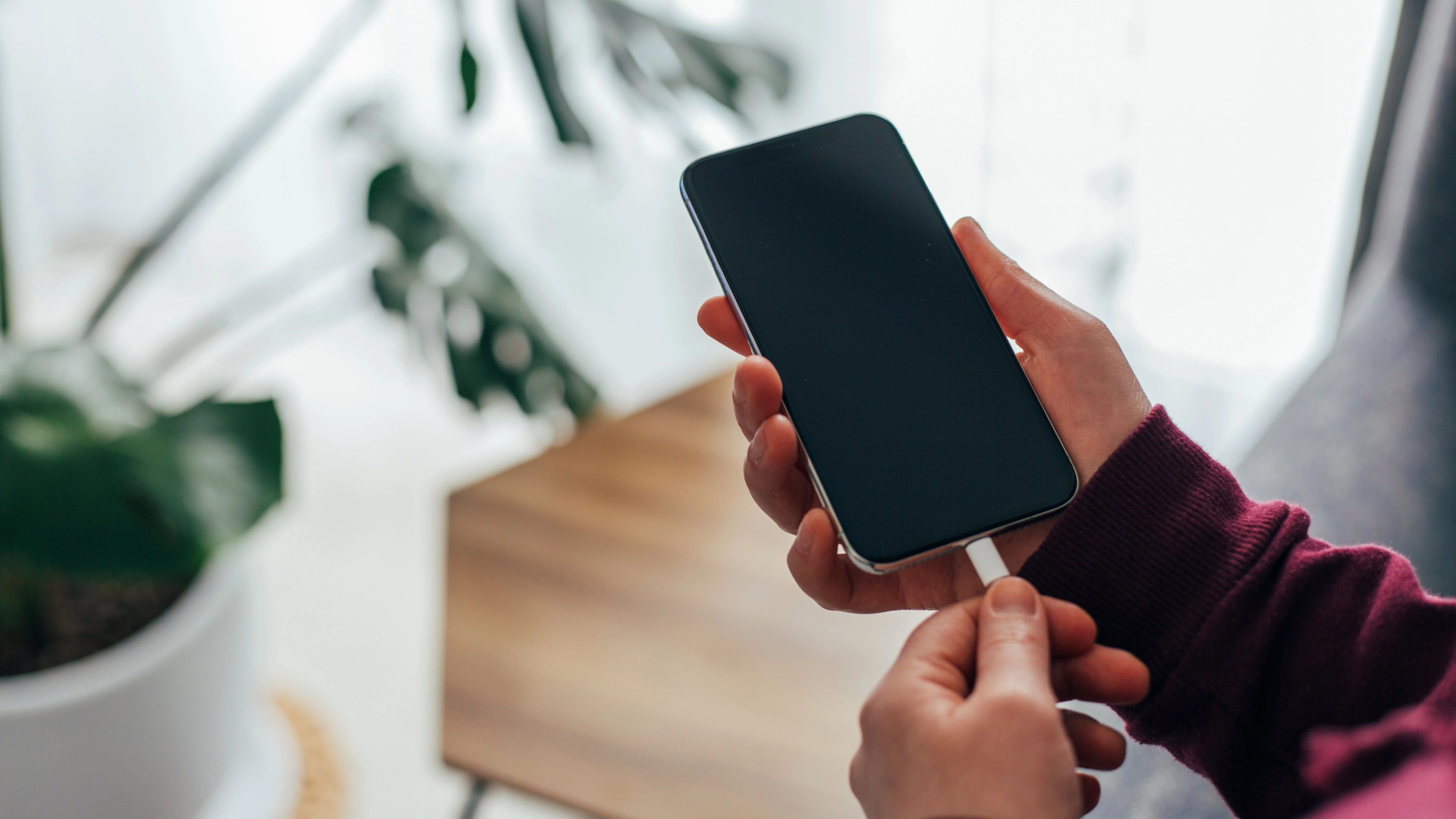
Reason why some iPhones are only charging to 80% and how to stop it

It's not a fault, Apple is doing something deliberate with your battery - but there are actually two different reasons it might be happening to you
Loads of people have been left baffled after noticing their iPhone refuses to charge past 80%, with a viral tweet on the subject racking up thousands of replies from users convinced something was wrong with their phone.
The tweet asked whether the behaviour was a "genius battery feature or Apple nonsense", and it turns out, it's very much the former.
But the reason it's happening to you specifically might not be what you think.
Advert
Here's everything you need to know.

Why does my iPhone stop charging at 80%?
There are two separate reasons this might be happening, and both are entirely by design.
The first is a feature called Optimised Battery Charging.
According to Apple Support, it exists because lithium-ion batteries degrade faster when kept at 100% charge for long periods of time.
Rather than topping your phone up completely overnight, your iPhone learns your daily routine and pauses charging at around 80%, only finishing the job closer to when you're likely to unplug it in the morning.
It sounds counterintuitive, but it's genuinely trying to extend the lifespan of your battery.
The second reason affects iPhone 15 and later models specifically. Apple introduced a manual charge limit option that lets you cap charging at 80%, 85%, 90% or 95%.
The catch is that a significant number of people have switched it on by accident - then spent days or weeks assuming their battery was faulty when it was actually working exactly as instructed.
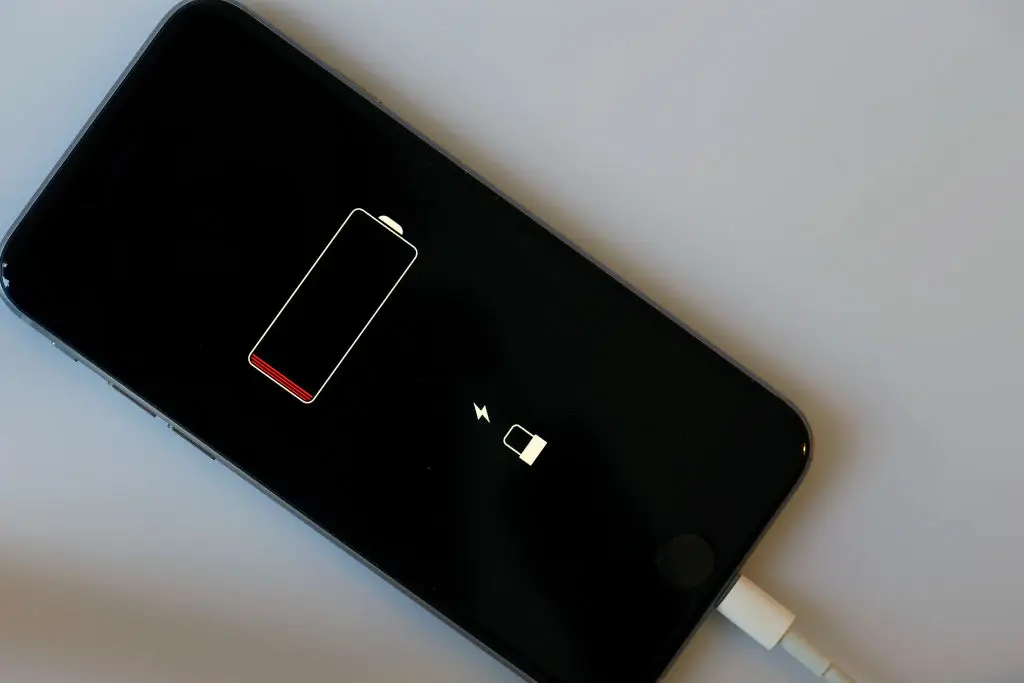
How do I get my iphone to charge past 80%?
Go to Settings > Battery and check your charging options. If a charge limit is set to 80%, you can bump it up to 100% in just a few taps.
If Optimised Battery Charging is the cause, you'll find the toggle to disable it in the same menu.
Worth bearing in mind, though: both settings exist for a reason.
Frequently charging to 100% will wear your battery down more quickly over time, so if long-term battery health matters to you, the 80% cap isn't necessarily a bad thing to leave switched on.
Topics: Apple, iPhone, Technology
 Thomas Bamford