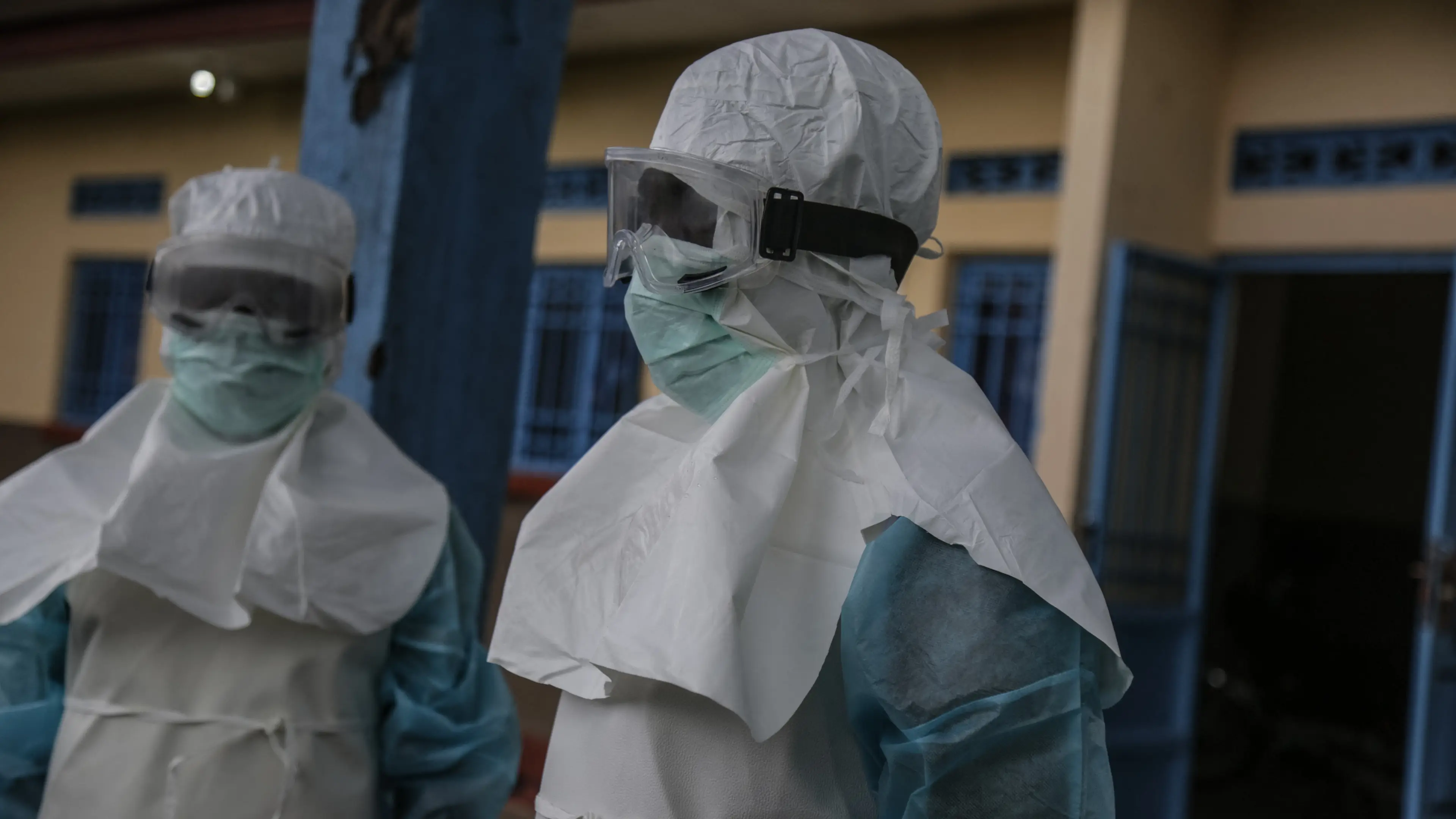
CDC announces immediate restriction on travellers from certain countries over Ebola fears

As global concerns continue to rise over the current Ebola outbreak sweeping parts of Africa, the CDC has announced the decision to place immediate restrictions on anyone who has visited these countries in the past 21 days.
The restrictions apply specifically to people who have visited, or originate from the Democratic Republic of Congo, Uganda, and South Sudan.
Citizens of these countries will be temporarily barred from entering the United States, while US citizens, nationals, and lawful permanent residents who have visited in the preceding three weeks, will be permitted to return home to the US, but will be subjected to enhanced screening and measures to check for the disease.
According to the CDC, the suspension is only temporary and is currently set to remain in effect for 30 days while the CDC completes a public health risk assessment and coordinates mitigation measures with partner agencies.
Advert
It is hoped that by putting the restrictions in place they can limit the risk of introducing Ebola to the US public.
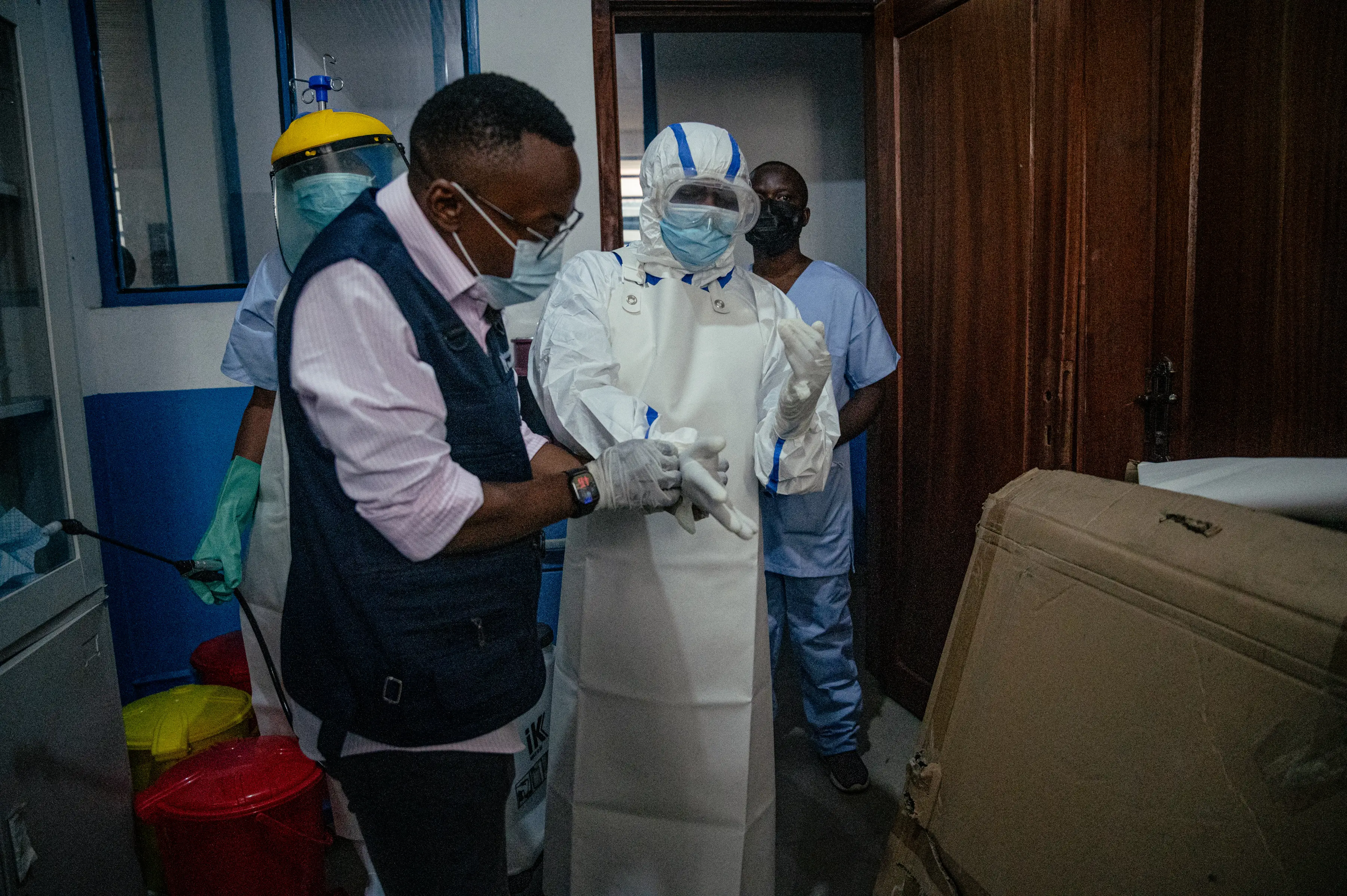
What is Ebola?
Ebola virus disease is a serious, rare infection usually found in certain parts of Africa. It's caught by coming into contact with the body fluids of an infected person or wild animal.
Ebola symptoms can start between 2 and 21 days after being infected, and appear suddenly and include flu-like symptoms, such as a high temperature, extreme tiredness and a headache.
Other symptoms include:
- being sick
- diarrhoea and tummy pain
- a skin rash
- yellowing of the skin and eyes
- blood in your poo
- lots of bruises all over your body
- bleeding from your ears, eyes, nose or mouth
- muscle pain
- sore throat
- blood in vomit or poo
- bleeding from nose, gums or vagina
If I am not subject to the entry restrictions, what happens after I arrive in the United States?
Travelers permitted to enter the United States who have recently been in DRC, South Sudan, or Uganda will undergo enhanced public health entry screening.
This screening consists of a brief questionnaire about travel history and symptoms, along with other baseline vital checks like non-contact thermometers to assess temperature.
Travellers will also be observed for signs of illness by CDC staff
Travelers without symptoms will receive information about monitoring their health for 21 days after leaving the affected countries.
However, if you do display signs or symptoms of infection you will receive additional evaluation by a CDC public health officer. If the assessment shows that a traveler may be sick with Ebola, the traveler will be transferred to a hospital for further medical evaluation and isolation.

Why is the US putting these restrictions in place now?
While there are currently no suspected, probable, or confirmed Ebola cases in the United States, and the risk to the American public remains low - the increase in cases in the banned nations have continued to increase, requiring preventative measures to ensure that the virus does not spread to the US.
Donald Trump himself, recently expressed concern over the risk it posed to the US, when he said: “I’m concerned about everything, but certainly [I] am [concerned]”.
He told reporters.“I think that it’s been confined right now to Africa, and but it’s something that has had a breakout.”
The current outbreak of the disease started in the provincial capital of Bunia, a city in the Democratic Republic of the Congo, on 24 April, with a nurse, patient zero.
As of May 16, there have been eight laboratory confirmed cases, 246 suspected cases and 80 reported deaths in Ituri Province of the Democratic Republic of the Congo, WHO reports.
It has now been reported that DRC health officials have announced 131 deaths and 513 suspected cases.
Topics: Health, Travel, World News, US News
 Phoebe Tonks