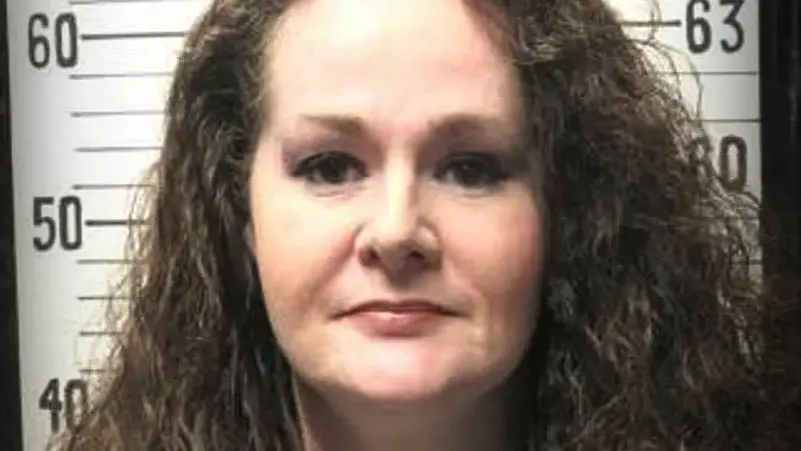
Reason why Christa Pike is now on life support as people ask why they can't 'pull the plug'

Days on from Christa Pike's scheduled execution and the convicted criminal, who spent 30 years on death row, is still alive.
Pike was supposed to be killed by lethal injection on September 30 but those administering the drug messed it up and 50-year-old Pike survived.
She ended up receiving not one, but two doses of pentobarbital and it still remains unclear exactly what went wrong. Governor Bill Lee has ordered an investigation into the matter.
Had the killing gone ahead as planned, Pike would have been the first woman in Tennessee to be executed in over 200 years.
Advert
Following her botched execution, Pike was taken to a hospital in Nashville to receive urgent medical attention. Speaking to the BBC on October 4, her lawyer confirmed that she's still alive.
Stephen Ferrell said: "She's still in the hospital, on a ventilator, critically ill, we really don't know the prognosis yet, and may not know for several days."
It isn't thought Pike has regained consciousness at any point.
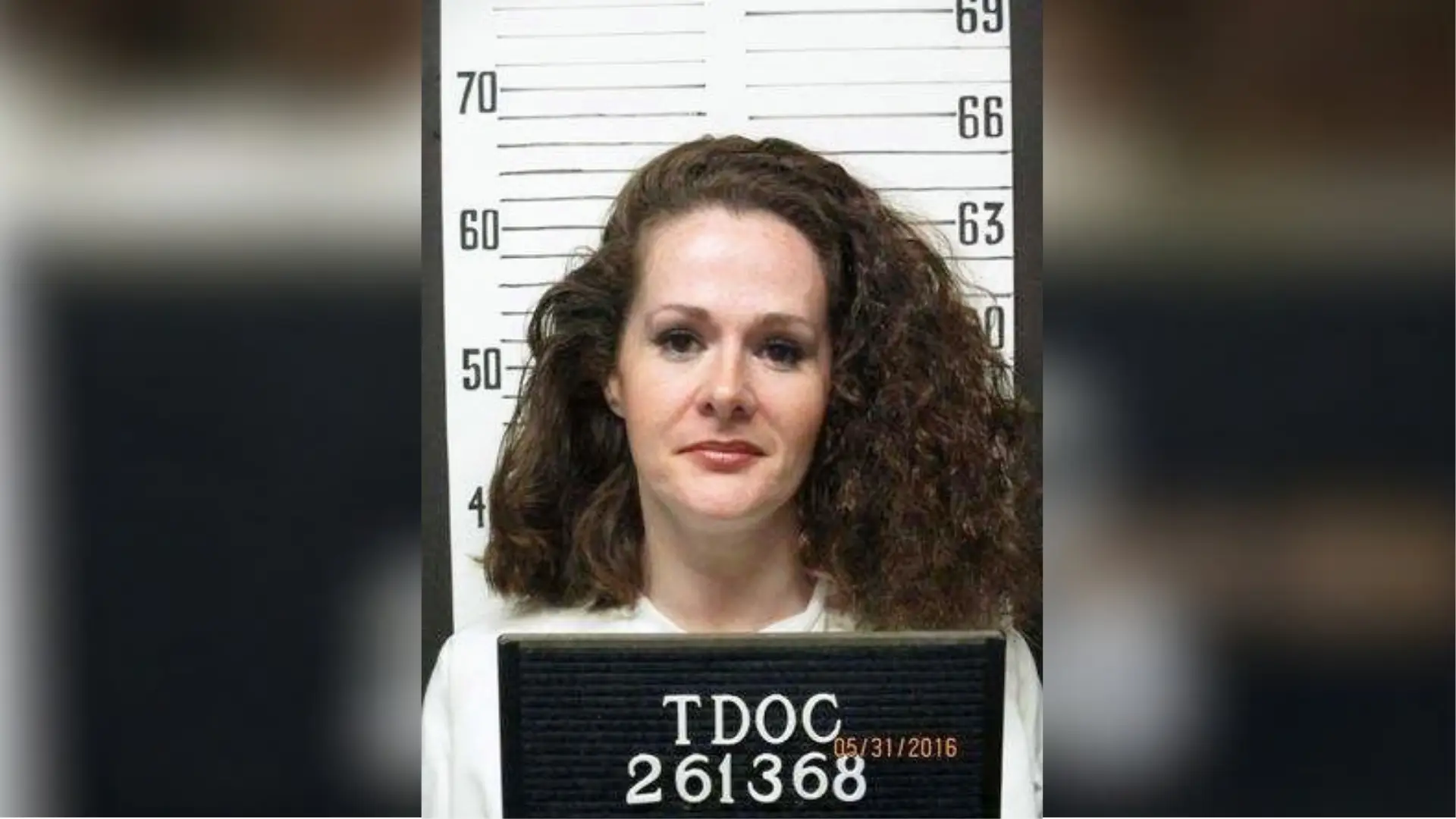
In light of Pike being on life support, some people have questioned why the convicted criminal – who was handed the death sentence at the age of 20 in 1996 – is being kept alive when just days ago she had been scheduled to be executed.
The main reason is that the purpose of hospital staff are to save lives, not take them.
Under Tennessee law, doctors and other healthcare professionals are not legally obliged to carry out death warrants as that is the job of the Department of Corrections.
If, like in Pike's case, an inmate's planned execution fails, they then fall under the care of medical professionals in hospital where someone's life is expected to be saved if possible – whether they're a criminal or not.

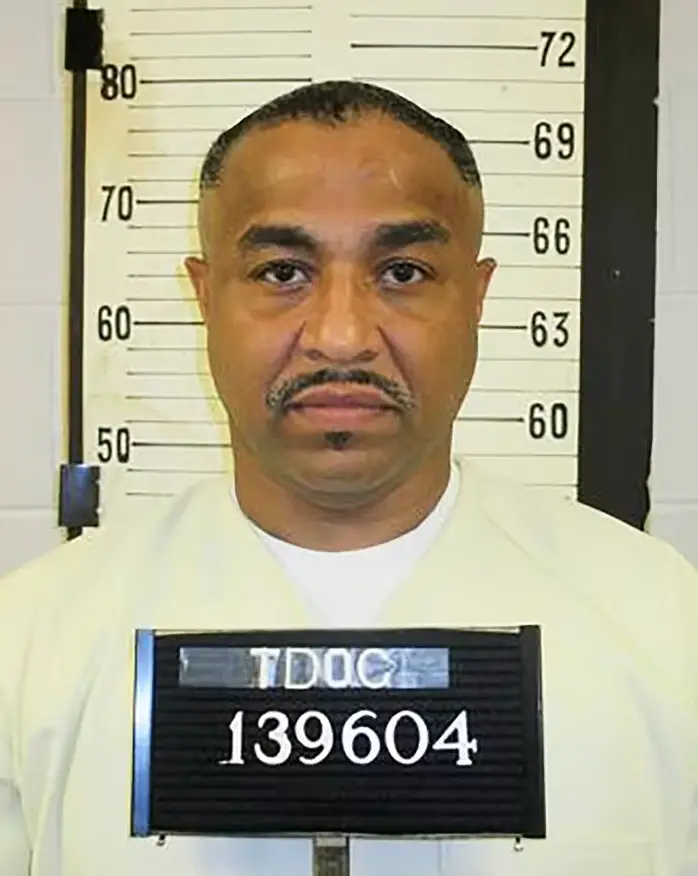
Pike's botched killing comes after another inmate's execution went wrong, that being Tony Carruthers'. He was scheduled to be executed on May 21 by lethal injection but – again – it didn't work and the whole thing went on to be halted.
He did not end up on life support like Pike did though; instead he's back on death row and is expected to be executed next year instead.
Executions going wrong has sparked a huge debate in the healthcare community when it comes to ethics, so much so that medical professionals in Tennessee wrote a letter to Gov. Lee calling for them to be removed from the execution process and to suspend it. It was signed by 40 doctors and nurses.
While they do not carry out the execution itself, a doctor is usually on hand to declare the inmate dead.
Part of the letter to Gov. Lee read: "As you may be aware, medical ethics prohibit participation in executions, and numerous national and state-level organizations have made clear that health care practitioners cannot facilitate executions consistent with their professional obligations.
"Despite this, Tennessee’s protocol requires pharmacists, physicians, and other unidentified healthcare providers to participate in its executions. This means that the health care professionals who agree to take part in Tennessee’s executions are those willing to set aside their professional ethics.
"The problems that we have seen, such as in Mr. Carruthers' case, are the predictable result of working with such unscrupulous actors."
 Niamh Shackleton