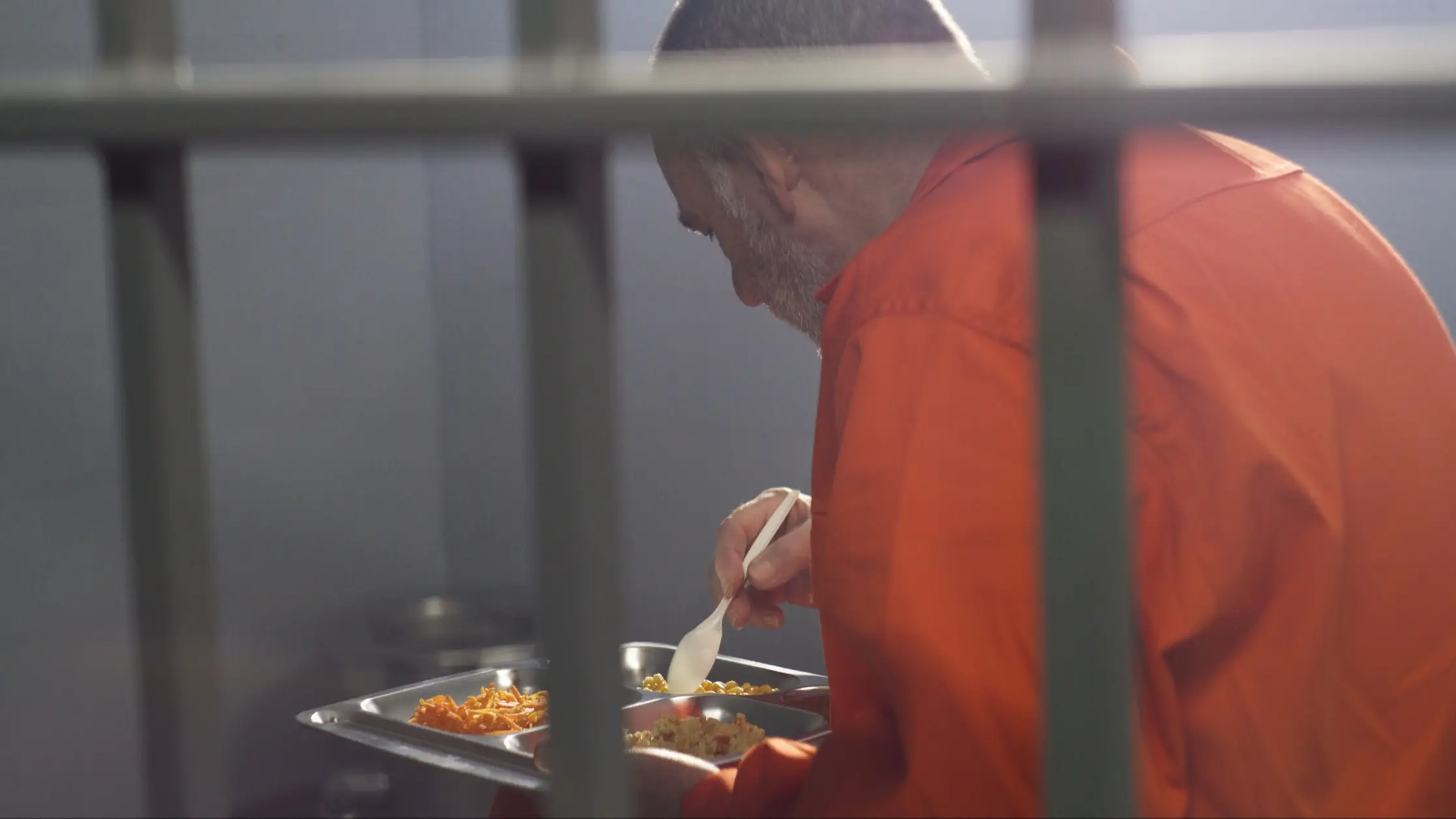
Your final meal choice can reveal telling details about your life and personality

Your final meal choice reveals unexpected details about your personality, according to psychologists, with many death row inmates limited by rules about what they can and can't choose to eat.
We’ve all wondered what our final meal would be if we could choose anything in the world.
Many go straight for their favourite comfort food, some pile the plate high, while others opt for something completely extravagant.
But according to psychologists, your hypothetical final meal could reveal more about your personality than you might expect.
Advert
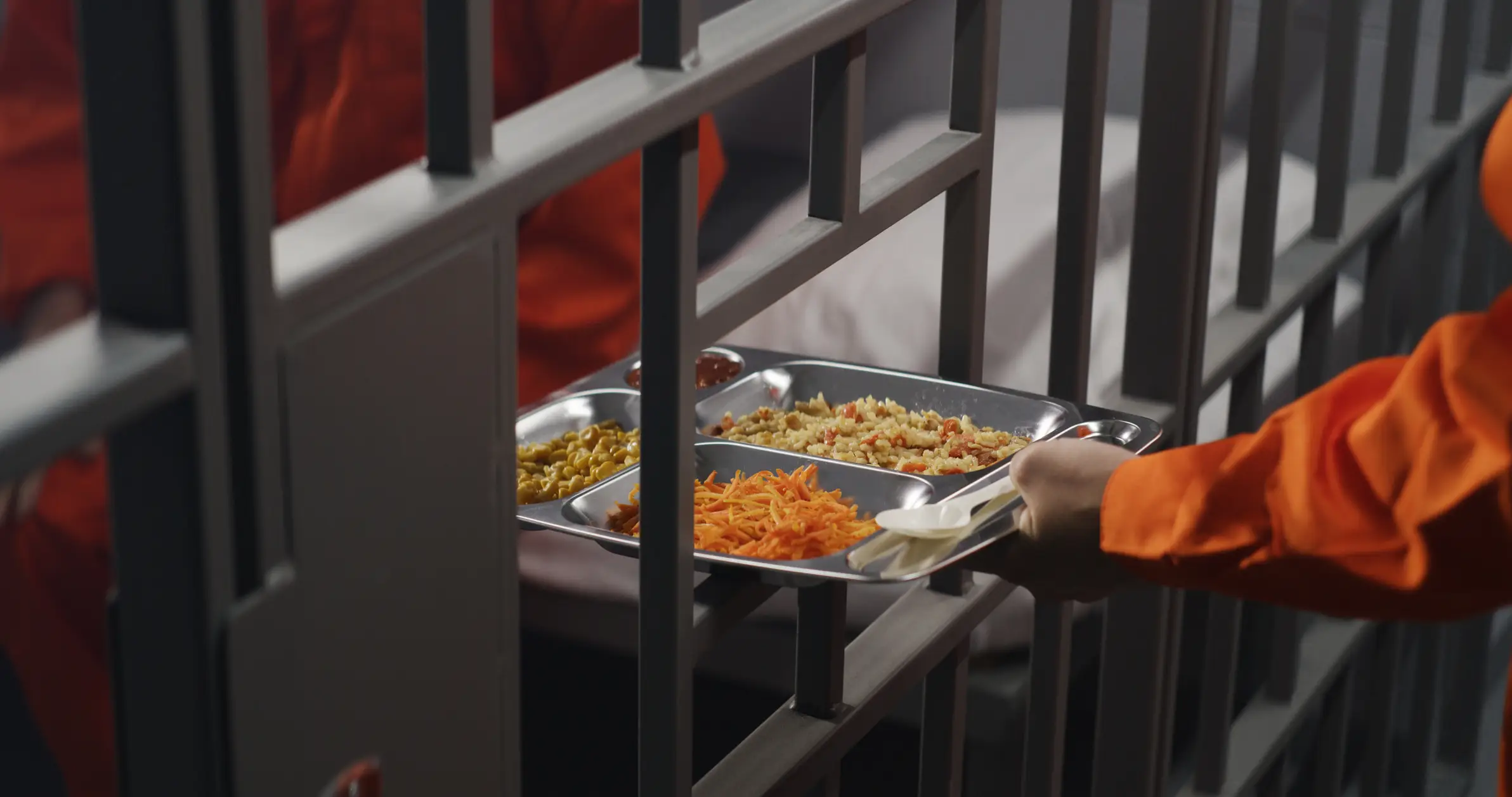
And while it might sound like fun dinner-table conversation, for people on death row, the question is far from hypothetical - with inmates in the US facing different limitations over what they can and can’t request.
Interestingly, studies have frequently found a link between the foods people choose and the sense of comfort they derive from them.
For example, requesting a favourite branded food or drink may evoke memories of childhood, particularly during a time of stress.
One inmates last words, according to Psychology Today, were: "I did not get my Spaghetti-O’s, I got spaghetti! I want the press to know this."
But researchers also found a connection between death row food preferences and people whose sense of the future is shorter, including soldiers who have fought in wars.
They note that uncertainty can be associated with choosing more calorie-rich foods.
In terms of personality traits, the outlet reports that those with lower self-esteem may be more susceptible to overconsumption when stressed, or confronted with reminders of death.
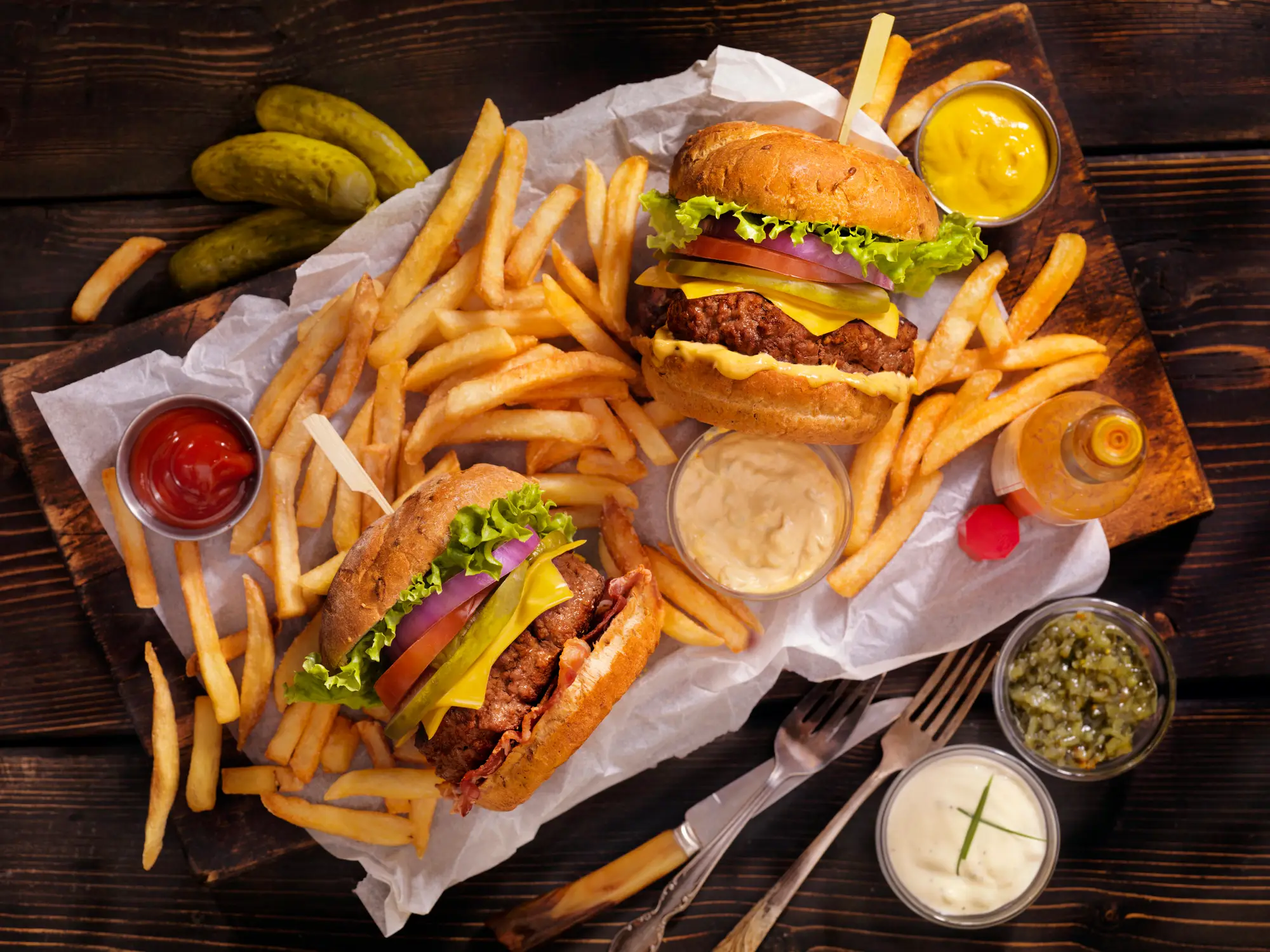
And when it comes to what is most popular among inmates, anything 'fried' is seemingly up there.
Whether it be Kentucky Fried Chicken or Burger King, milkshakes or ice cream - easy, nostalgic food are among the most frequently requested.
And this is an idea that has been echoed time and time again.
Food psychologist, Professor Jane Ogden, also says there may be more to making final meal decisions than meets the eye.
"Foods are embedded with complex meanings often related to our childhoods but also salient moments in our lives such as falling in love, a special celebration or a tragedy," she said, speaking with UNILAD.
The expert added: "These meanings can be positive such as love, a treat or celebration or more negative such as shame, guilt, regret or loss. Food can therefore evoke strong memories and the sight, smell or taste of a meal can rapidly take someone back to a part of their previous life."
Topics: Death Row, Food and Drink, Psychology
 Mia Williams