One death row inmate's final moments led Florida to permanently change its last meal rules

A prison superintendent's small act of kindness to a death row inmate in 1979 led to such public outrage that Florida's death row rules had to be revised.
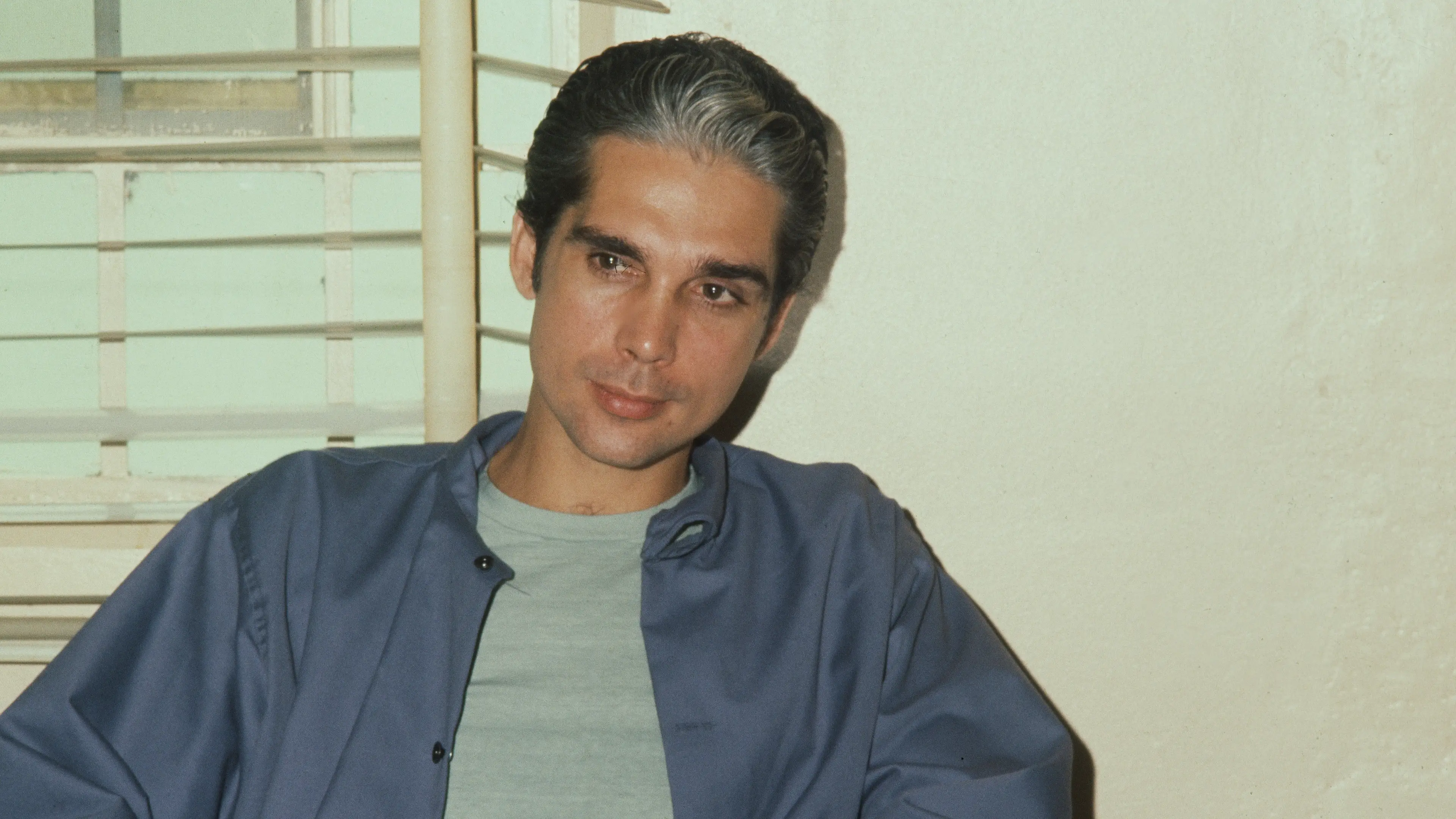
John Spenkelink, 30, was the first murderer to be executed in Florida after the US Supreme Court reinstated the death penalty in 1976.
But that wasn't the only reason he made history.
The killer was put to death for the 1973 murder of Joseph Szymankiewicz in a Tallahassee motel room.
Advert
The victim, 45, had been shot twice and beaten in the head with a hatchet. Spenkelink claimed he had acted in self-defense, alleging the man forced him at gunpoint to perform a sexual act and play Russian roulette.
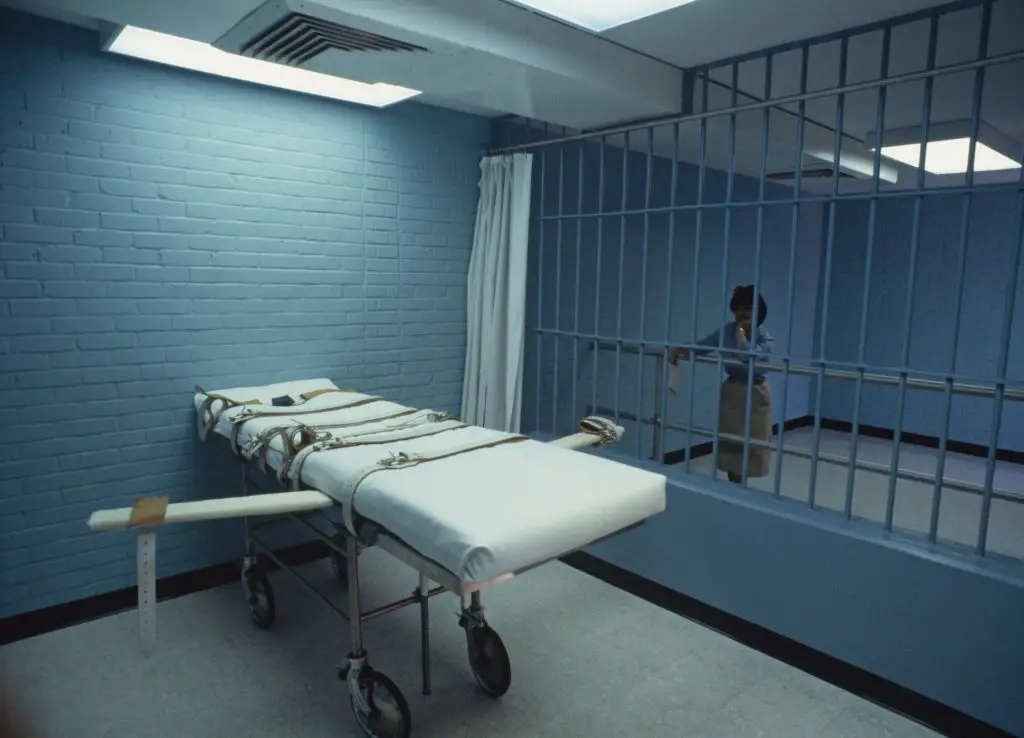
But shortly after Spenkelink was sentenced to death, the state realized they were faced with a problem - no one knew how to operate the chair.
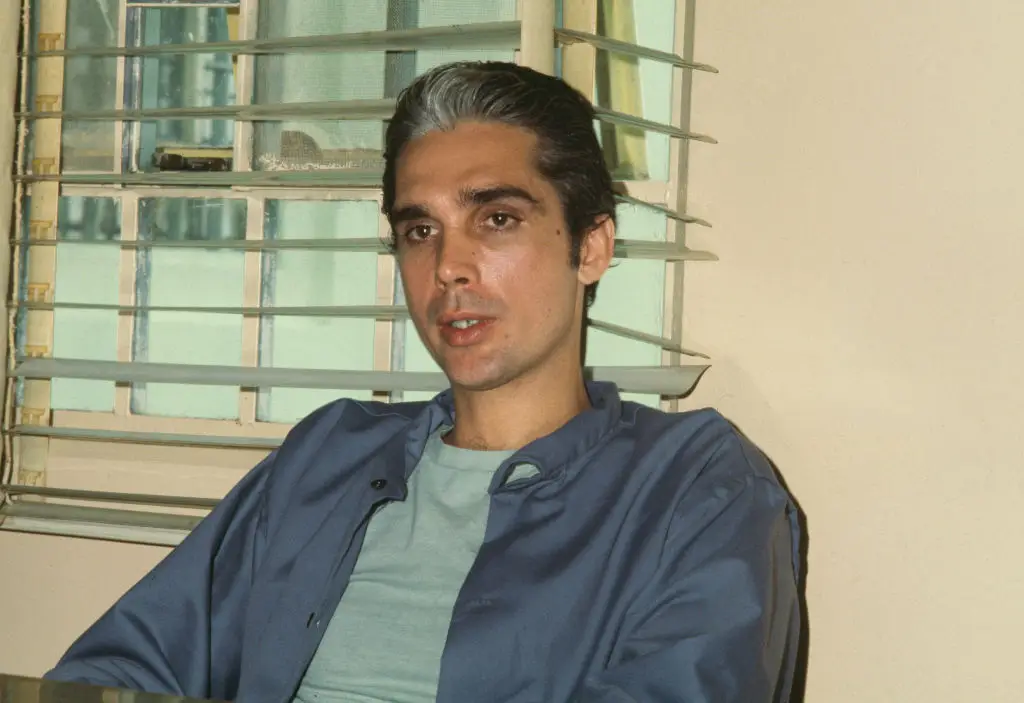
There was no written instructions on how to carry out an execution, and there was no executioner.
''We had to start from scratch and rely on people's memories,'' said Richard Dugger, then assistant superintendent of Florida State Prison, speaking with the Ledger.
Bear in mind no one had been executed in Florida for 15 years.
As the execution drew near, prison superintendent Dave Brierton was trying to think of a way to calm Spenkelink down as he awaited his fate.
He said: "'It was a very difficult time for Spenkelink. It was a very difficult time for me. It was the loss of a human life."
To try and 'take the edge off', he pulled out a bottle of Jack Daniel's and told Dugger to offer the inmate a drink.
Dugger told UPI: "It seemed like a way to maybe calm the fellow down before he was supposed to go the the chair.
"We talked about tranquillizers, but we didn't feel drugs were appropriate. Maybe you would say alcohol is a drug, I don't know.
"We asked Spenkelink if he wanted a drink, and he said, 'Sure.'"
Digger went on to share a drink with other death row inmates too, but the State of Florida's last meal provisions were later revised to exclude alcohol.
Bob Dekle, chief prosecutor in the Ted Bundy murder case, recalled that many people were outraged by the request, as many suggested a killer did not deserve such a privilege.
But Spenkelink isn't the only inmate to have changed rules around death row meals forever.
Texas banned last meals on death row in 2011, following the execution of Lawrence Russell Brewer.
According to a report from Jacksonville.com, Brewer asked for enough food to feed a whole street, including two chicken fried steaks, a triple-meat bacon cheeseburger, fried okra, a pound of barbecue, three fajitas and a meat lover's pizza.
But he didn't stop there, as the inmate also asked for some sweet treats to round off the meal, including a pint of ice cream and a slab of peanut butter fudge with crushed peanuts.
The prison delivered on his request - but then revealed that Brewer didn't eat any of it, instead claiming he wasn't hungry.
And his behaviour subsequently ended the 87-year tradition of allowing death row inmates in Texas to choose their last meal.
Other death row inmates have also made bizarre requests for their last meal.
Victor Feguer
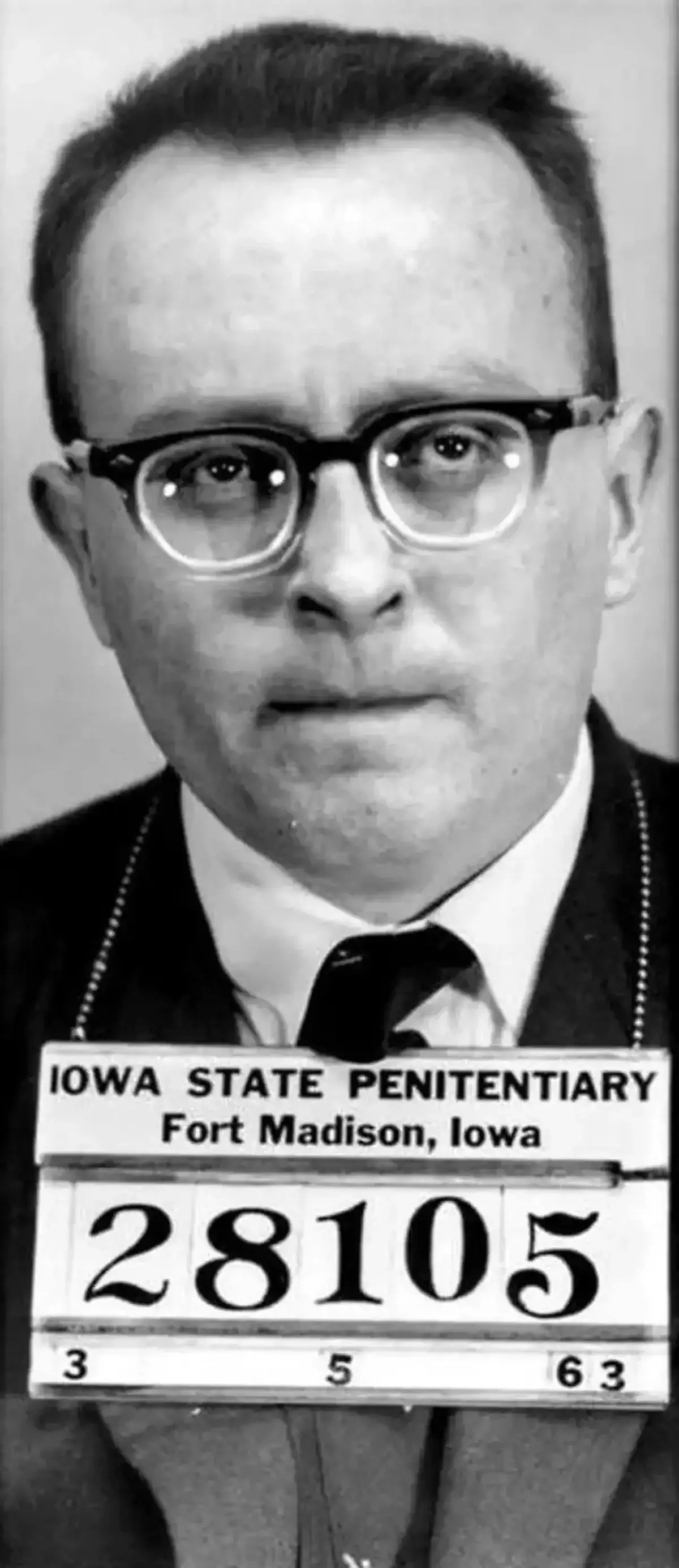
Feguer kidnapped and killed Dr Edward Bartels in July 1960. The doctor's body was later found in an Illinois cornfield with a single gunshot to the head.
Feguer was convicted of federal kidnapping and murder and executed by hanging at the Iowa State Penitentiary on 15 March, 1963.
For his final meal, the 27-year-old murderer requested a single olive with the pit in it. Feguer apparently told guards that he hoped an olive tree would grow from his grave, 'as a sign of peace'.
John Wayne Gacy
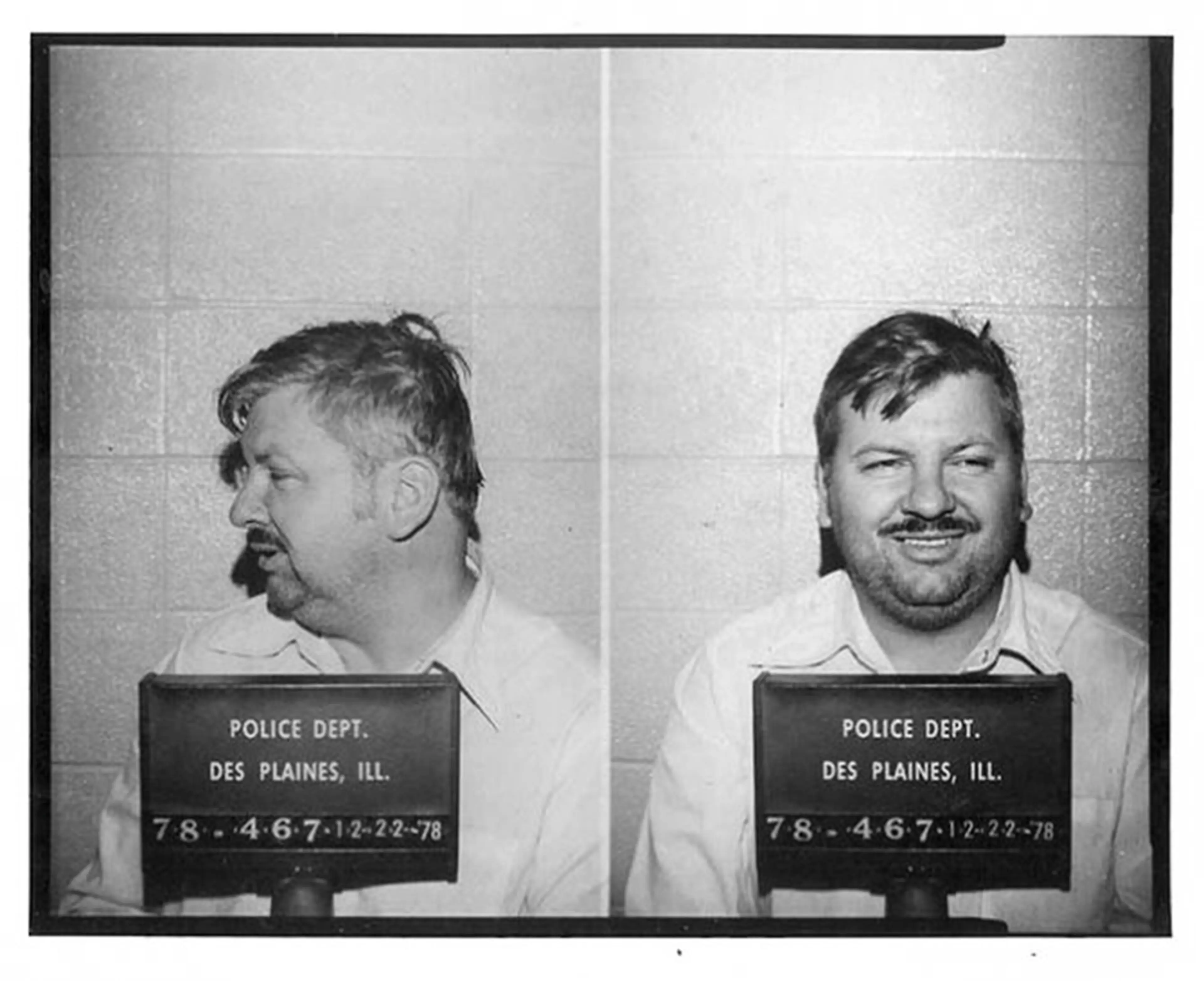
One of America’s most notorious serial killers, Gacy was convicted in 1980 after murdering at least 33 boys and young men in the 1970s.
The 52-year-old was executed by lethal injection at the Stateville Correctional Center in Illinois on 10 May, 1994.
Gacy opted for a bucket of KFC's original recipe chicken, French fries, 12 deep-fried shrimp, and a pound of strawberries for his last supper. In an eerie full-circle moment, it’s said that he previously managed several KFC restaurants owned by his father-in-law.
James Edward Smith
Smith was found guilty of fatally shooting Larry Don Rohus while he was robbing an office building in Houston, Texas, in 1983.
He was put to death by lethal injection at Texas’ Huntsville Unit on 26 June, 1990.
The inmate asked for a lump of rhaeakunda dirt for his final meal, as part of a voodoo ritual, which he both practised and believed in, as he hoped that it would assist his journey into reincarnation.
Perhaps unsurprisingly, his bizarre request was denied, and the 37-year-old was given plain yoghurt instead.
Timothy McVeigh
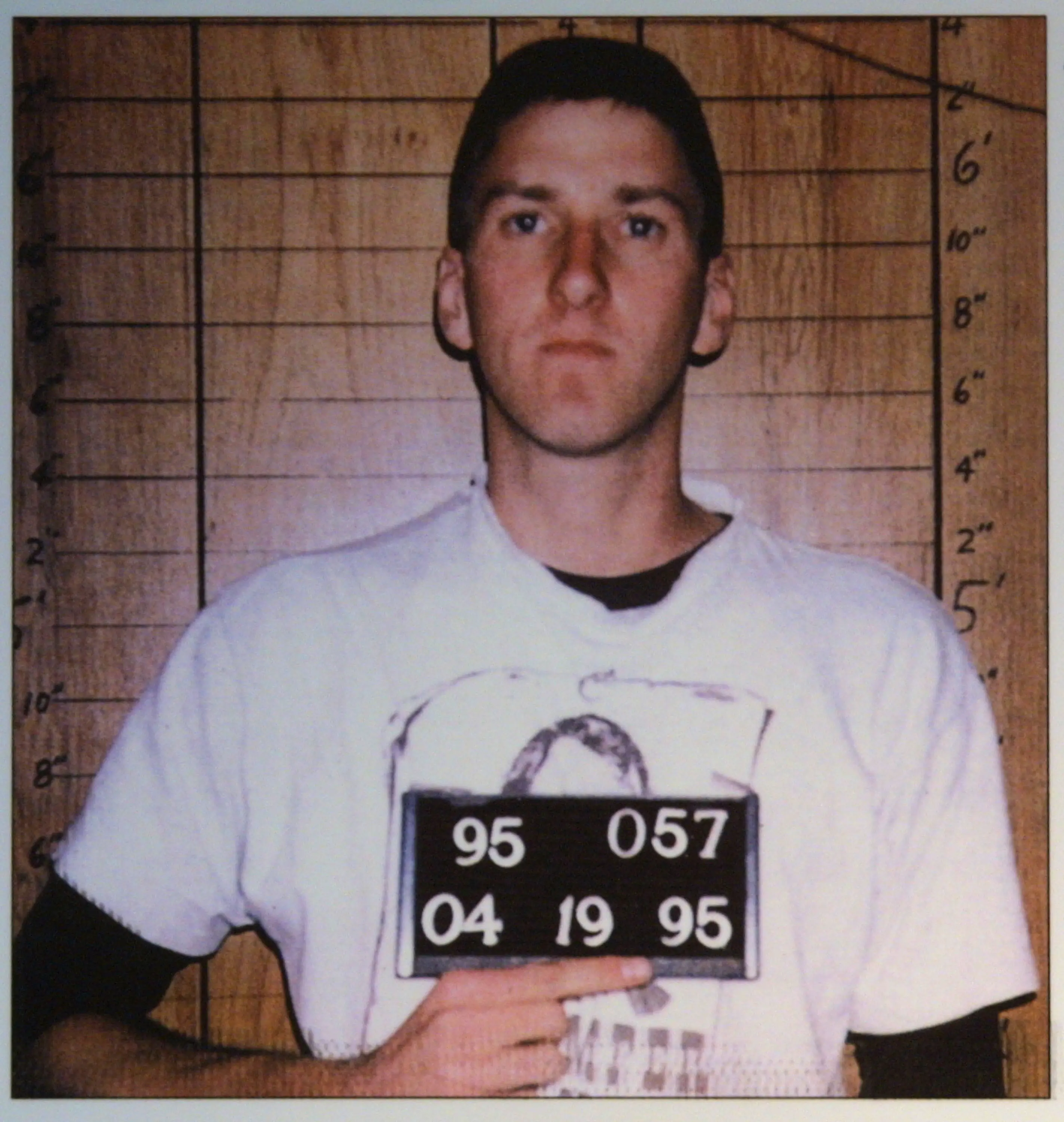
McVeigh was convicted of conspiracy, using a weapon of mass destruction, and destruction by explosives resulting in death for carrying out the 1995 Oklahoma City bombing, which killed 168 people.
On 11 June, 2001, he was executed for his crimes via lethal injection at the Federal Correctional Complex in Indiana.
McVeigh, 33, chowed down on two pints of mint chocolate chip ice cream for his final meal.
Topics: Death Row, Food and Drink, Alcohol, US News, Florida
 Mia Williams