Americans issued warning as officials explain what today's emergency alert test means

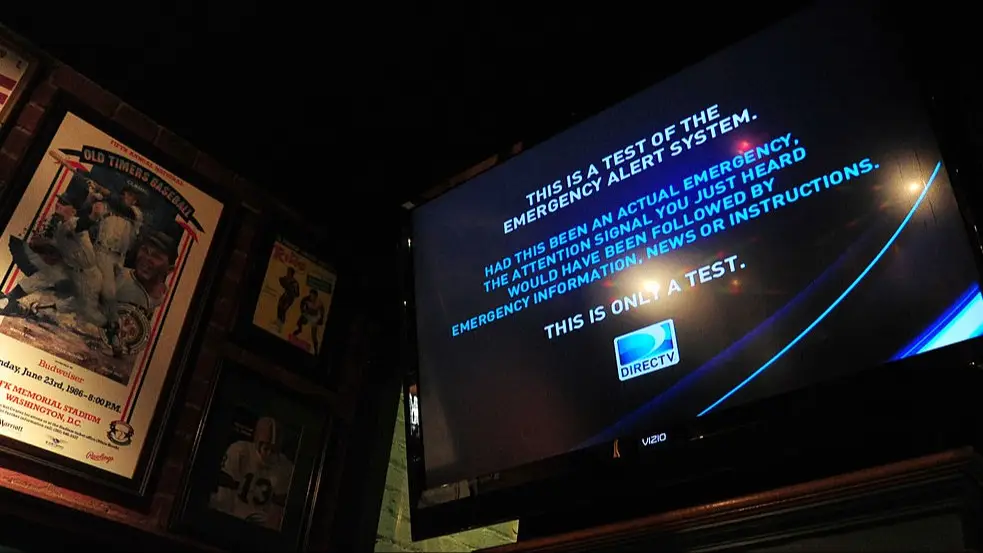
A nationwide test of the Emergency Alert System (EAS) is due to take place across the US on Tuesday afternoon.
It is scheduled for around 2.20pm ET and will interrupt television and radio programming, but cell phones will not receive a push notification.
Sean Gold, the creator of the preparedness website TruePrepper.com and a former Emergency Manager in the US Air Force told UNILAD "Everyone can expect a brief interruption in programming with the EAS tone, and a message explaining that it is a test of the system."
Advert
The Public Safety and Homeland Security Bureau of the Federal Communications Commission (FCC) announced the test on Sept. 16, with the Federal Emergency Management Agency (FEMA) organizing it alongside the commission.
It will be broadcast by FEMA through the Integrated Public Alert and Warning System in both English and Spanish.
The FCC has shared a draft of the audio and text that audiences are likely to recieve.
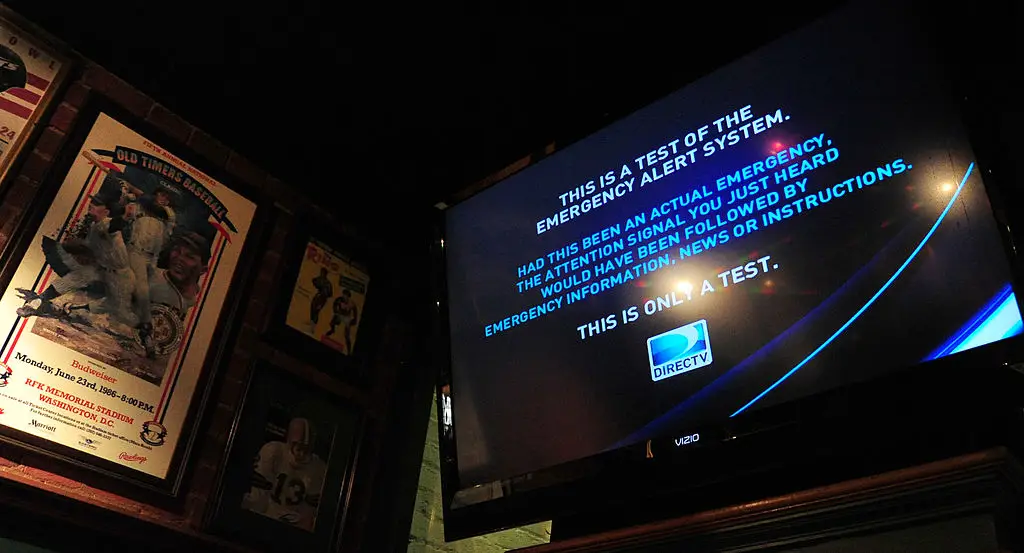
"It reads: "This is a nationwide test of the Emergency Alert System, issued by the Federal Emergency Management Agency, covering the United States from 2:20 to 2:50 hours ET.
"This is only a text. No action is required by the public."
Such tests are a legal requirement. The FCC's announcement states FEMA must run a nationwide public alert and warning system test once every three years to check for technical or operational issues in the event of an emergency.
Gold said the last national EAS test was in 2023, so some people have not seen one in a while.
The EAS is a nationwide warning network that state and local authorities use to broadcast vital information, covering everything from severe weather to AMBER Alerts.
It comprises of thousands of radio, television, cable, satellite and wireline video providers.
Political scientist Daniel Schatz said the test may be disruptive in meetings, classrooms, hospitals or on the road, though it is not dangerous in itself.
Gold said people should continue with their day as usual, even if they are driving, and can listen to the message on the radio to confirm it is a test. Schatz added that the test should never prompt motorists to brake abruptly or take evasive action.
What happens if a real emergency coincides with the alert test?
Gold said officials will be 'very vigilant' for any real emergencies that could coincide with the test.
If a genuine emergency occurs before the test, Gold said, it will be postponed to Dec. 3, the same backup date named in the FCC announcement.
Schatz said authorities can issue a separate live alert with clear instructions if a real emergency occurs at the same time. He said tests exist so people can recognize the signal and 'distinguish official guidance from rumors'.
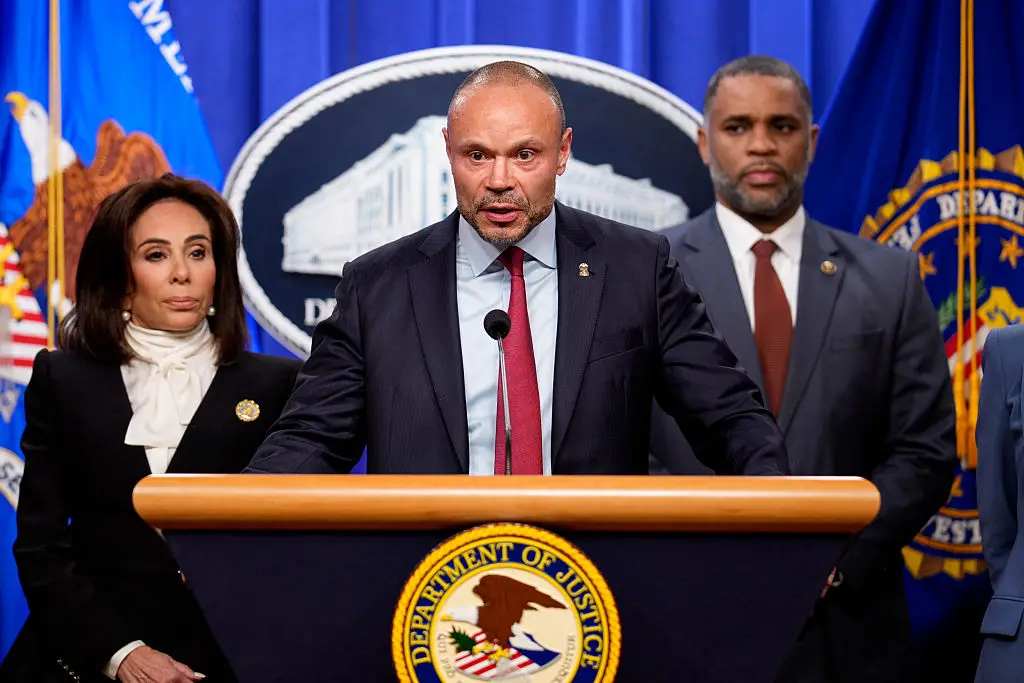
Dan Bongino, 51, who left his role as FBI Deputy Director in January, had urged Americans to stock up on food, water, medicine and other essentials. "Get your stuff today. Please. Do it for your family," he said. He added: "There's nothing wrong with being prepared."
Topics: US News, Technology
 Thomas Bamford