NASA opens applications for Americans who could become the next people to walk on the Moon

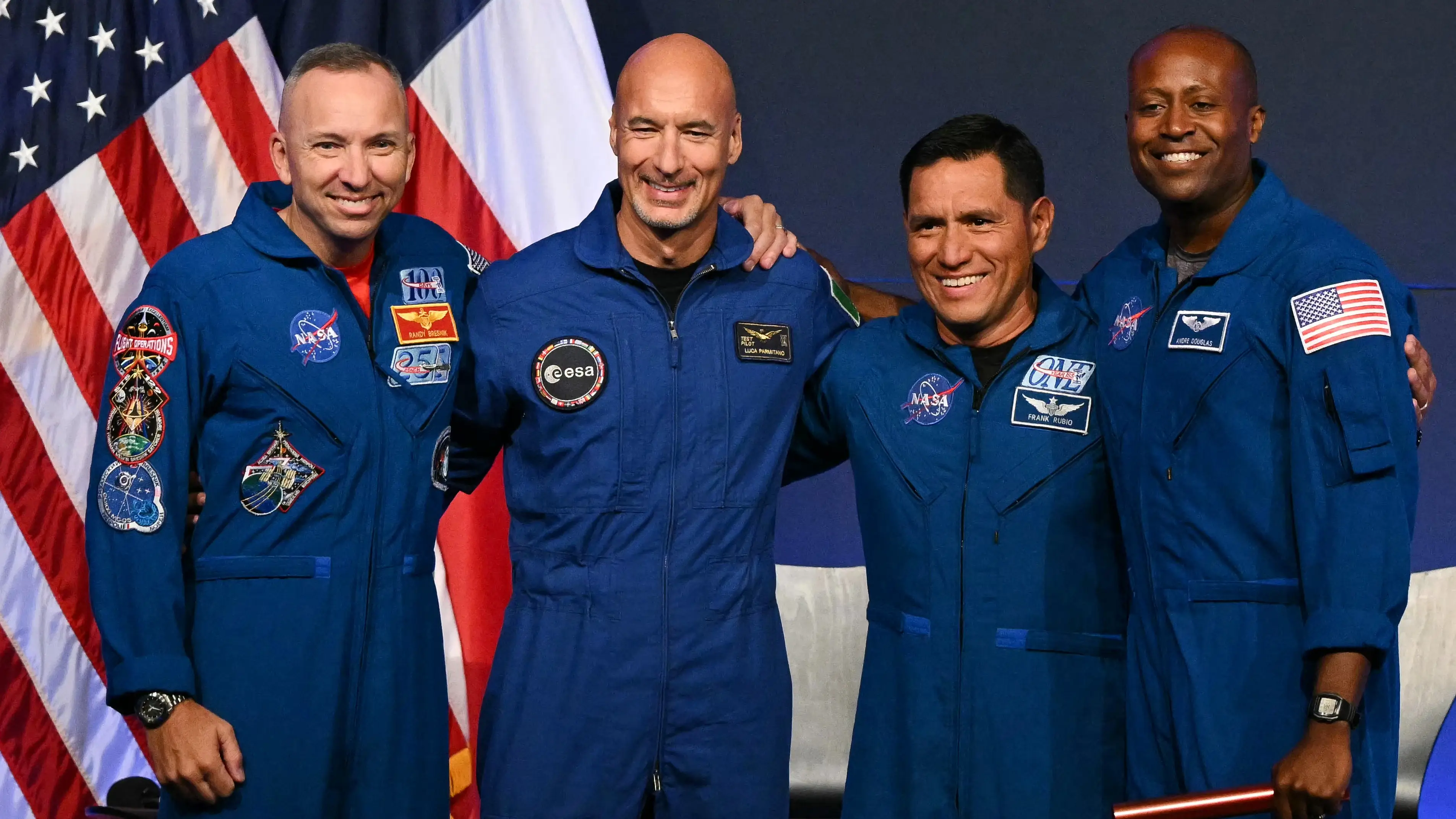
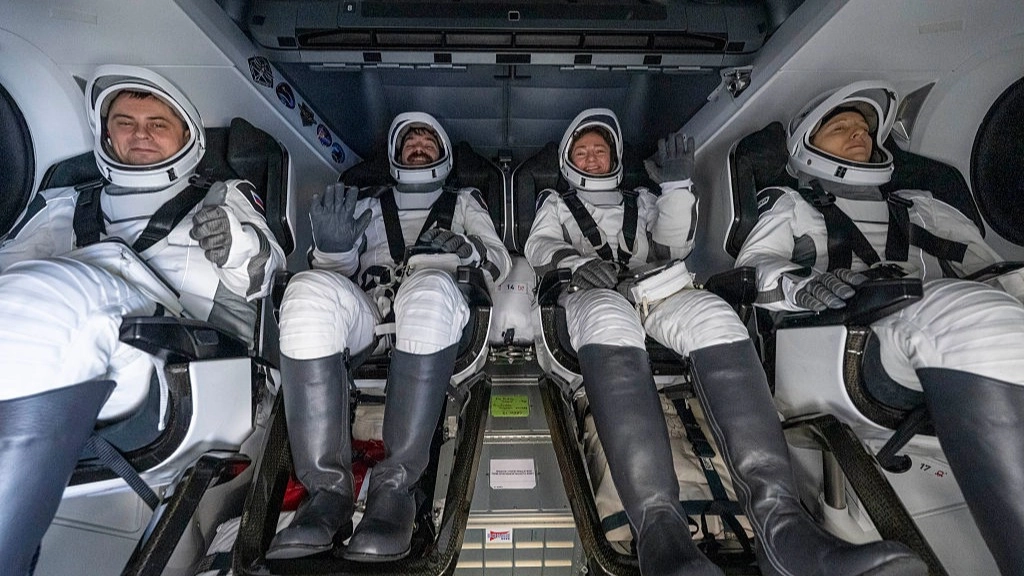
NASA has officially opened the application process for its next class of astronaut candidates, seeking a new generation of explorers to live on the lunar surface, staff a future Moon base, and pave the path toward Mars.
Applications opened on Tuesday for U.S. citizens aiming to join the agency’s elite corps. Candidates have until 11:59 p.m. EST on Thursday, Dec. 3, to submit their application packages, with final selections expected in late 2027 to begin a rigorous two-year training program at the Johnson Space Center in Houston.
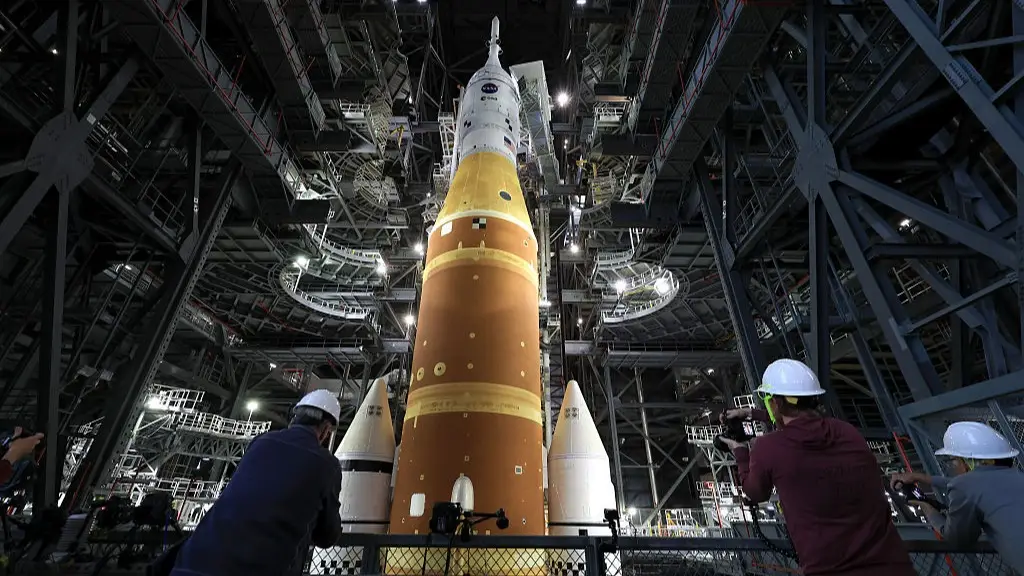
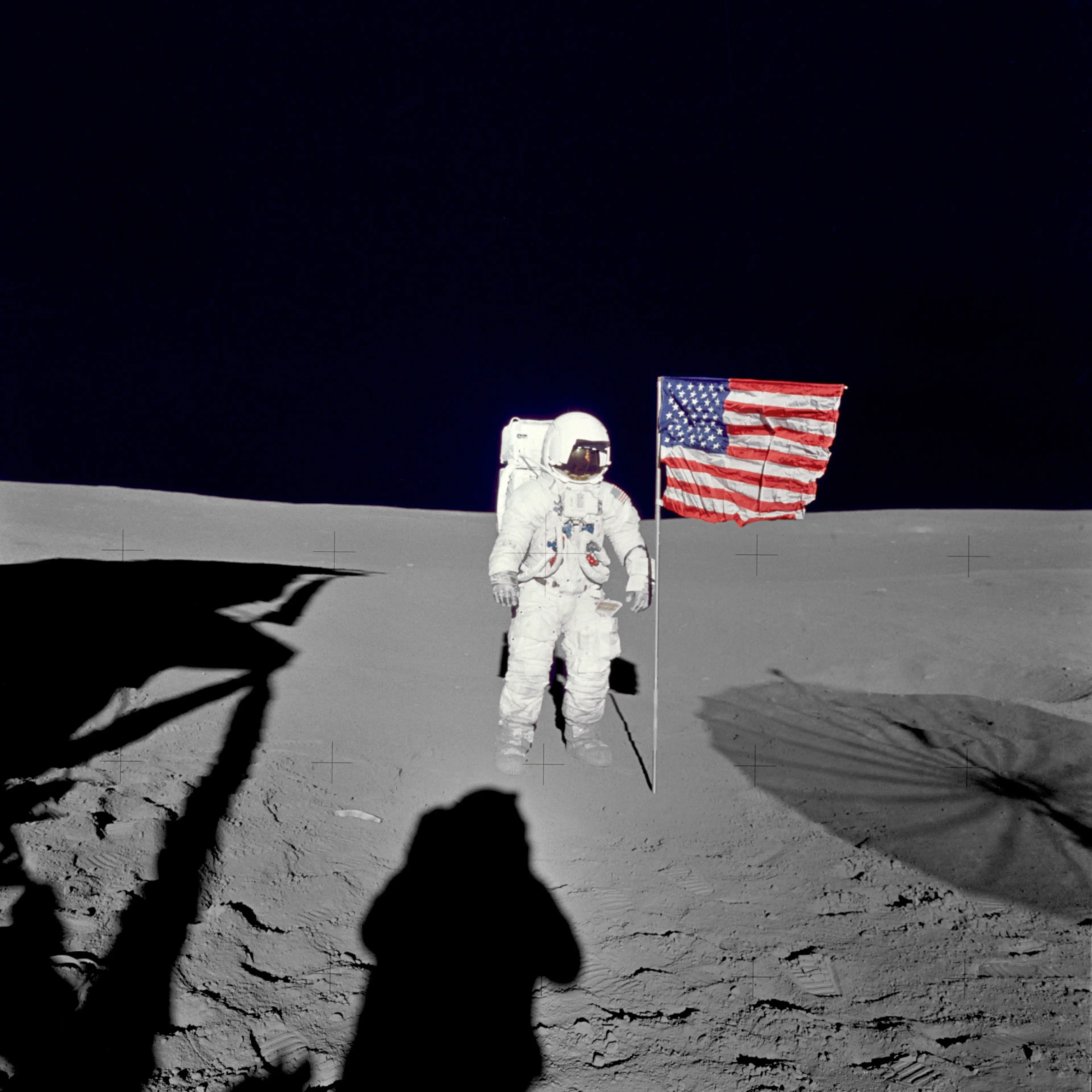
The recruitment push arrives as NASA advances its deep space exploration timeline, moving beyond orbit toward establishing an enduring presence around the lunar South Pole.
"The window is open"
NASA Administrator Jared Isaacman called the open window an unprecedented moment in spaceflight history.
"This is an extraordinary time to join NASA’s astronaut corps," Isaacman said. "The people we select could walk on the Moon, live and work at the Moon Base, and help pioneer the systems and operations that will ultimately carry crews to Mars. Those missions will demand technical excellence, sound judgment, teamwork, and courage."
Advert
Deputy Administrator Matt Anderson added: "The window is open. The mission is waiting. And the only thing missing from the greatest adventure humanity has ever embarked upon is you."
The agency last recruited in 2024, selecting 10 candidates out of more than 8,000 applicants in 2025 who are currently nearing completion of their initial candidate training.
Since the 1960s, NASA has selected 370 people to train as astronauts, with 32 active members currently serving in the corps.
What are the essential requirements?
NASA's application criteria remain among the most competitive in the federal government. Basic requirements include U.S. citizenship and a master’s degree in a STEM field—such as engineering, biological science, physical science, or computer science.
The master's requirement can also be satisfied by:
- Two years of progress toward a doctoral program in a related technical STEM discipline.
- A medical doctorate (MD, DO) or advanced practice medical degree (such as Physician Assistant, Doctor of Nursing Practice, or Family Nurse Practitioner).
- Completion of, or current enrollment in, a nationally recognized Test Pilot School program by July 2027 (paired with a STEM bachelor’s degree).
In addition to academic credentials, applicants must have at least three years of professional experience post-degree. Medical residency programs completed by July 2027 count toward this window.
For military and civilian aviators, the professional threshold requires substantial logbook time:
- High-performance jets: 750 hours as pilot-in-command.
- Other fixed-wing aircraft: 1,500 total hours, including 750 hours pilot-in-command.
- Rotary-wing aircraft: 1,000 total hours, including 300 hours pilot-in-command.
It's not just about intellectual aptitude either, as applicants must also pass NASA’s long-duration spaceflight physical before being invited for final interviews in Houston.
Widely regarded as one of the most gruelling physical tests in the world, the NASA physical is a multi-day gauntlet designed to ensure candidates have no latent conditions that could trigger a medical crisis in deep space.
Finalists undergo maximal cardiovascular and lung stress tests, exhaustive blood panels, and full-body CT, MRI, and bone density scans to detect any risk of aneurysms, joint deterioration, or kidney stones.
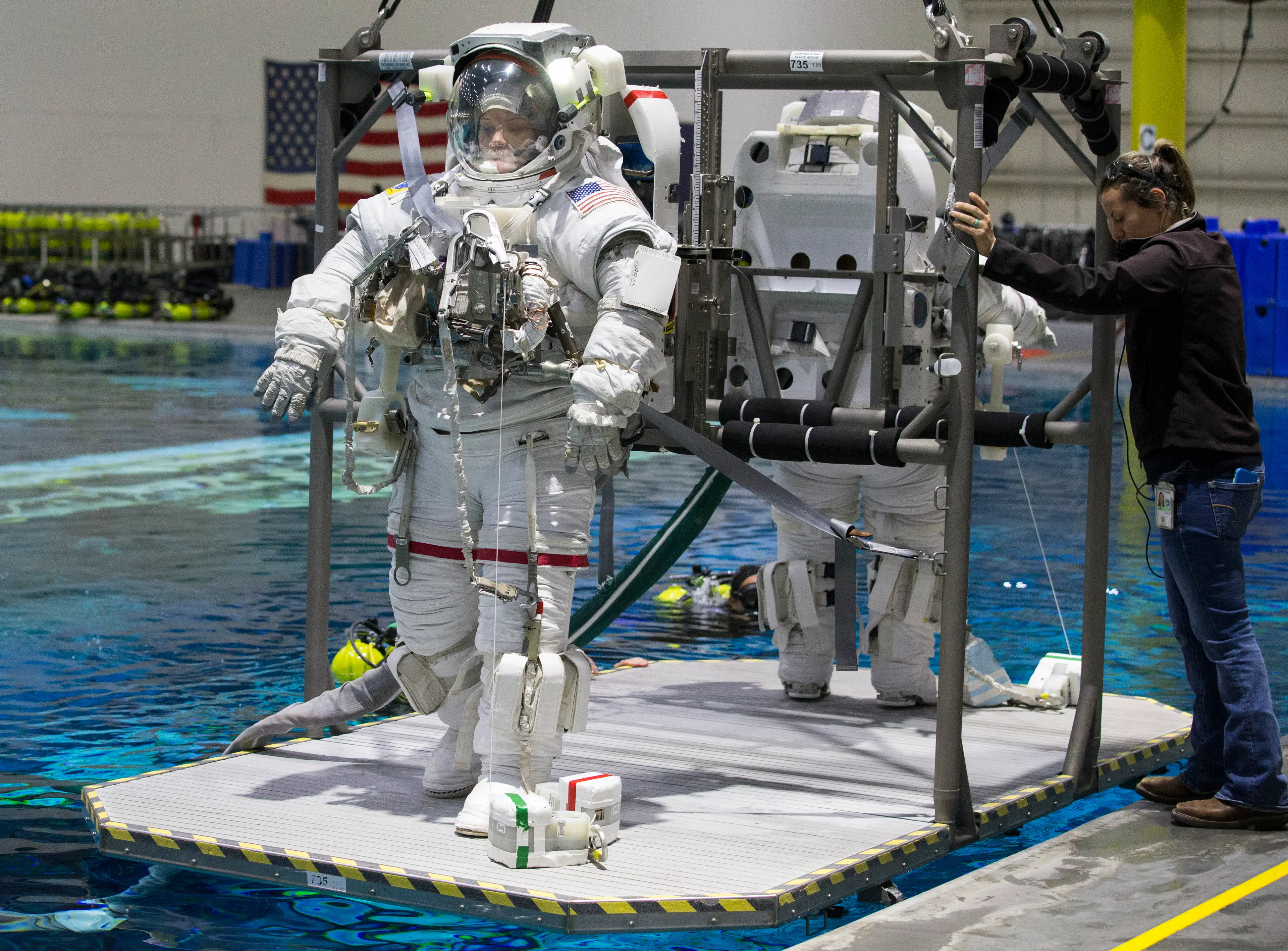
The screening also features intensive eye and retinal examinations to assess vulnerability to Spaceflight-Associated Neuro-ocular Syndrome (SANS), vestibular tests to evaluate balance and motion tolerance, and strict anthropometric measurements to guarantee the applicant can physically fit inside standard spacecraft capsules and pressurized EVA spacewalk suits.
How do I apply?
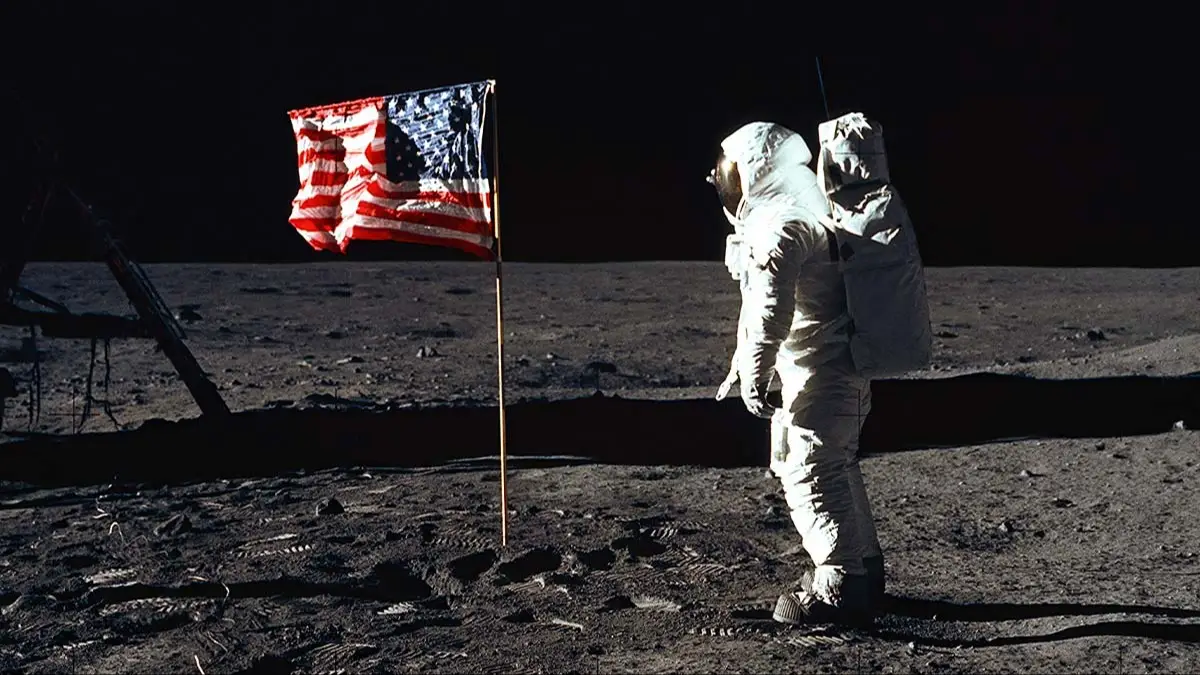
If you think you meet the criteria and are interested in becoming the next Neil Armstrong or Sally Ride, applying for the position couldn't be easier.
Just head on over to go.nasa.gov/astro2026 where it dives into all the essential requirements and guides you through the assessment process step by step.
 Phoebe Tonks