NASA confirms signs of life on asteroid that could change what we know about space

Early signs of life have been detected on asteroid Bennu, revealing further clues about our origin.
Attention might have turned to the mysterious comet 3I/ATLAS in recent months, which NASA reckons is an asteroid, but one Harvard scientist thinks could be an alien probe. I hope you haven't forgotten all about Bennu, though.
The 500-meter-wide comet was once considered the most dangerous of its kind, given a 1-in-2,700 chance of hitting Earth between the years 2175 and 2199.
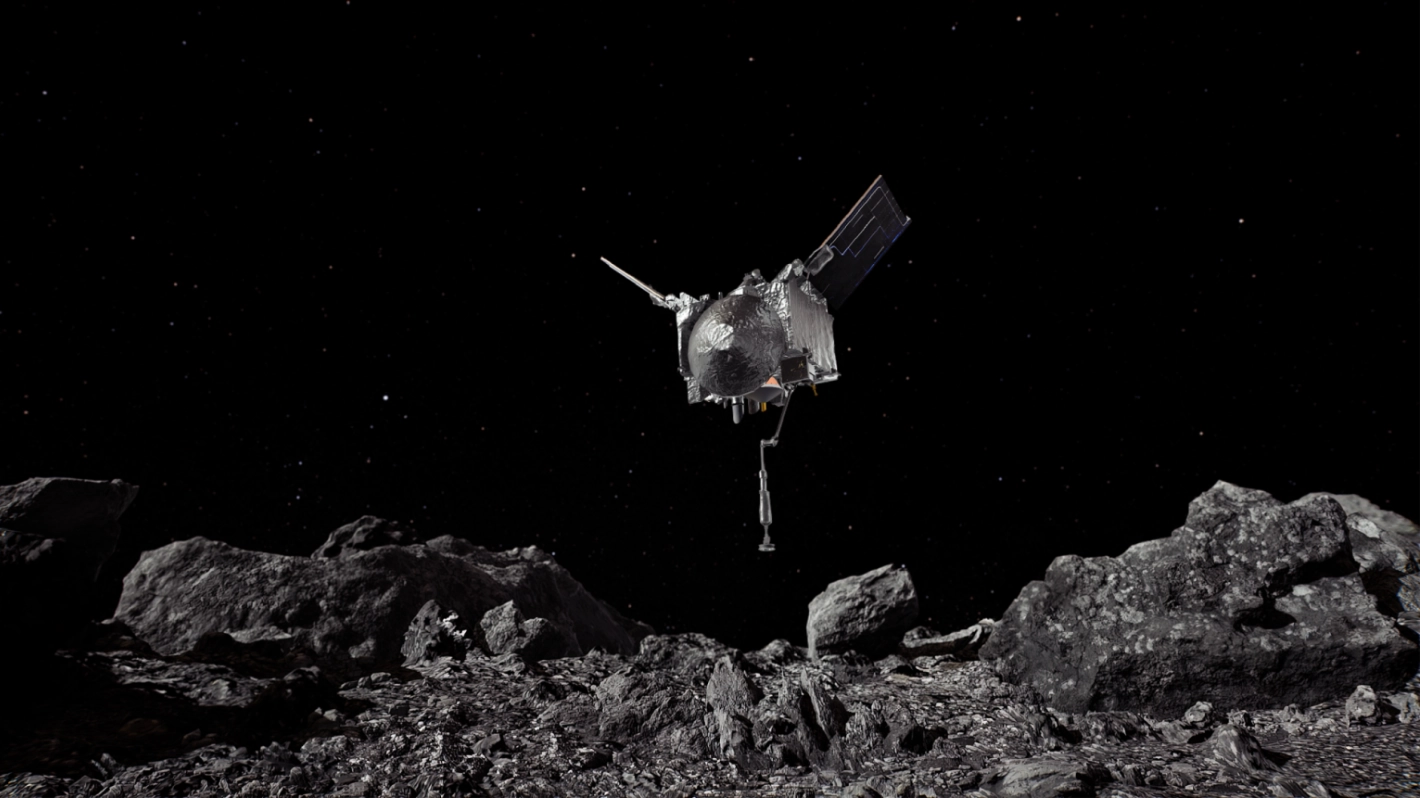
Back in 2016, the US space agency launched its OSIRIS-REx mission and collected samples from the spinning top-shaped space rock four years later in 2020. Samples from 4.5 billion year old Bennu landed in Utah back in 2023 and scientists have been working hard to analyze them ever since.
Advert
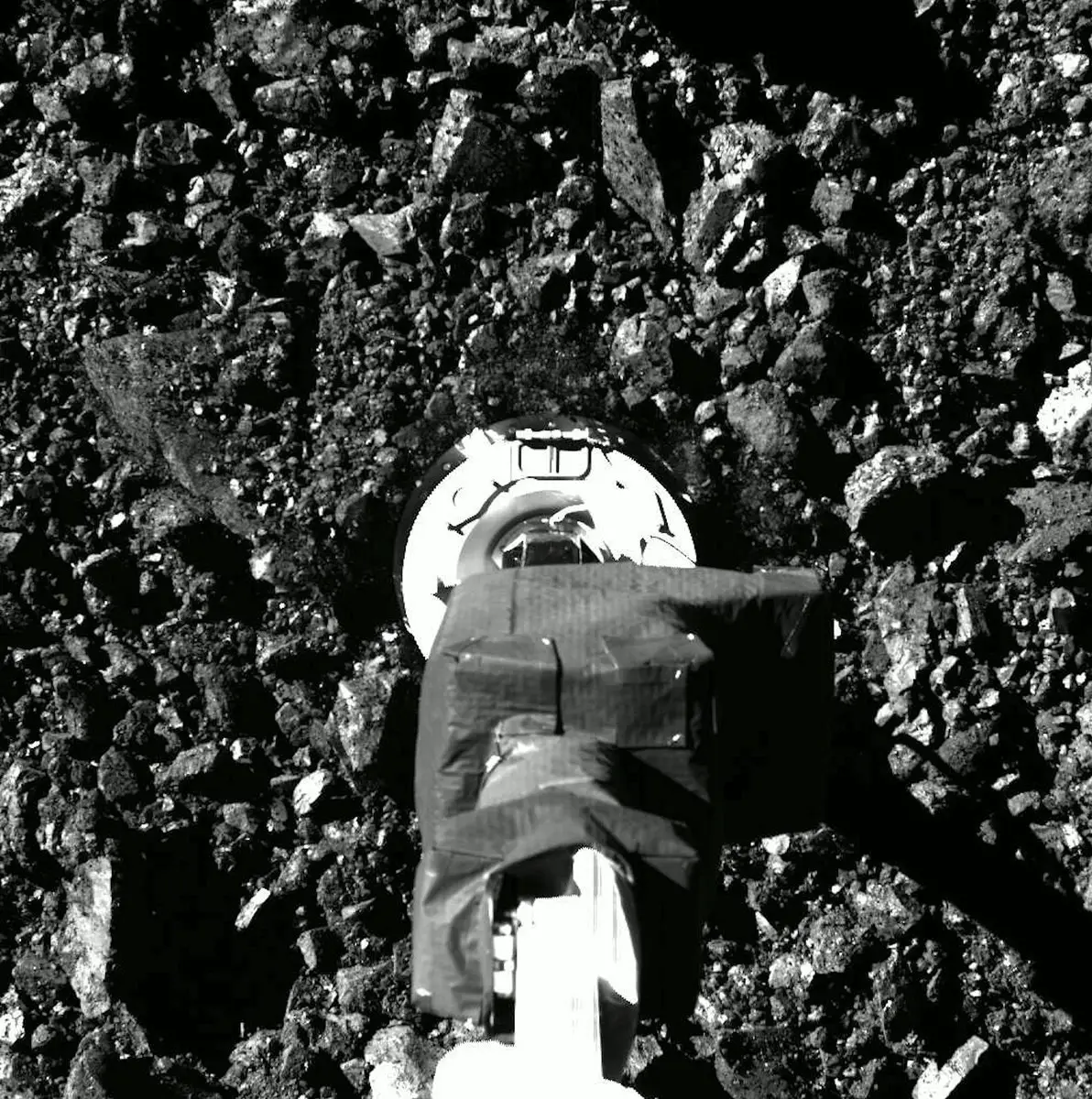
Turns out, the rock gives us an indication as to how the early solar system may have begun. It also hints as the possibility of life in universes beyond our own, NASA says.
What are the early signs of life on Bennu?
Bennu was found to contain glucose, a six-carbon sugar and an early building block of life. This discovery was the first of its kind in extraterrestrial material.
The latest finding means the asteroid has all the components needed to form RNA, a vital molecule present in all living cells that acts as a messenger for DNA. These components include a five-carbon sugar called ribose, as well as amino acids, nucleobases, carboxylic acids, and phosphates.
This shows many building blocks of life were widespread in the early solar system, NASA explains.
Interestingly, the sugar in DNA called deoxyribose was not found, while ribose was, suggesting ribose may have been more common than deoxyribose in early solar system environments.
What does this mean for how life on Earth began?
This supports the RNA world hypothesis, where RNA was likely the first major genetic and catalytic molecule before DNA and proteins.
The presence of glucose implies that an important energy source for life on Earth was already present in early solar system materials and could have been delivered to early Earth by meteorites. This is also known as the panspermia hypothesis.
NASA scientist and OSIRIS-REx Co-Investigator Daniel Glavin said of the breakthrough: "I'm becoming much more optimistic that we may be able to find life beyond Earth, even in our own solar system."
He added that despite all the chemical building blocks to make proteins and nucleic acids were found in the Bennu sample, we still haven't found evidence for life itself in Bennu.
"I think this is going to open up a lot of new areas of research for folks to try to figure out why didn't these building blocks advance to something more complex inside this giant
asteroid parent body," Glavin added.
So, asteroids and meteorites may have seeded early Earth and possibly other world with all the ingredients needed to start life.
Anyone else feeling existential?
 Ellie Kemp