Doctor reveals signs you shouldn't ignore as FDA issues warning about eye condition and GLP-1s

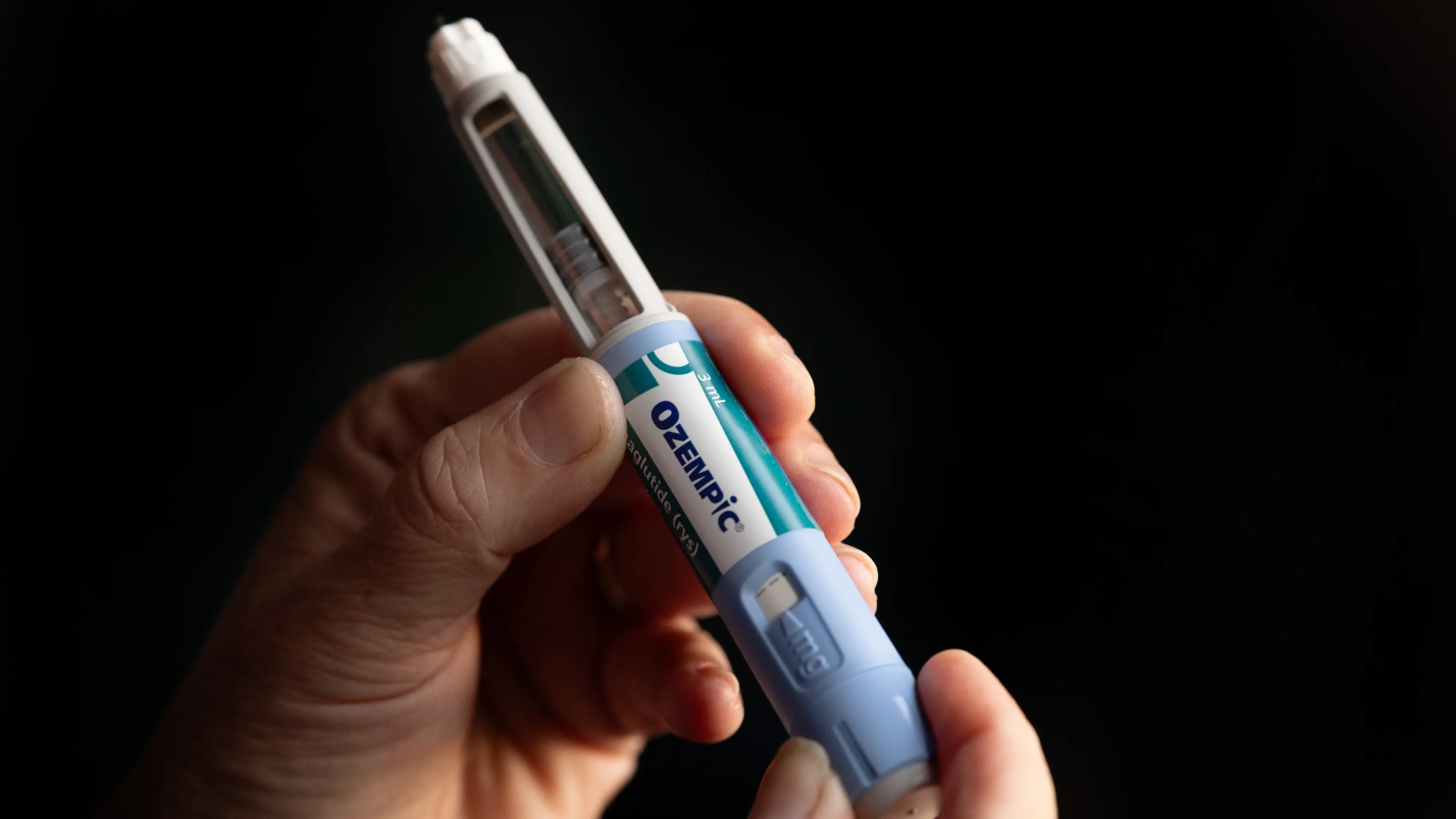
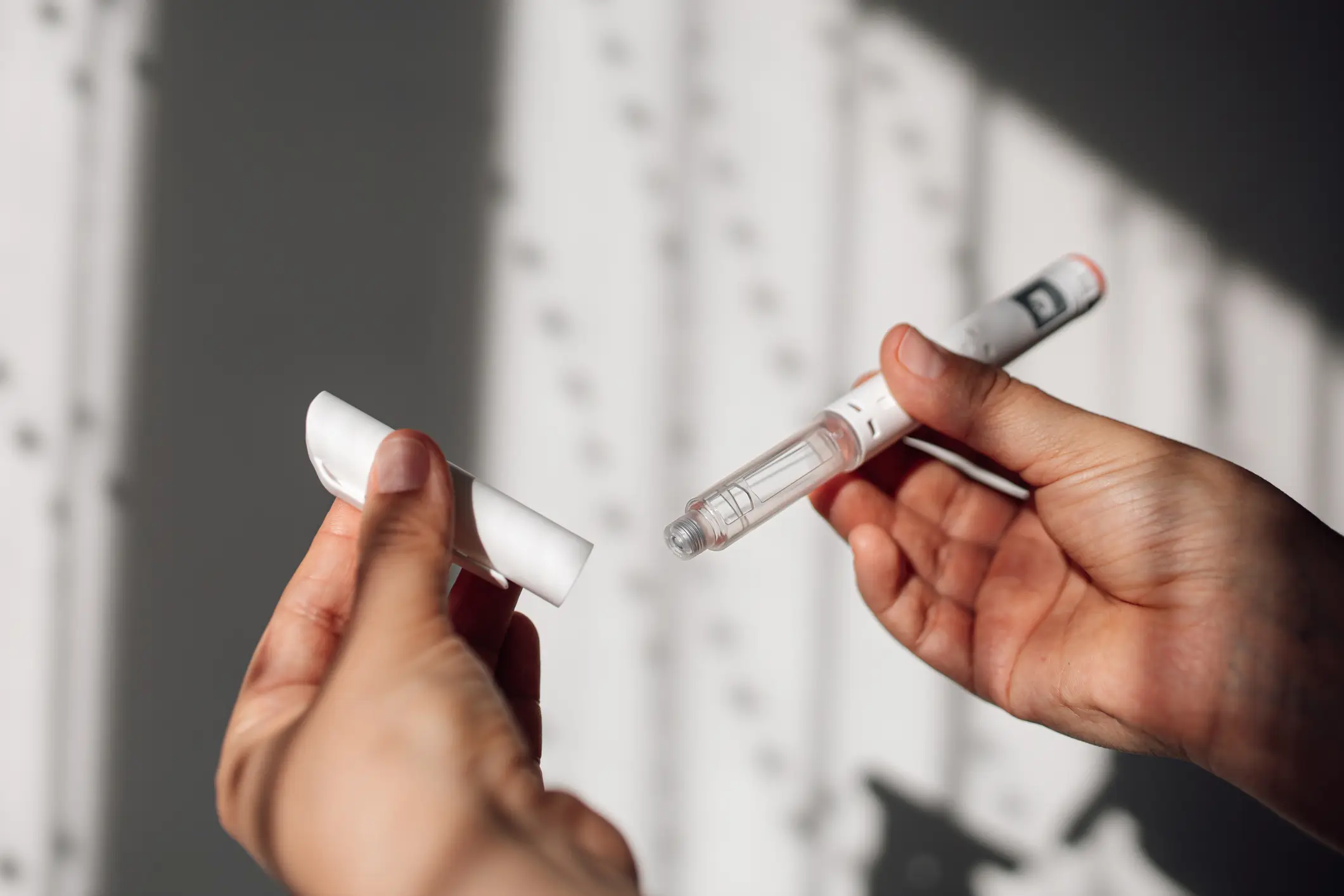
The US Food and Drug Administration (FDA) has told GLP-1 manufacturers to start warning patients about the risk of them developing a rare eye condition as a result of taking the medication.
Earlier this year, it was reported that a handful of GLP-1 users had reported experiencing blindness. GLP-1 drugs, such as Ozempic and Mounjaro, are most commonly taken by people with type 2 diabetes.
One man, Todd Engel, says he was prescribed the medication in 2023 and woke up one day to find he couldn't see out of one eye.
Engel says he has since lost sight in his other eye as well and has been declared legally blind. USA Today reported that he's one of several plaintiffs in a growing number of GLP-1 lawsuits alleging failure to warn of side effect.
Advert
It turns out that Engel has non-arteritic anterior ischemic optic neuropathy (NAION), and the FDA has since ordered GLP-1 manufacturers to list the eye condition as a possible side effect.
Everything to know about NAION, from an expert
Dr. Hanul Bhandari, MD, has now spoken to UNILAD about NAION, what causes it, and the signs people should look out for.
"NAION is a condition in which the front part of the optic nerve suddenly becomes injured by lack of enough blood flow, but without the accompanying arterial inflammation found in arteritic disease," he explained.
Addressing the FDA's new advisory, Dr. Bhandari says it doesn't mean that people should stop taking the medication.
He said: "As part of the advisory, the FDA is requiring manufacturers to add NAION information to the Warnings and Precautions section of GLP-1 receptor agonist labels.
"That doesn’t mean we should all stop taking treatment. Patients should consult their prescriber on the benefits and risks of the treatment and patients with suspected NAION should be assessed by an ophthalmologist as soon as possible."
Signs to look out for in NAION
In terms of signs people should be aware of, the healthcare professional advised that GLP-1 users 'monitor for sudden, painless vision loss in one eye or a blind spot or loss of vision in a portion of their visual field'.
Dr. Bhandari added: "These symptoms need immediate medical evaluation, even if there is no pain. Even in the case where individuals stop taking a medication on their own because it appears to be producing serious side effects, it is strongly recommended that individuals immediately contact their physician and discuss the issue."
UNILAD approached GLP-1 manufacturers Novo Nordisk and Eli Lilly for comment following the FDA announcement.

Wegovy manufacturer Novo Nordisk said in a statement to us: "The US FDA is requiring a class-wide labeling update for GLP-1 receptor agonist medicines to include information about a potential increased risk of a rare eye condition, NAION (non-arteritic anterior ischemic optic neuropathy).
"The FDA concluded that there is a 'potential increased risk' of NAION with GLP-1 use. This update will apply to all manufacturers of GLP-1 medicines.
"Novo continues to believe the data do not establish a cause-and-effect relationship and we remain confident in the benefit-risk profile of our GLP-1 medicines. We recognize that NAION can have a profound impact on patients and their families.
"Patient safety is a top priority for Novo, and we continue to monitor the safety of our medicines, review new research and work with health authorities around the world."
 Niamh Shackleton