GLP-1 users report alleged side effect causing blindness as numerous lawsuits are filed

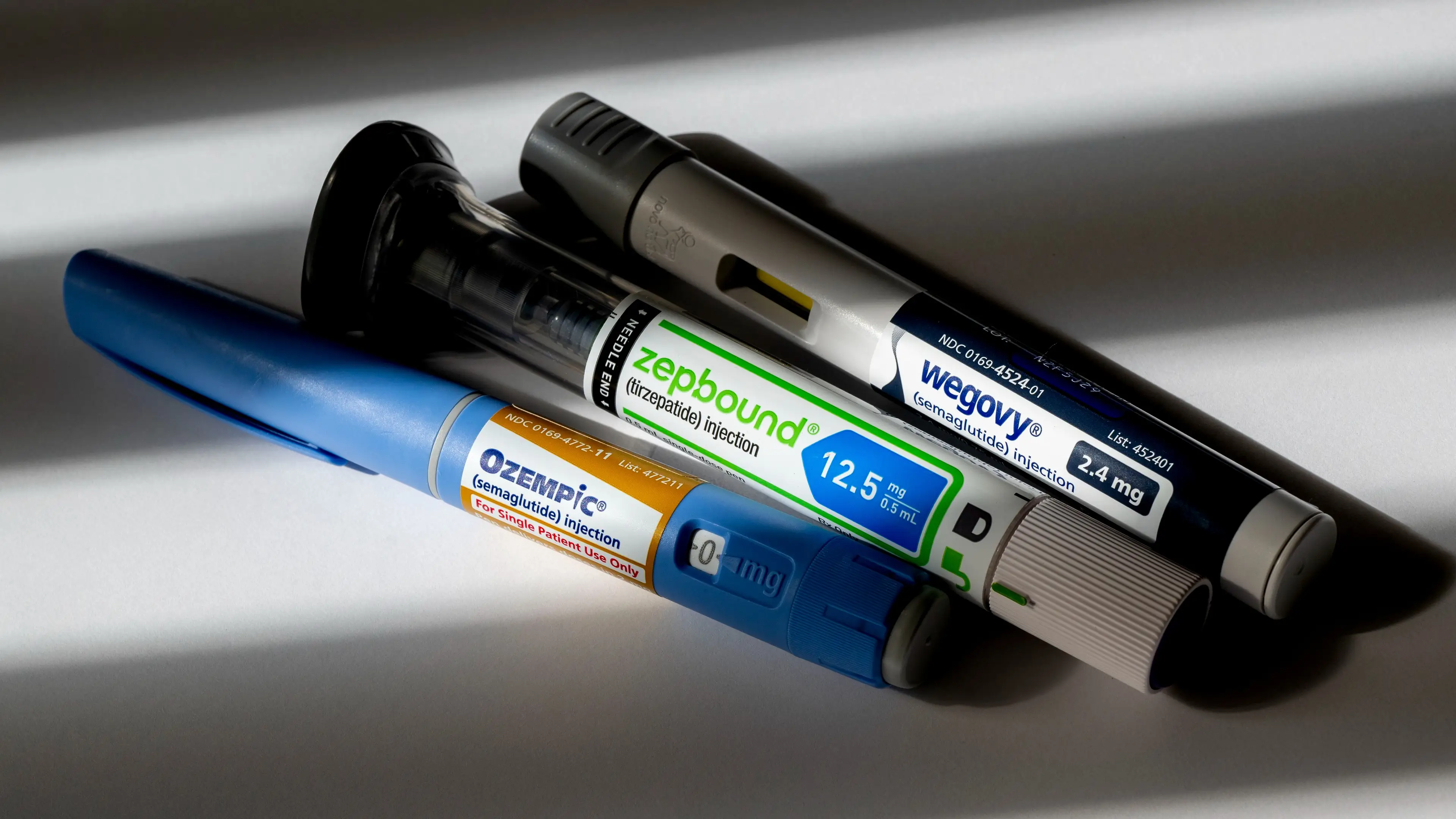
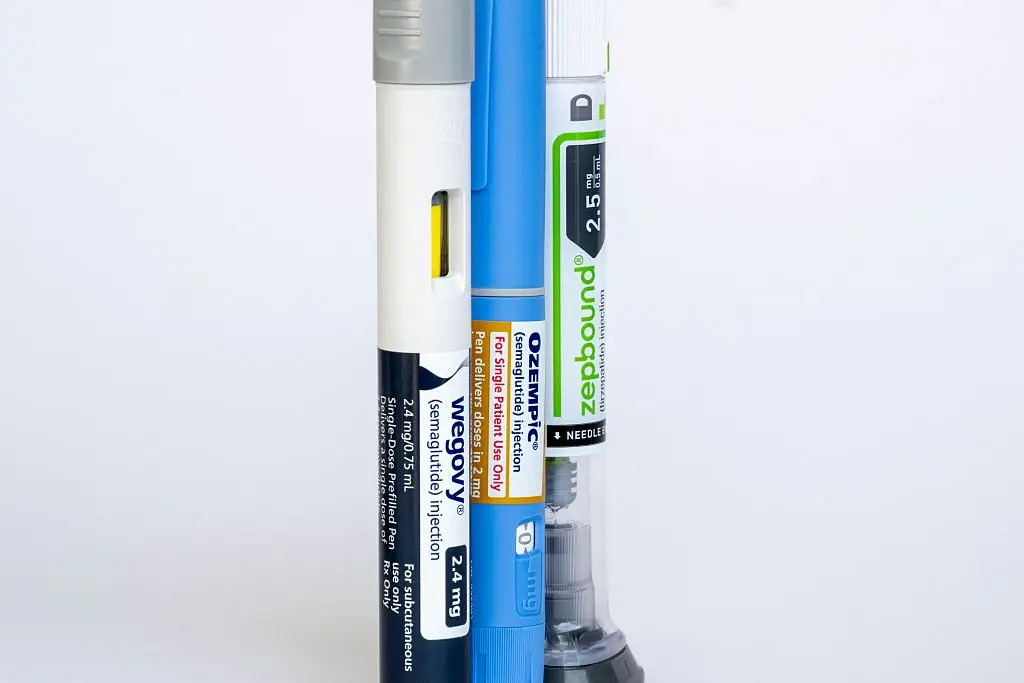
Pharmaceutical giants like Eli Lilly and Novo Nordisk are facing lawsuits from numerous GLP-1 users who have alleged that medications such as Ozempic and Wegovy have caused blindness.
Dozens of GLP-1 users are said to have filed suits after suffering sudden vision loss, which they believe stems from taking GLP-1 medications.
A series of the complaints refer to a condition called non-arteritic anterior ischemic optic neuropathy (NAION), which can cause permanent vision loss.
The American Academy of Ophthalmology describes this as 'the most common cause of acute optic nerve injury in individuals over 50 years old'.
Advert
It adds: "Despite its frequency, several aspects of this disease, including its pathogenesis and effective treatments, remain unknown or unproven."
Both Eli Lilly (which makes medications like Zepbound and Mounjaro) and Novo Nordisk (the manufacturers of Ozempic and Wegovy) are facing lawsuits, The Boston Globe reports. In the filings, plaintiffs allege that they've experienced blindness as a result of taking a GLP-1 medication.
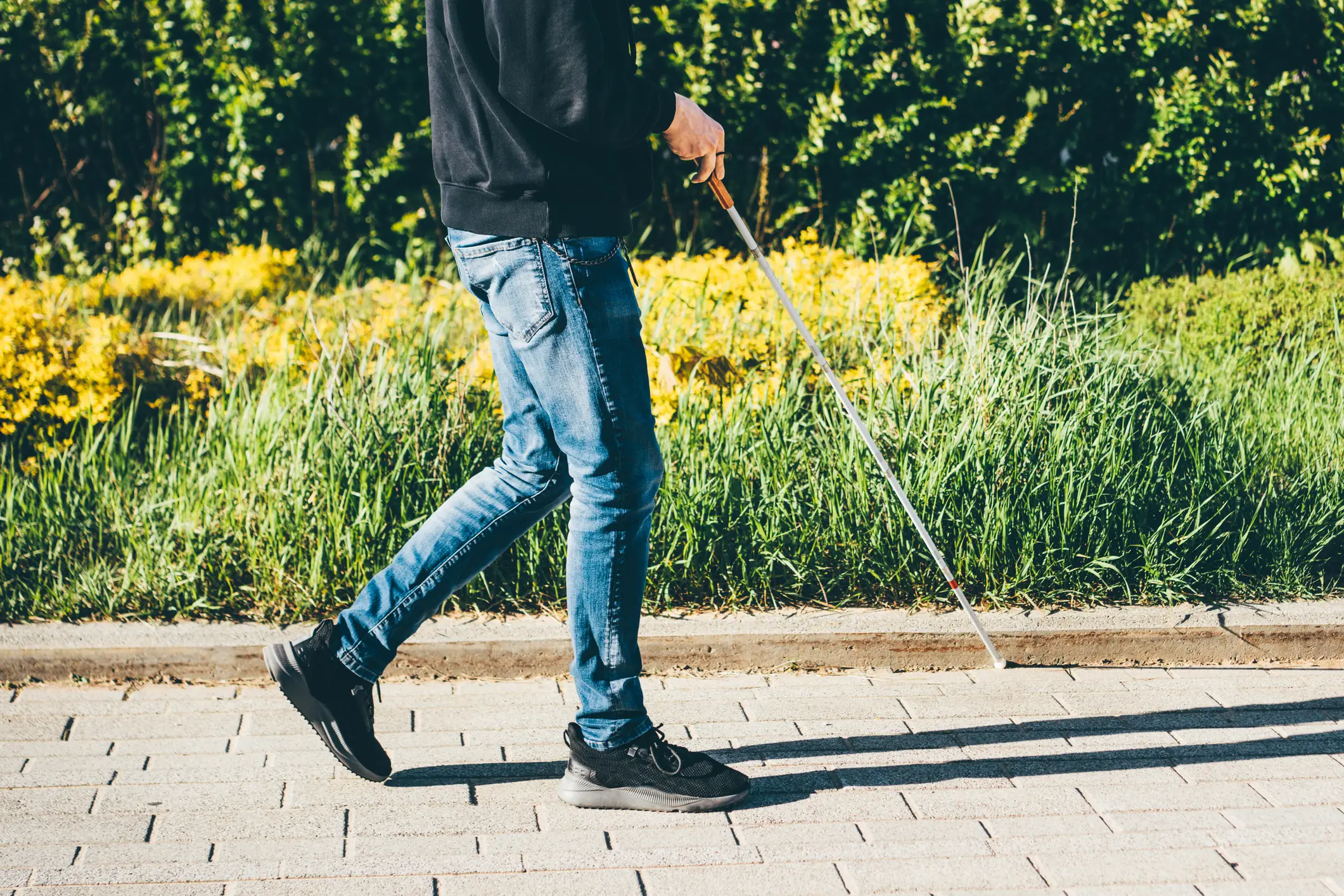
One person who believes that Ozempic caused him to become blind is 63-year-old Todd Engel from Maryland, US.
Engel was prescribed the medication to help him manage his diabetes in 2023 and four months later woke up to find he couldn't see out of one eye, USA Today reported. He went on to be diagnosed with NAION.
Engel continued to take the GLP-1 and ultimately lost sight in his other eye a year later. He's now legally blind.
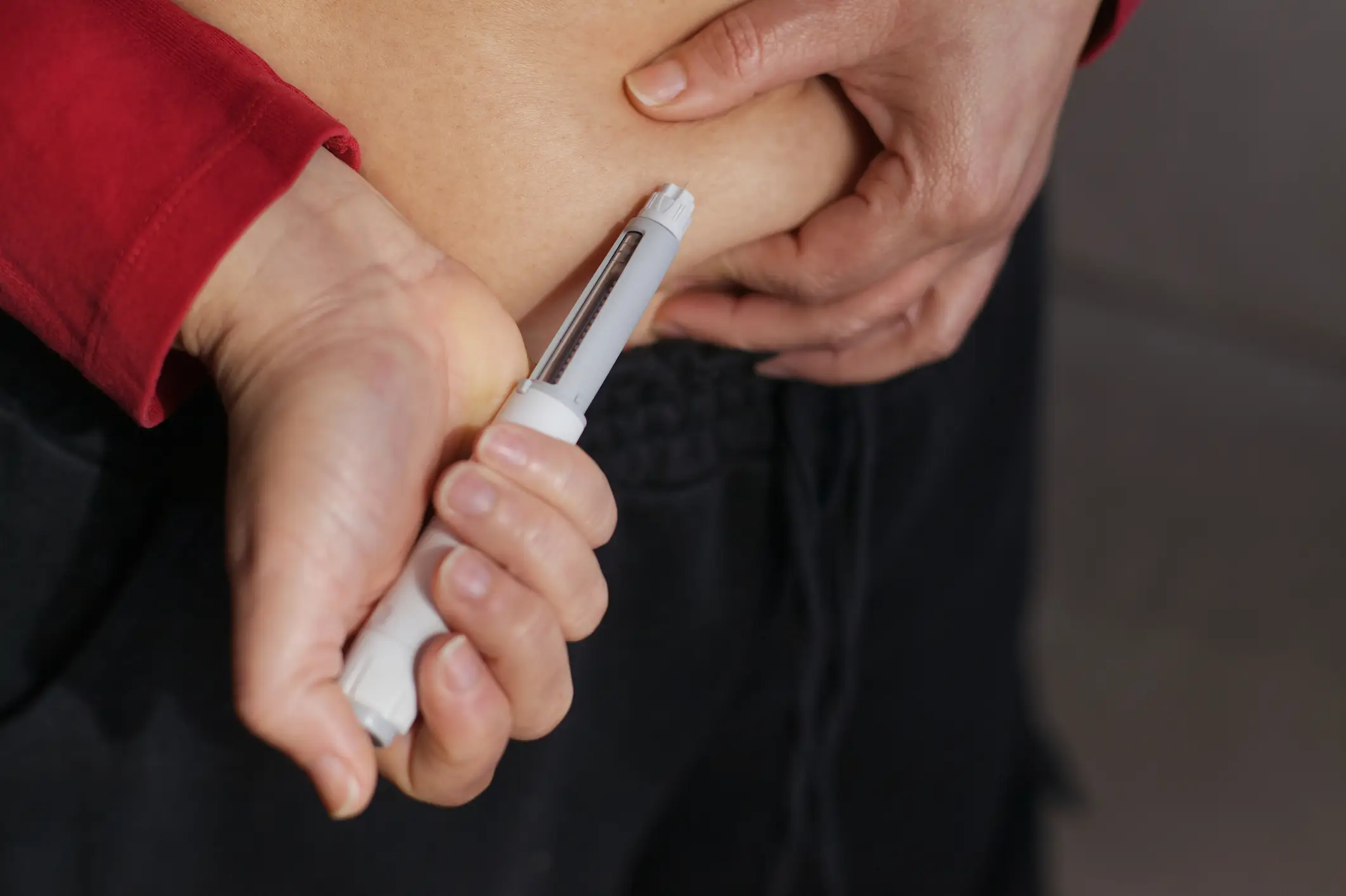
There has been research into the potential links between NAION and semaglutide and tirzepatide (which include popular drugs like Ozempic, Wegovy, Mounjaro and Zepbound).
A paper published last year concluded there was 'a modest increase in the risk of NAION among individuals with [type 2 diabetes] associated with semaglutide use, smaller than that previously reported, and warranting further investigation into the clinical implications of this association'.
Elsewhere, a 2024 study of around 17,000 patients with NAION over a six-year timespan found that around 600 of them had been taking semaglutide to treat type 2 diabetes or obesity.
It concluded that there was a 'higher risk of NAION for patients prescribed semaglutide'.
While there could well be a link between NAION on GLP-1 medications, it's said that it's still 'extremely rare' that someone using the drugs will become blind.
In fact, the American Academy of Ophthalmology and the North American Neuro-Ophthalmology Society said last year they 'do not support a blanket recommendation for all patients to immediately stop taking semaglutide if they develop NAION'.
They added: "A review of the available data has not established that semaglutide causes NAION, only a potential link between the two. The overall risk for NAION remains low, even among those on semaglutide."
Chintan Dave, who is an associate professor of pharmacy and epidemiology at Rutgers and headed a study on the matter which was published in July, said three or four people in every 10,000 taking a GLP-1 drug would likely develop NAION.
He added that NAION links could be outside of semaglutide usage.
A spokesperson for Eli Lilly told The Boston Globe: "Patient safety is Lilly’s top priority ... we will continue to review data, including any data regarding ophthalmic issues."
In a statement to UNILAD, a Novo Nordisk spokesperson said: "Novo believes the personal injury lawsuits filed in the U.S. are without merit and is vigorously defending them.
"Novo is aware of reports and epidemiological data concerning non-arteritic anterior ischaemic optic neuropathy (NAION) in patients treated with semaglutide. The available clinical, epidemiological and post-marketing data are being continuously assessed, and a causal relationship between semaglutide and NAION has not been established.
"Patient safety is a top priority for Novo and we take all reports of adverse events associated with our medicines very seriously, collaborating closely with health authorities and regulatory bodies worldwide."
UNILAD has also approached Eli Lilly for comment.
 Niamh Shackleton