
Scientists discover concerning new GLP-1 side effect that can have 'significant consequences'

Popular weight loss drugs including Mounjaro, Ozempic and Wegovy have been linked to an increased risk of hair loss, according to new research.
The so-called GLP-1 agonist drugs work by mimicking a natural hormone to regulate blood sugar and reduce appetite, and have exploded in popularity among people looking to shed pounds.
But researchers from the University of Pennsylvania Health System say a new study of around 50,000 people appears to support a growing number of reports linking the drugs to hair loss.
The team compared rates of alopecia in adults using GLP-1s to manage type 2 diabetes against those taking other diabetes medications, and found a notable difference between the groups.
Advert
For the study, researchers looked at patients using GLP-1 receptor agonists compared with those on SGLT-2 inhibitors or DPP-4 inhibitors, two other classes of diabetes drugs.
In total, 12,004 patients using GLP-1s were compared with 15,221 people using SGLT-2 inhibitors, while a further 11,964 GLP-1 users were compared with 11,233 people taking DPP-4 inhibitors.
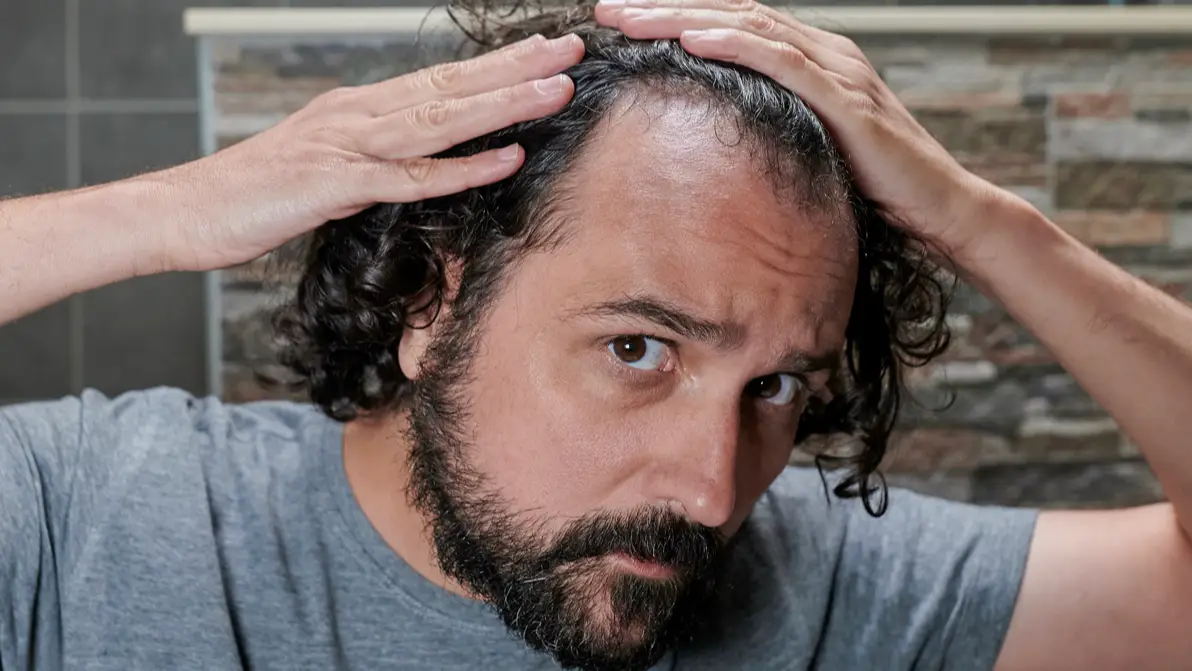
Why do GLP-1 drugs cause hair loss?
After adjusting for factors like age and weight, the researchers found that using GLP-1 drugs was associated with a 37 per cent higher risk of alopecia compared to SGLT-2 inhibitors, and a 68 per cent higher risk compared to DPP-4 inhibitors.
Writing in the British Medical Journal (BMJ), as reported by Sky News, the researchers pointed to prior case reports and data from the Food and Drug Administration's Adverse Event Reporting System that had already flagged hair loss following the start of GLP-1 treatment, "particularly semaglutide (Wegovy and Ozempic) and tirzepatide (Mounjaro)."
The FDA has said it is evaluating the potential safety signal.
The team said the "most likely mechanism" behind the hair loss is weight loss itself, rather than the drugs directly attacking hair follicles.
Rapid, significant weight loss and reduced calorie intake can place the body under physiological stress, and may lead to micronutrient deficiencies in iron, zinc and biotin, all of which can disrupt the natural hair growth cycle. The researchers said metabolic, hormonal and immune-related effects tied to GLP-1 drugs could also play a role in how hair follicles grow and cycle, though they stressed further research is needed to confirm the exact cause.
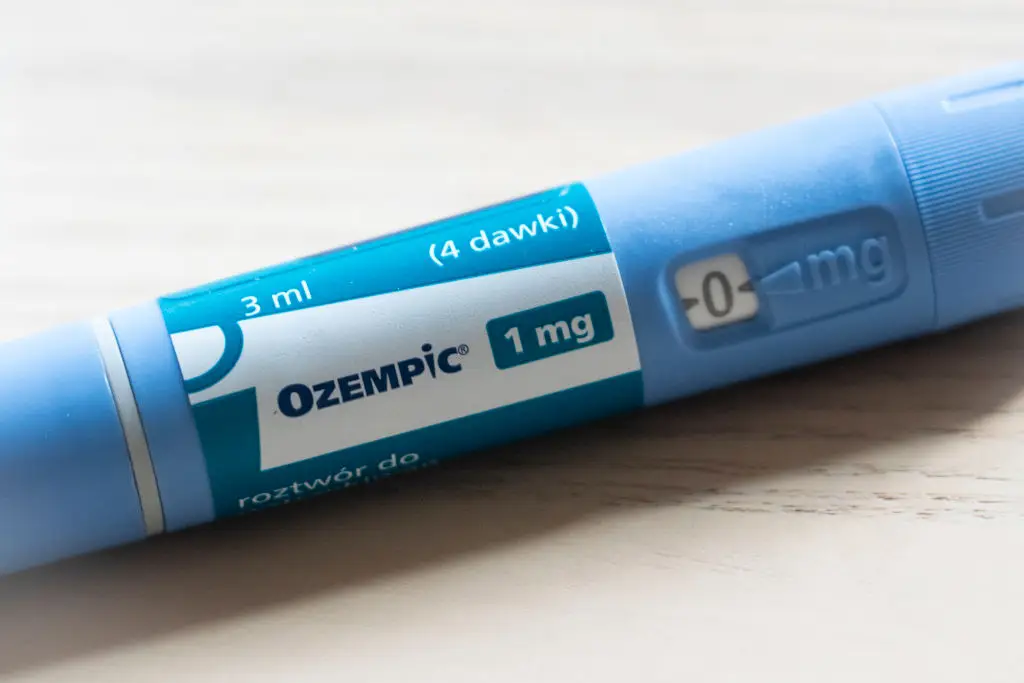
Is hair loss from Ozempic and Wegovy serious?
While hair loss is not typically linked to physical harm, the researchers were keen to stress it shouldn't be dismissed as a minor issue.
They wrote that it "may have significant psychosocial consequences, affecting self-esteem, quality of life, and adherence to treatment," meaning it could even lead some patients to stop taking medication they still need for diabetes management.
The findings add to a growing list of side effects under scrutiny as GLP-1 drugs continue to surge in popularity across the US, with millions of Americans now using them for both diabetes and weight management.
Novo Nordisk, maker of Ozempic and Wegovy, told UNILAD: "Patient safety is our priority. As with all medicines, treatments for chronic conditions can cause side effects that vary between individuals and should only be used under the supervision of a healthcare professional.
"Ozempic is not licensed for weight loss, and no evidence of hair loss was found in Novo Nordisk's type 2 diabetes clinical trials.
"Hair loss was reported in Wegovy trials and is listed as a side effect. Most cases were mild, non-serious, and resolved or improved during treatment. Hair loss was reported in 3% of Wegovy-treated adults compared with 1% receiving placebo, and investigators considered more than half the cases unlikely to be related to the medication.
Eli Lily, the makers of Mounjaro said the following: "Patient safety is Lilly’s top priority. We take any reports regarding patient safety extremely seriously and actively monitor, evaluate, and report safety information for all our medicines.
"The Mounjaro (tirzepatide) Patient Information Leaflet warns that hair loss is a common side effect in patients treated with Mounjaro for weight management. We encourage patients to consult their doctor or other healthcare professional regarding any side effects they may be experiencing and to ensure that they are getting genuine Lilly medicine."
Topics: Ozempic, Mounjaro, Weight loss
 Thomas Bamford