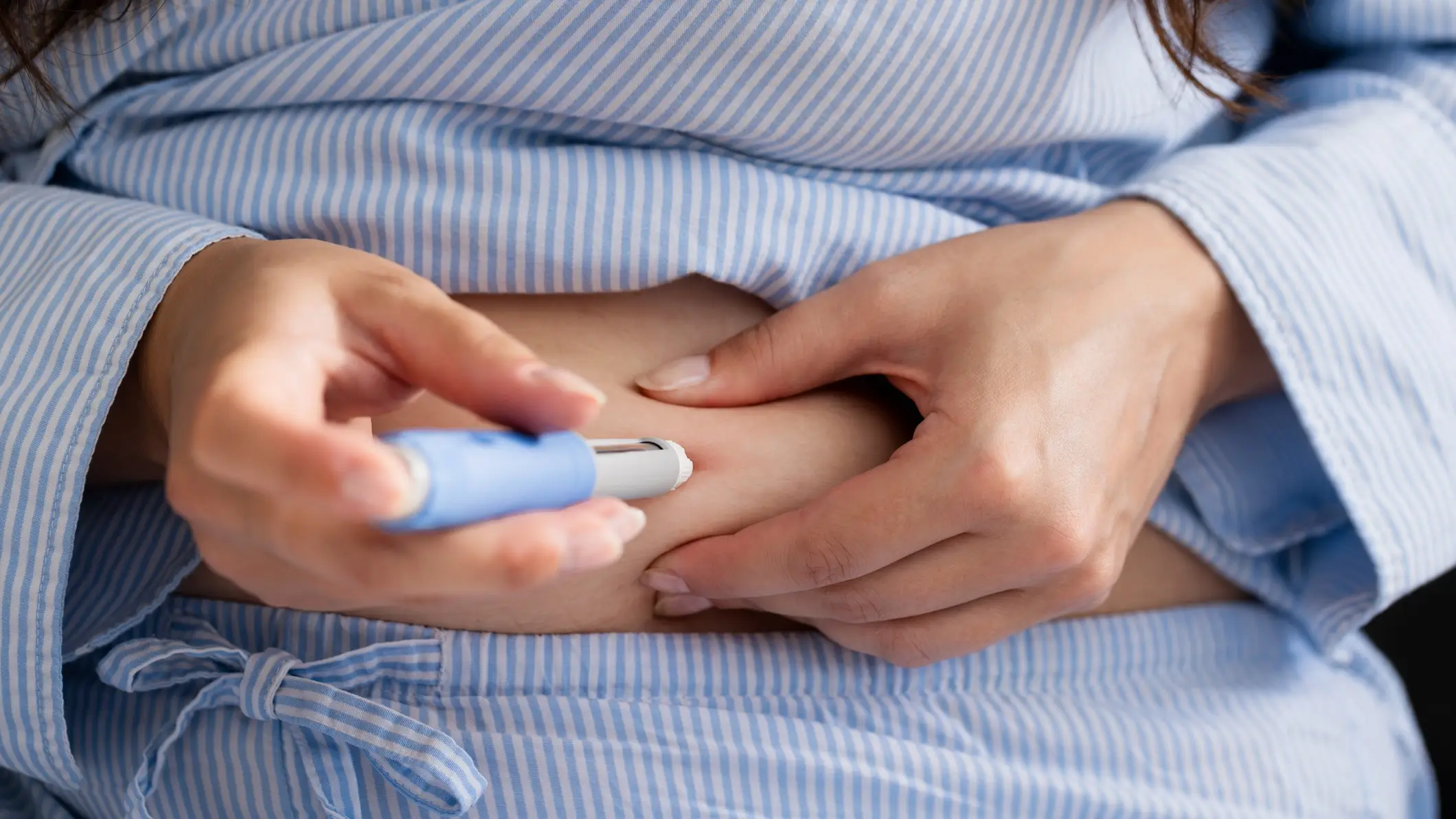
GLP-1 drugs dubbed ‘fountain of youth’ as doctors share surprising benefits beyond weight loss

Doctors are realizing some of the ways that GLP-1 medications can benefit the human body, and apparently, it's a lot more than weight loss and diabetes management.
Research is continuously looking into the drugs, which have increased in popularity over the past couple of years.
First marketed as a way to control blood sugar and appetite, the GLP-1 market has seen an increase in people who want to try it out for themselves.
Now, Gallup suggests between 10 to 15 million Americans are using the drugs, and with that, comes a lot of data from their experiences.
Advert
From heart health to prolonging your life, there are now nine different benefits GLP-1s may give users around the world.
According to Dr Harlan Krumholz, a cardiologist and professor at the Yale School of Medicine, GLP-1 drugs are 'generational breakthrough medications' that have 'profound benefits', per TODAY.
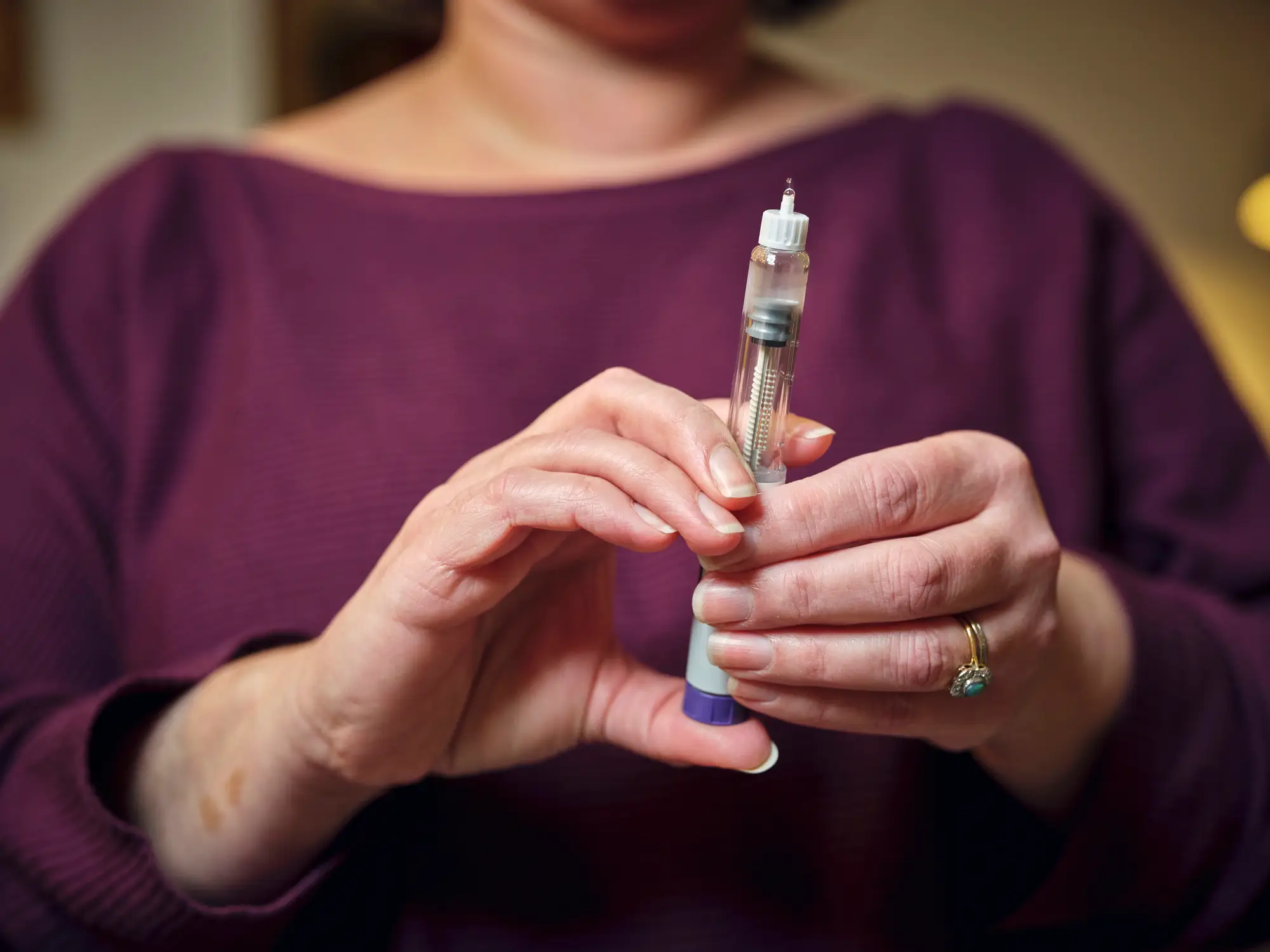
According to the National Library of Medicine, GLP-1 stands for glucagon-like peptide-1, which is a naturally occurring hormone that’s produced by the small intestine after a meal.
This hormone triggers the pancreas to release insulin, and in turn helps to regulate blood sugar, slow down stomach emptying and makes the brain think it's full.
Despite it being majorly celebrated for these abilities, it actually has been found to have the potential to do much more.
The expert went on to say GLP-1 meds fit the bill of being the 'fountain of youth', telling the outlet: “If it’s about reducing risk, if that’s what a fountain of youth is — I mean, it sort of is helping you live longer and better. I guess you’d have to say it is."
He added: “This thing somehow has such wide-ranging health benefits that it does seem to be turning back the clock in some ways.”
According to the University of California, Berkeley, semaglutide, the active ingredient behind Ozempic and Wegovy, helped mice live approximately100 days longer than usual after just three months of treatment.
That's an approximate 12 percent boost in lifespan.
However, the animals also saw improvements in their blood sugar levels, appearance, and also behavior.
Researchers said that while this is great, there's still a long way to go to figure out how this could translate to human longevity.
But according to Rafael de Cabo, a senior investigator at the National Institute on Aging, chronic disease is closely tied to the aging process, and if you extend life, then surely you'd be providing benefit to more areas around the body.
And he's correct.
Krumholz calls the meds the 'heart drug' because of the way it appears to reduce the risk of heart attacks and strokes in those with heart disease and obesity.
The FDA has even approved Mounjaro to lower the risk of major cardiovascular events in adults with Type 2 diabetes, according to the drug's manufacturer, Eli Lilly.
Wegovy, which is created by Ozempic's manufacturer, Novo Nordisk, is already FDA-approved to reduce the risk of heart attack and stroke in that particular group of people.
Thanks to its weight loss function and blood sugar regulation, it also works to reduce the risk by cutting down the amount of people who are obese or have insulin resistance.
Krumholz also says that tirzepatide, the active ingredient in Mounjaro, lowered systolic blood pressure by almost seven points, which he claims is better than current blood pressure medication.
And this is just the start.
Zepbound is the first FDA-approved medication for obstructive sleep apnea, which the Mayo Clinic describes as a condition which sees a person's upper airway collapse when asleep.

According to the FDA, by reducing weight, Zepbound improves obstructive sleep apnea.
Another thing GLP-1 is supposed to help is kidney disease thanks to its ability to reduce risk factors like high blood sugar, high blood pressure and excess weight.
Another organ which may see some improvement is the reduction of people's likelihood of developing a fatty liver.
In fact, Wegovy is FDA-approved to treat metabolic dysfunction-associated steatohepatitis (MASH) in adults with substantial fibrosis, or excessive scar tissue in the liver.
The risk of getting this fatty liver disease comes with obesity and Type 2 diabetes.
However, it's not just organs getting the benefits.
According to a 2026 study, GLP-1 use was associated with a 41 percent lower risk of developing obesity-related cancers, like breast, kidney, bowel, endometrial, pancreatic, thyroid, ovarian, esophageal, gastric, liver and gallbladder in those who took the drugs in a non-diabetic study.
Then there's things like asthma and COPD.
According to the European Respiratory Society Congress researchers, those with those types of diseases who took GLP-1s appeared to have fewer asthma attacks and fewer flare-ups of COPD.
“The effect was strongest with semaglutide,” said lead author Chloe Bloom, clinical associate professor in respiratory epidemiology at the National Heart & Lung Institute, Imperial College London, UK, in a statement.
“Especially in people with asthma, where use of semaglutide appears to be associated with nearly 40% reduction in asthma attacks. Semaglutide also led to a 20% reduction in COPD flare-ups.”
There's also some evidence to suggest that semaglutide may help curb alcohol addiction, help with fertility problems associated with polyendocrine metabolic ovarian syndrome (previously known as PCOS).
UNILAD reached out to Novo Nordisk and Eli Lilly for comment.
Topics: Weight loss, Ozempic, Mounjaro, Health, Science
 Britt Jones