
New research reveals futuristic side effect Ozempic could have and it's more than just weight loss

A drug already used by millions of Americans for weight loss appears to do something far bigger than shrink waistlines, it might actually extend how long you live.
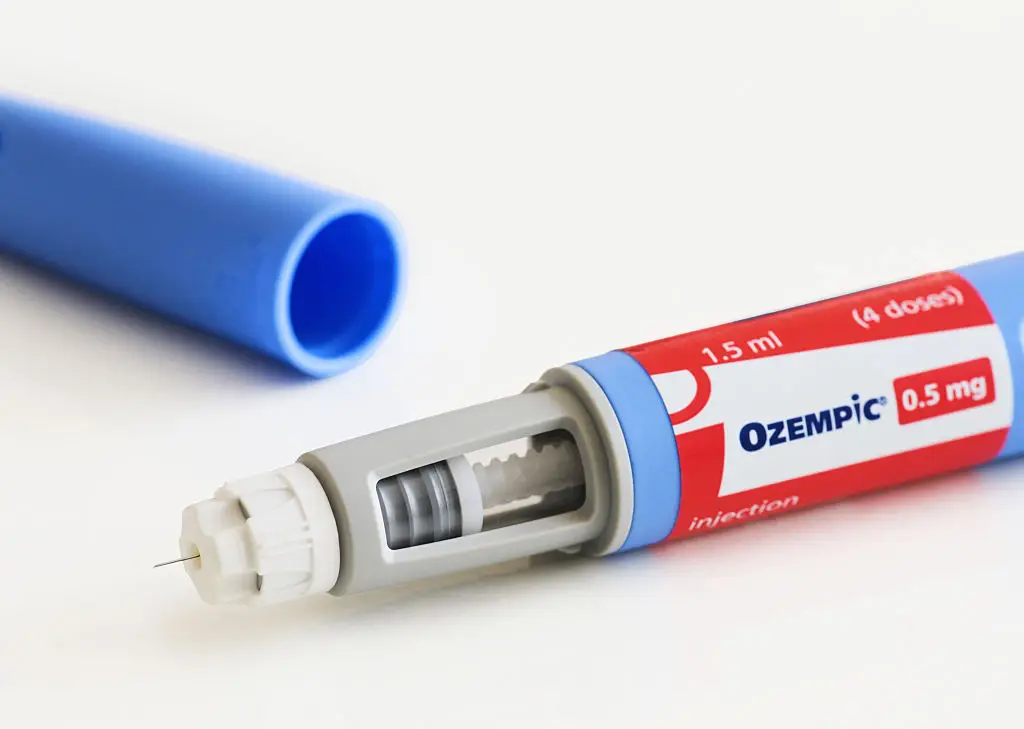
That's the takeaway from a new study out of the University of California, Berkeley, which found that semaglutide, the active ingredient behind blockbuster medications Ozempic and Wegovy, helped mice live roughly 100 days longer than usual after three months of treatment.
That works out to about a 12 percent boost in lifespan, alongside noticeable improvements in the animals' blood sugar levels, appearance and general behavior.
Researchers stressed the findings, published Wednesday, are still a long way from proving the same effect in humans.
Advert
But the implications have already caught the attention of aging specialists.
Why do GLP-1 drugs affect aging?
Semaglutide belongs to a class of medications known as GLP-1s, which work by mimicking a hormone that suppresses appetite.
It's long been known that cutting calories and keeping weight down can extend lifespan, so scientists wanted to rule out the possibility that the mice were simply living longer because they were eating less.
To test that, the Berkeley team ran a second experiment over five months, comparing mice given the drug against mice put on a strict low-calorie diet instead.
Both groups showed improvements in blood sugar regulation, appearance, behavior and lifespan, but the drug group came out ahead, particularly on memory and blood sugar control.
Danica Chen, one of the researchers behind the study, said the gap between the two groups suggests the drug isn't just working through weight loss alone.
'These differences point to the possibility that GLP-1 drugs tap into a biological pathway independent of calorie restriction,' she explained.
Chen added that if the results hold up in human trials, it could significantly expand who ends up taking the medications.
Rafael de Cabo, a senior investigator at the National Institute on Aging who wrote a commentary accompanying the study, pointed out that since chronic disease is closely tied to the aging process itself, a drug that slows aging down would naturally be expected to deliver a wide range of knock-on health benefits.
What other health benefits have GLP-1 drugs shown?
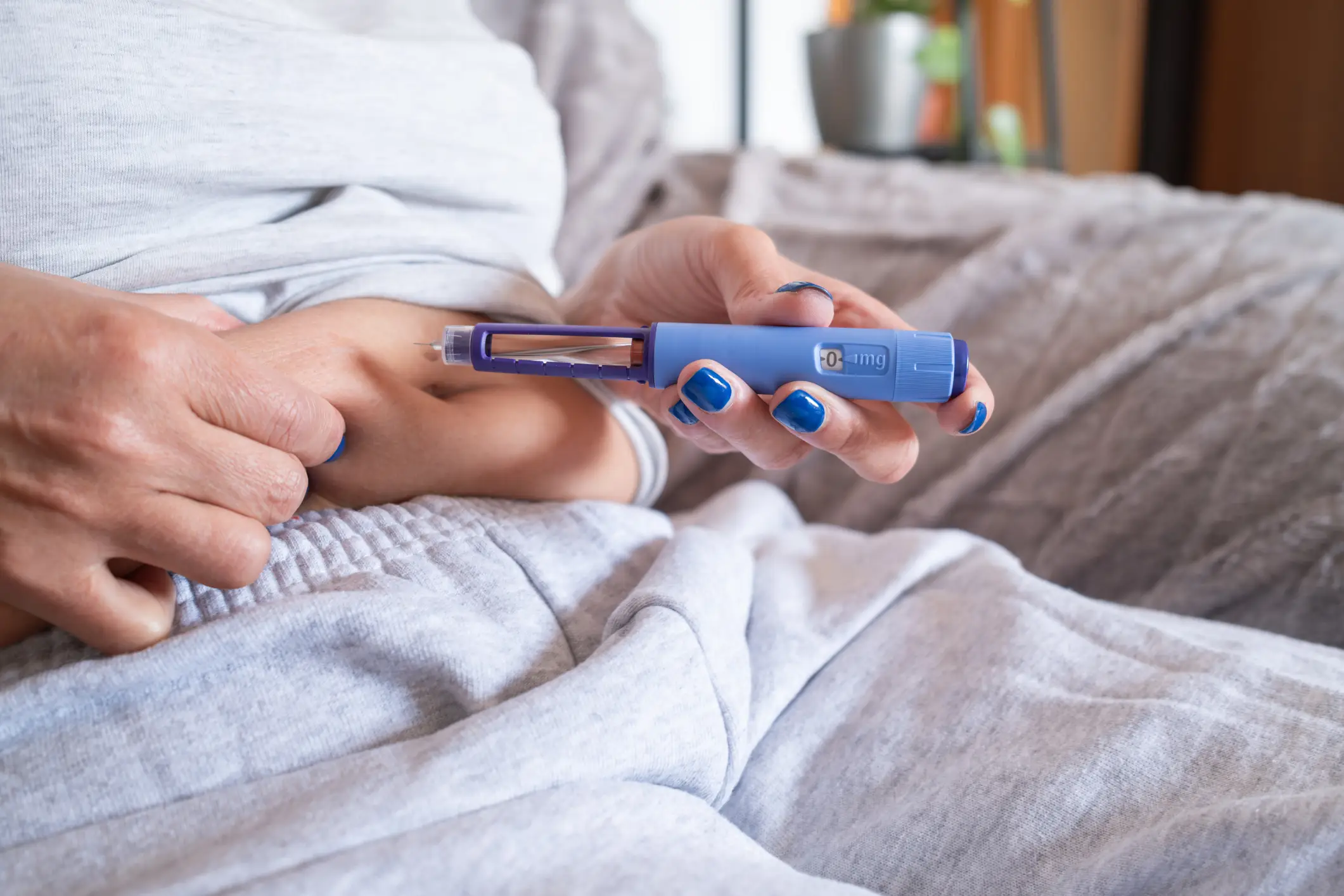
This isn't the first time GLP-1 medications have been linked to benefits beyond weight loss.
Separate research published earlier this year found the drugs may lower the risk of heart attack and improve liver health, while other studies over the past 12 months have pointed to possible anti-aging effects in both human and animal trials.
The drugs' medical uses are already expanding on the back of that research.
Just last week, Eli Lilly's diabetes drug Mounjaro, which is widely used off-label for weight loss, received FDA approval to reduce the risk of major cardiovascular events in adults with Type 2 diabetes.
Semaglutide and similar drugs remain officially approved only for weight loss and diabetes treatment, and experts say much more research, including human trials, will be needed before any anti-aging claims could be confirmed.
Novo Nordisk and Eli Lily have been approached for comment
Topics: Ozempic, Weight loss
 Thomas Bamford