
Why people might still overeat while taking Ozempic and how to fix it, according to experts

People might find that they're still overeating while taking Ozempic – and there's a few reasons why this might be the case.
Ozempic usage has been on the rise over the last few years, with roughly 12 percent of the American population currently using some sort of GLP-1 medication.
A lot of people have had brilliant results while using the drug (one example being Kathy Bates who has lost over 100 pounds over several years), but they seemingly don't work for everyone.
Bolt Pharmacy is one distributor of Ozempic in the UK and addressed the elephant in the room of why some people still overeat despite being on an appetite suppressant medication.
Advert
"Eating too much on Ozempic can occur despite the medication's appetite-suppressing effects, leaving some patients puzzled about their continued food intake," it says.
"Understanding why overeating persists and implementing evidence-based portion control strategies helps optimise treatment outcomes."
Psychological eating patterns
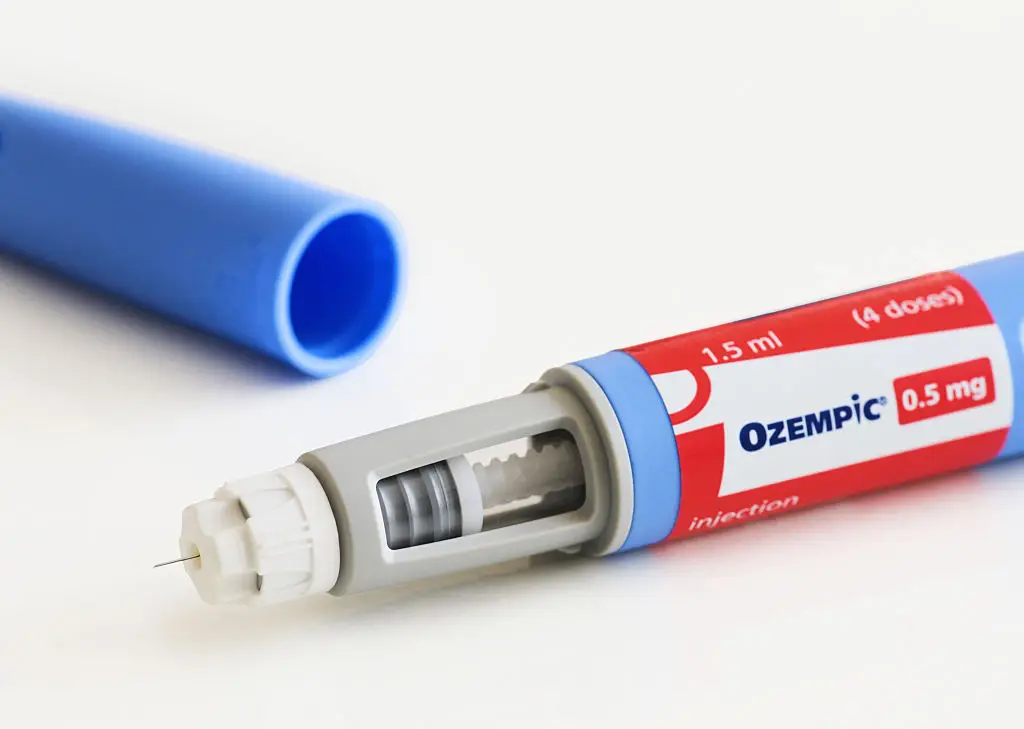
It's very likely you've heard of something called emotional eating, a lot of us are guilty of it (myself included). This is where somebody turns food for comfort during times of stress or sadness.
There are other elements that weigh into the psychology of eating and weight loss as well. Bolt explains: "Emotional eating, habitual patterns, and environmental cues may persist independently of the medication's physiological hunger suppression."
To fix this, the pharmacy advises people start a food diary, practice mindful eating, and reach out psychological support if needed.
Early titration phase

Sometimes people expect results immediately, but it takes time for GLP-1s like Ozempic to kick in.
"Full appetite suppression typically develops over 4–8 weeks; 0.25 mg is an initiation dose only, " says Bolt.
The advice regarding this is to be patient and to allow time for dose escalation. Bolt states that you should not adjust your dose without medical supervision.
Dr Emil Gadimali, founder of UK-based weight loss programme, CutKilo, echoed similar sentiments in UNILAD previously.
"It does take quite a bit," he told us earlier this year. "Just finding that therapeutic dose for someone is the task of the doctor, and finding the dose where you're actually losing weight and you're not having side effects. That's the kind of sweet spot where you want to be."
Food choices and eating speed
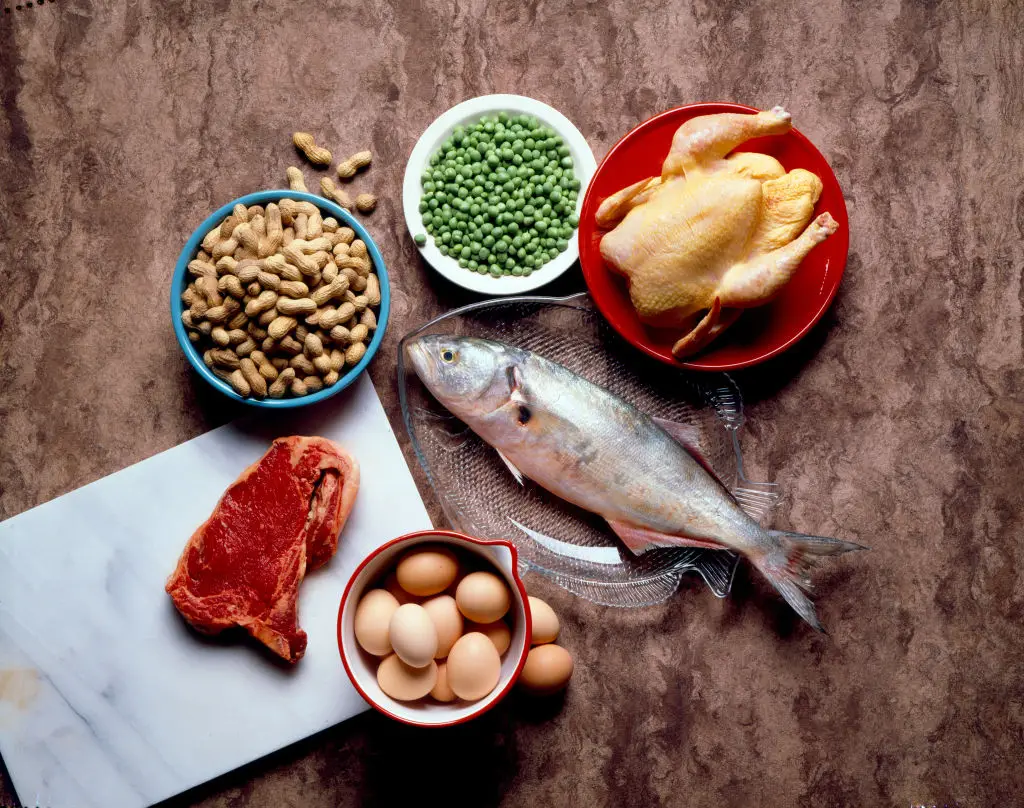
While it would be great to just eat pizza and lose weight, it's advised that people eat healthily while using Ozempic and other GLP-1s to get the full benefits of the drugs.
Wolfing down your meals isn't particularly helpful either.
"Optimize results by eating slowly, prioritising protein and fibre, using smaller plates, maintaining adequate hydration, and considering referral to a diabetes specialist dietitian," Bolt advises.
The pharmacy also says that people should prioritize lean protein, high-fibre vegetables, and low-GI complex carbohydrates such as whole grains and legumes.
Topics: Ozempic, Weight loss, Health
 Niamh Shackleton