Doctors explain why some develop 'Ozempic feet' after taking weight loss drugs

GLP-1s are ever-popular, but there’s something that happens to people’s feet that you might not have heard about before today.
GPL-1 drugs, such as Ozempic, are continuing to provide real-world results in people who want to lose weight, but without a hefty price tag.
The medications, which are approved to help those with type two diabetes lower their blood sugar levels, have been in the news often about some of the unknown side effects that people didn‘t expect to occur when taking them for weight loss.
Like with any new medication, everyone’s bodies react differently, but sometimes the reaction is a little different than expected.
Advert
For example, there have been talks of 'Ozempic breath’, ‘Ozempic butt’, ‘Ozempic face’, and so many others.
But now, there’s a new kid on the block, and it’s all to do with a person’s feet.

When it comes to GLP-1 effects, it’s known that it can cause gastrointestinal issues including nausea, vomiting, diarrhea, and constipation, which vary in severity depending on the person and medication dose.
So, what is it all about?
According to podiatrists, this latest ‘Ozempic feet’ is caused by losing fat tissue throughout the body, which also includes the padding on the actual foot.
Per the Optimum Podiatry, losing the fat in your feet happens naturally as you age, which is known as Fat Pad Atrophy.
Its website reveals: “With time, the padded insoles in footwear stop feeling comfortable. If you remove them from your shoes, you'll notice that they look flat and worn out once you've worn those shoes for a long period of time. Unfortunately, the natural padding in our feet goes through the same process--it just takes longer to happen.”
But when it comes to ‘Ozempic feet’, this process happens a lot faster as the medication helps the user to lose weight all over the body.
The company reveals it occurs when ‘your rapid weight loss has sped up the natural process of fat pad atrophy in your feet.’
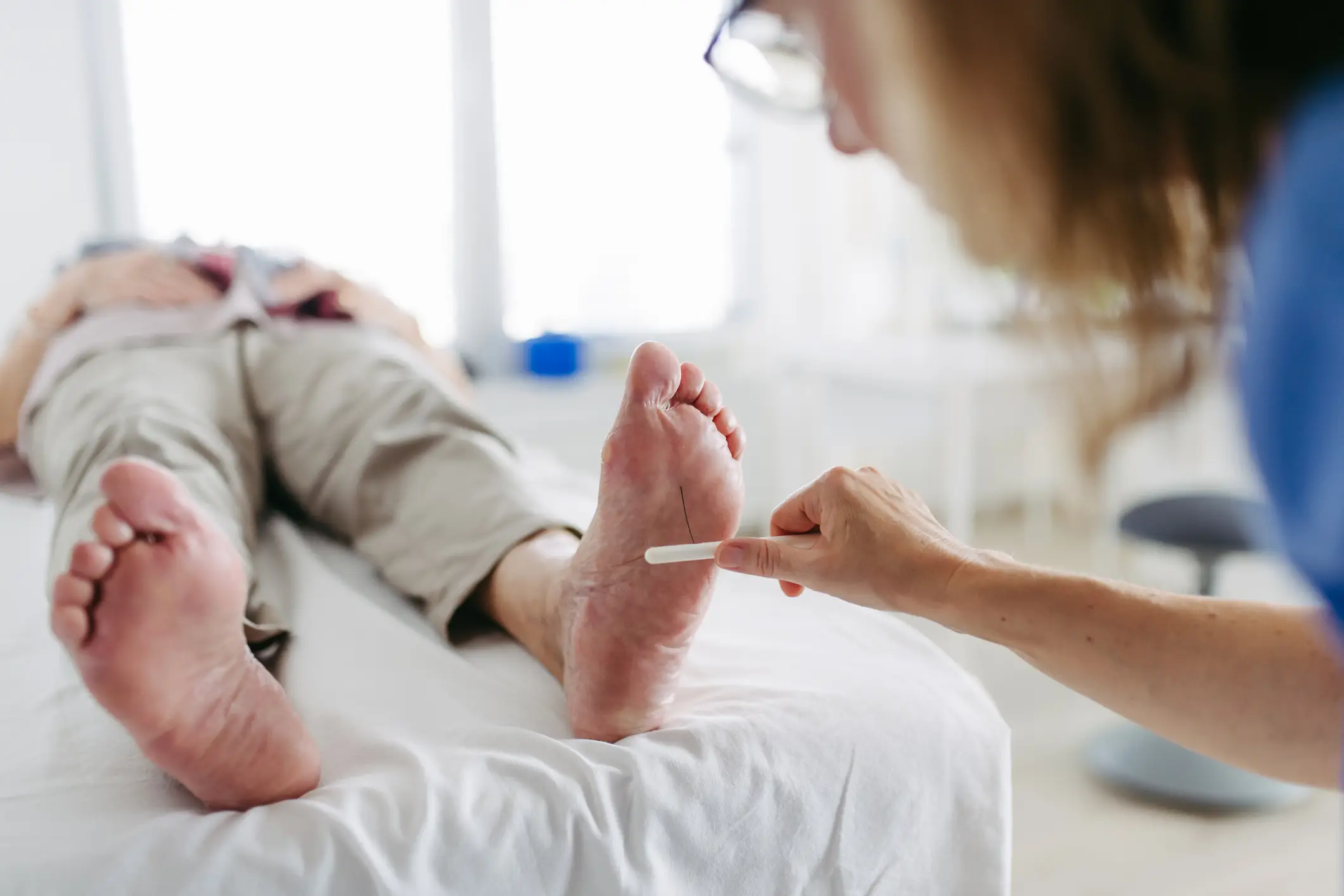
This can cause symptoms like corns or calluses, or it being too painful to walk barefoot on hard surfaces for too long as there isn’t a lot of padding to cushion the feet.
But it’s not just the fat loss that is noticeable, it’s the sagging too.
“If weight loss is too rapid, the skin doesn’t have time to adjust,” said Dr Claire Morrow, an orthopedic clinical specialist. “This can create loose or sagging skin on your feet, making it appear deflated.”
Speaking to KTLA5, Dr Dana Figura said it can even go as far as to decrease a person’s foot size.
She said: “Some patients have gone down a full shoe size, and some have gone from a wide foot to a regular or narrow foot. These aren’t vanity complaints.”
She explained that it can actually cause health problems, noting: “They’re functional problems that can lead to blisters, calluses, ulcers and, in patients with diabetes, much more serious wounds.”
To help with preventing the loss of fat pads, Optimum Podiatry suggests increasing your protein intake, strengthening foot muscles and also working on your strength and resistance training as ‘these moves will have a lower impact on your feet.
Its website added: “At the same time, they can help build up your muscles to reduce the impact of fat-pad loss and improve the appearance of the skin on your feet.”
A spokesperson for Novo Nordisk told UNILAD: "At Novo Nordisk we care deeply about patient safety. Like all medicines, treatments used for chronic conditions can have side effects, and these can vary from person to person. That is why medicines should be prescribed by, and used under the supervision of, a healthcare professional, who can consider the potential benefits and risks for each individual.
"We recommend that any patient experiencing side effects while taking GLP-1 RA medicines, including Wegovy®▼and Ozempic® (semaglutide injection), report them to their healthcare provider and via the MHRA Yellow Card scheme: https://yellowcard.mhra.gov.uk/."
Topics: Ozempic, Weight loss, Health
 Britt Jones