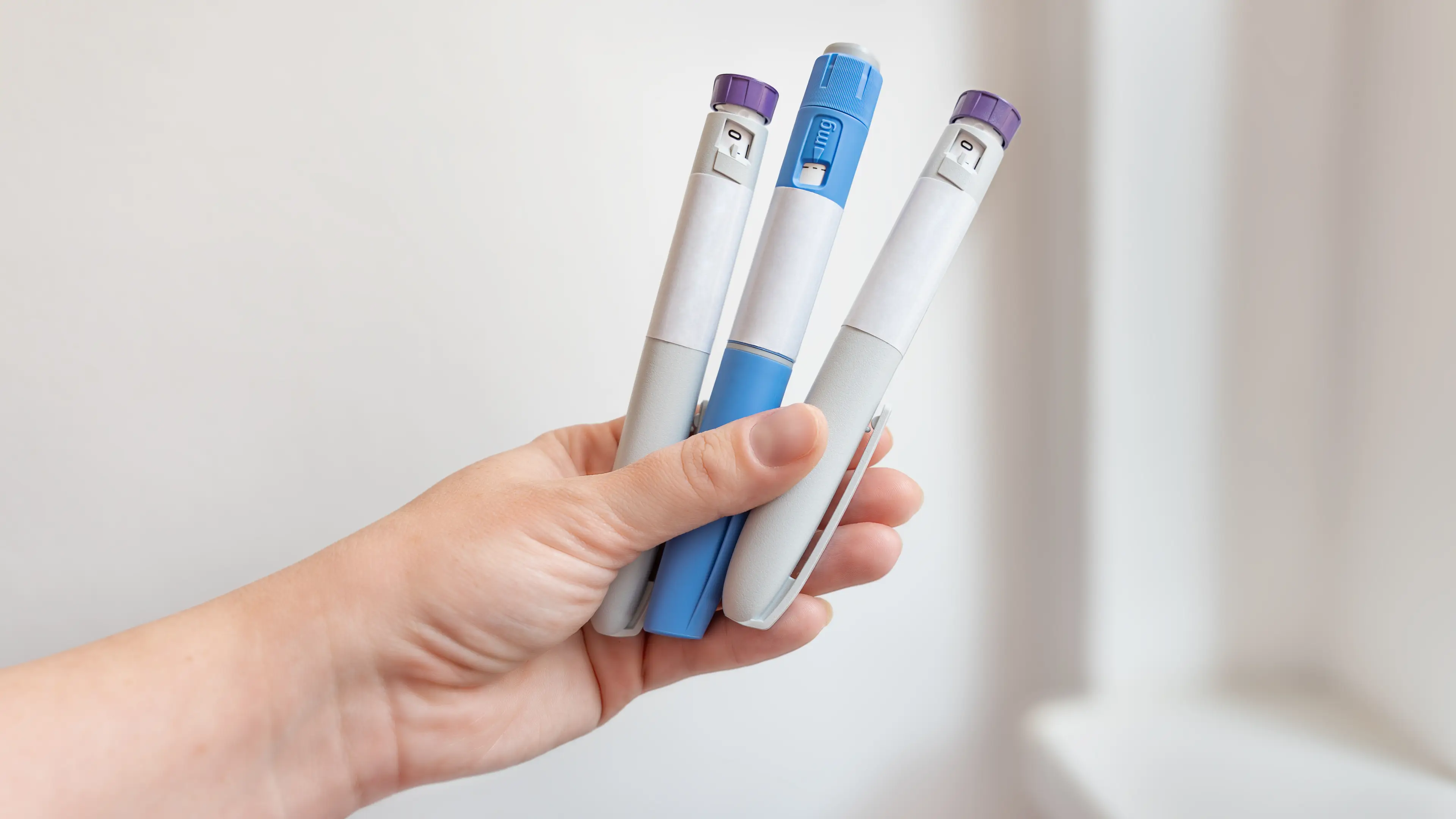
Doctor explains the dangers of children using GLP-1s as parents turn to weight loss drugs

A doctor has warned of the dangers of GLP-1 weight loss drugs being given to children as young as six as a way to prevent lifelong obesity.
According to data from the Centers for Disease Control and Prevention (CDC), elementary school aged children are being given GLP-1s— even though the drugs have not yet been approved to treat young patients.
Some doctors are prescribing GLP-1s off-label to young children in the hopes of staving off medical issues that are linked to obesity, such as high blood pressure and Type 2 diabetes, The Wall Street Journal reported.
These drugs are already approved to treat obesity in children as young as 12, but are now being tested in children as young as six. GLP-1s are also approved in the US for children 10 and older with Type 2 diabetes.
Advert
Now, a concerned doctor has warned of the dangers and says the medications should not be used cosmetically.
Dr Suzanne Wylie, GP and medical adviser for IQdoctor, told UNILAD: "As a GP, I think it is important to begin by saying that GLP-1 medications should not be viewed as cosmetic weight loss treatments for children, because they are powerful prescription medicines that have a legitimate role in managing obesity in carefully selected young people, but only under specialist medical supervision and as part of a much broader treatment plan rather than as a quick fix.
"There has understandably been growing public interest in these drugs because of their success in adults, but children are still growing physically, hormonally and emotionally, which means the decision to prescribe them requires much more careful consideration than it does in an adult.
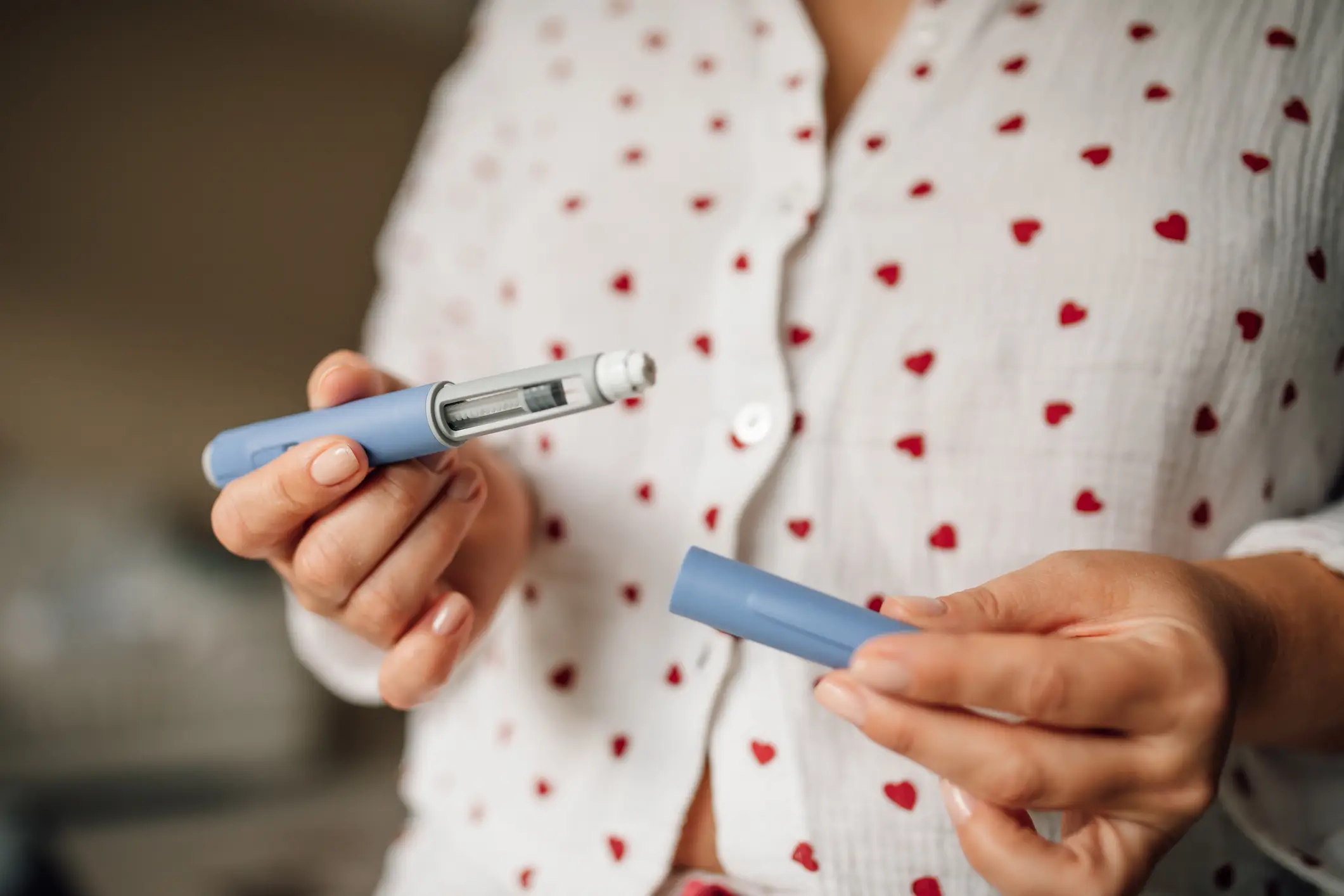
"One of the biggest concerns is that we simply do not yet have the same depth of long-term safety data in children that we have in adults, particularly when it comes to how these medications might affect growth, nutrition and development over many years," Dr Wylie continued.
"While studies have shown that GLP-1 medications can be effective in reducing weight in adolescents with obesity, there are still unanswered questions about what prolonged treatment during childhood might mean, which is why these medicines should never be used casually or without specialist oversight."
About 21 percent of US children between the ages of two and 19 have obesity, according to the CDC's data.
Dr Wylie also warns that children are continuing to grow and so, if they are eating less as a result of the drugs, there is a risk of them missing out in essential protein, vitamins and minerals.
She says: "Another issue is that children have much higher nutritional requirements than adults because they are building bone, muscle and other tissues throughout adolescence, and these medications work by reducing appetite and slowing stomach emptying.
"If a young person is eating significantly less without careful dietary support, there is a genuine risk that they may not consume enough protein, vitamins and minerals to support healthy growth, which is why dieticians form such an important part of any specialist obesity service looking after these patients."
The doctor claims side effects may hit young children harder than adults and from a psychological perspective, she warns children could absorb a risky message that medication is the answer to everything.
"There are also the more familiar side effects that we see in adults, including nausea, vomiting, abdominal pain, constipation and diarrhoea, all of which can be particularly difficult for younger patients to tolerate," the doctor explains.
"In some cases these side effects can become severe enough to affect hydration, school attendance and overall quality of life, while rarer complications, such as gallbladder disease or pancreatitis, although uncommon, remain important risks that need to be discussed before treatment begins.
"From a psychological perspective, it is equally important that we do not send the message that medication is the answer to every weight concern during childhood, because many young people are already vulnerable to low self-esteem, bullying and poor body image. If medicines are introduced without addressing emotional wellbeing, eating behaviors, physical activity, family habits and the wider social factors contributing to obesity, then we risk treating only one part of a much more complex condition. Children need support that helps them develop healthy lifelong habits rather than relying solely on medication."
Dr Wylie points to practices in the UK where medication is usually reserved for extreme cases.
She adds: "It is also worth remembering that not every child who is overweight requires drug treatment.
"In UK practice, medication is generally reserved for young people with significant obesity who are at risk of developing serious health complications and who have been assessed by specialist multidisciplinary teams. That assessment looks beyond a child's weight alone and considers their overall health, medical history, psychological wellbeing and family circumstances before deciding whether the potential benefits outweigh the risks.
"Ultimately, these medications do have an important place in modern obesity treatment for carefully selected young people, and for some families they can genuinely be life-changing by reducing the risk of conditions such as type 2 diabetes, high blood pressure and fatty liver disease. However, they should never be seen as an easy solution or something that parents should seek independently through unregulated sources, because the safest and most effective use of GLP-1 medicines in children comes through specialist medical care, ongoing monitoring and comprehensive lifestyle support, with the aim of improving a child's long-term health rather than simply reducing the number on the scales."
Topics: Weight loss, Health
 Louisa Gregson