Doctor explains the dangers of using GLP-1s during a heatwave and how to stay safe

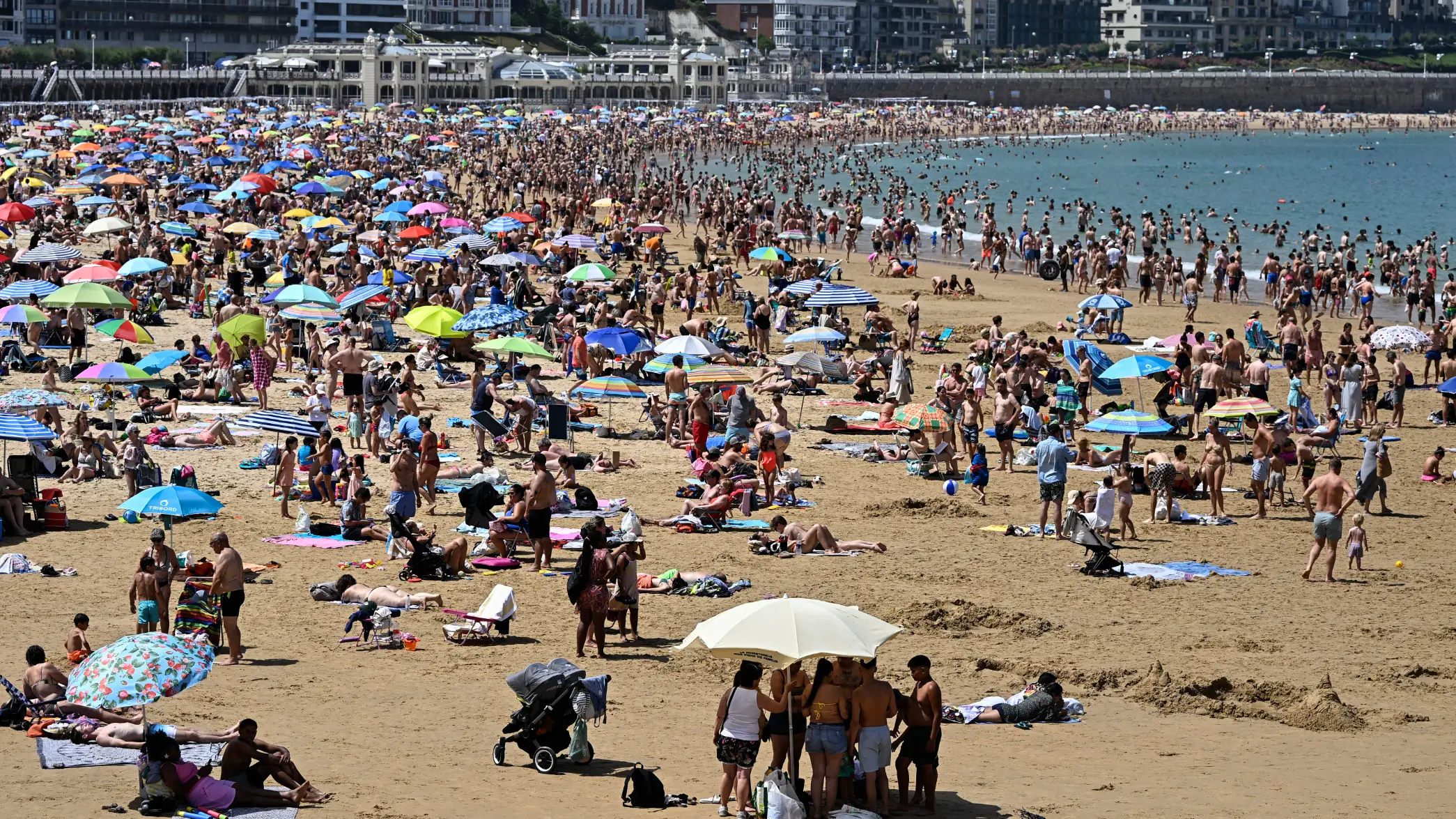
The temperature is rising as well as GPL-1 drugs, with heatwaves across the globe. But is it safe to use the medication during the extreme temperatures?
There's a heatwave across Europe right now, with the UK's Met Office have issued an extreme high temperature warning.
There's also high temperatures around the States, with soccer players at the World Cup being granted extra breaks for hydration.
GPL-1 drugs including Ozempic and Mounjaro are drugs intended to be used by people with type two diabetes to help lower their blood sugar levels, although many have adopted it to aid weight loss.
Advert
During extreme heat, all citizens are told to make sure they're drinking enough water, which is highlighted for those on the medication, due to their reduced food intake, which can sometimes affect fluid intake.
Dr Donald Grant, GP and Senior Clinical Advisor at The Independent Pharmacy, has told UNILAD exactly what GPL-1 users should be doing, and looking out for during the heatwave, 'to maintain wellbeing and ensure the treatment remains safe and effective.'
'Storage is crucial'
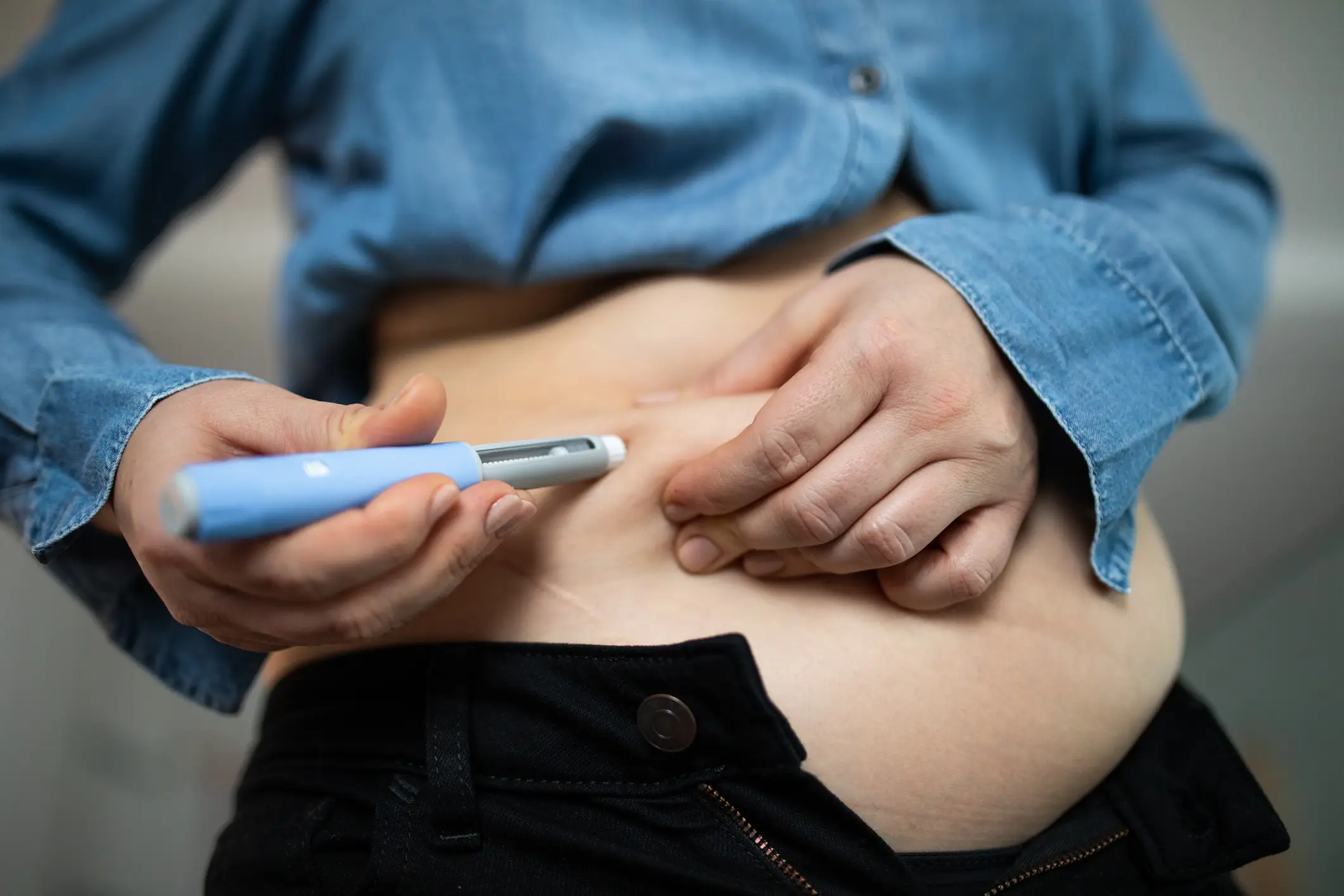
The first point Dr Grant makes, is that those taking GPL-1 medications should make sure they're in the correct temperatures, especially during the heat.
"They should be stored in a refrigerator (2°C to 8°C/ 35.6°F to 46.4°F), but can also be left unrefrigerated (so long as the temperature is not above 30°C/ 86°F) for up to 30 days. During this week’s hot weather, it’s sensible to keep your pen in the fridge whenever possible, particularly if your home becomes very warm. This helps ensure that it stays within the recommended storage conditions and remains effective," he says.
Hydration
Staying hydrated is key for everyone in this weather, of course, but those on GPL-1 drugs need to take more care, doctors say. This is because users of the drugs 'significantly reduce food intake and, in some patients, affect fluid intake.' Aside from this, one of the main side effects are gastrointestinal side effects, which include 'diarrhoea, nausea and vomiting, which can lead to fluid loss and dehydration.'
Signs of dehydration to look out for include 'dizziness, fatigue, extreme thirst, dark yellow urine and headaches'.
"If symptoms worsen or don’t improve, I recommend seeking urgent medical attention for more tailored advice," Dr Grant advises.
"Regularly replenishing fluids with substantial amounts of water is crucial for maintaining wellbeing and reducing the risk of heat-related illnesses, such as heatstroke," he adds.
Alcohol intake
Aside from this, Dr Grant also advises that users of the GPL-1 drugs are 'mindful of alcohol intake' in the warmer weather.
He goes on to explain that this is due to the fact that the consumption can affect blood sugar. Not only that, but because alcohol is a 'significant source of calories,' Dr Grant warns: "excessive drinking could limit progress and may also increase the intensity of side effects such as nausea, while accelerating the rate of dehydration."
All in all, the doctor says that patients should be sure to follow the instructions of their medication all year round, but especially during summer.
As always, if patients have any health concerns, they should speak with their doctor.
Topics: Ozempic, Mounjaro, Weight loss
 Kiesha Dosanjh