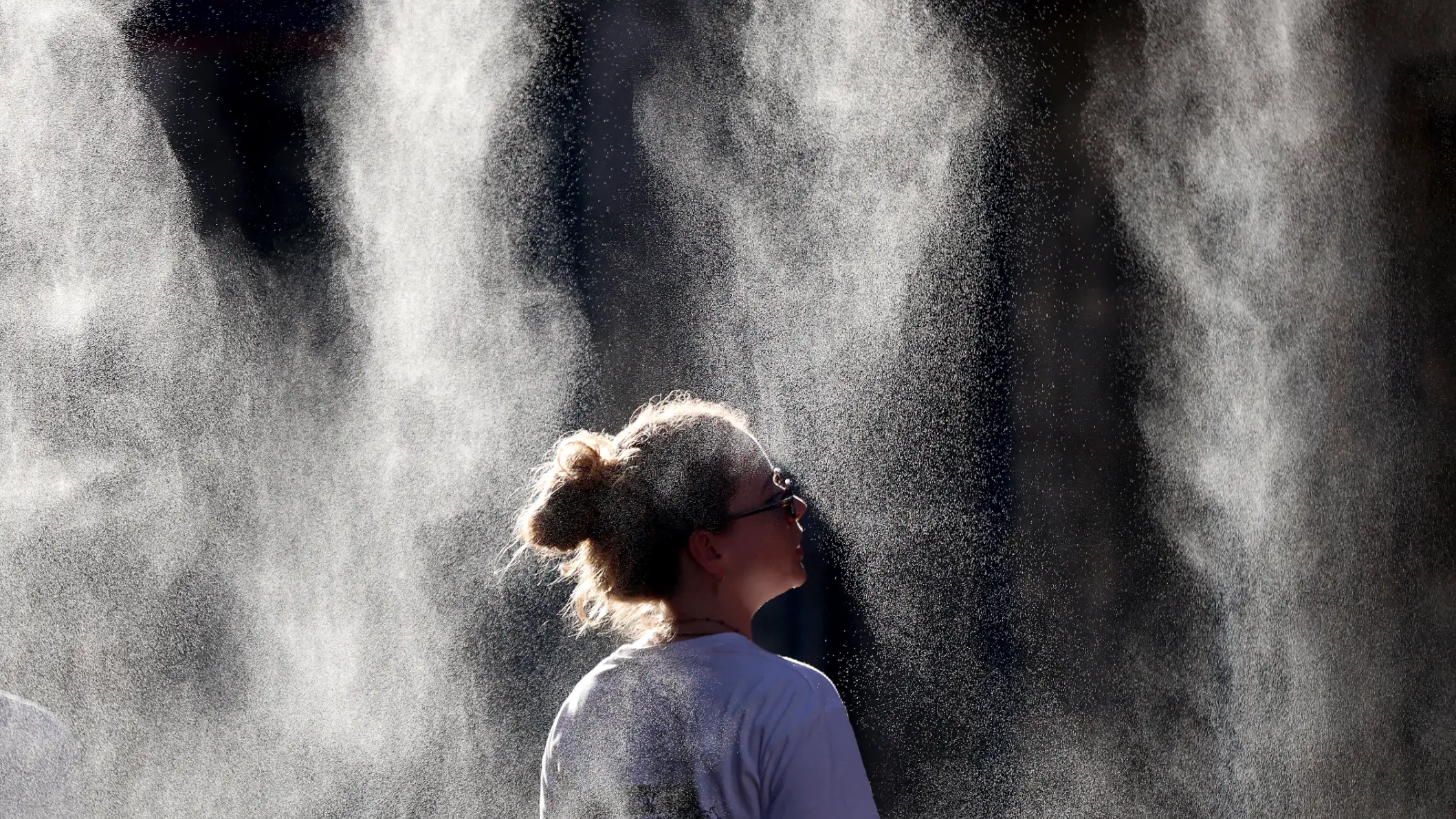
How to stay safe in a heatwave as weather warnings issued across Europe over record-breaking temperatures

Europeans are certainly feeling the brunt of a hot summer right now, with temperatures set to exceed 100 °F in some parts of the continent.
Average temperatures across mainland France could reach their hottest ever on Monday, with levels forecasted to reach between 99°F and 108°F.
Three people have even died in the country because of extreme heat, while thousands of schools have been closed, while others are implementing reduced timetables to ensure the safety of children during these roasting temperatures.
"We’re heading for, at the very least, several days of very, very hot weather. We don’t know when temperatures will start falling," Health Minister Stephanie Rist said on TF1.
Advert
Over the channel in the UK, the Met Office says a four-day heatwave is on the horizon, as temperatures could exceed the June record in the coming days.
With much of Europe baking right now, it's important to be aware of how to stay safe during the hot weather, particularly for the most vulnerable.
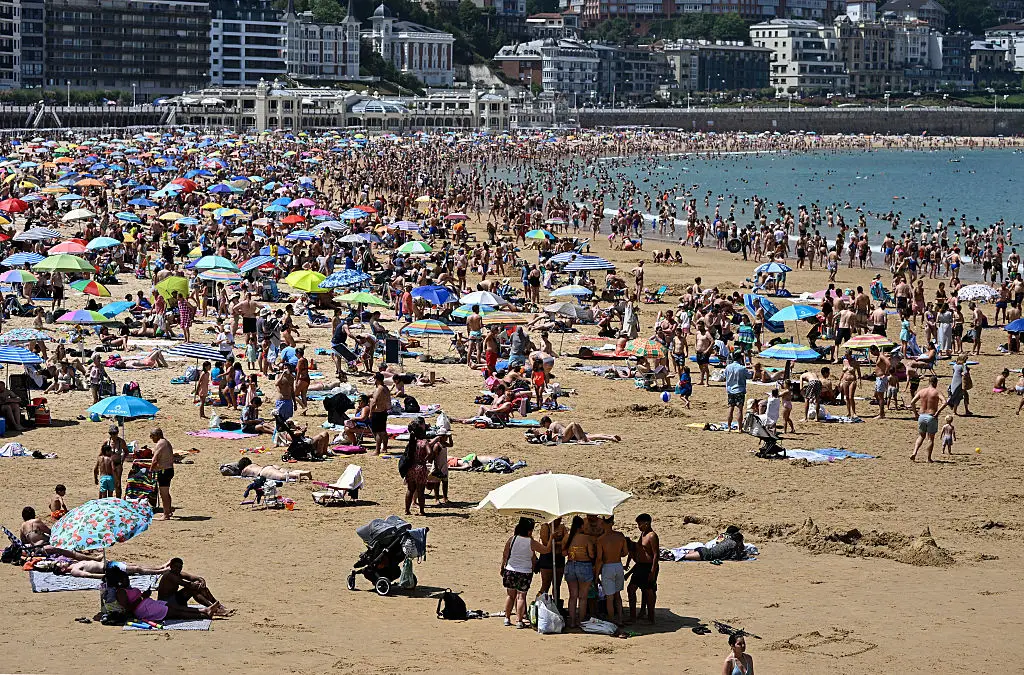
The NHS explains: "Many of us welcome hot weather, but when it's too hot, there are health risks. During heatwaves, more people than usual get seriously ill or die. When hot weather hits, make sure it does not harm you or anyone you know."
The health site explains how there are three main risks posed from a heatwave, which are: dehydration, overheating, plus heat exhaustion and heatstroke.
How to stay safe in a heatwave
It'a advised for you to stay out of the heat if you can, but if you have to go outside, the NHS suggests to stay in the shade, especially between the hours of 11am and 3pm when the sun is at its hottest.
It's also advised people 'wear sunscreen, a hat and light clothes, and avoid exercise or activity that makes you hotter'.
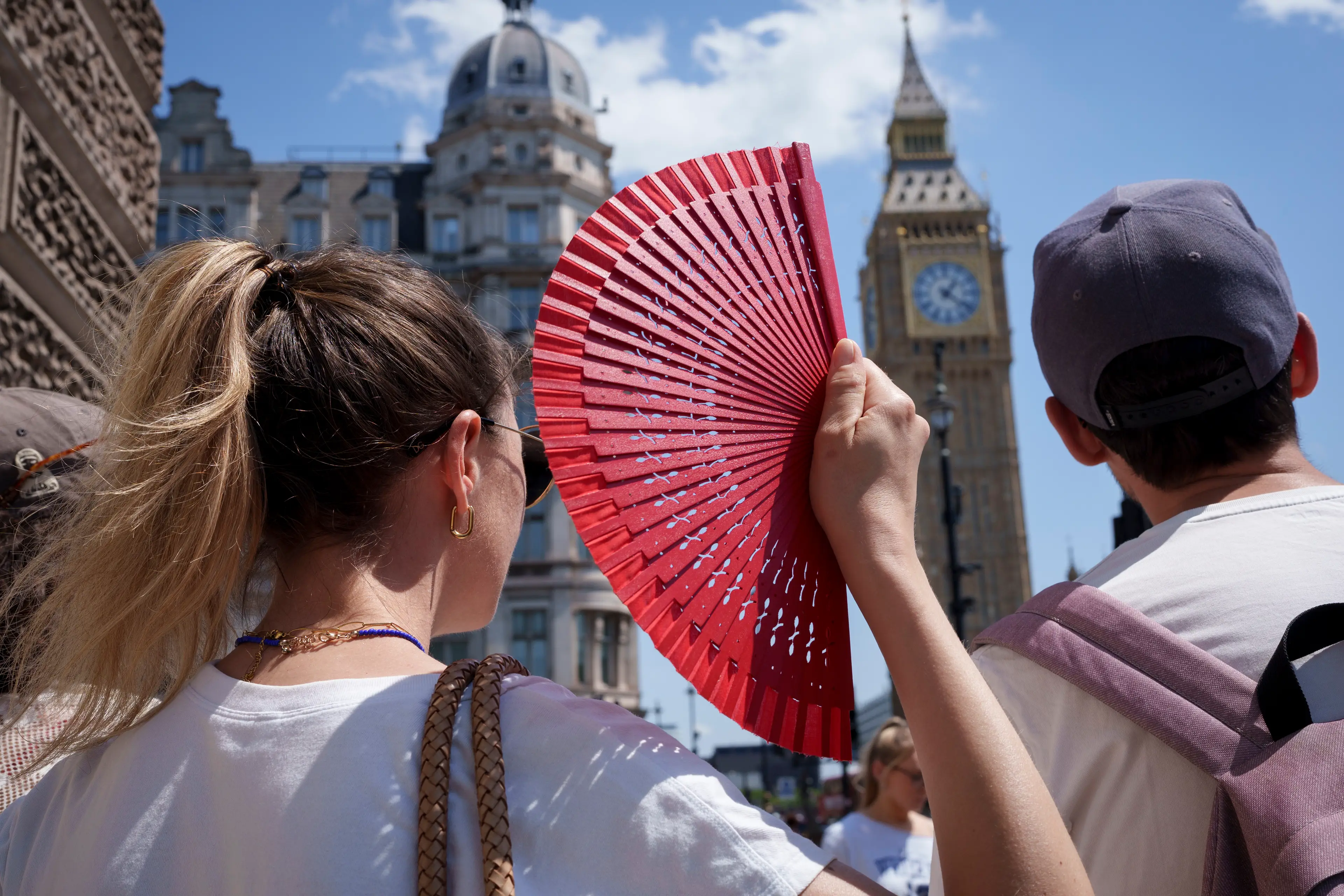
The NHS adds: "Cool yourself down. Have cold food and regular cold drinks. Drink extra fluids but avoid alcohol, caffeine and hot drinks, and have a cool shower or put cool water on your skin or clothes.
"Keep your living space cool. Close windows, curtains and blinds during the day and open them at night when the temperature outside has gone down. Electric fans can help if the temperature is below 35 degrees.
"Check the temperature of rooms, especially where people at higher risk live and sleep, and make sure to check on anyone who is at higher risk from the heat."
While a heatwave can impact anyone, those over the age of 65, babies and young children under the age of five, plus those with underlying health issues are most at risk.
 Callum Jones