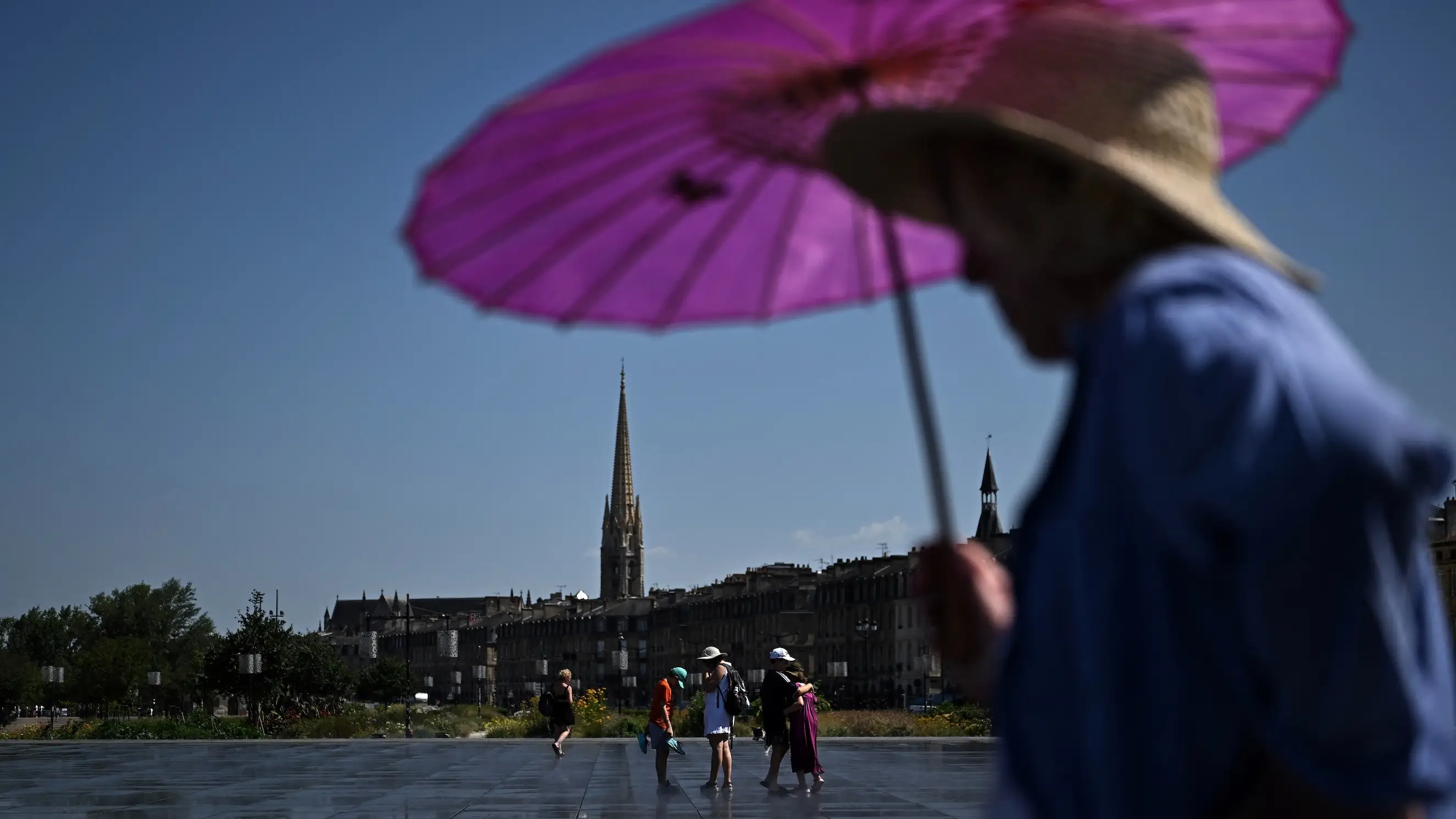
‘Omega’ heatwave explained as Europe battles record temperatures and rising death toll

As Europe endures record-breaking temperatures this week, experts have explained the phenomenon of the 'omega heatwave', with several governments issuing red weather warnings indicating a 'risk to life'.
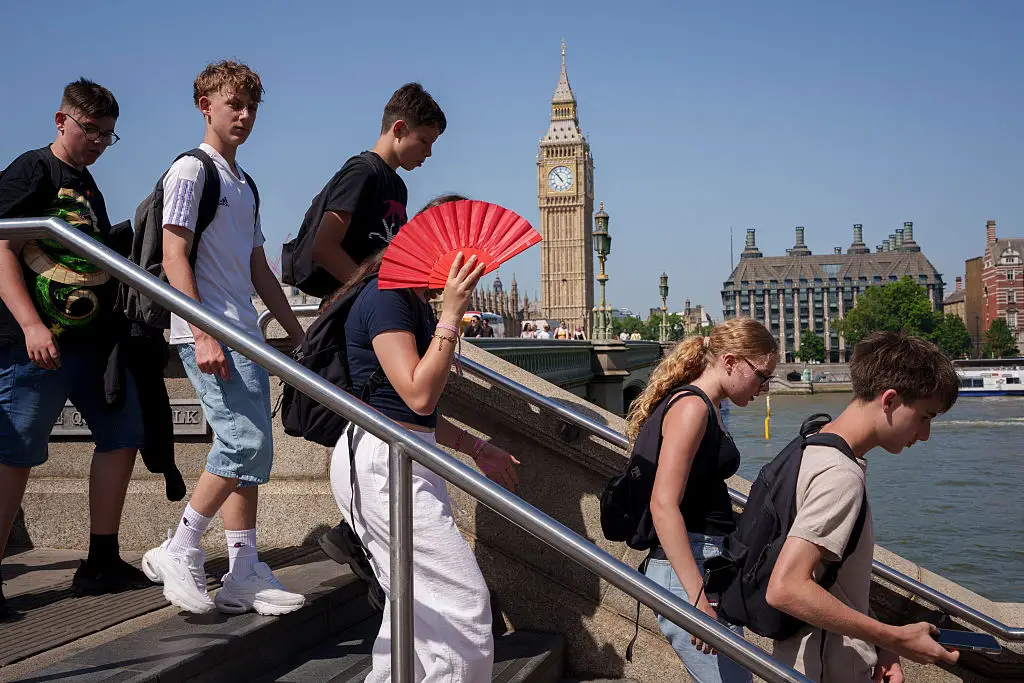
Temperatures across the west of Europe have soared well into the 30s and 40s (90s to over 110°F) in many regions this week.
The extreme heat has claimed dozens of lives, forced thousands of schools to close, and brought many public services to a standstill.
And climate activist Greta Thunberg has warned that it's 'just the beginning'.
Advert
Speaking to the Metro, Thunberg said: "This is what experts have been warning about for decades.
"We know that the climate crisis is here and now, and not a faraway threat in the future, and those suffering the most are the ones who have contributed the least to cause it."
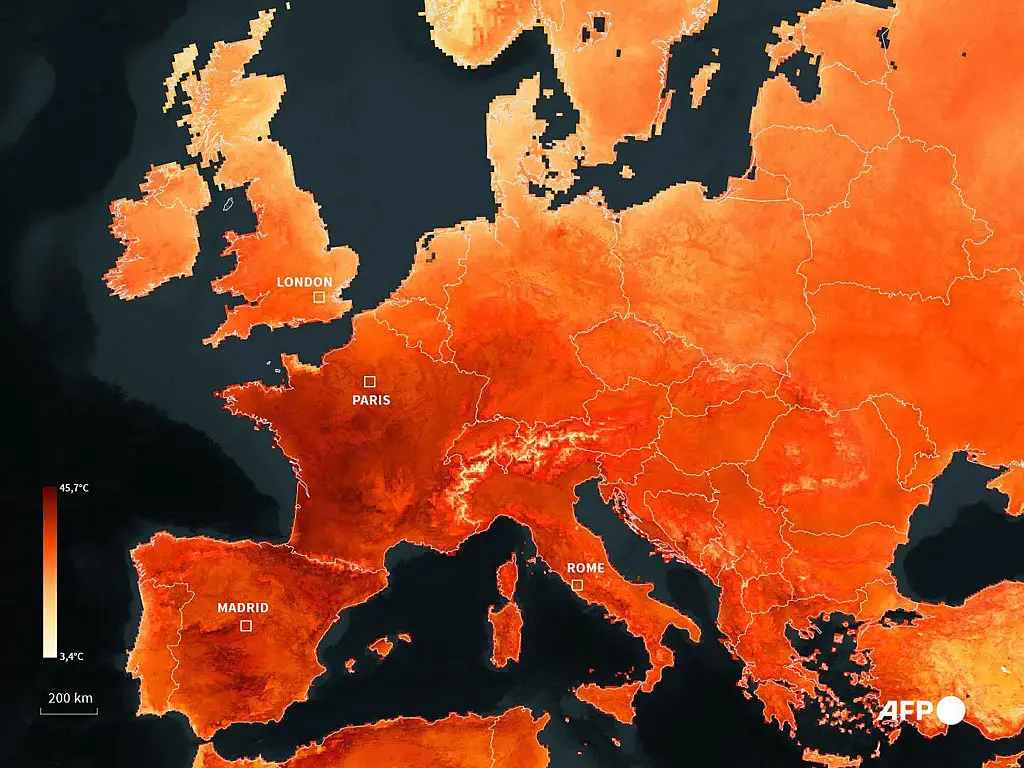
But behind the unbearable temperatures is a phenomenon known as the 'omega heatwave' - a rare weather pattern according to the Reuters Climate Monitor.
It resembles the shape of the Greek letter Omega, with the middle trapping in intensifying heat hovering over regions for extended periods, and cooler weather on its fringes.
Weather agency Meteo-France has compared conditions to the August 2003 heatwave that lasted 16 days, and was responsible for an estimated 80,000 deaths across Europe.
And things aren't set to change anytime soon, according to experts.
Emma Pinchbeck, CEO of the Climate Change Committee, has warned that due to global warming, the June 2026 heatwave is an example of what we will see 'much more regularly across the next few decades'.
Speaking to The Independent, she said: "In 2050, we're saying that temperatures of 40C will become, if not a typical summer, certainly a frequent occurrence.
"This will not be unusual, remarkable, once-in-a-decade stuff. This will happen fairly regularly, if not every year."
On Tuesday (June 23) multiple train operators across the UK said they were canceling services to 'ensure the safe operation of the railway'.
National Rail, which operates the railway infrastructure, urged people to 'only travel if absolutely necessary'.
One of the main problems those in Europe are facing is that buildings largely operate without air conditioning - given that temperatures are typically much cooler.
How to cool down in a heatwave
We’re all aware of the basics of keeping cool during the warmer weather, such as avoiding the sun between 11am and 3pm, staying hydrated, wearing light clothing, taking cold showers and avoiding physical activity, but have you tried these little-known hacks to beat the heat? (Thank us later).
The correct way to sleep with a fan on
A good night's sleep is almost never guaranteed during a heatwave, leaving many of us turning to our trusty fan to get through the night. However, it could be having a hidden impact on your health.
But rest assured, as Dr Anis Khalaf has explained how to overcome this, the correct way.
"The key is to not have any of the wind blowing on you,” he said. “So try facing it away from your body, and the air will still circulate around the room."

Experts have advised the correct way to sleep with a fan on. (Getty Stock Images)
Though bear in mind that electric fans only tend to work when the temperature is below 35 degrees.
Drinking milk
Thanks to the sugars, proteins and fats in milk, Dr Natasha Fernando claimed that a glass of the liquid ‘may be more hydrating than water’.
She told Metro: “Milk also contains sodium which allows your body to hold onto water for longer, aiding hydration levels.”
The Egyptian sleep method
Forget the Military sleep method, because this hack claims to keep you cool as well as help you nod off.
Psychiatrist Alex Dimitriu, MD, told VeryWellMind: "The Egyptian sleep method involves sleeping under a damp sheet, which cools off from evaporation.”
Just make sure the sheet is damp and not drenched, and the room is well-ventilated.
Keeping windows shut during the day
While it may sound counterproductive, you’re essentially inviting the hot air inside by leaving them open. And since most houses in the UK are designed to keep the heat in, you could be making the situation a whole lot worse.
Instead, wait until temperatures have dropped (such as in the late evening) to open your windows to allow cooler air to circulate. Keeping your blinds and curtains shut can also help.
Topics: Weather, World News, Europe, UK News, Health
 Mia Williams