
France bans alcohol at huge national music festival as record-breaking heatwave sends temperatures soaring

France is putting emergency services and military forces on wildfire alert, restricting public alcohol consumption, and canceling some outdoor sporting events to cope with a heatwave baking parts of Europe.
About a third of France is under the national weather service’s heat red alert and temperatures are high nationwide, with 40°C (104 °F) likely to be reached today (June 21), while tomorrow could be even hotter.
The Eiffel Tower and other Paris venues have set up misting stations to cool crowds, among a raft of measures announced by national and local authorities to minimize risks.
More than 200,000 people across Europe have died from heat-related causes over the last four years, and the World Health Organization’s Europe office has said most of the fatalities were preventable.
Advert
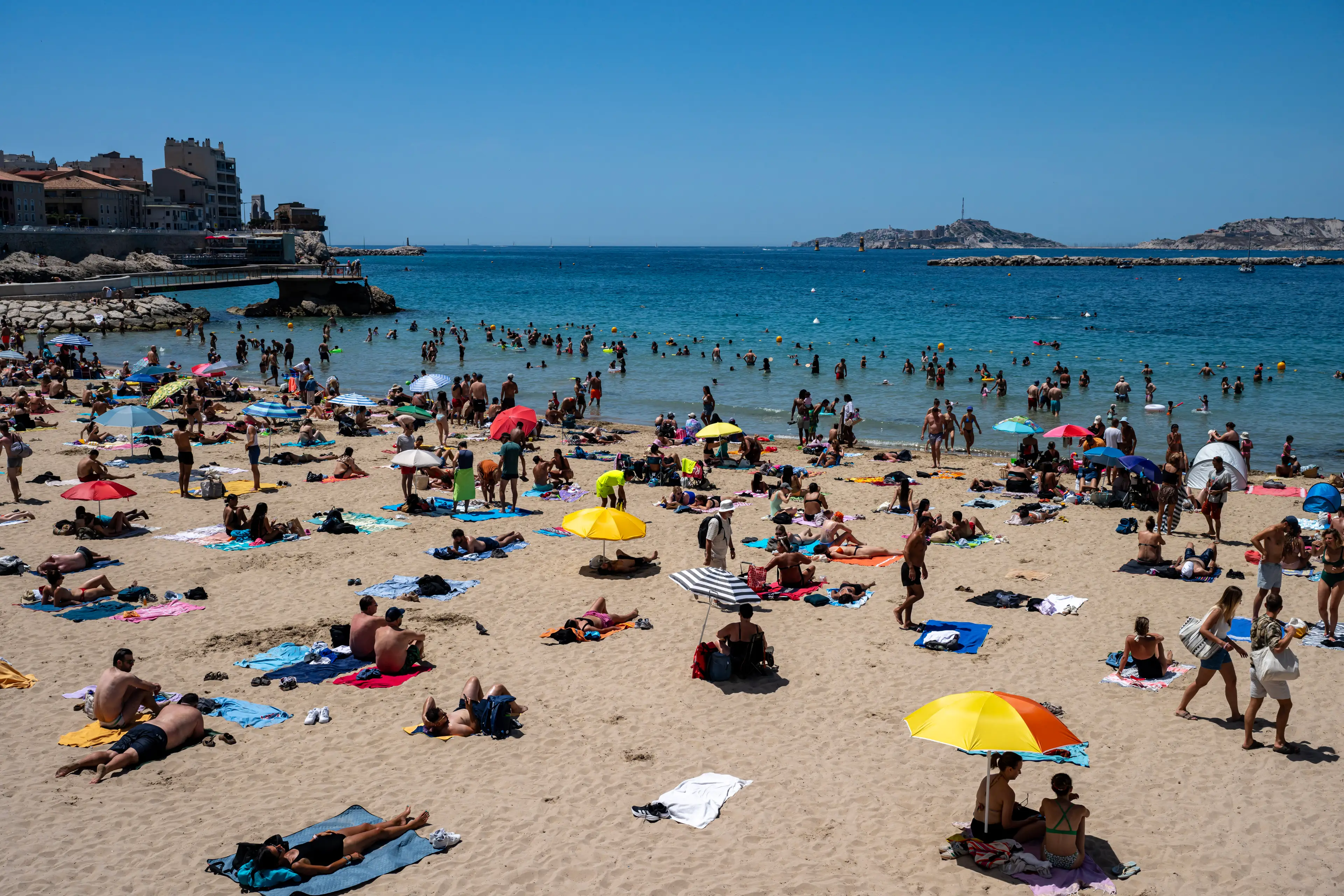
More above-average temperatures are expected this summer, which can cause heat exhaustion and life-threatening heat stroke.
France’s annual Music Day today (known as Fête de la Musique) is a particular concern for authorities. The nationwide summer solstice celebration involves thousands of concerts in village squares, rave venues and Paris clubs, bringing communities together and increasingly drawing international visitors.
The government has ordered organisers of Music Day events to limit alcohol use to 'preserve emergency services and allow medics to concentrate on taking care of the most vulnerable'.
"For all events organised by the state and its agencies, instructions have been given not to offer alcohol," the office of Prime Minister Sébastien Lecornu said, per BBC News. Alcohol is known to raise a person's risk of getting heat stroke.

Authorities are notably worried about people living in the baking streets, and elderly people in nursing homes or isolated in their homes. About 15,000 older people died in a 2003 heatwave that became a reckoning for France.
People above the age of 65 are at higher risk of developing heat stroke.
According to Cleveland Clinic, signs of heat stroke include:
- High body temperature
- Behavior changes
- Blurred vision
- Confusion
- Delirium
- Fainting
- Vomiting
People are urged to call the emergency services if they experience any heat stroke-related symptoms.
In extreme cases, heat stroke can lead to someone falling into a coma, rhabdomyolysis, hypovolemic shock, and severe damage to major organs.
The sooner signs of heat stroke are treated, the better the chance of a person's recovery.
"The sooner your body starts cooling down — ideally within 30 minutes of the start of symptoms — the better your chances of recovery," says Cleveland Clinic.
 Niamh Shackleton