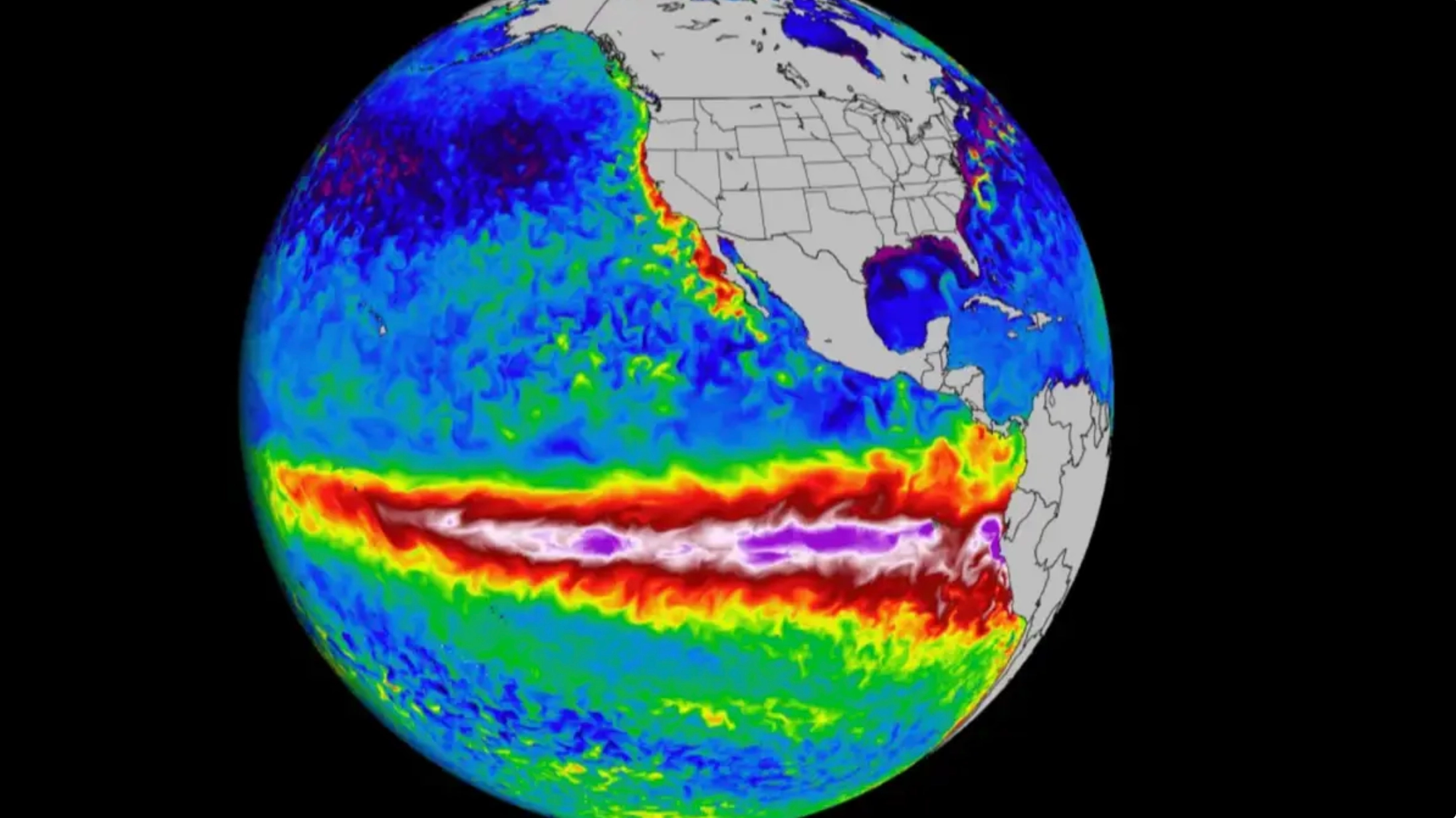
El Niño has officially begun, here's how it could affect the weather

An expert has opened up about the impact that El Niño could have after the phenomenon was declared to have officially started.
The National Oceanographic and Atmospheric Administration has confirmed that an El Niño cycle has started.
They added that there is also a 63 percent chance that this cycle will become 'very strong', or in colloquial terms a 'Super El Niño'.
Not only that, but the agency even warned that it could 'rank among the largest El Niño events in the historical record going back to 1950'.
Advert
The El Niño is expected to last through until early 2027, and could have a profound impact on weather patterns around the world until then.
But what is El Niño, and how exactly does it affect weather?
El Niño is part of a broader cycle, with another part being called La Niña, meaning 'the boy' and 'the girl' in Spanish.
It is tied to the surface temperature of the ocean, with the heating of the surface temperature indicating El Niño, and the full name of the cycle being the ENSO phenomenon, standing for 'El Niño Southern Oscillation'.
In basic terms, the oceans are a key part of the world's weather systems, with water evaporating from the surface of the ocean forming clouds, leading to rain, storms, and everything associated with that.
Of course, basic terms are one thing, the reality is much more complicated than that, and El Niño can be a factor in a huge range of different weather.
El Niño does not directly cause weather, it's not like a hurricane or heatwave, however it does create the circumstances in which extreme weather can happen more often.
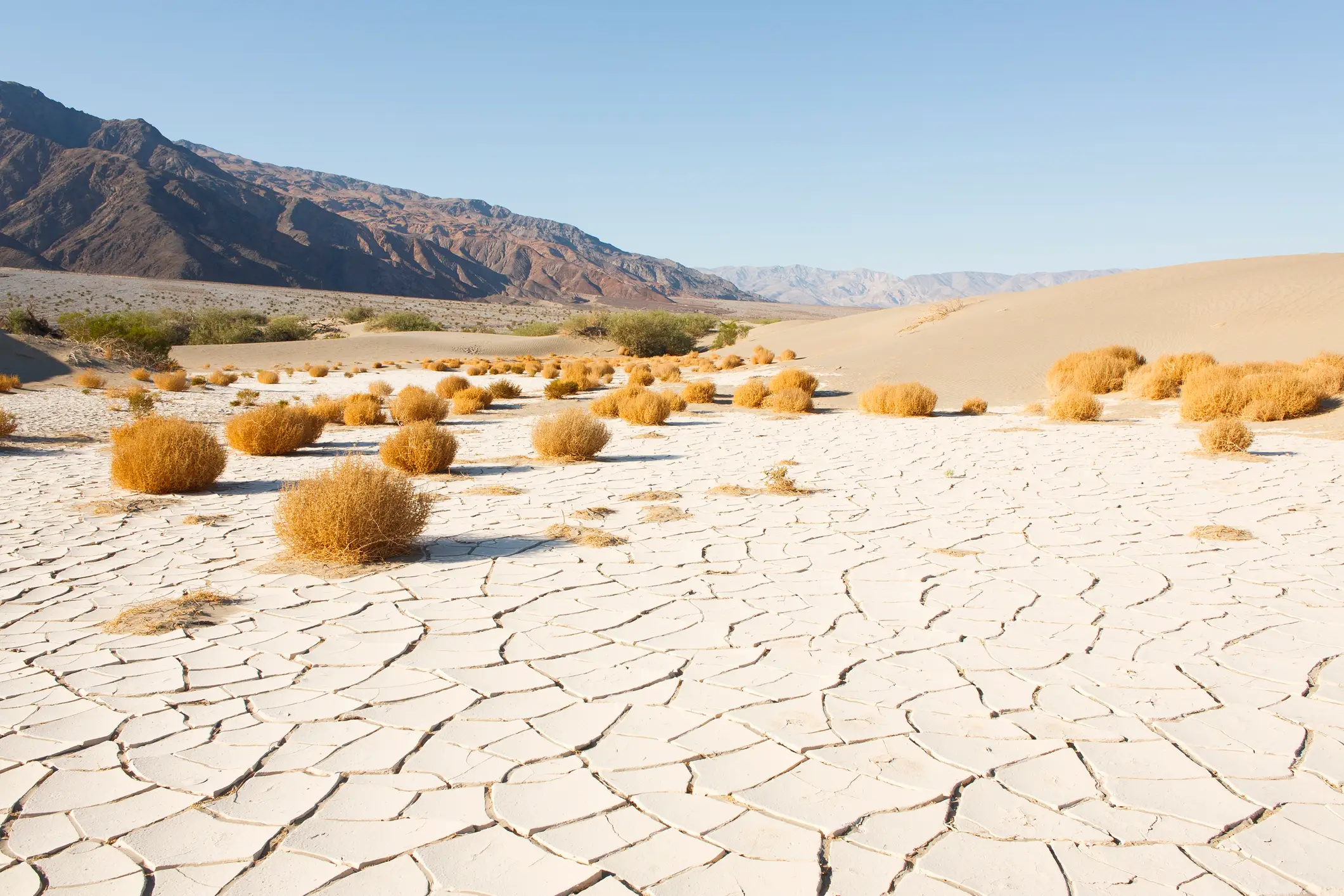
This can mean a huge range of different things, with El Niño leading to everything from drought and wildfires to floods and hurricanes, but the main factor here is that it is extreme weather.
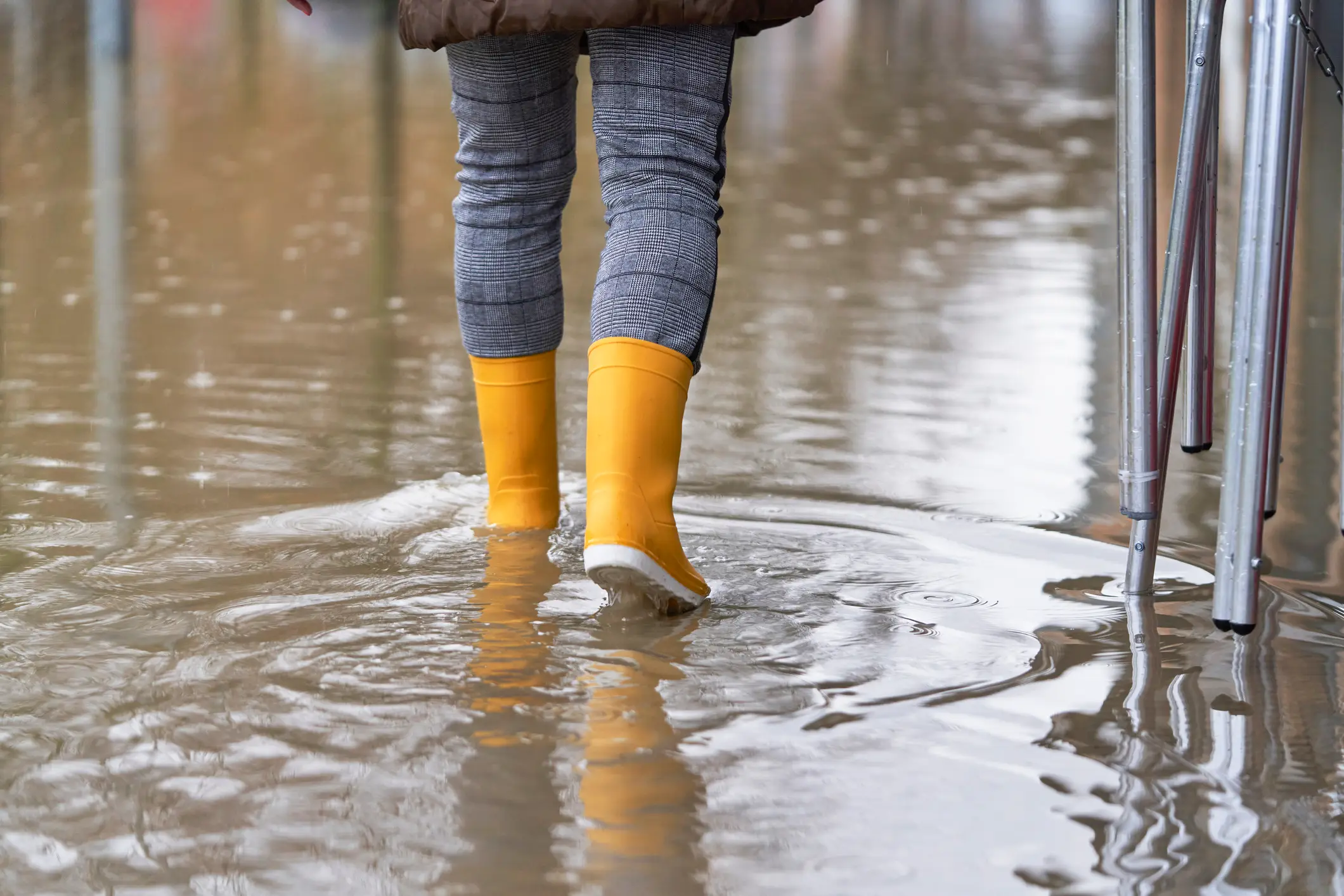
The precise impact of El Niño depends on geographic location, for example some places such as the north east of South America including the Amazon Basin potentially being drier, while Mexico and the southern US can experience wetter conditions, according to a map published by the BBC.
While El Niño is a naturally occurring event and there is no evidence that it is caused by climate change, scientists have warned that the impact of El Niño may be exacerbated by climate change, with rising global temperatures making extreme weather more likely even before El Niño is factored in.
Celeste Saulo is the secretary general of the World Meteorological Organization, and warned that a strong El Niño could 'exacerbate drought and heavy rainfall and increase the risk of heatwaves both on land and in the ocean'.
Topics: US News, Weather, World News
 Kit Roberts