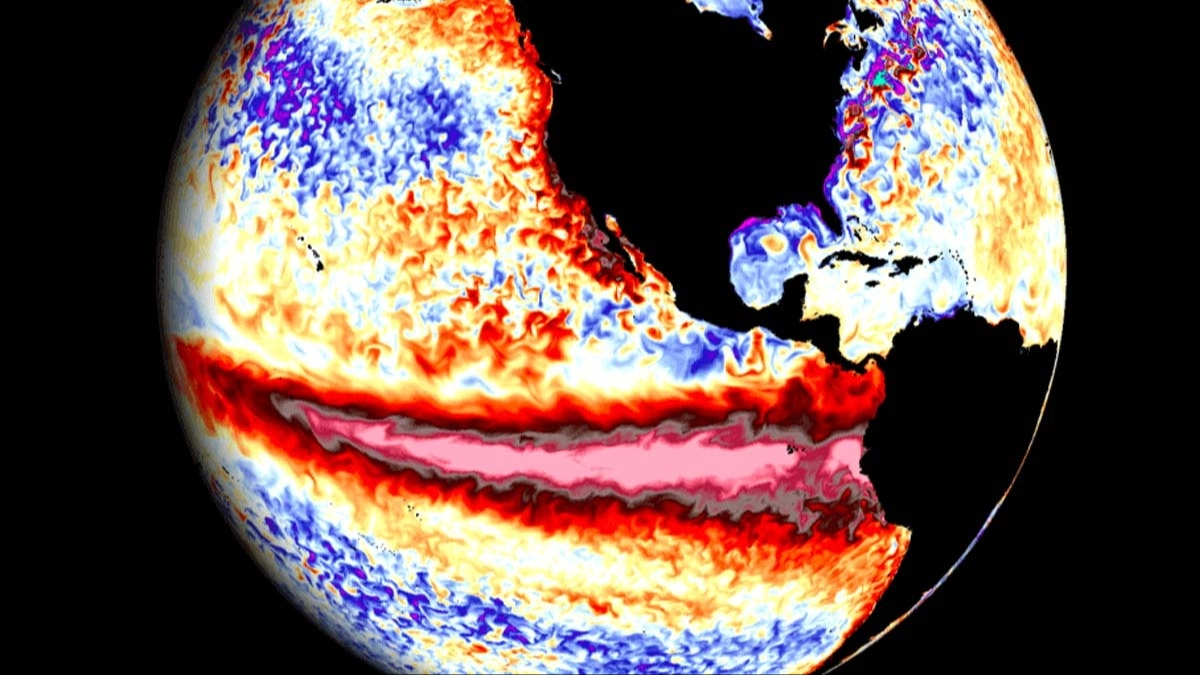
Scientists declare El Niño has officially begun and issue serious warning for what will happen

Scientists have declared the start of El Niño after weeks of warnings about its imminent arrival.
El Niño is a naturally occurring phenomenon which forms half of a two-part process, with the other being La Niña.
These are tied to the surface temperature of the ocean, with El Niño being the surface temperature rising, and La Niña it cooling.
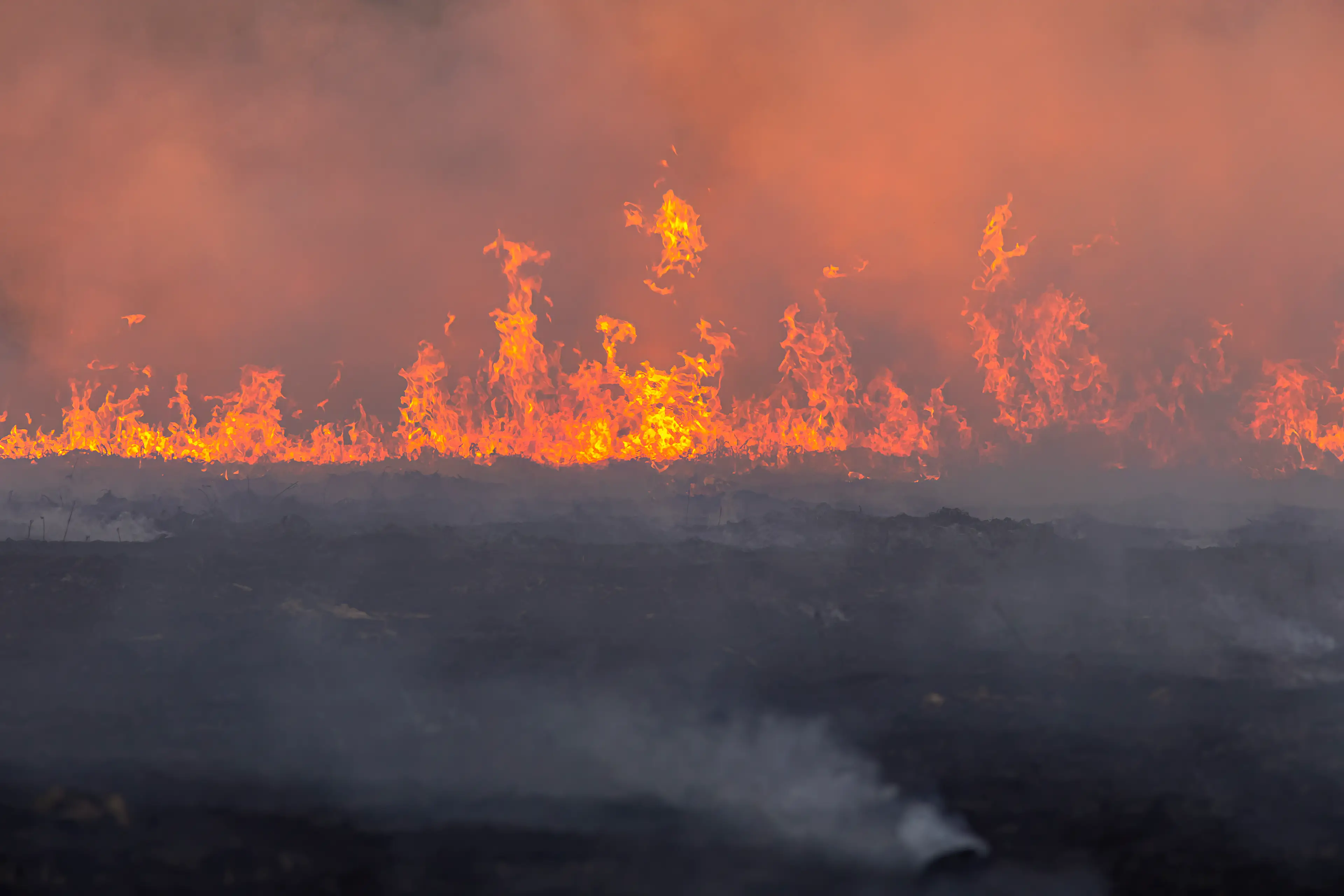
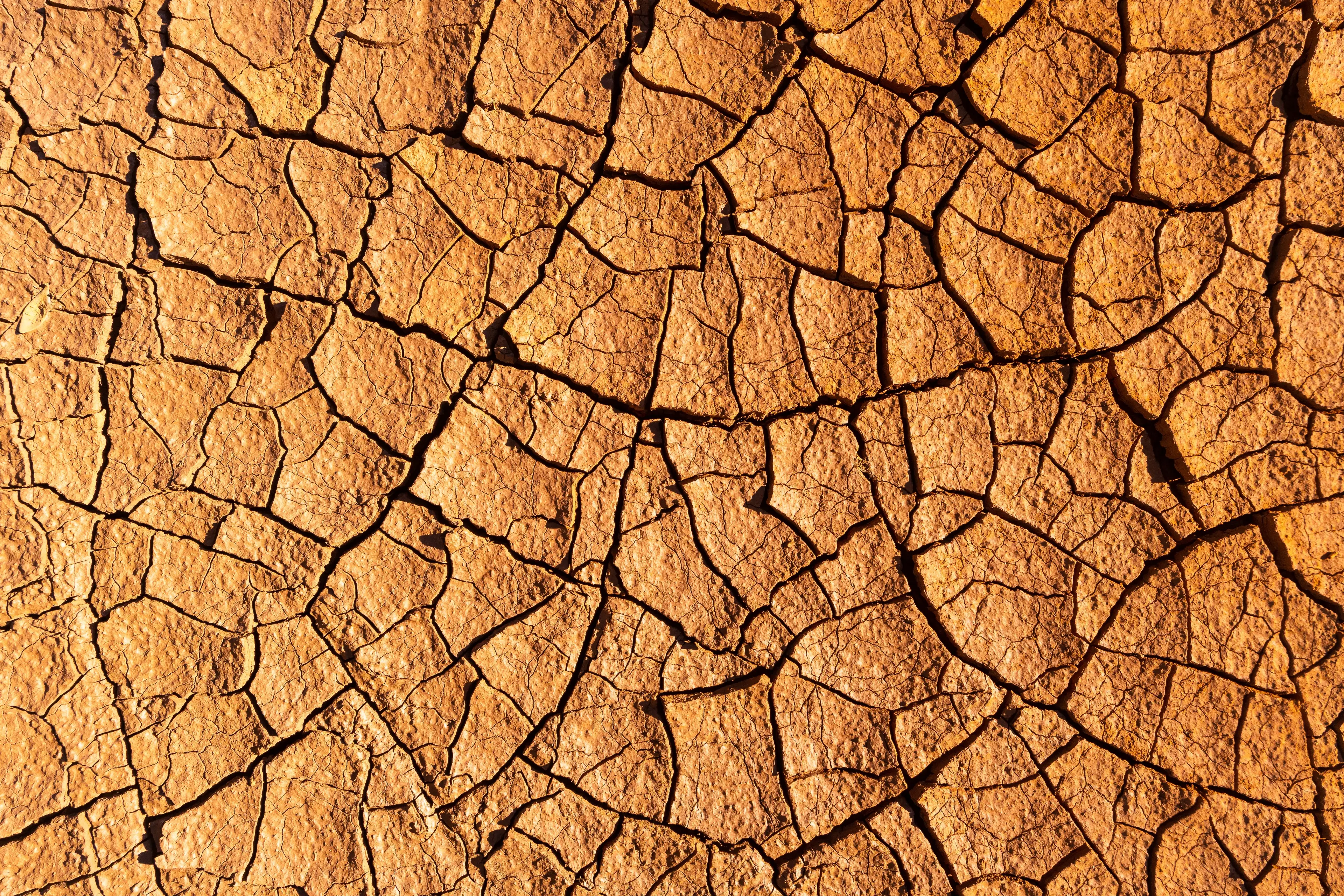
El Niño has a massive impact on weather patterns, and can lead to an increased incidence of extreme weather, including everything from droughts and wildfires to floods and hurricanes.
Advert
While it's not connected to climate change, the impact of climate change can exacerbate the impact of El Niño.
What is a 'super El Niño?
A Super El Niño is an informal way to refer to a particularly strong El Niño, and scientists have now confirmed that an El Niño has begun and has a high chance of becoming a Super El Niño.
The National Oceanographic and Atmospheric Administration (NOAA) in the US confirmed that El Niño has now started.
In a statement, NOAA said: "El Niño conditions developed over the past month, as shown by above-average sea surface temperatures (SSTs) across the central to eastern equatorial Pacific Ocean."
How likely is it to turn into a Super El Niño?
While it's not currently big enough to fall into this category, the Climate Prediction Center at NOAA has said that this El Niño has a 63 percent chance of becoming 'very strong', which is the formal way of describing a Super El Niño.
Not only that, but it has also said that there's a chance this could be among the 'largest El Niño events in the historical record going back to 1950'.
It also gave a 100 percent chance of the event continuing into the fall.
Nonetheless, NOAA has given a caveat on its prediction, saying: "Even very strong El Niño events do not lead to the expected impact everywhere, but stronger events can more significantly tilt the odds in favour of expected outcomes."
Professor Adam Scaife is the head of monthly to decadal prediction at the Met Office in the UK, and has warned that we 'need to worry about the impacts'.
This is also because the impact of the El Niño will be added to the impact of climate change, with Professor Scaife telling the BBC: "The current El Niño is… riding on top of a substantial amount of global warming.
"This means that the actual temperatures in affected regions could well be unprecedented, as the warming from El Niño is being topped up by climate change."
Topics: Weather, World News, US News
 Kit Roberts