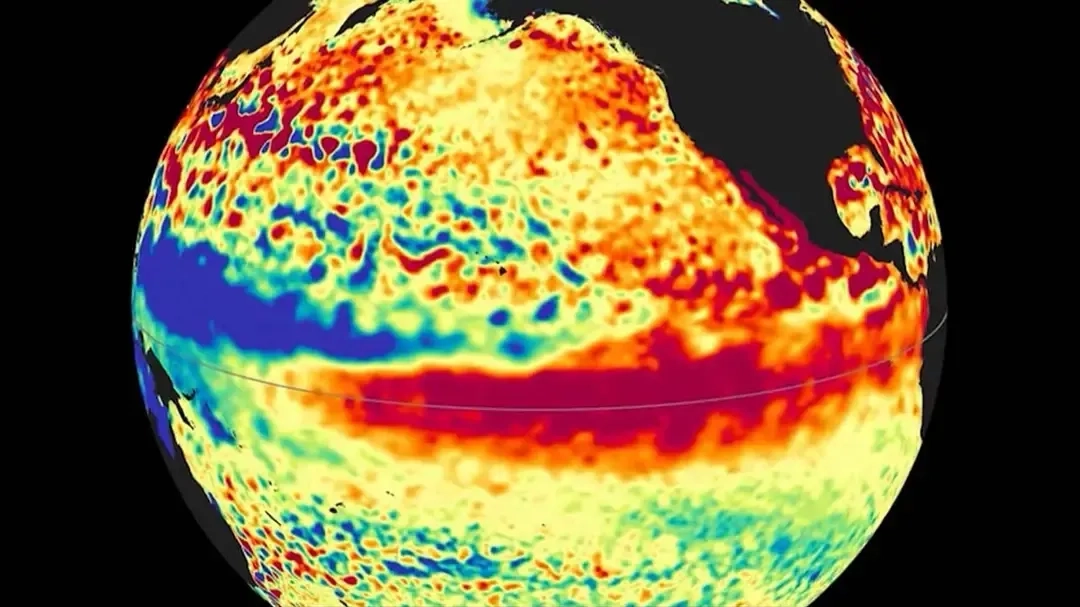
Trump's cuts at sea could make a Super El Niño way harder to see coming

The Trump administration is planning to dismantle a vast ocean observation network that scientists say is critical to predicting extreme weather, and experts are warning the consequences could be felt far beyond the laboratory.
The Ocean Observatories Initiative (OOI), run by the US National Science Foundation, is a sprawling network of seafloor systems, underwater gliders and moored surface platforms that feeds data to researchers, policymakers and mariners across the world.
Now, plans to decommission it have drawn fierce criticism from scientists on both sides of the Atlantic, who say the move would "severely degrade" the accuracy of weather forecasts and El Niño predictions, with serious economic fallout for the US itself. The warning comes at a particularly sensitive moment.
This year has already been flagged as a likely El Niño year, with forecasters predicting potentially supercharged weather extremes. Losing the ability to see it coming clearly, scientists say, could prove catastrophic.
Advert
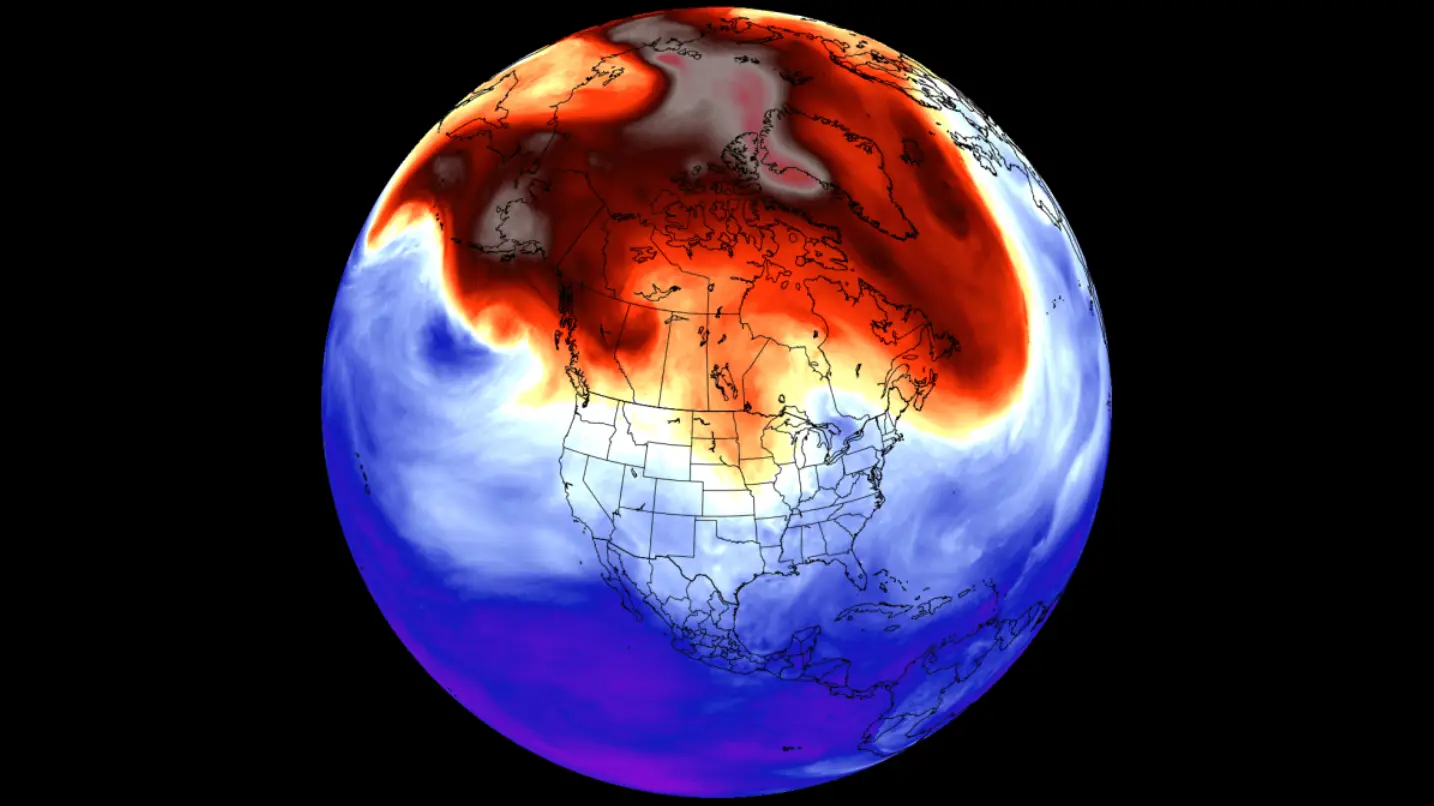
Losing US data 'worse than losing 80% of all ocean observations worldwide'
Research published last month in Nature Climate Change laid out just how significant the damage would be. Removing US observations alone would produce a 163% increase in error for annual ocean heating rates, the figures that underpin weather prediction, El Niño forecasting and fisheries management.
Crucially, the study found that losing US-funded platforms would be worse than randomly losing 80% of all ocean data worldwide, because American infrastructure spans every ocean basin and plugs critical gaps that no other nation currently fills.
Sabrina Speich, an expert in global ocean monitoring at the École Normale Supérieure in Paris and a co-author of the research, told The Guardian the stakes could not be overstated.
Speaking about the findings, she said: "Ocean heat content is the most robust indicator of climate change we have, not just of what is happening in the ocean, but of the entire climate system. Lose them, and you lose your ability to track not just ocean warming but the climate system as a whole."
She added: "Forecasts would continue, but they would degrade, sometimes dangerously so. The consequences would not stop at science: the economic costs would be felt within the United States itself, from agriculture to insurance to disaster response."
The practical implications are stark.
Farmers across the US and South America rely on El Niño forecasts to decide what to plant and when, whether to expect drought or flooding shapes every agricultural decision months in advance.
The most recent El Niño, which hit in 2023-2024, was one of the five strongest on record and contributed to 2024's record-breaking spike in global temperatures.
'This is about killing climate science research'
John P Abraham, professor of engineering at the University of St Thomas in Minnesota and fellow co-author of the paper, was blunt in his assessment of the administration's motivations. Speaking about the decision to dismantle the $368m system, he said: "The US government wants to save less than a billion in sensors, which are the eyes and ears of the ocean. We have hundreds of billions in climate costs per year. The cost of the observation system is a fraction of the climate costs from hurricanes and storms that hit the US."
He added: "This is not about saving money. This is about killing climate science research."
The numbers back him up. The US suffered more than 400 climate and weather disasters costing over $1bn each between 1980 and 2024.
In 2024 alone, the bill came to $177bn, a figure that dwarfs the cost of the monitoring infrastructure the administration is looking to cut.
The European Union announced this week it would invest €92m in its own ocean monitoring initiative, OceanEye, with more than half earmarked for the Global Ocean Observing System.
The move was long-planned rather than a direct response to the US decision, but the timing was hard to ignore.
The National Science Foundation has said the OOI is not being cancelled entirely, describing the plans as a "descope", a reduction of elements rather than a full shutdown, though it has not clarified what data collection capacity would remain.
Topics: Climate Change, Science, Donald Trump
 Thomas Bamford