'Super' El Niño could have a devastating impact on women, charity warns

A leading charity has issued a stark warning that this year's 'super' El Niño is set to hit one group of people harder than anyone else, at a time when foreign aid cuts have already left them exposed.
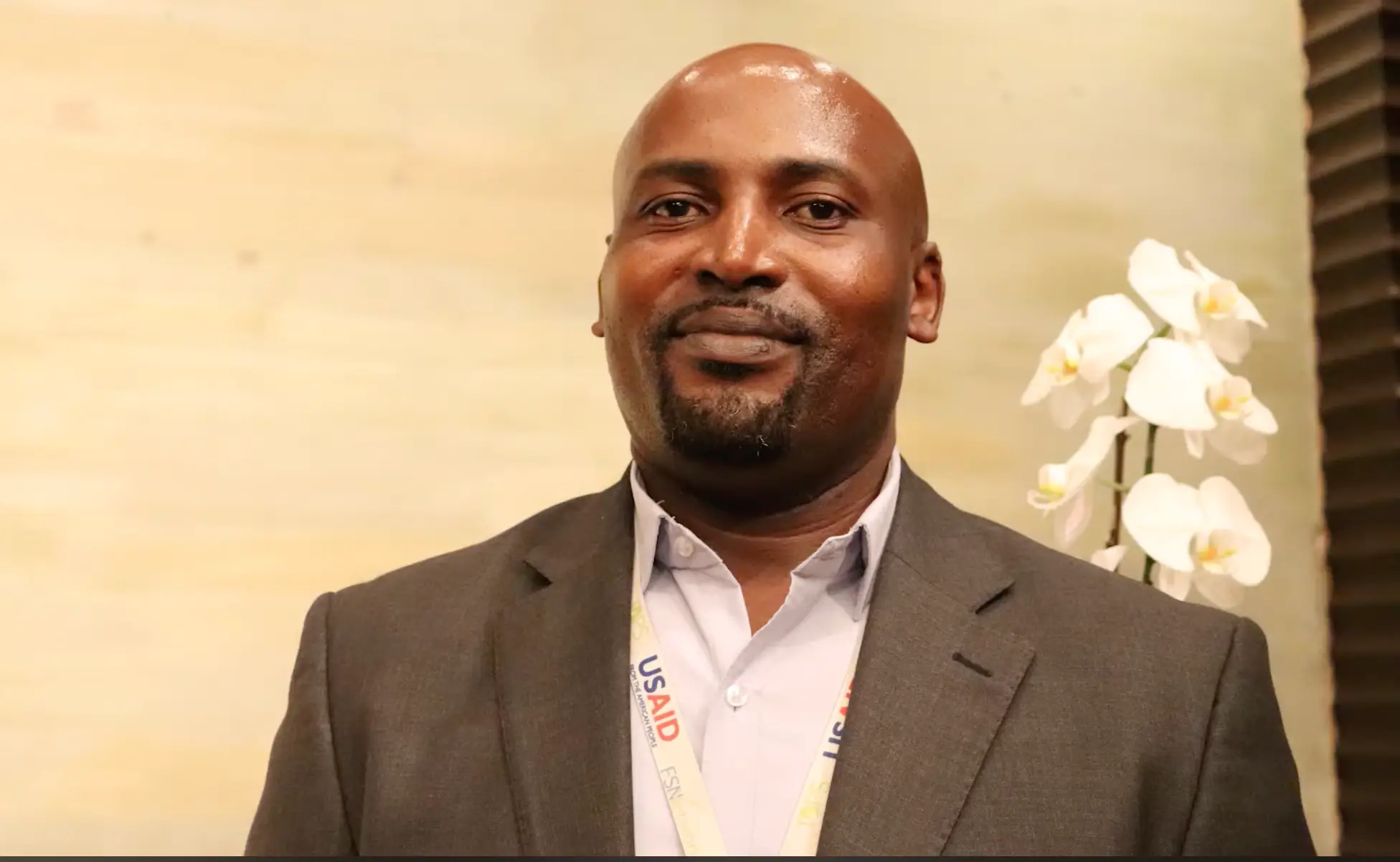
Walter Mwasaa, regional director for CARE International in East and Southern Africa, told The Independent that women across the region are bracing for the worst as the climate phenomenon intensifies, with the impact expected to ripple through health, food security and household stability for millions.
"We should be very worried about the coming super El Niño, and we should absolutely be viewing it as a women's health problem," said Mwasaa, who oversees CARE programmes across 12 countries in the region.
He explained that, much like during periods of war or disease outbreaks such as Ebola, it's women who consistently bear the brunt of crisis conditions. "As with war, and as with Ebola, it is women in communities who are going to struggle the most," he said.
Advert
"In both rural and urban areas, it is they that will face the biggest health challenges, and also they who bear the burden of taking care of families and households."
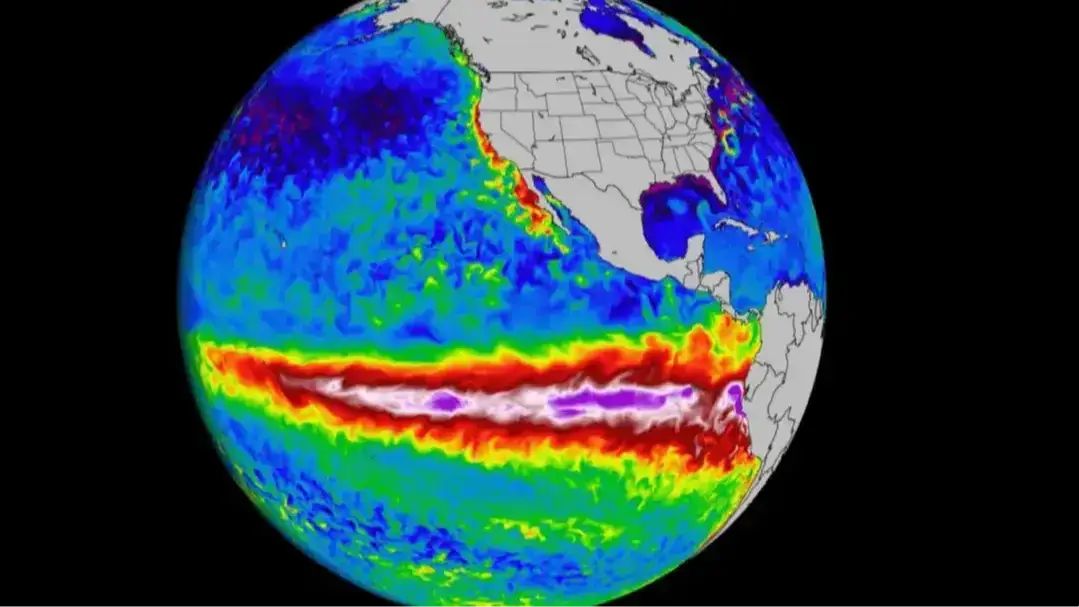
El Niño is a naturally occurring climate pattern driven by warmer-than-usual sea surface temperatures in the Pacific, triggering droughts in some regions and heavier rainfall in others.
This year's event is forecast to be particularly severe, with Northern countries including Tanzania, Kenya, Ethiopia and Somalia expected to see a rise in severe rainfall, while Southern nations such as Malawi, Mozambique, Zimbabwe and Madagascar face intense drought conditions.
Why will El Niño affect women more than men?
Research increasingly backs up Mwasaa's concerns. One study found climate-induced disasters have driven a 40 per cent rise in child marriage in Bangladesh, while droughts in Somaliland are forcing girls into hours-long walks for water instead of attending school. It's also well documented that when household savings are depleted after a disaster, families are more likely to prioritise sons' education over daughters', while pregnant women and babies continue needing varied diets even when food is scarce for everyone else.
"Mothers will usually work the hardest to provide food, and she will be allowed less rest, and she will typically eat last," Mwasaa said.
He recalled a story of a woman forced to give birth in a tree during flooding in Mozambique, warning that as such floods become more frequent and health centres continue to close, similar stories will only become more common.
How have aid cuts made the situation worse in Africa?
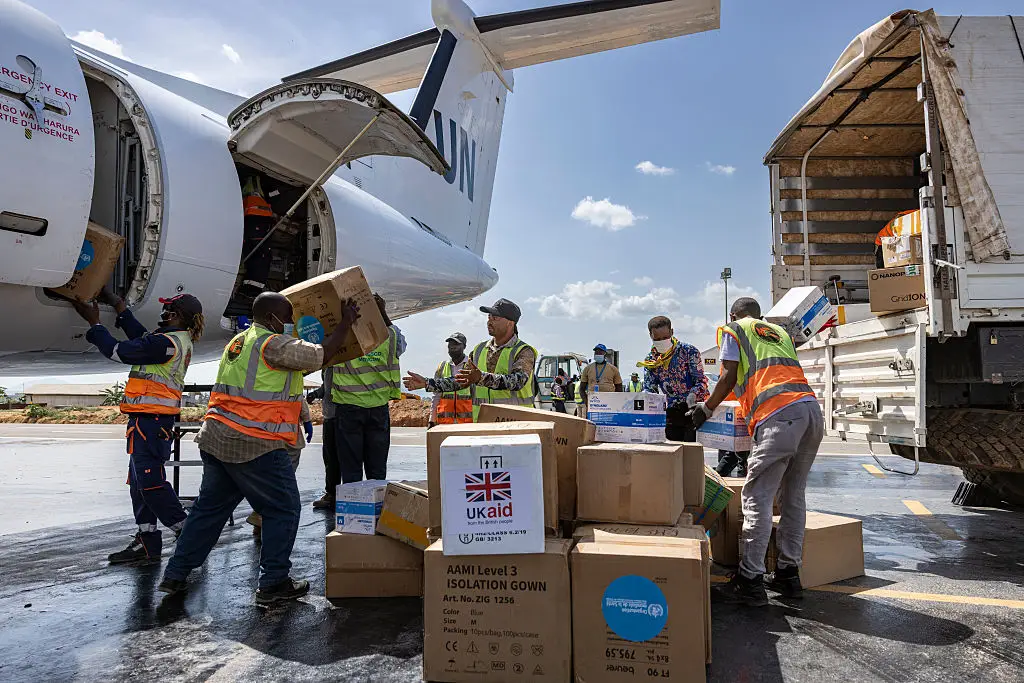
The threat posed by the super El Niño comes as CARE's own programming across East and Southern Africa has been significantly scaled back due to foreign aid cuts, with the charity's regional budget expected to fall from around $250 million in 2024 to just $140 million by the 2027 financial year.
Ethiopia's programming alone has dropped from $130 million to just $15 million, Mwasaa revealed, while Malawi is currently the only country in the region set to receive direct US foreign aid for 2027, worth $8 million.
In Somalia, roughly 50 CARE-supported health and nutrition centres have shut since January 2026, despite around two million children currently facing acute malnutrition, including nearly 500,000 with severe acute malnutrition, a life-threatening condition.
Mwasaa said CARE nurses are now seeing a sharp rise in pregnant women arriving at remaining facilities exhausted and dehydrated, some having walked for days without food or water in search of care that may no longer be available.
With traditional funding drying up, CARE is now looking to private sector partnerships to help fill the gap, something Mwasaa believes could benefit communities in the long run by reducing dependency on aid.
However, he admitted the reality is more complicated than it sounds.
"Development partners, and especially Western governments, are telling us that we now need to find ways of doing business with them, but oftentimes it is hard to find products from rich countries that people in African countries need or can afford," he said.
UNILAD has contacted CARE International for additional comment.
Topics: Climate Change, Africa
 Thomas Bamford