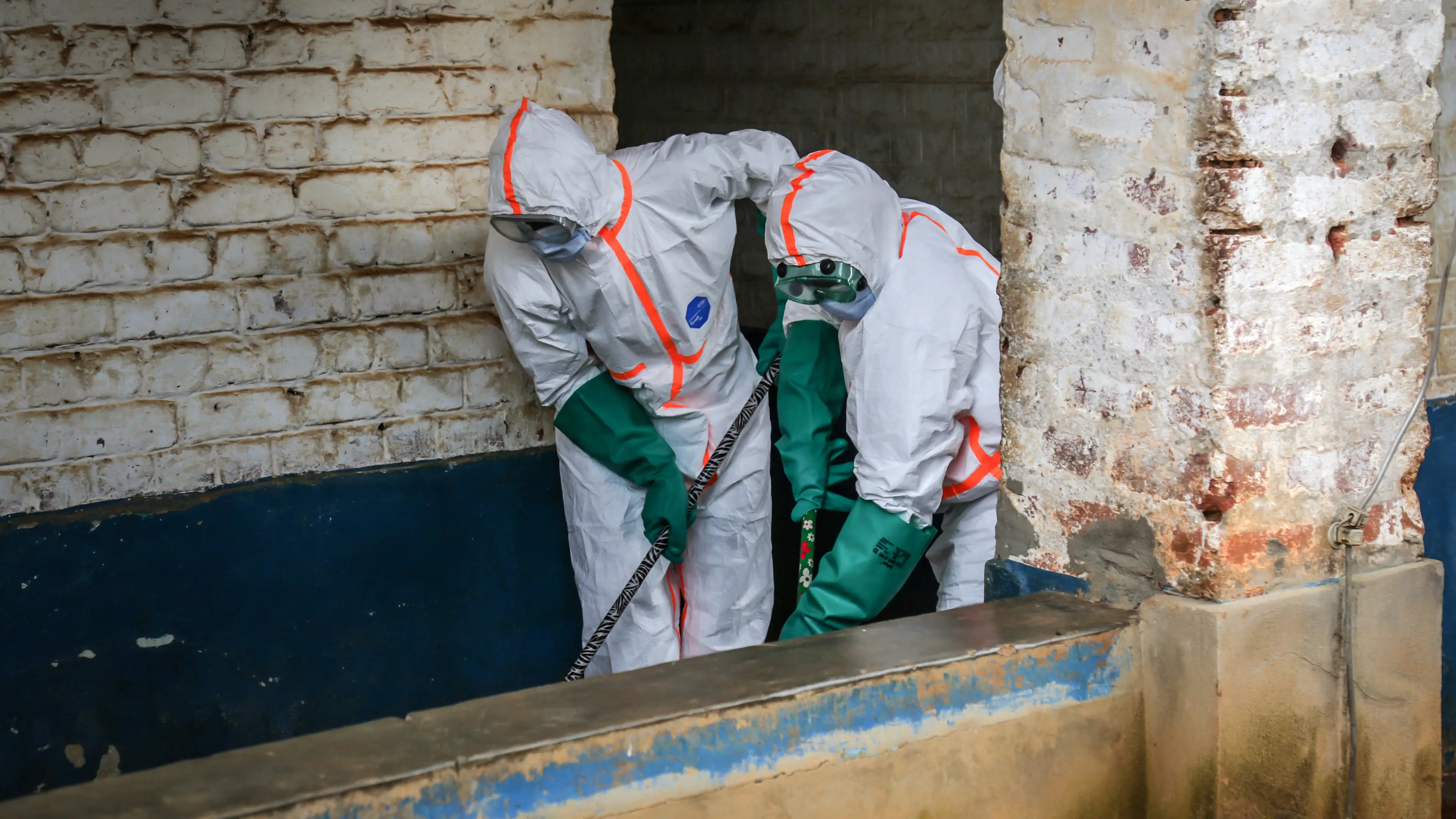
Ebola outbreak could become 'deadliest on record' as countries the disease has spread to are outlined

The Ebola outbreak could become even more deadly after experts claim 'the warning signs are flashing red' as the rare virus spreads to more and more countries.
A humanitarian aid organisation has called for 'urgent international funding and coordination' to tackle the outbreak, which was declared by the World Health Organization (WHO) in the Democratic Republic of the Congo (DRC) on May 17.
The International Rescue Committee (IRC) stated that 'we have fewer resources' to fight the epidemic than the 2018-2020 outbreak, which killed more than 2,000 people.
'Increased conflict and cuts to global aid funding have dismantled defenses at exactly the wrong moment,' said Bob Kitchen, the IRC's vice president of emergencies in a press release.
Advert
He added: "The lesson from every previous outbreak is clear: delays cost lives."
And it seems the outbreak is not successfully being contained.
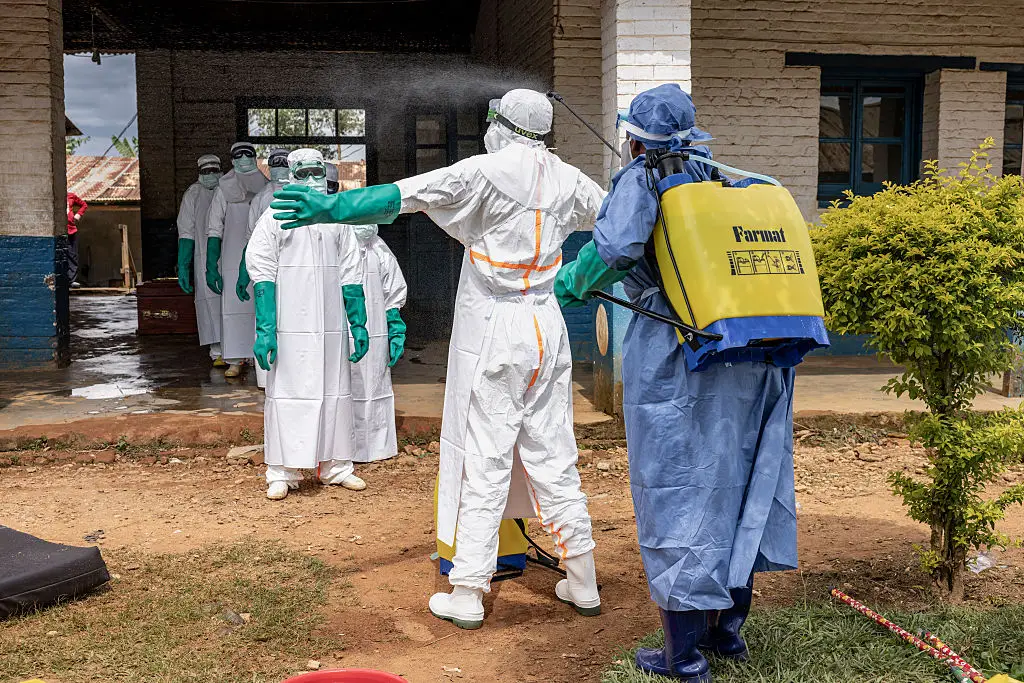
Ebola is spreading through eastern parts of the DRC faster than health workers can respond, the WHO has warned.
Officials have reported two suspected cases in Uganda, and one suspected death in Kampala.
And although cases have so far only been confirmed in the DRC, the Red Cross has warned ten other African countries are at risk.
These countries include: Rwanda, Kenya, Tanzania, Angola, Burundi, the Central African Republic, the Republic of Congo, Ethiopia, South Sudan and Zambia.
Speaking to reporters, Tedros Adhanom Ghebreyesus, the director-general of the WHO said: "At the moment, the epidemic is outpacing us."
And while the true scale of the problem is so far unclear, it has been declared a pandemic emergency, the highest alert since 2024.
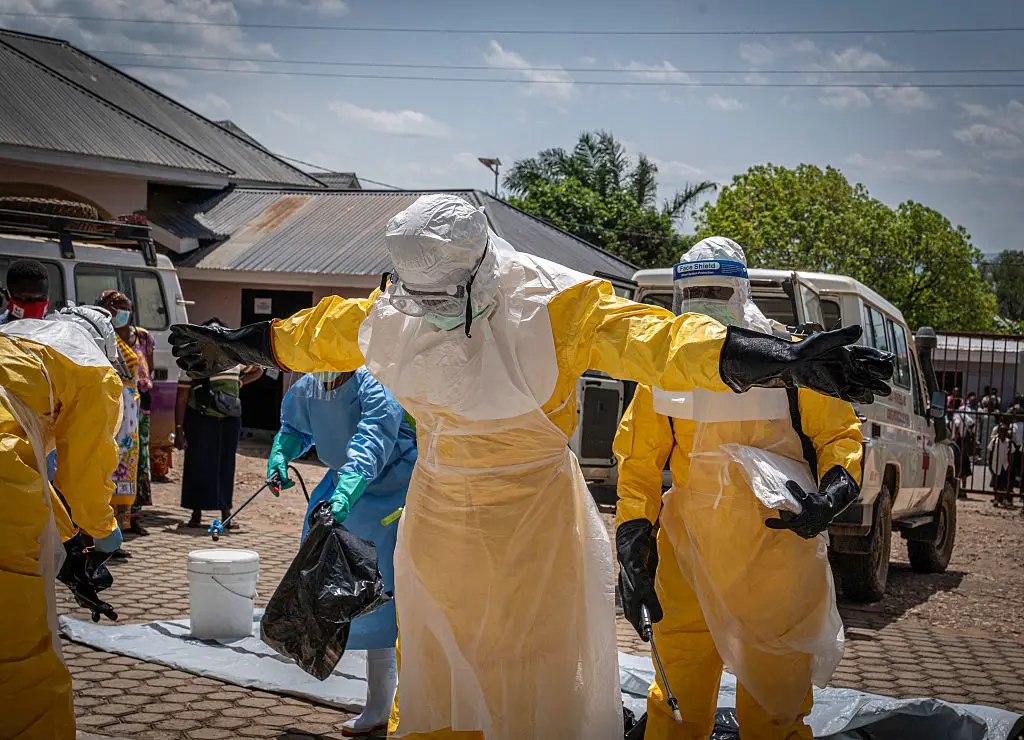
The Bundibugyo strain of the virus has a fatality rate of between 21 percent and 50 percent, and symptoms can include fever, weakness, diarrhoea, vomiting, and sometimes bleeding.
There is currently no cure for the virus, which is passed through sweat, blood, faeces or vomit.
However, scientists at Oxford University are working urgently to develop a vaccine which could be used if the virus spirals out of control.
But it's not just a lack of aid that is hampering efforts to contain the virus, ActionAid have claimed that only one in three people in DRC believe the virus is real.
Ngone Ngobba Jean Claude, who lives in the DRC, told ActionAid: "Some call it a satanic disease, while others believe it was invented to make money. Others say that doctors are lying, while others believe that taking strong alcoholic drinks makes them immune."
Topics: Health, Travel, World News
 Mia Williams