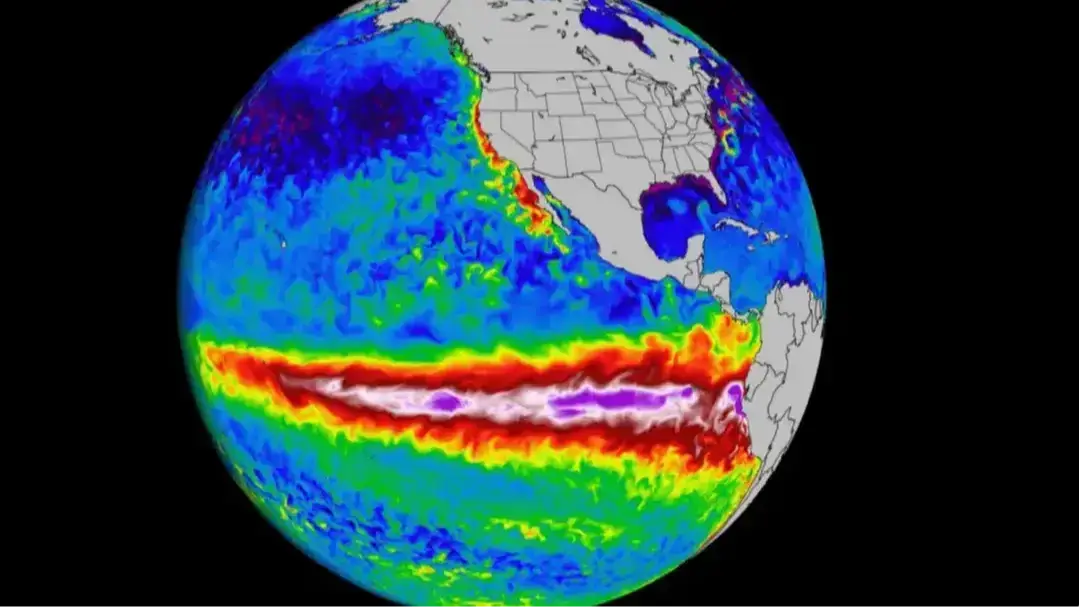
How El Niño could trigger a spike in global food prices as the weather phenomenon officially begins

Experts have warned that the El Niño effect could trigger a spike in global food prices.
The global phenomenon has officially begun, according to the National Oceanographic and Atmospheric Administration.
The El Niño is expected to last through until early 2027, with experts warning that it could have a profound impact on weather patterns around the world.
It's part of a broader cycle, including La Niña, meaning 'the boy' and 'the girl' in Spanish.
Advert
El Niño occurs with the the increased surface temperature of the ocean.
The oceans play a key role in the world's weather systems, as water evaporating from the surface of the ocean forms clouds, leading to rain and storms.
While the environmental impacts of the El Niño are well documented, the World Bank has now issued a warning of global food prices surging.
The risks of the weather event is pilling the pressure on agriculture, especially when it comes to high fertiliser costs, which had already increased due to the war in Iran.
World Bank went on to say that 'disruptive weather' associated with the El Niño could see a knock-on effect to food prices.
"Beyond developments in the Middle East, the possible emergence of El Niño weather conditions could push food prices above current expectations," the bank said in a statement earlier this week.
You see, climatic shifts sparked by the El Niño can reduce yields of agricultural commodities, leading to supply shortages and subsequently, increased prices.
William Jackson, chief emerging markets economist at Capital Economics, told the Financial Times that 'no two El Niños are the same', meaning it's pretty difficult to predict the damage it could cause.
One thing that is pretty likely though is the weather phenomenon will hit food prices hard, with European Central Bank data published in 2023 detailing the damaging impact a 'strong' El Niño could have on the economy.
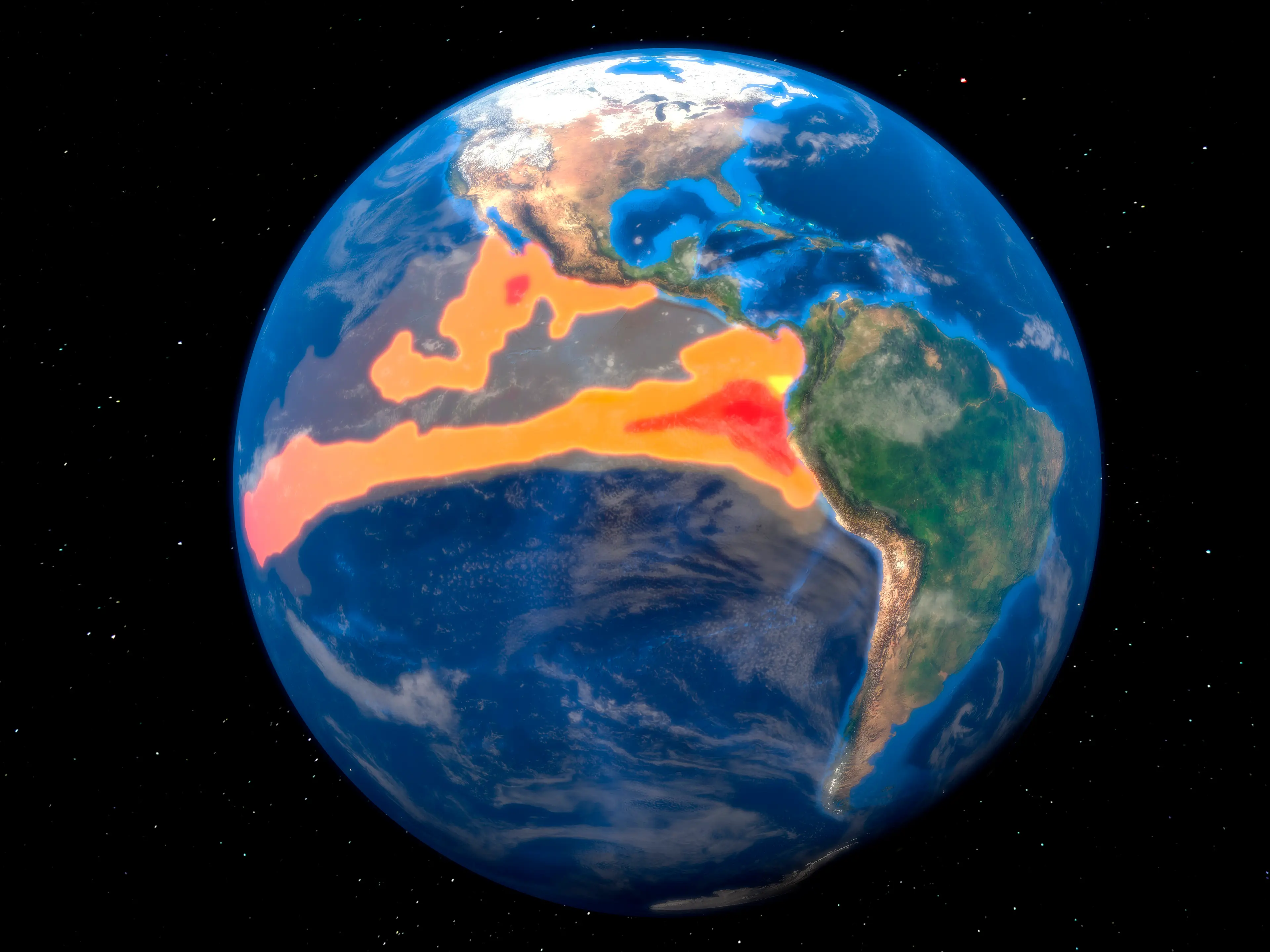
Effects could linger for a period of two years, while a 9 percent peak in prices was suggested after 16 months.
The precise impact of El Niño very much depends on geographic location, as the BBC reports Mexico and the southern US can experience wetter conditions, while South America could become a lot drier.
Experts say the weather event could be exacerbated by climate change, as rising world temperatures make extreme weather increasingly likely.
Celeste Saulo, secretary general of the World Meteorological Organization, claimed that a strong El Niño may well 'exacerbate drought and heavy rainfall and increase the risk of heatwaves both on land and in the ocean'.
Topics: Climate Change, Environment, World News
 Callum Jones