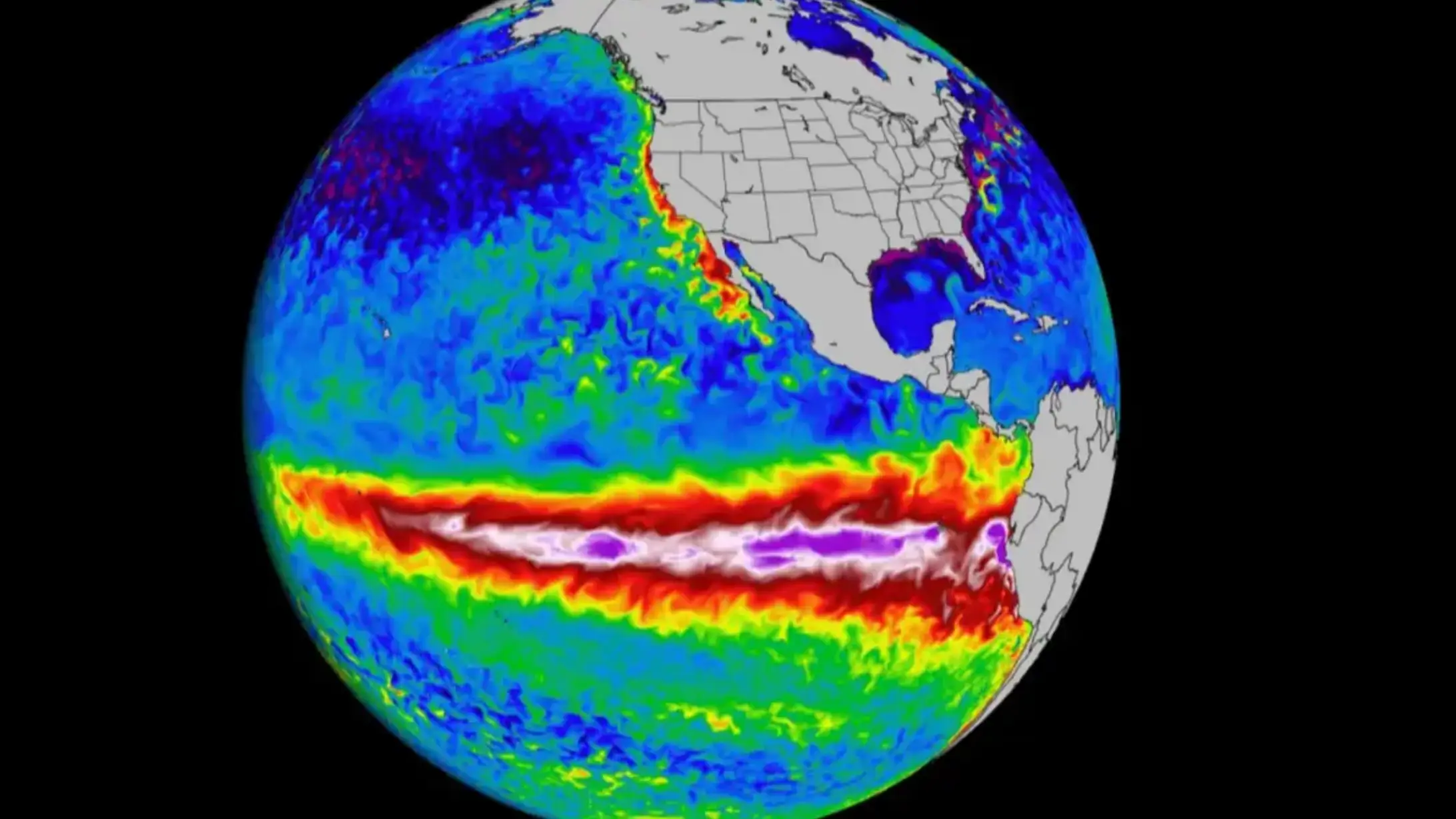
Scientist shares key to preventing El Niño as they warn it could be the worst-recorded in history

As climate scientists warn that a Super El Niño of unprecedented scale is now forming in the Pacific, one group of researchers has proposed what might be the most dramatic intervention in the history of climate science: dimming the sun itself.
The technique, known as Stratospheric Aerosol Injection (SAI), involves pumping vast clouds of tiny sulphur-based particles into the upper atmosphere, where they hang for years and reflect some of the sun's energy back into space.
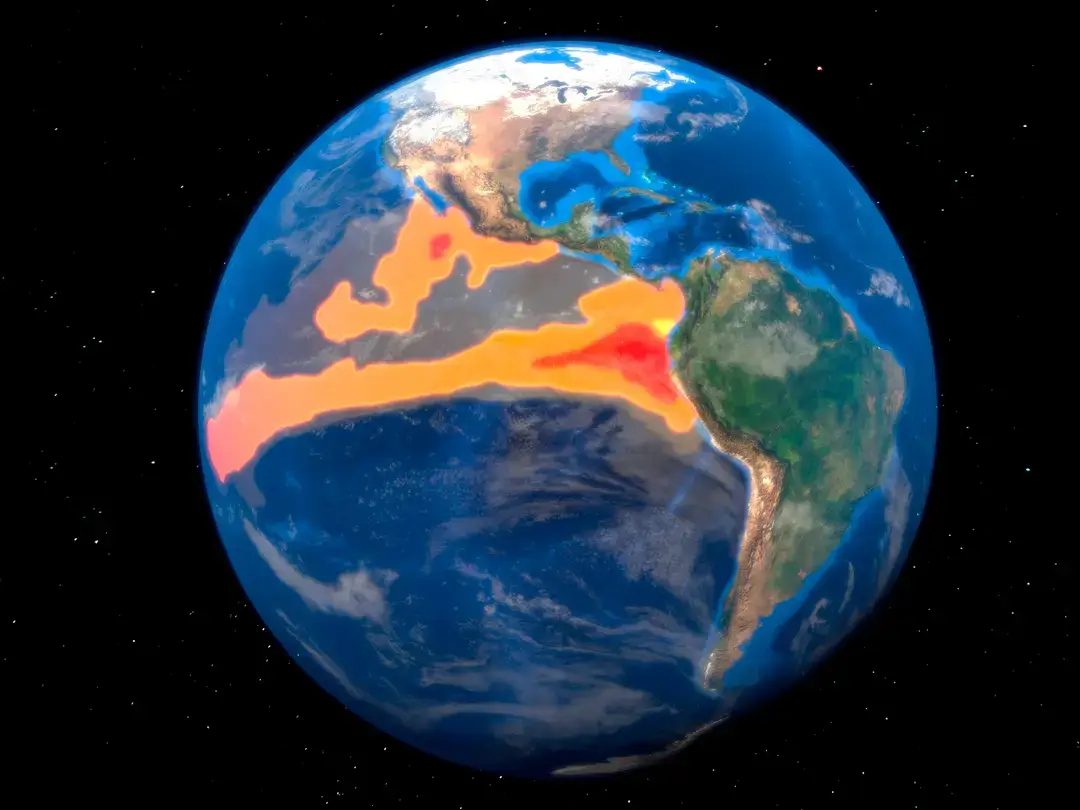
According to new computer simulations, if deployed aggressively enough, this approach could shield up to 75 per cent of the world's oceans from worsening marine heatwaves, and potentially prevent the buildup of superheated water in the Equatorial Pacific that scientists say is fuelling the most extreme El Niño cycle in 140 years.

Advert
The study comes as weather models show the incoming El Niño event is on track to be the strongest ever recorded.
A massive ocean heatwave spanning 9,000 miles has been forming in the Pacific since late 2025, while a separate marine heatwave stretching from Papua New Guinea to the Californian coast is currently running at temperatures up to 3°C above average.
Scientists at the University of Miami have warned that these extreme ocean events may actually be helping to initiate and amplify the El Niño conditions, creating a dangerous feedback loop with serious consequences for people, wildlife and the wider climate.
Is is possible to dim the sun?
The researchers, based at Michigan State University, ran simulations comparing a business-as-usual scenario against two geoengineering outcomes.
The results were stark. If nothing changes, marine heatwaves will get hotter and longer in 97 per cent of the world's oceans.
But if SAI is used to cap global warming at 1.5°C above pre-industrial levels, around a quarter of the ocean would be shielded from worsening heat.
Push that to a more aggressive 1°C cap, and heatwaves become cooler in 76 per cent of the ocean and shorter in 80 per cent of locations.
The regions that benefited most in the simulations were the tropical Atlantic, the Indian Ocean, the Arctic Ocean and the South Atlantic.
However, the benefits are far from evenly distributed. Even in the most aggressive scenario, the North Atlantic, Tropical Pacific, and parts of the Southern Ocean would still see worsening heatwaves if emissions don't also fall. Lead author Dr Lala Kounta put it bluntly: "The geography of protection is deeply unequal."
There's a significant catch, and the researchers are the first to admit it.
Co-author Professor Phoebe Zarnetske told the Daily Mail: "There's very little known about the ecological impacts."
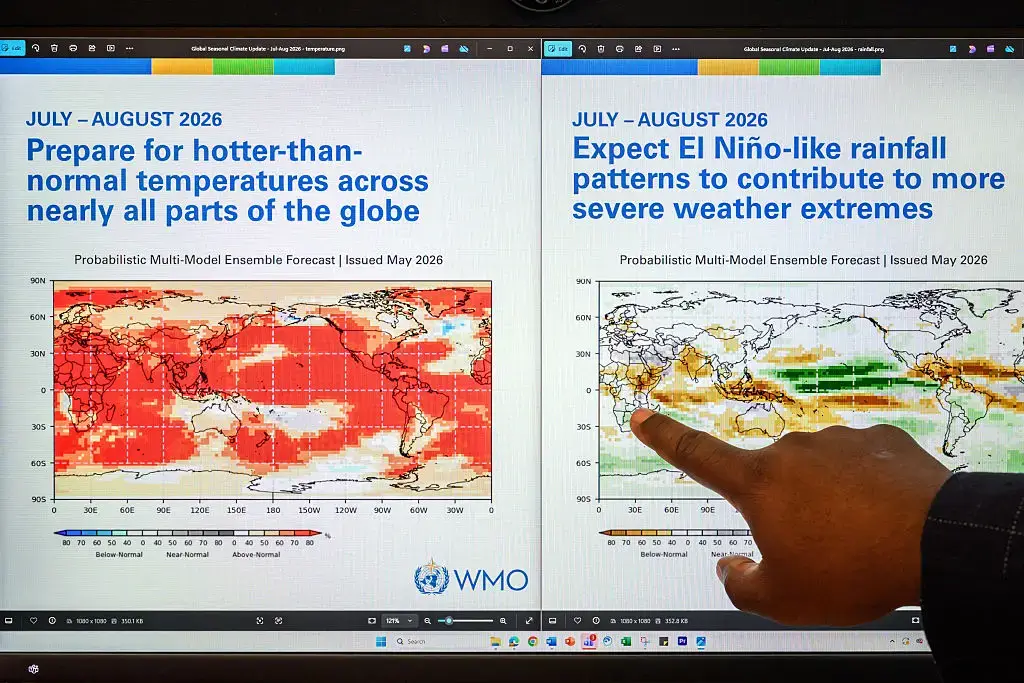
Previous research by Columbia Climate School found that SAI could wreak havoc on global weather patterns, with aerosol releases in polar regions likely to disrupt tropical monsoon systems and releases in equatorial regions potentially throwing the jet stream off course.
Dr Ying Chen, a cloud brightening expert at the University of Birmingham who was not involved in the study, told the Daily Mail: "Change the solar radiation heating at one place, may lead to change of atmospheric pattern in other places."
Professor Zarnetske was also emphatic that geoengineering is not a get-out-of-jail-free card.
"It's not a substitute for reducing emissions," she said.
"Reducing emissions is still the priority and is the most effective action to mitigate climate change."
In other words: dimming the sun might buy some time. But it won't fix the problem that's causing the heat in the first place.
Topics: Weather, Climate Change
 Thomas Bamford