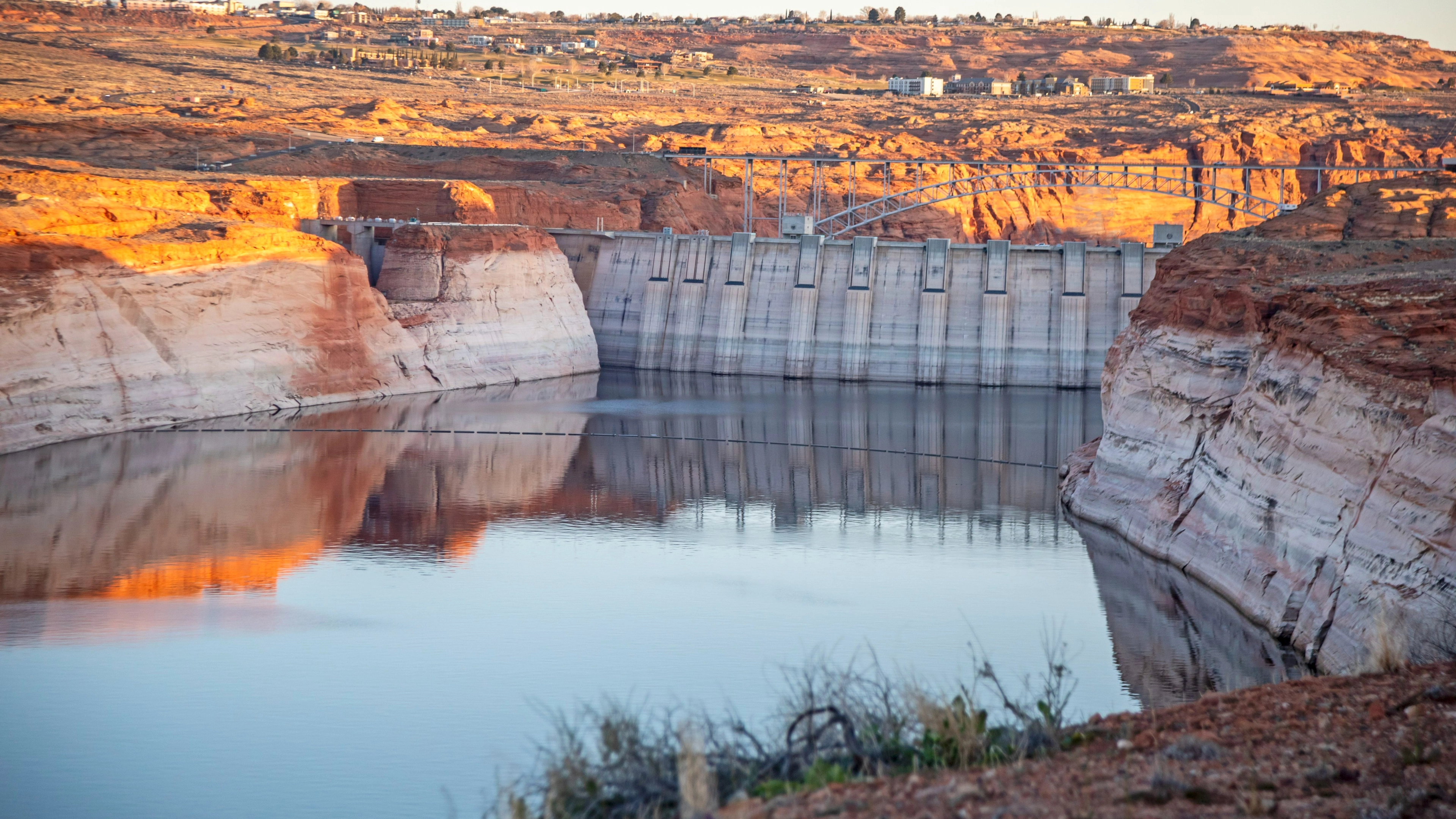
Millions of Americans warned they could face water and power shortages as crucial reservoirs hit record low

Millions of Americans have been warned they could face water and power shortages as pressure mounts on one of the most important water systems in the western United States.
The Colorado River supports households, cities and farms across a vast stretch of the US, making it essential to everyday life throughout the Southwest.
In fact, its water reaches communities across seven states, whilst also irrigating more than five million acres of farmland and helping generate electricity for around 700,000 homes.
Around 40 million people rely on the river altogether. That means any major disruption could have consequences far beyond the areas surrounding it.
Advert
Unfortunately, the last winter was one of the driest ever seen in the western US in terms of weather; with that, officials and researchers are now sounding the alarm over what could happen next, with concern growing that the system may struggle to continue meeting demand unless significant action is taken.
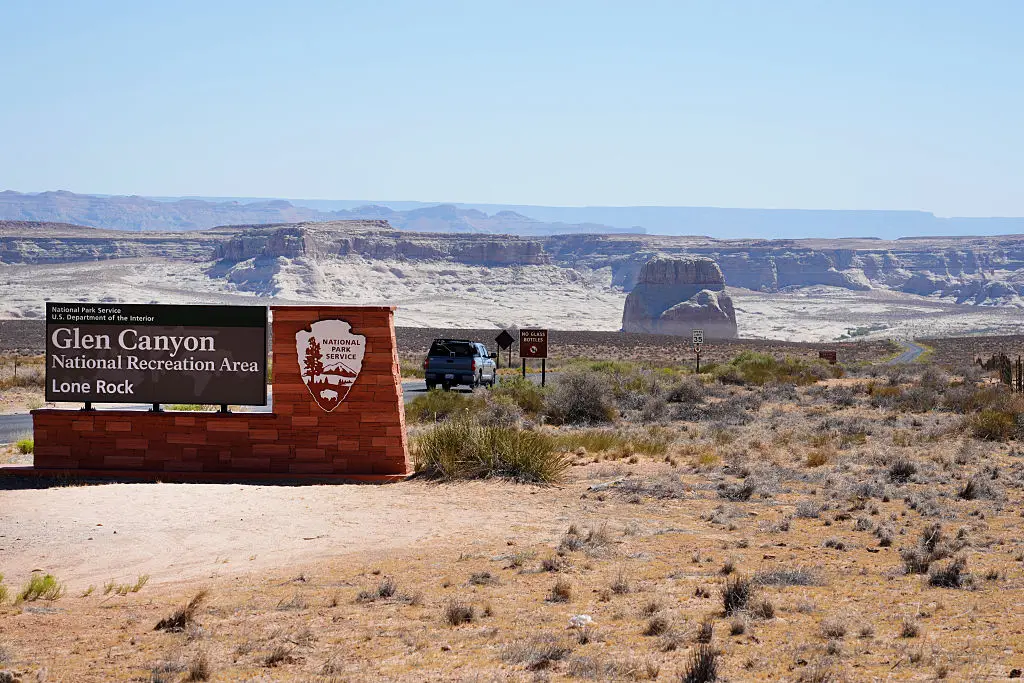
This big warning in question comes after a new expert analysis revealed Lake Powell and Lake Mead fell to their lowest combined water level since 1957. As noted by CNN, 1957 was actually when the Glen Canyon dam was being constructed — before the existence of Lake Powell in the first place.
On 12 July, the aforementioned Lake Powell stood at 3,524 feet, whilst Lake Mead was just under 1,043 feet, breaking the previous combined record set in March 2023. Together, the two reservoirs hold just under 60 per cent of the water stored across the Colorado River Basin.
Lake Powell is now 23 per cent full and has reached its lowest July level on record. Lake Mead, meanwhile, is 27 per cent full and sits less than one foot above its all-time low from July 2022.
Jack Schmidt, director of the Center for Colorado River Studies at Utah State University and one of the analysis’ authors, called the development ‘a milestone in the history of water storage in the Colorado River Basin’.
He said it revealed ‘the seriousness of the uniquely small amount of water that is presently stored in the basin’s reservoirs’.
Researchers predict the reservoirs will continue setting new combined storage lows every day until next spring, when runoff from winter snowpack is expected to begin replenishing them.
In the meantime, the situation could majorly affect electricity supplies.
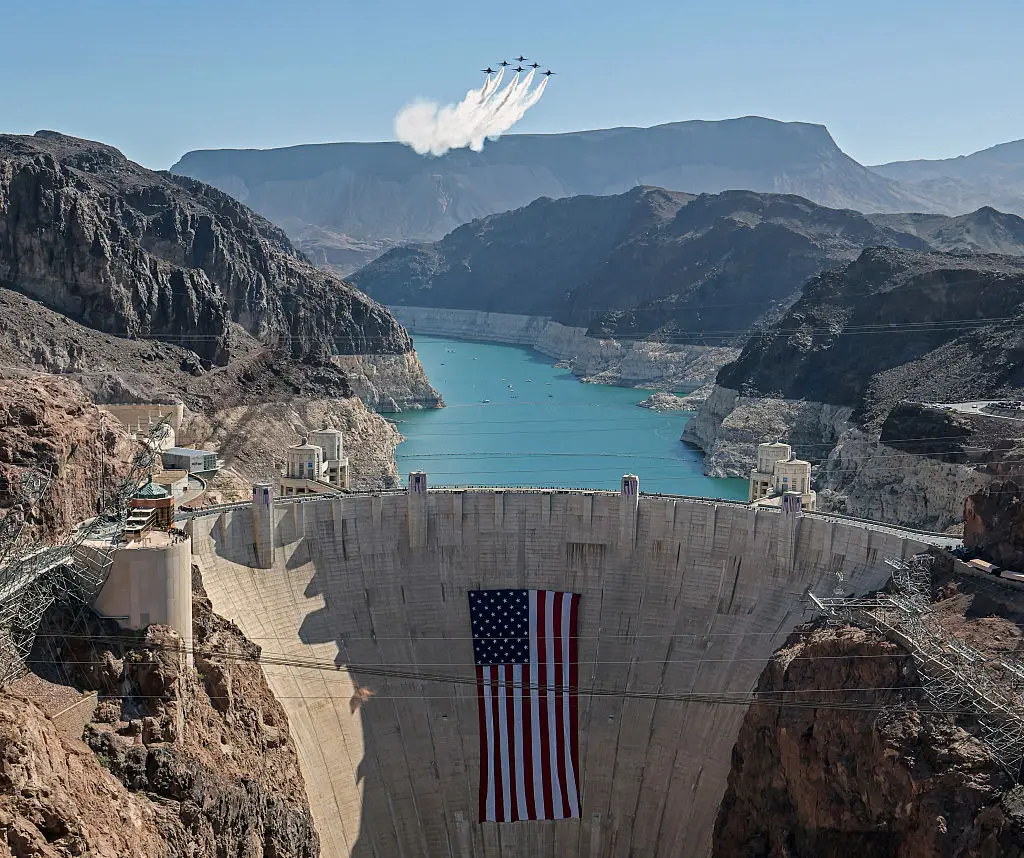
A July report from the Bureau of Reclamation warned Lake Powell may fall to ‘minimum power pool’ by spring 2027, meaning Glen Canyon Dam would no longer be able to generate hydropower.
A Reclamation spokesperson said the report “highlights the ongoing vulnerability of the Colorado River system and reinforces the urgent need for updated guidelines and procedures”.
Sarah Porter, director of the Kyl Center for Water Policy at Arizona State University, warned the danger could extend beyond reduced power generation.
She said: “The low reservoir levels are a dramatic signal that the system is at risk of crashing, meaning reservoir levels so low that water cannot be delivered from them.”
The Colorado River has shrunk over the past 25 years as demand has increased and hotter, drier conditions have reduced snow and water supplies. Around 95 per cent of the basin is in drought.
Although El Niño could bring more rain and snow, Porter said: “Even record snowpack this winter will not be enough to get us out of the danger zone.”
Schmidt added: “I worry that there remains too much hope that we will be saved by the coming winter snowpack.
“Hope and prayer is no way to run a national water system.”
Topics: Climate Change, Weather, US News
 Ben Williams