Four cities rank among worst air quality in the world as Canadian wildfire smoke engulfs US

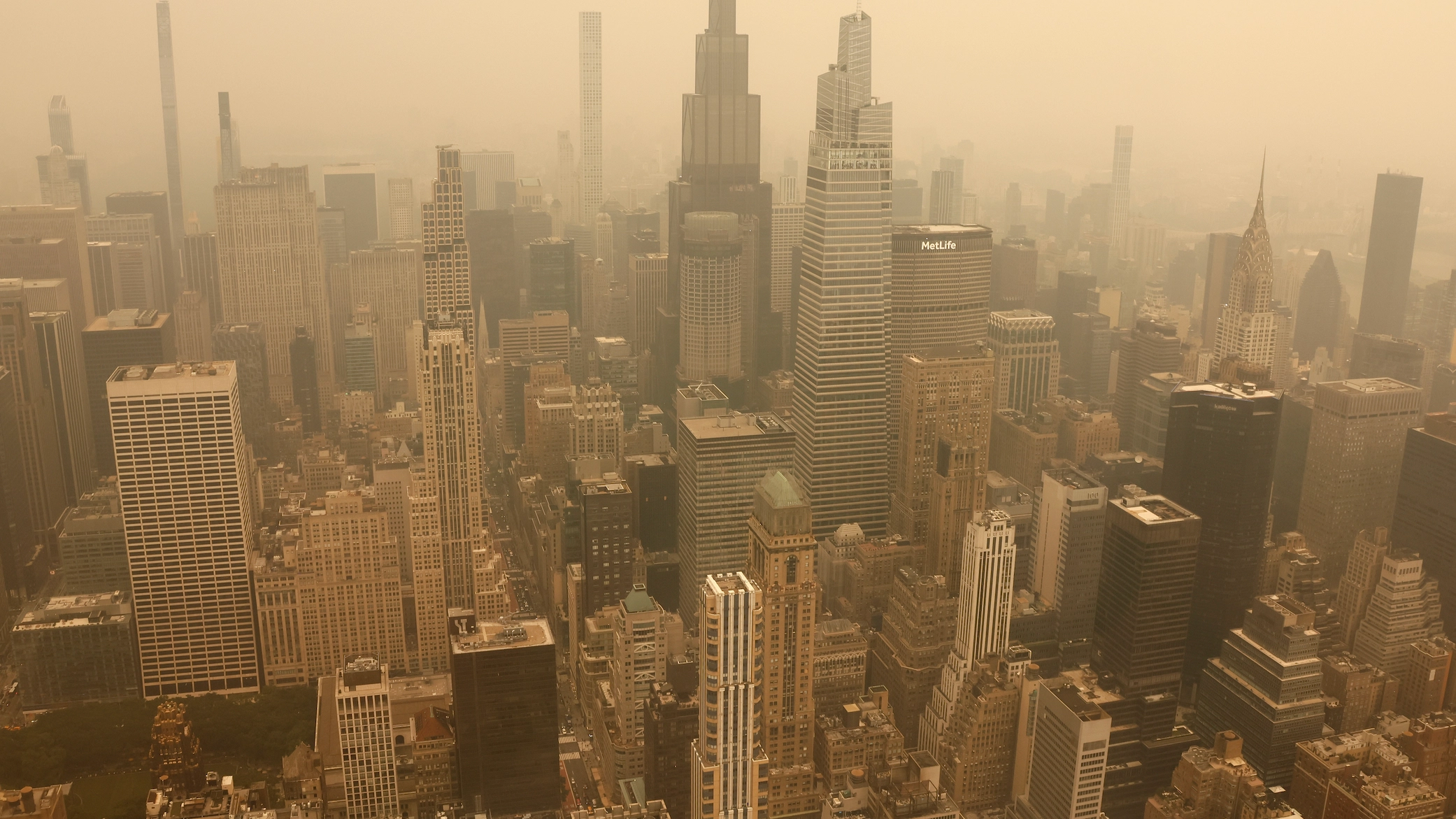
Four major US cities have made the top of a list measuring the most 'hazardous' air quality across the globe as a result of the smoke from the Canada wildfires.
Over 800 wildfires are burning across Canada, with smoke from the fires making its way over parts of the US, the BBC reports.
Millions of Americans have been facing extremely hazardous air quality as smoke has descending on the country.
And four major US cities in particular have been worst hit, ranked with the worst air quality not only among the areas affected by the wildfires, but among the top five cities with worst air quality across the world.
Advert
As of this morning (July 17), IQ Air updated its Live Major Cities Ranking - made up of approximately 120 major cities - according to Air Quality Index (AQI).
In the top spot is Detroit, with an AQI reading of 447 - anything over 301 considered 'hazardous'. And the second city isn't far behind.
In the second spot is Chicago with 404 and third is Washington DC with 247 - between 201-300 considered 'very unhealthy'.
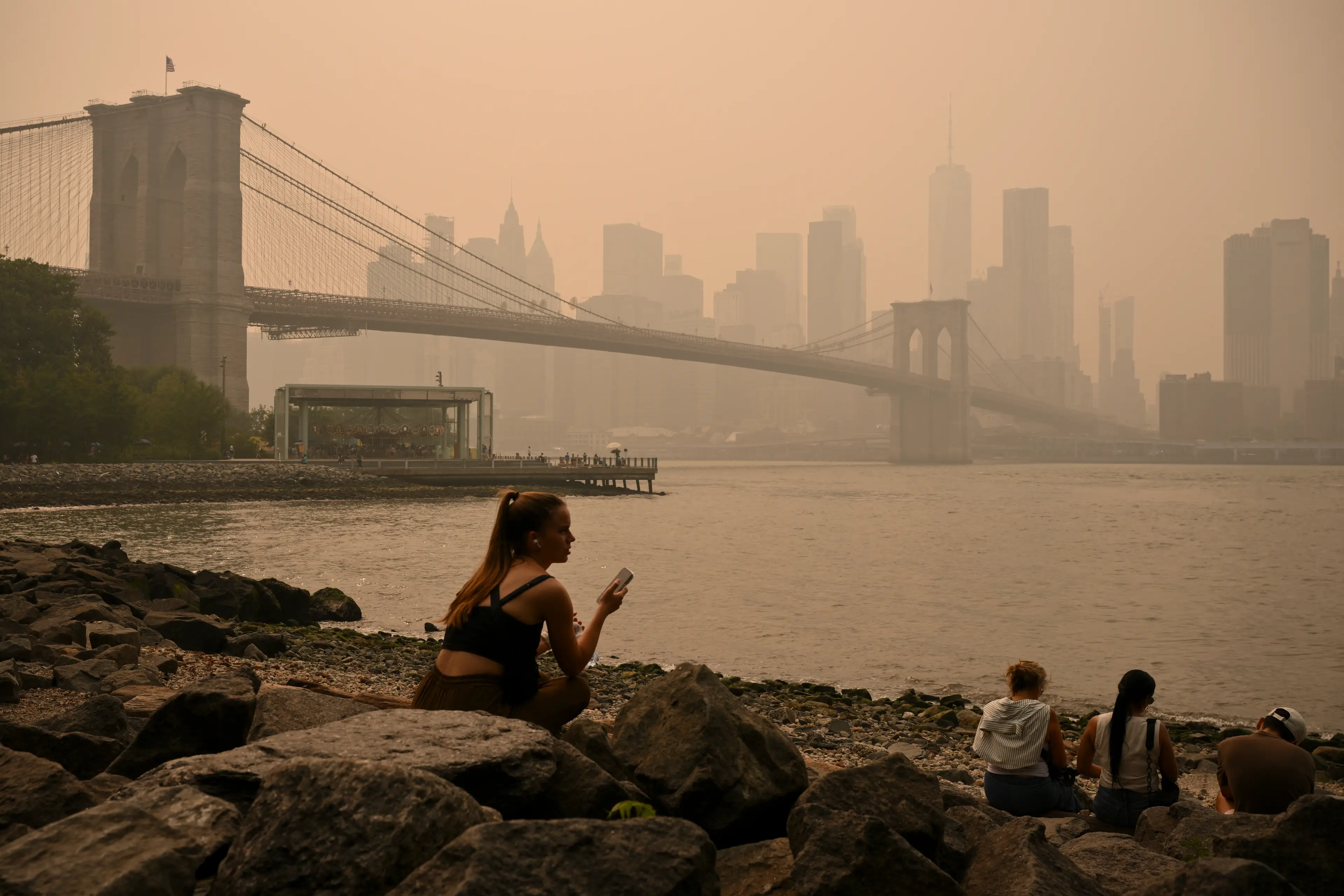
Following shortly after is Toronto in Canada with 225 and then New York sneaks into the top five too with a score of 176 - between 151-200 considered 'unhealthy'.
Other cities which follow include Kinshasa in the Democratic Republic of Congo, Nairobi in Kenya, Jakarta in Indonesia, Kampala in Uganda and Lahore in Pakistan.
IQ Air explains the data used to generate the live ranking is 'aggregated from thousands of regulatory air quality monitoring stations and low-cost air quality sensors operated by governmental bodies, research institutions, non-profit organisations, companies, and citizen scientists'.
Air quality alerts have been issued by multiple states and cities and the National Weather Service has released advice for those impacted by the wildfire smoke and hazardous air quality.

It advises:
- "Stay Informed. Listen to NOAA Weather Radio or your favorite weather news station
- Stay inside if possible, particularly if you have respiratory concerns or other health problems, are a senior or child
- If you must go out, try to limit the amount of time you are out to strictly essential activities
- Minimize your use of items that increase pollution, such as cars, gas powered lawn mowers and other vehicles
- Do not burn debris or other items during an air quality alert."
And the forecast ahead? Well, FOX Forecast Center predicts the hazardous air quality may be hanging round for a little while longer yet.
It reported: "Until the wind fully shifts back out of the southwest, some form of smoke and worsening air quality is anticipated to hang around through at least Friday, possibly into Saturday."
Topics: Canada, US News, Weather, Climate Change, Wildfires, Environment
 Poppy Bilderbeck