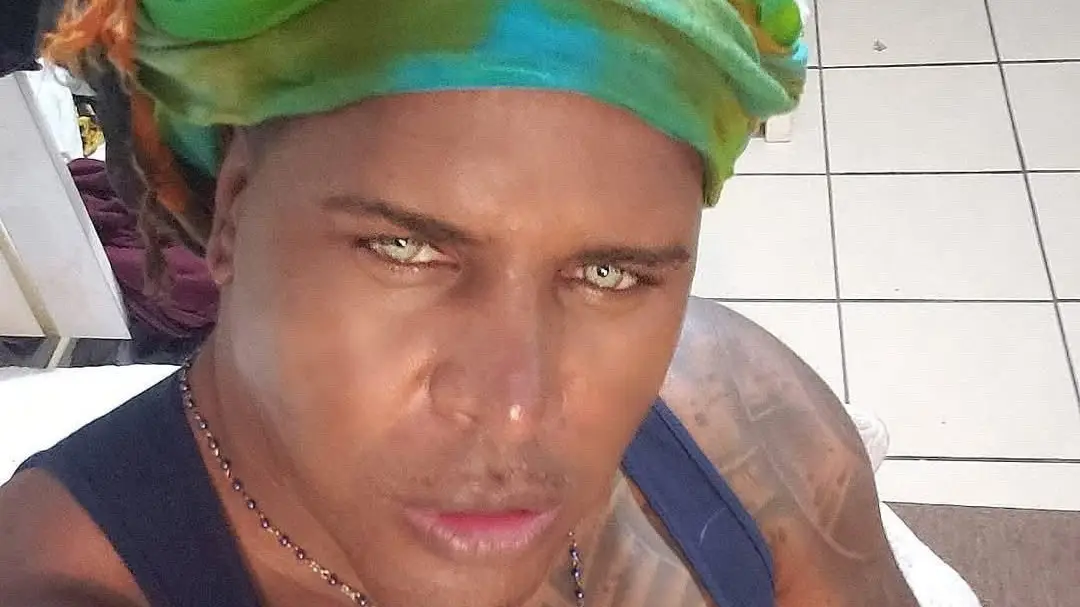
Man who was awake during surgery to change his eye color talks about the ‘scary procedure'

A man who underwent surgery to permanently change his eye color has opened up about what he's learned after the devastating moment he discovered doctors had given him the wrong shade entirely.
David Taylor, who features in new documentary Caterpillar, decided to have artificial iris implants after years of feeling insecure about his appearance.
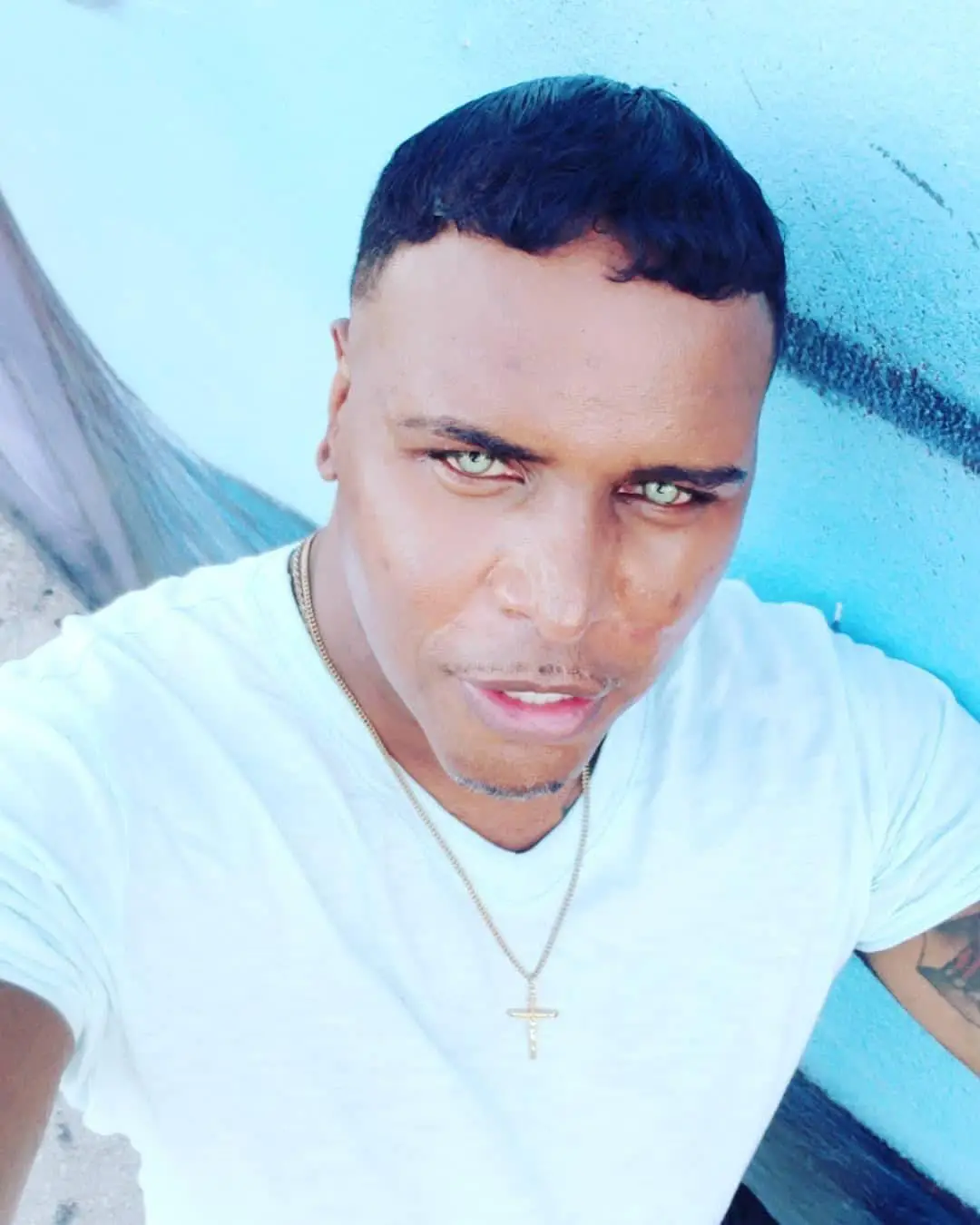
"At the time, I wanted a fresh start," he told UNILAD. "My father's side of the family has lighter, green eyes, and I always felt drawn to that. More than changing my eye colour, I wanted to change how I felt about myself.
"I thought that if I changed something so significant about my appearance, I would become a happier, more confident version of myself."
Advert
Taylor said he first came across the procedure online.
'I kept wondering if I was making a mistake'
"I first learned about the surgery through YouTube, Instagram, and articles I found online. I spent a lot of time researching it and watching people share what looked like incredible results," he explained.
"India kept coming up as one of the leading places to have the procedure done because of the surgeons' experience, so I believed it was the best option."
Even so, Taylor admits he was terrified going into the operation.
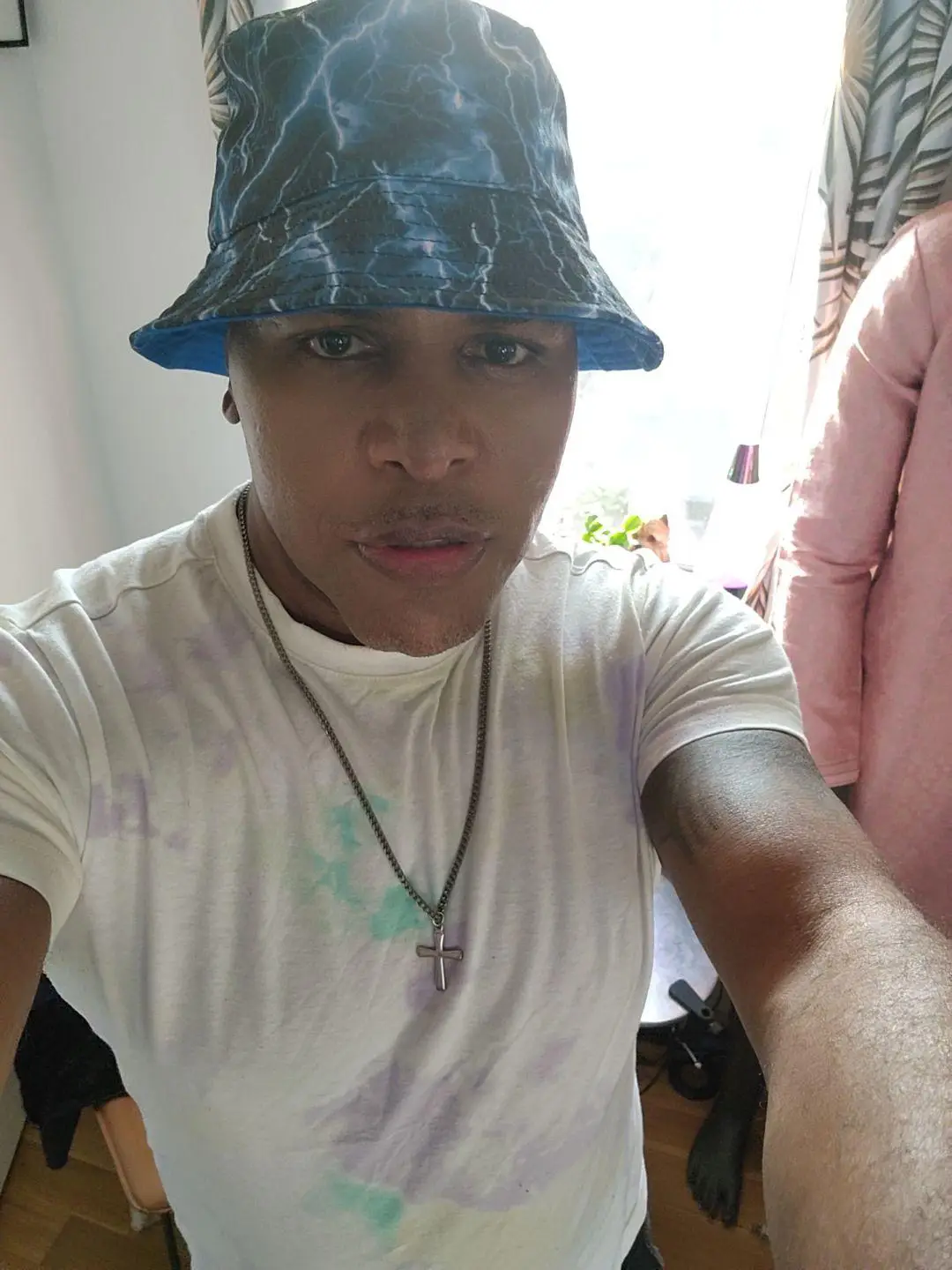
"I was feeling a mix of emotions. I was excited because I thought I was about to begin a new chapter in my life, but I was also terrified. I kept wondering if I was making a mistake and whether something could go wrong, including the possibility of losing my vision.
"Even with those fears, I had faith and believed everything would be okay."
What is BrightOcular?
Taylor reportedly reached out to BrightOcular, the company behind the artificial iris implant procedure, after struggling to afford the surgery himself.
Unable to cover the cost, he offered to promote his experience with the company in exchange for undergoing the procedure.
BrightOcular is said to have then invited him to join a small group of others for the surgery in India, having told him beforehand that the procedure would be life-changing and would leave him 'feeling and looking better'.
BrightOcular describes the implant as a US-developed product made from biocompatible medical-grade silicone. It hasn't been approved by the US Food and Drug Administration and isn't available in the United States, with the company instead operating through clinics abroad, including in India.
Listed potential complications include infections, elevated eye pressure, glaucoma and deterioration of the iris. A 2018 medical study reportedly found the implants can severely damage corneal health, in some cases recommending urgent removal to protect patients' vision.
What did the eye surgery actually feel like?
Taylor said being awake throughout the procedure was the hardest part to process in the moment.
"The surgery was intimidating because I was awake," he said. "The most uncomfortable part was having the device hold my eye open. I mostly felt pressure rather than pain. At one point my vision went completely black, which was frightening, but then it returned."
But it was what came after that really took its toll.
"The recovery and the complications were by far the hardest part," he said. "I experienced headaches, constant light sensitivity, red eyes, itching, and a gritty feeling like there was sand in my eyes all the time.
"That was the moment I realized I had made a decision that would affect my life in ways I never expected."
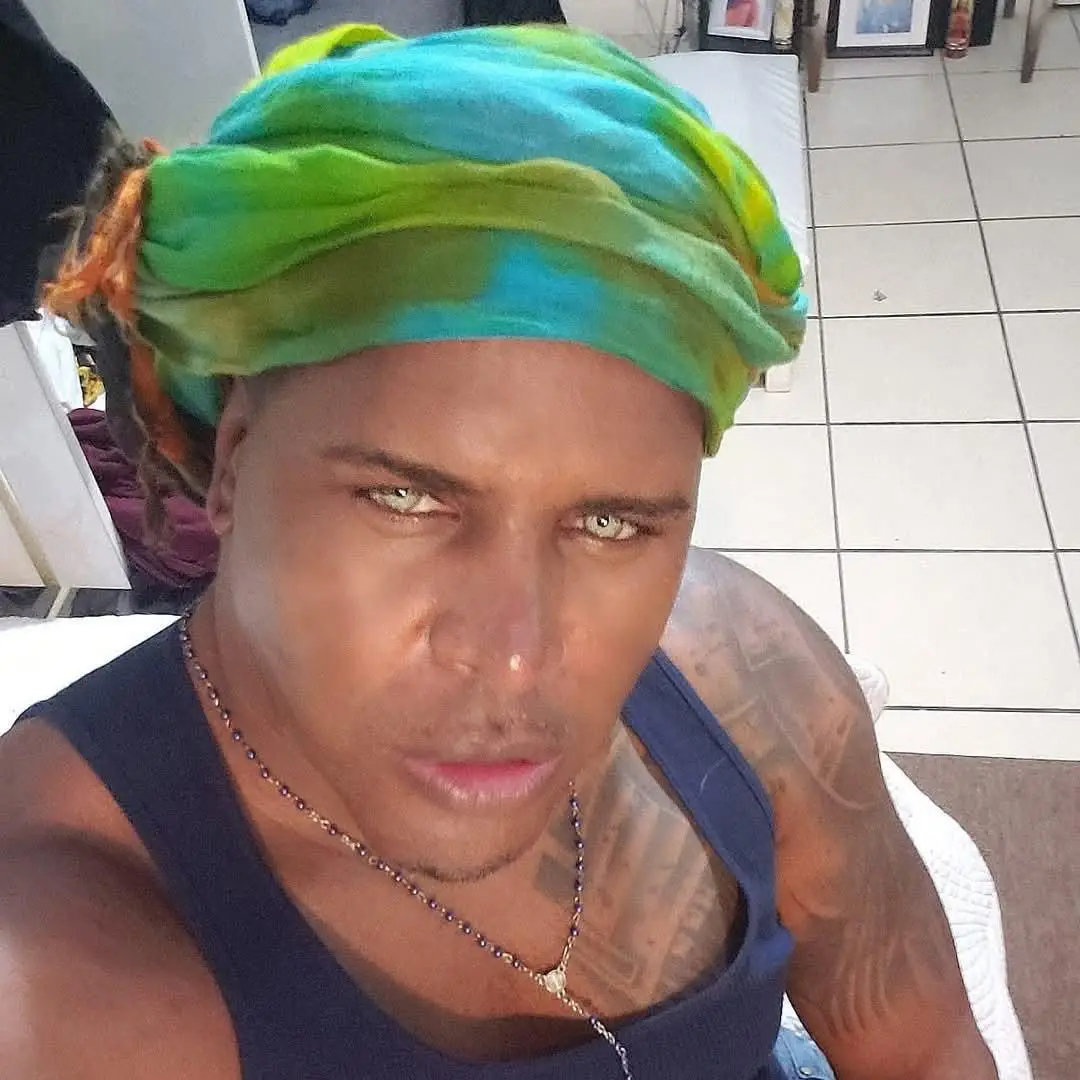
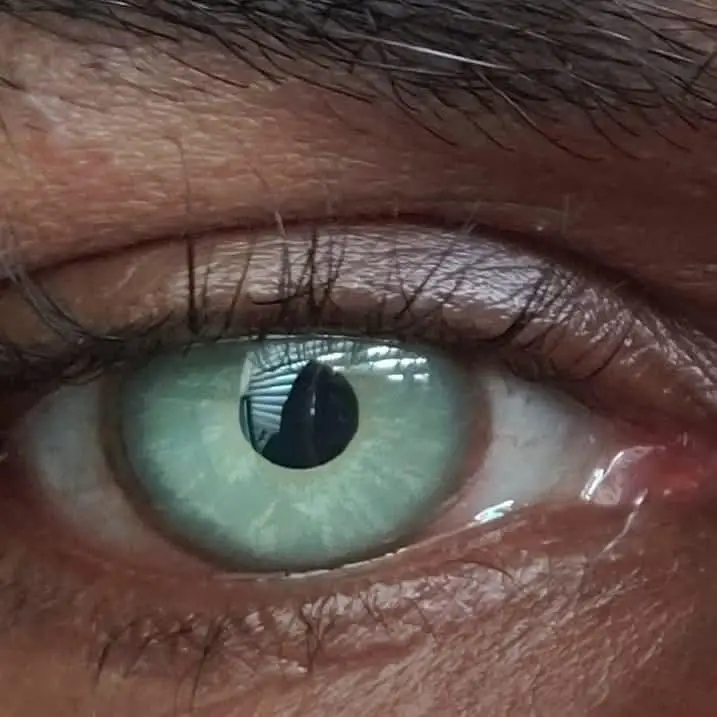
Then came the discovery that his eyes hadn't even come out the color he'd asked for.
"I was devastated. I felt shocked, angry, disappointed, and full of regret. I remember thinking, 'I did all of this for nothing.' I also realized that I had put my eyesight at risk. It was one of the hardest moments of my life."
Does David regret the surgery?
Even after discovering the botched result, Taylor says he's since needed four separate follow-up surgeries, each one more frightening than the last.
Speaking in Caterpillar, he doesn't sugarcoat it: "This is scary, this s**t is scary... another operation," all while knowing his eyesight was hanging in the balance.
David now considers himself lucky his vision wasn't lost entirely.
"I've now had four surgeries. Thankfully, I still have my vision, and I'm incredibly grateful for that. I can still see some damage to my irises, and I notice differences when I look closely, but I know how fortunate I am. Many people who underwent similar procedures have experienced much worse complications."
Reflecting on what he's learned, Taylor said: "I would definitely do more research and listen more carefully to other people's experiences. At the time, though, I was so determined that I'm not sure anyone could have changed my mind.
"Looking back now, I wish I had loved myself enough not to take that risk. Today, I understand that no cosmetic procedure is worth risking your health or your vision."
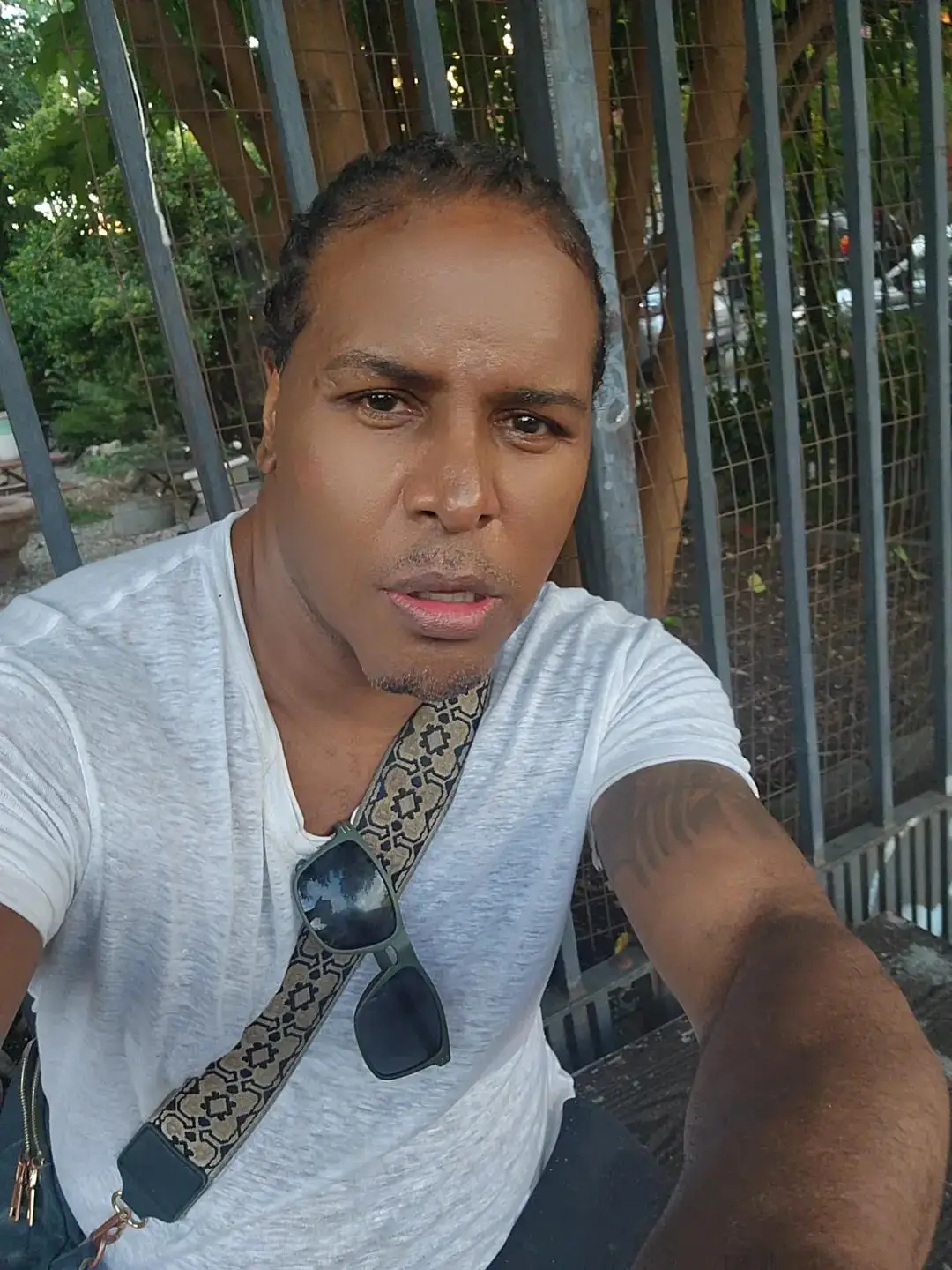
Now, Taylor says he wants his experience to serve as a warning to anyone considering the same path.
"I would never judge someone because I made the same decision myself. Instead, I would encourage them to learn everything they can before making that choice. If someone has already had complications, I want them to know they aren't alone.
"I've helped several people find support after experiencing problems, and I'm proud that Caterpillar has opened the door to those conversations. If sharing my story helps even one person avoid what I went through, then it's worth it."
He added that the experience has changed more than just his appearance.
"I've become much more confident, grateful, and accepting of myself. I no longer believe my value comes from my appearance. I recognize my sense of humor, my kindness, and my ability to connect with people."
Looking ahead, Taylor says he's focused on staying positive and helping others navigate similar experiences. "I want to keep sharing my story and reminding people that healing starts from within. Today, I know I'm enough just as I am, and that's the greatest gift this journey has given me."
UNILAD has contacted BrightOcular for comment.
If you have a story to tell, send it to [email protected]
Topics: Health, US News, Documentaries
 Thomas Bamford