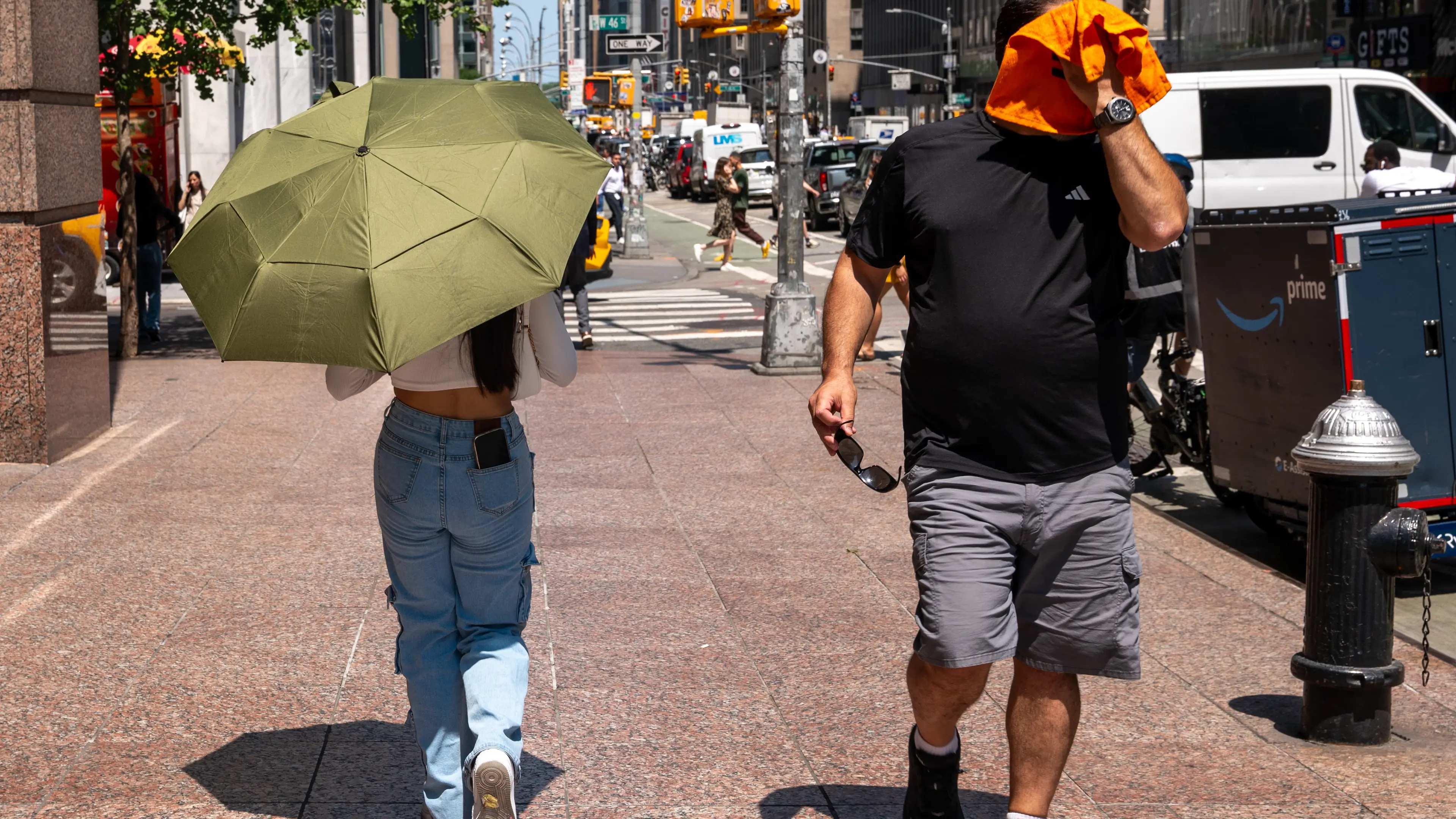
Life-threatening 'heat dome' to scorch certain US cities this week as forecasters issue warning

Europe has suffered through an extreme heatwave, and now it's the U.S' turn, forecasters say.
There's a lot to celebrate in the country over the upcoming weeks, including the July Fourth holiday, and the final stages of the FIFA World Cup, which is being held across the United States, Mexico and Canada.
Soccer players at the World Cup have already been granted 'controversial' hydration breaks due to the heat - which is only set to get hotter.
Not only will temperatures rise with the 'heat dome,' but they'll also feel even hotter due to humidity, which will be arriving alongside.
Advert
As per the Royal Meteorological Society, a Heat Dome is 'created when an area of high pressure stays over the same area for days or even weeks, trapping very warm air underneath.' It is often described as 'a lid on a pot'.
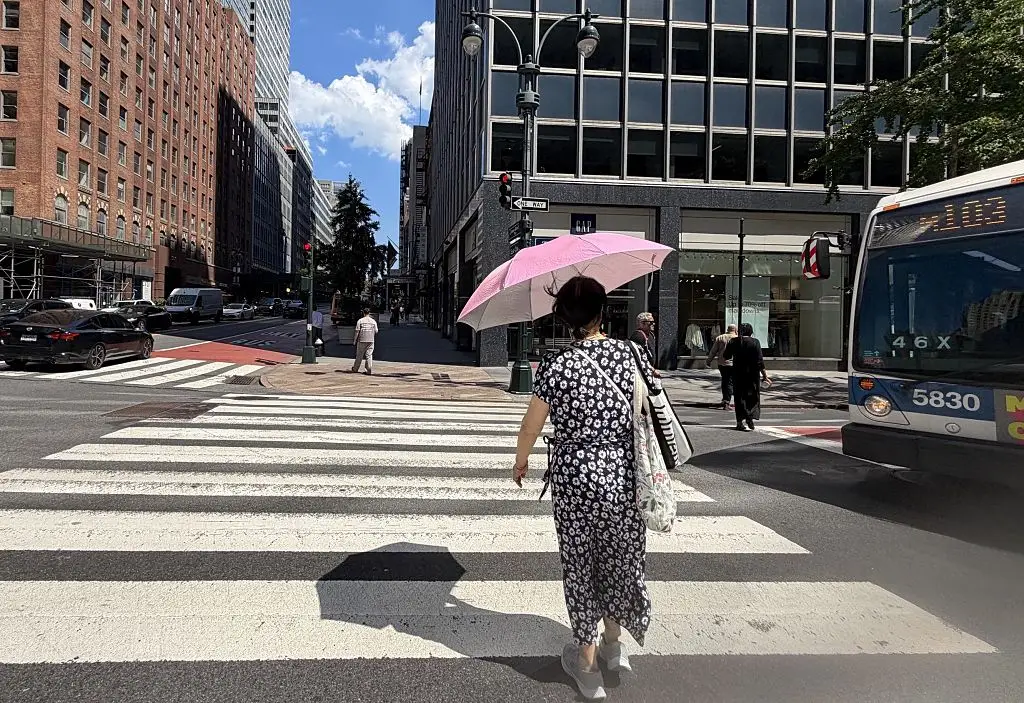
The National Weather Service warned on Sunday that "dangerous to record setting heat will expand across the eastern two-thirds" of the country.
“With the combination of high humidity, heat indices may reach 100-110 Degrees,” the NWS continued.
“Much of the central and eastern U.S. is under a Moderate to Major HeatRisk, which can pose health impacts on those without hydration or cooling.”
States including Washington, New York, Philadelphia, and Baltimore are set to be affected, with temperatures set to soar into record highs of the 100s.
Central states including Chicago, Detroit, Kansas City and Nashville have also been given extreme heat warnings, with Southern states, including Dallas and Memphis also set to experience scorching temperatures.
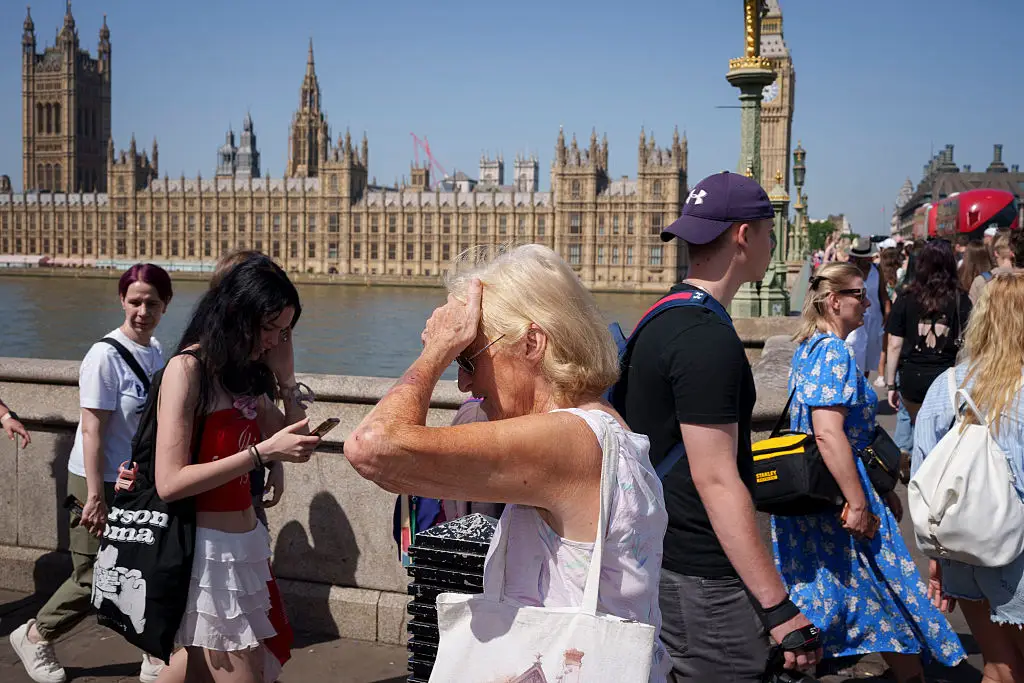
What are the dangers of a heat dome?
As per the World Economic Forum, 'extreme heat is the deadliest climate risk of current times'.
It claims more deaths annually than any other extreme weather conditions, including 'floods, hurricanes, earthquakes and wildfires combined.'
Extreme heat is said to cause over 489,000 deaths annually.
As there will be no 'nighttime relief,' with temperatures only expecting to fall into the 70s, the Weather Prediction Centre said this combined will 'increase the risk of heat-related illnesses, especially for vulnerable populations and those without adequate cooling'.
People living in areas experiencing extreme heat are advised to limit outdoor activities during peak hours, and to utilize areas with air conditioning.
It is also essential to stay hydrated in the heat.
The latest heatwave in Europe is said to have been linked to 1,300 deaths, the World Health Organization (WHO) said.
Topics: Climate Change, Environment, US News
 Kiesha Dosanjh