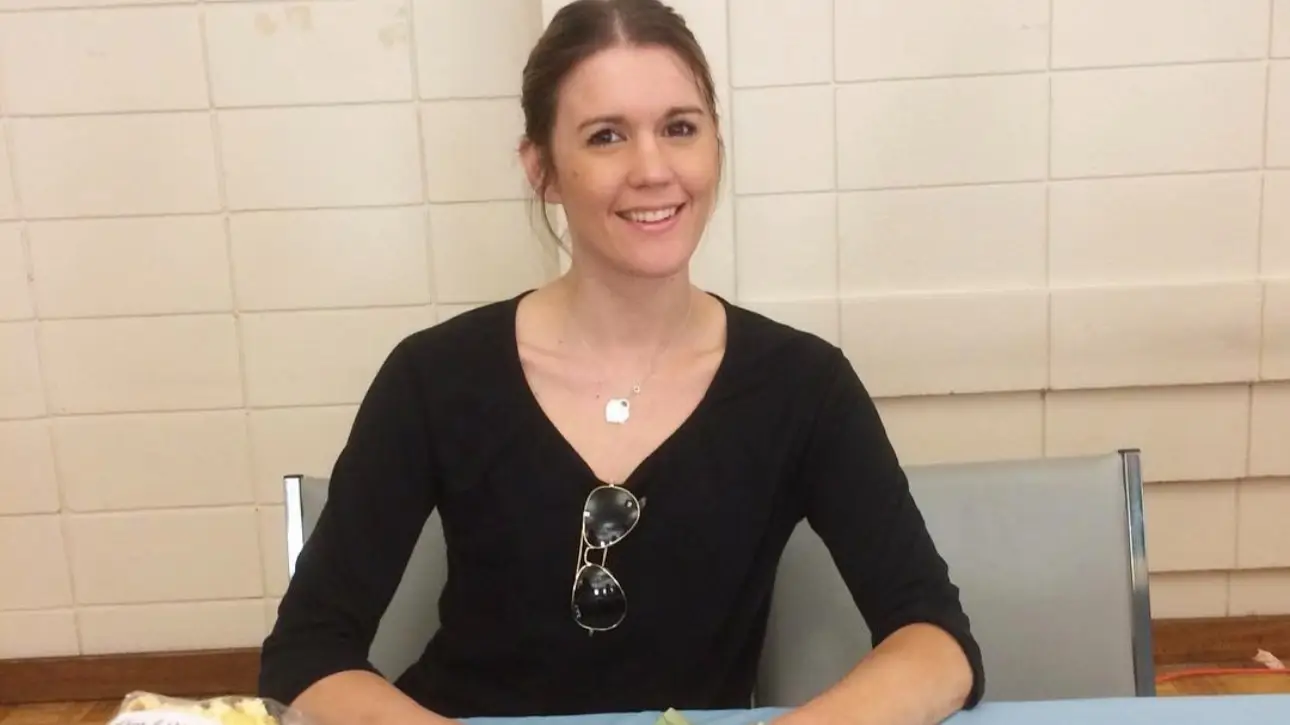
Woman jailed after giving herself up for smuggling in airport at 26 now leads very different life

Warning: This article contains discussion of drug addiction which some readers may find distressing.
A woman who was manipulated into smuggling drugs into Canada has opened up about the terrifying ordeal, reflecting on her time spent behind bars and how she used it to completely turn her life around.
Emily O'Brien was 26 and running her own social media company in Toronto when she agreed to go on a trip with a man she knew only as Noah, someone she'd met through work and believed to be a trusted friend.
Speaking about the experience, Emily said she'd been going through a difficult period after her parents' divorce and had turned to alcohol and cocaine to cope, something Noah would exploit.
Advert
Emily said Noah had once asked if she'd be willing to bring drugs back from a trip abroad, an offer she immediately rejected.
He later convinced her the trip could still go ahead as a 'sober holiday', and she agreed, only for the destination to change from Puerto Rico to St Lucia without proper explanation.
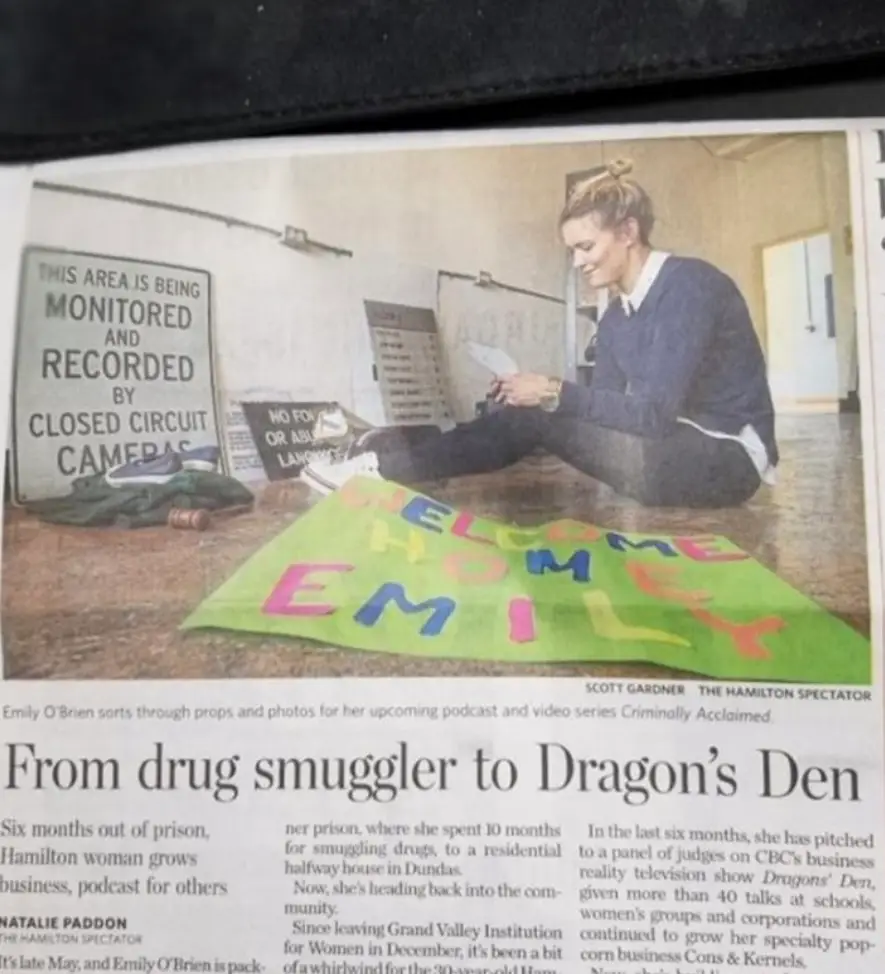
How the drug smuggling operation unfolded
According to Emily, the first few days of the trip felt normal, but everything changed when Noah began drinking heavily and buying drugs on the beach.
She recalled being told they weren't returning to the resort because 'we're here to work', before being driven to a remote property where a woman thanked her for 'doing this'.
The woman had given the pair four kilograms of cocaine, with a reported street value of $480,000.
It later became clear Noah had sent copies of Emily's passport to contacts in St Lucia as part of a debt he owed, and that she was being used to smuggle drugs back into Canada.
Emily said she was made to wear modified 'cycling' shorts with pockets sewn in to conceal the narcotics for the flight home.
"I was absolutely terrified. It was so obvious we were going to get caught - there was no way we were ever going to get away with it.
"Noah told me that he was told all the staff at St Lucia airport were 'in on it', and I needn't worry, but that was just nonsense.
“I was a mixture of being scared and angry for allowing myself to be tricked into this situation. I should have been nowhere near it.”
Noah offered to carry all of the drugs and the pair formulated a plan to pass the drugs on to him in the airplane toilet.
“Noah was playing it all down, saying we were going to get away with it, but there was really no chance. I knew we’d be arrested when we landed.”
Despite offering to take the drugs from Emily on the flight, he said it was 'too late' and she'd have to carry the drugs into Canada on her own.
When the pair landed back in Canada, they were pulled into secondary screening.
Emily said she couldn’t help having suspicious body language, and her eyes were ‘moving all over the place’.
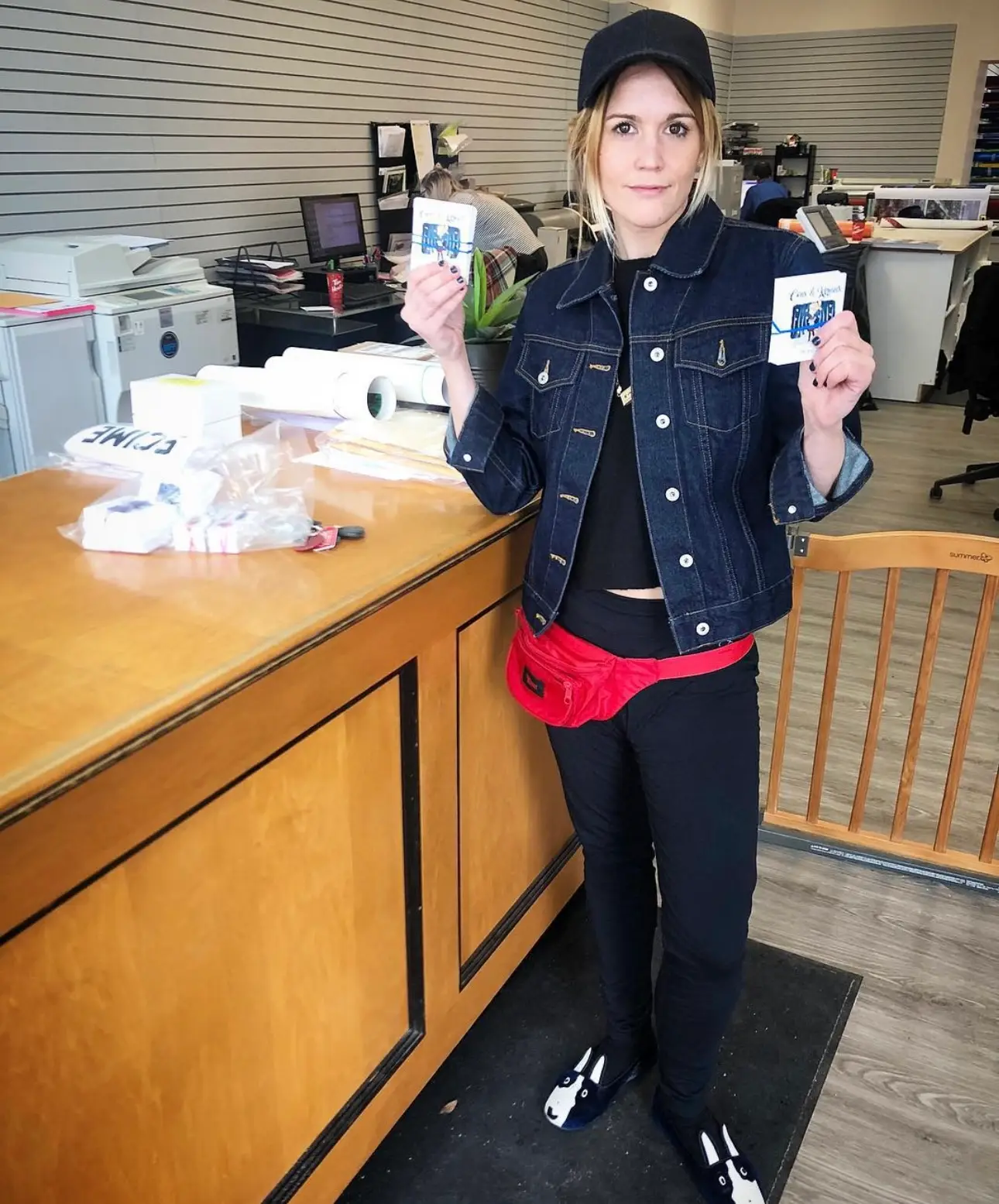
How would she defend a three-day trip to St Lucia?
She made it past the first airport checkpoint in Toronto, before picking up her bags and heading to an officer on the passport podium.
She recalled hoping that the whole thing would be over soon, and she’d get to go home.
Emily said that when officer asked her 'if she liked to party', then asked directly if she was carrying drugs, she told them the truth. "I wasn't protecting him anymore," she explained.
They then did a physical search and discovered the drugs sewn into her dress and cycling shorts.
What happened to Emily O'Brien after her arrest?
Emily spent two and a half years on house arrest before entering prison on January 16th 2018, a date she noted was also her mum's birthday.
She pleaded guilty rather than go to trial, saying it was 'the right thing to do' for her family.
Describing her time behind bars, Emily said prison 'is definitely prison; and came with genuine violence and hardship, but also unexpected moments of connection, particularly around food.'
She said: "There was violence. There were fights. There were suicide attempts. Some people openly self-harmed.
"At the same time, genuine friendships were formed there.
"I was in a medium-security institution because I had no violent history. We cooked our own meals together, which forced people to cooperate and build relationships.
"One thing I loved was making popcorn. I'd buy kernels from the canteen and experiment with different flavor combinations. Other women would contribute ideas too.
"That simple snack became something that brought people together."
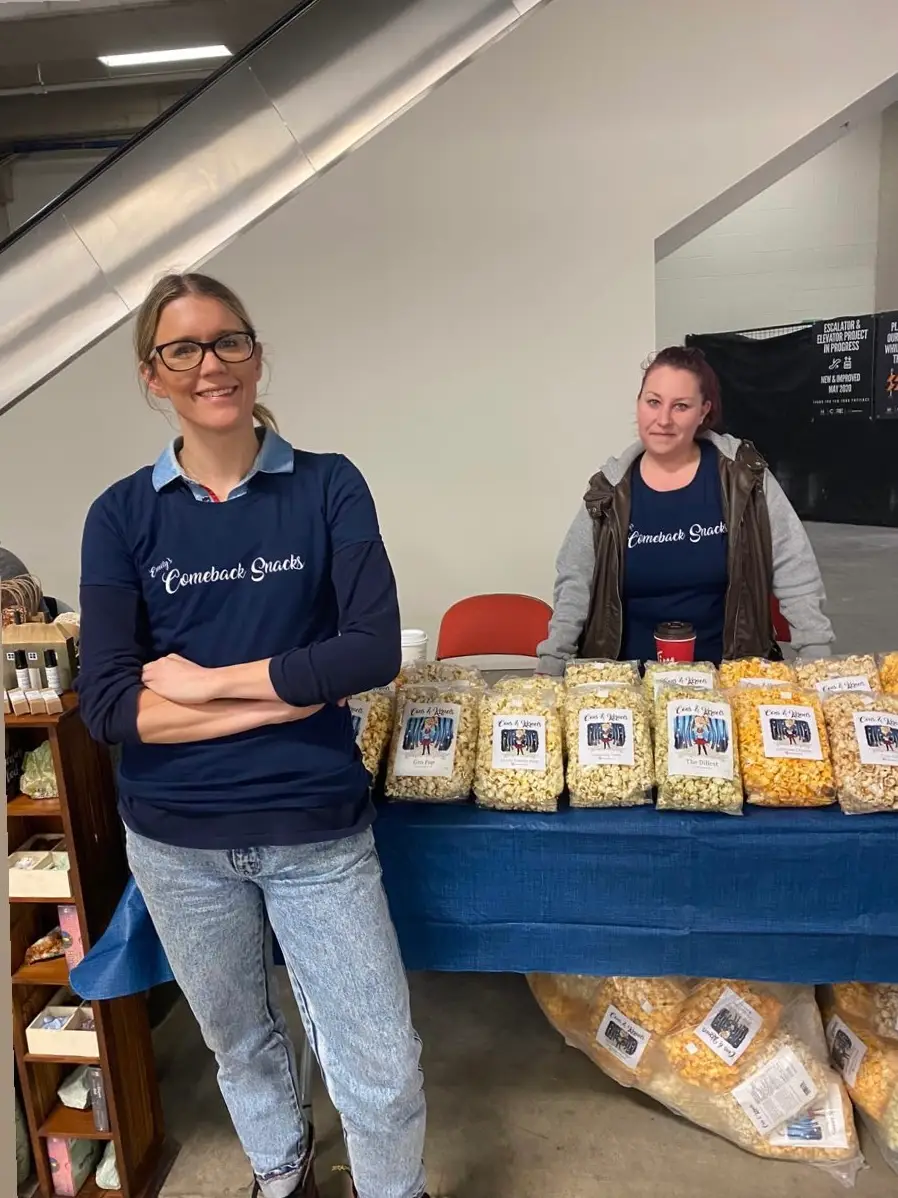
That experience inspired her to launch Comeback Snacks, a popcorn company built around giving formerly incarcerated people a second chance.
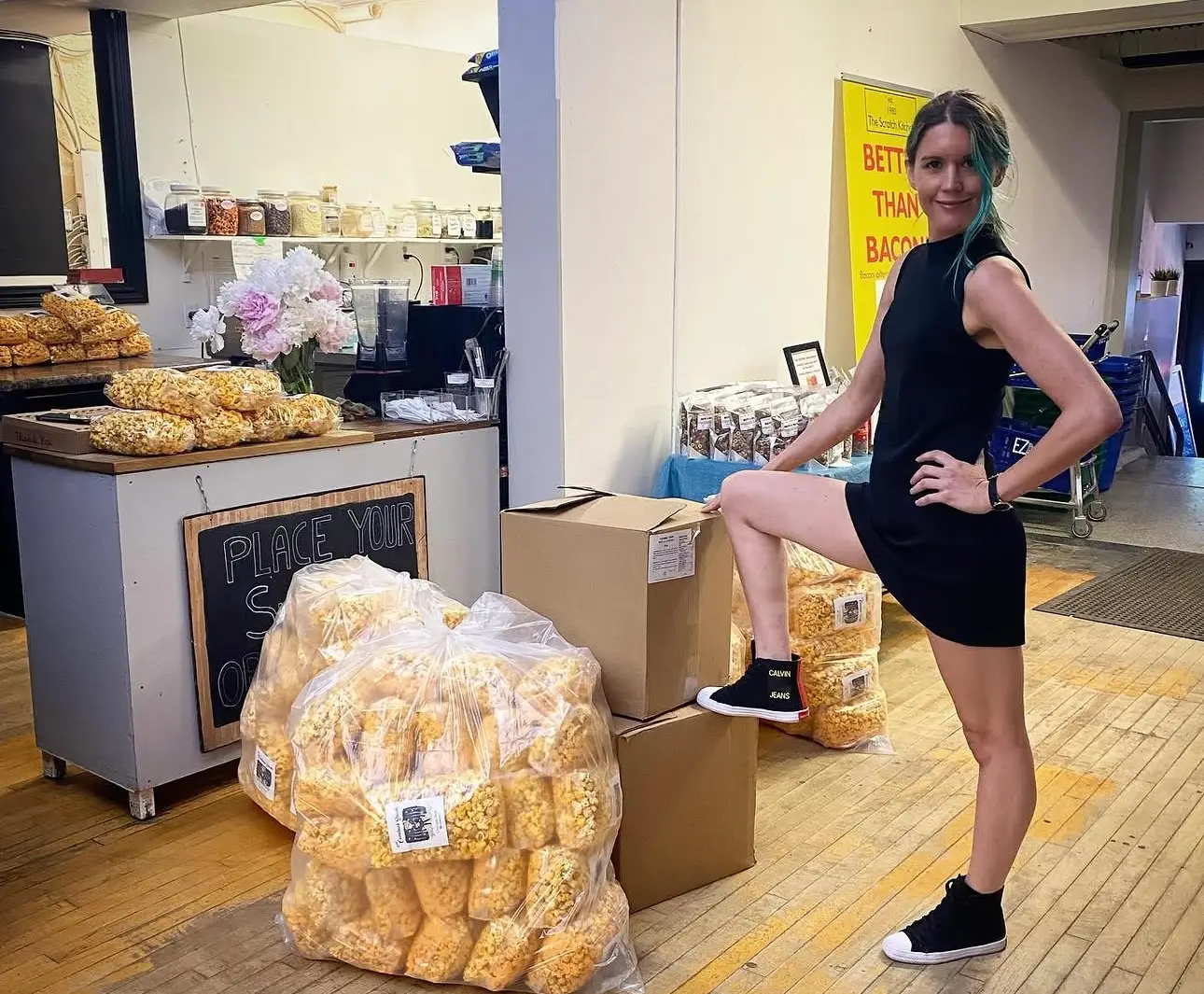
She said she began laying the groundwork for the business while still behind bars, reading more than 80 books and writing to authors to build a network of mentors ahead of her release.
Once out, she said she was determined to do things 'by the book', securing the proper licences and renting a commercial kitchen to develop and produce her popcorn flavors legally.
She continued working a job at a gym while getting the company off the ground, and said she hired her first employee within six months of starting out.
Emily said the business gained significant momentum during the Covid-19 pandemic, as people became more drawn to stories about resilience and rebuilding, prompting her to speak to more families about overcoming hardship.
Comeback Snacks popcorn is now stocked in around 1,500 stores across Canada and has expanded into a wider mentorship programme called Comeback Catalyst, which she said has helped more than 130 graduates build their own businesses since launching.
"If it's never too late to make a mistake, then it's never too late to rebuild your life."
Reflecting on the experience, Emily said: "I understand that actions have consequences. I went to prison because I was involved in a drug smuggling operation, and I accept responsibility for that.
"I know the harm drugs can cause. I've seen it firsthand and I've lived it."
Emily added that she had served her sentence and 'accepted the consequences' of her actions.
She continued: "What matters to me now is using that experience to help others and hopefully make the world a little better because of it," adding: "If it's never too late to make a mistake, then it's never too late to rebuild your life."
If you want friendly, confidential advice about drugs, you can call American Addiction Centers on (313) 209-9137 24/7, or contact them through their website.
If you have a story to tell, send it to [email protected]
Topics: True crime, Crime, Business, Canada
 Thomas Bamford