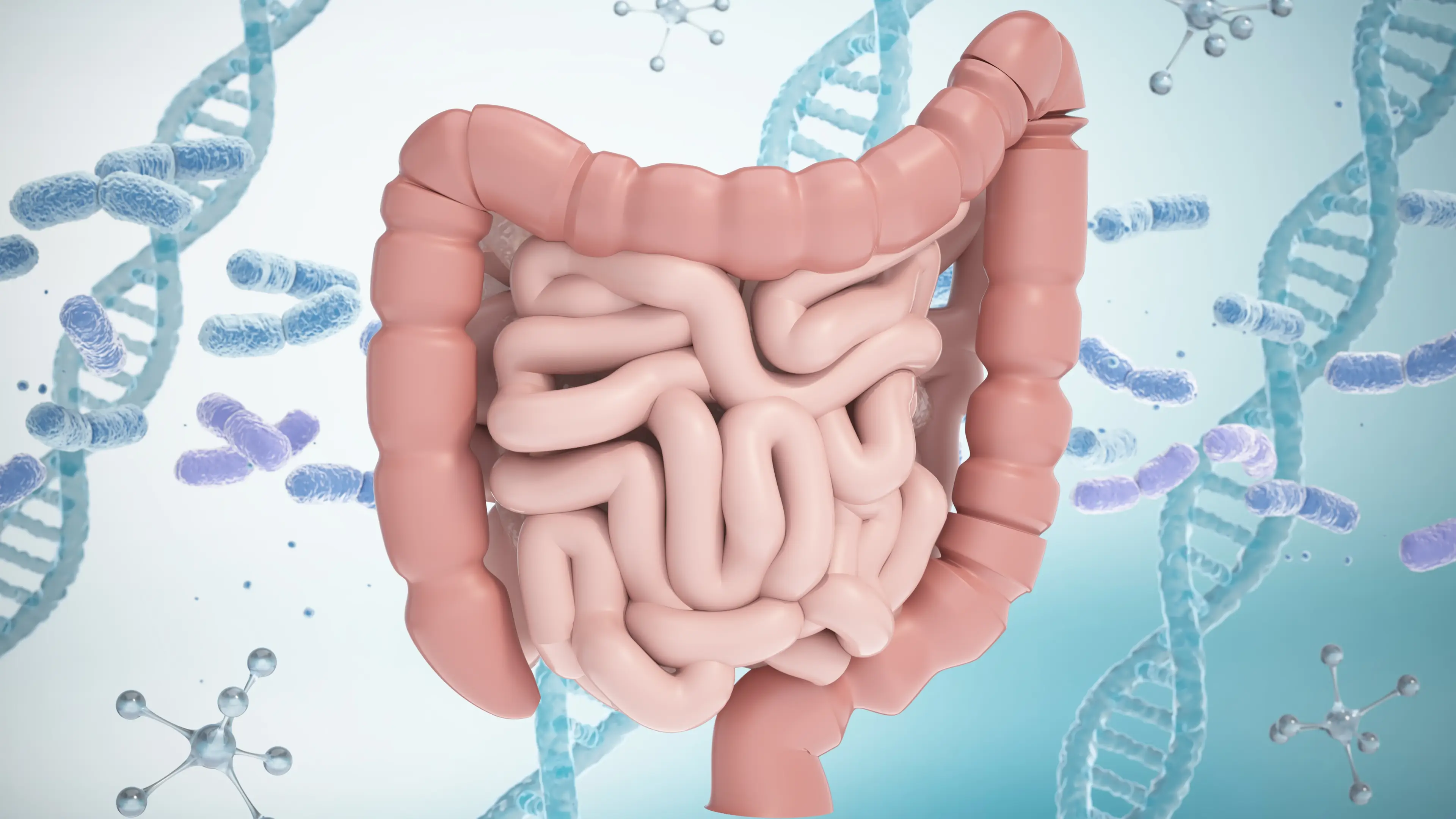
Scientists warn your gut bacteria could literally start ‘eating you’ if you don’t get enough fibre

When your fibre intake drops, the trillions of bacteria living in your gut don't just go hungry, they start breaking down the mucus lining of your intestines, according to new research.
Two studies from Ludwig Princeton, published in the Proceedings of the National Academy of Sciences and Nature Metabolism, have uncovered exactly what happens when gut microbes are left without enough plant material to feed on, and the findings suggest your diet has a far more direct impact on your gut health than previously understood.
According to Science Daily, the research team, led by Jenna AbuSalim and Director Joshua Rabinowitz, tracked how bacteria in the gut process compounds called phenol metabolites, byproducts created when microbes digest the amino acids tyrosine and phenylalanine.
Depending on what's fuelling that digestion, the resulting compounds can either support your health or actively work against it.
Advert
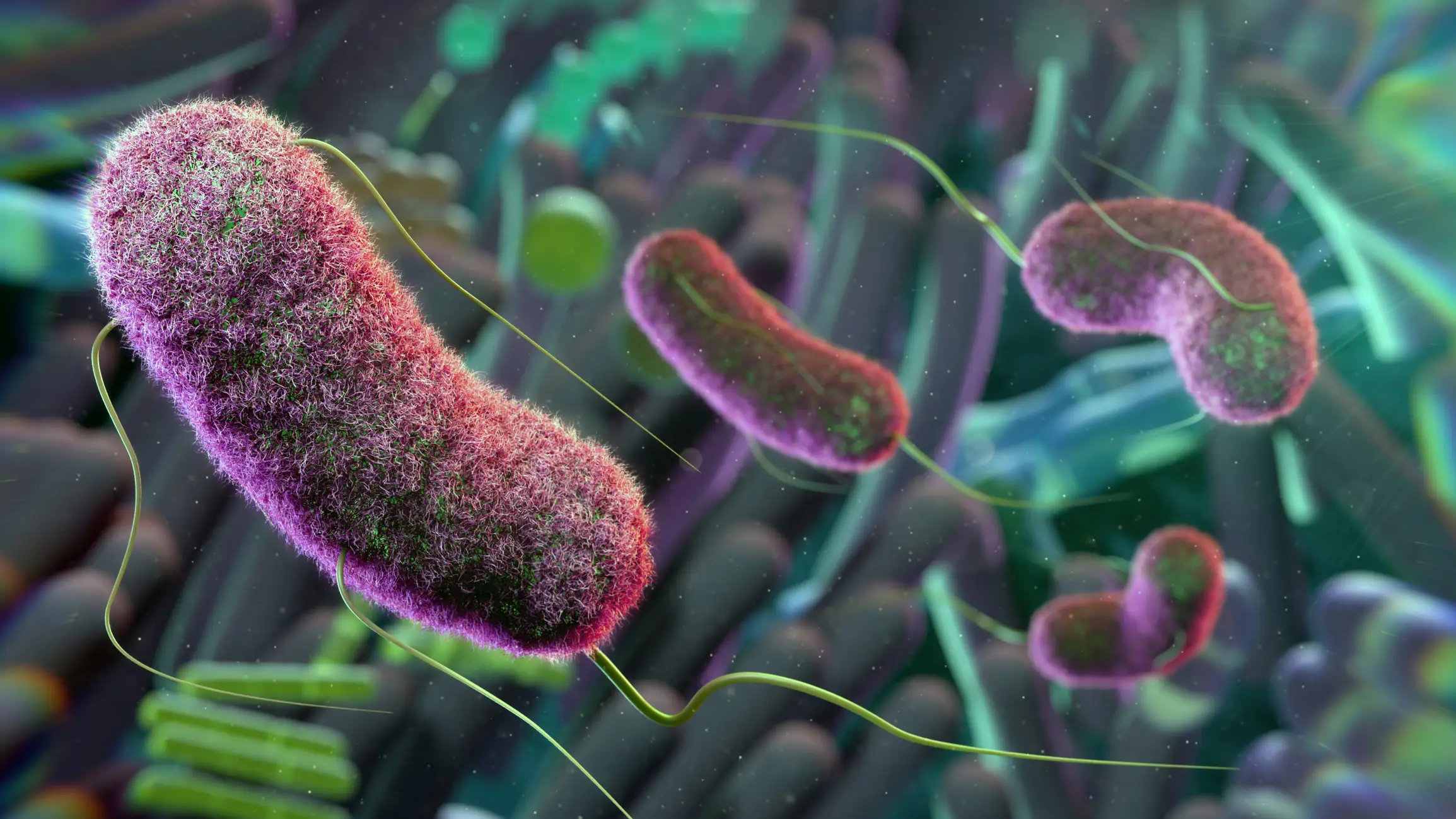
What happens when gut bacteria don't get enough fibre?
Using isotope-labelled proteins to trace digestion in mice, the researchers discovered that when bacteria are short on dietary fibre and plant protein, they turn to an alternative food source: the mucus lining that protects the gut wall.
Breaking down that protective layer produces 'harmful' phenols, specifically p-cresol sulfate and phenol sulfate, both of which have been linked to worse outcomes in cancer patients and to systemic toxicity in people with kidney disease.
Fibre appeared to reverse that process. It reduced how much bacteria fed on the gut lining, which in turn cut production of those harmful compounds.
Meanwhile, a lesser-known dietary component the researchers have dubbed 'Prif' (proteins imitating fibre), indigestible plant proteins that pass through the gut undigested, gave bacteria an alternative source of fuel, boosting production of beneficial phenols including phenylpropionate and hippuric acid, which are associated with gut health and healthy body weight.
"We think Prifs represent an emerging class of dietary nutrients that shape the composition of the gut microbiome and could have a far-reaching influence on metabolic health," AbuSalim said.
Rabinowitz suggested the discovery could eventually change how food is labelled altogether, adding: 'Food packaging may eventually list Prif right below fiber.'
Do antibiotics wipe out these gut metabolites too?
The second study, published in Nature Metabolism, challenged a long-standing assumption that phenol and indole metabolites, the latter produced from the amino acid tryptophan and linked to conditions including inflammatory bowel disease and cancer, come exclusively from gut bacteria.
Testing mice, rats and human cells, the team found mammalian metabolism can produce many of these compounds independently.
In mice given antibiotics that wiped out their microbiome, several of these metabolites remained just as high in the bloodstream.
The same pattern showed up in antibiotic-treated human patients, including those undergoing cancer treatment.
Metabolites made exclusively by bacteria, meanwhile, dropped off sharply once the microbiome was disrupted.
Rabinowitz said the combined findings should help doctors and nutritionists give more precise dietary guidance in future.
"A clearer picture of how different foods interact with the microbiome to modulate the production of bacterial metabolites will help sharpen the guidance nutritionists and doctors can give to people for disease prevention and therapy," he said.
 Thomas Bamford