
Chilling simulation shows exactly what happens to your body when you die

A chilling simulation has mapped out exactly what happens to the human body after death, revealing a process that continues for hours, days, and eventually years.
The animation from The Infographics Show follows a fictional man named Jack, taking viewers from his final moments through the physical changes that follow when the heart stops beating.
Whilst some of its imagery isn't exactly for the faint-hearted, much of the science behind the simulation lines up with guidance from medical experts.
Cleveland Clinic explains that death occurs when the body's vital organs stop functioning, with breathing ending, the heart no longer beating, and the brain ceasing to work. However, that moment is only the beginning of a much longer sequence of changes.
Advert
As for what actually happens first, according to both the simulation and medical guidance, one of the earliest changes is primary flaccidity — when the body's muscles immediately relax. As the video's narrator puts it: "Now it gets messy."
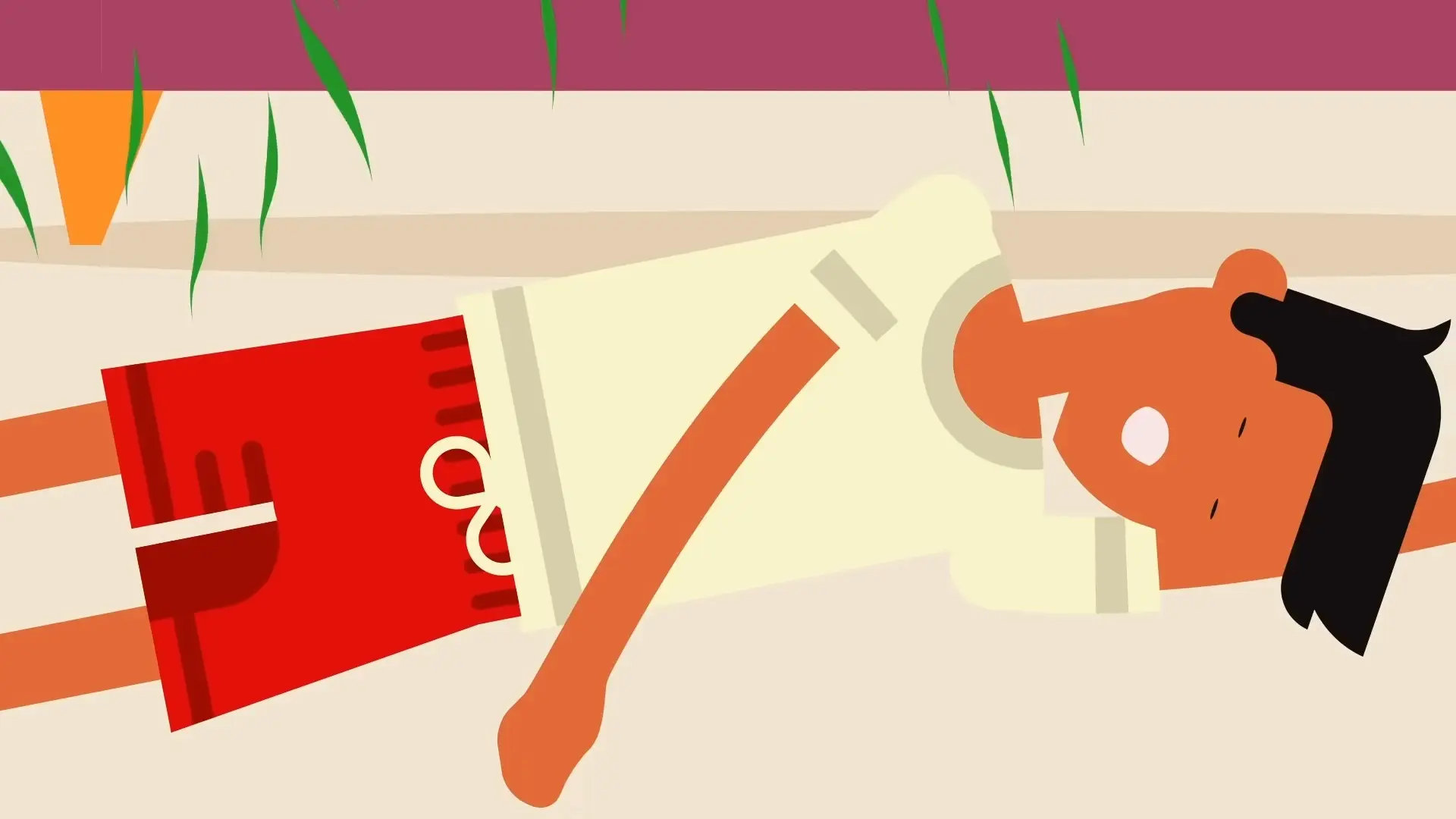
This relaxation can cause the jaw to fall open, plus the bladder and bowel to release their contents, something Cleveland Clinic also notes can occur because the muscles controlling them loosen after death.
The body then begins cooling in a process known as algor mortis. While the simulation shows Jack's temperature gradually matching the colder room around him, Verywell Health explains the rate can vary depending on factors including clothing, body type, and the surrounding temperature.
At the same time, circulation has stopped. Without the heart pumping, gravity starts pulling blood towards the lowest parts of the body, creating reddish-purple patches known as livor mortis.
Then comes arguably the most familiar post-death change to viewers who’ve watched a lot of crime and horror amongst TV shows and films: rigor mortis.
Verywell Health also notes this stiffening generally becomes noticeable within two to six hours, beginning around the eyelids, jaw, and neck before spreading across the body. Maximum stiffness typically occurs around 10 to 12 hours.
The simulation also addresses a creepy misconception surrounding corpses' facial expressions, stating: "The weird, sometimes pained expression, is just the body going through the rigor mortis process."
That said, rigor mortis doesn't last forever. Over the following one to three days, tissue breakdown causes the muscles to loosen again in secondary flaccidity. As the skin shrinks and pulls back, hair and nails can appear to have continued growing, despite no actual growth taking place.
From there, decomposition ramps up considerably. BBC Future explains that this process actually begins within minutes through autolysis, or 'self-digestion', as oxygen-starved cells become increasingly acidic and enzymes begin breaking down cell membranes.
Once the immune system stops functioning, bacteria normally kept under control are also free to spread.
Gut bacteria begin digesting the intestines and surrounding tissue, whilst putrefaction breaks soft tissue down further into gases, liquids and salts. Those gases, including hydrogen sulphide, methane and ammonia, can build up inside the corpse and lead to bloating and blistering.
The simulation similarly shows Jack becoming bloated and discoloured as decomposition advances, before following what could happen over much longer periods.
Exactly how quickly a body ultimately breaks down isn't fixed, however.
That’s because temperature, moisture, insects, burial conditions, and whether the body has been embalmed can all dramatically change the process — meaning decomposition can look very different from one person to another.
Still, without preservation, the eventual destination is the same: as the YouTube simulation rather grimly points out, the soft tissue ultimately disappears and leaves the skeleton behind.
 Ben Williams