
Millions of Americans warned as ‘flesh-eating’ bacteria linked to five deaths spreads through seawater

Health officials in Louisiana are sounding the alarm after a spike in cases of a rare but dangerous bacteria that's already claimed several lives across the state this year.
The Louisiana Department of Health confirmed on Thursday that nine cases of Vibrio vulnificus, sometimes referred to as 'flesh-eating bacteria,' have been recorded in the state so far in 2026, and five of those cases have ended in death.
That marks a sharp jump compared to previous years, when Louisiana typically saw around seven cases and just one death over the same stretch of the year, according to the health department.
Officials say every single case reported this year has one thing in common: all nine patients had open wounds that came into contact with seawater, and all of them had underlying health conditions at the time of infection.
Advert
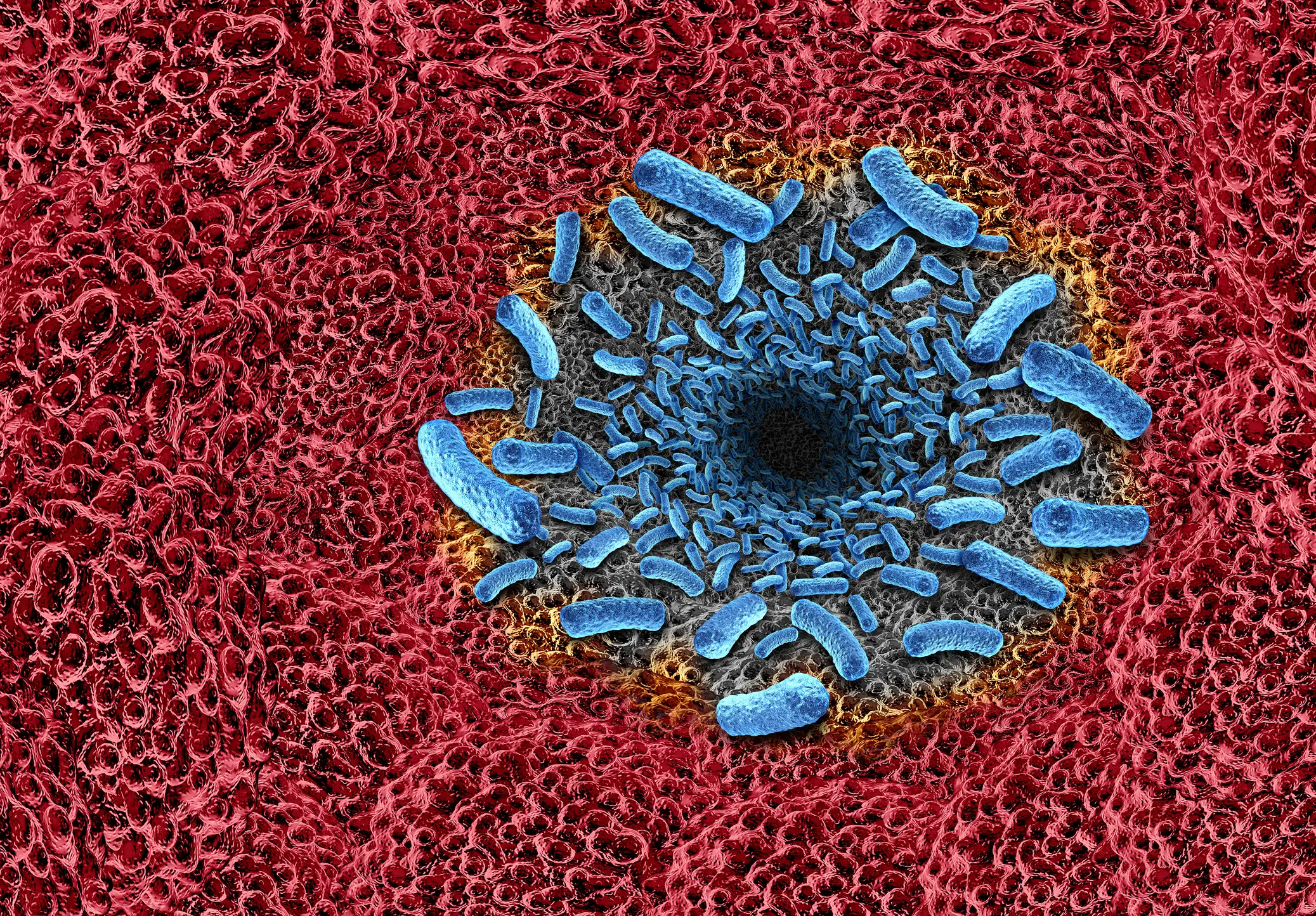
What is Vibrio vulnificus and how do you catch it?
Vibrio bacteria live naturally in warm coastal waters and tend to multiply in far greater numbers between May and October, when sea temperatures climb, the Louisiana Department of Health explained in a statement.
People can become infected in one of two ways: through an open cut or wound coming into contact with salty or brackish water, or by eating raw or undercooked seafood, particularly oysters.
Once inside the body, the bacteria can trigger a range of illnesses, from gastrointestinal problems to serious wound infections and blood poisoning, depending on how someone was exposed.
It's the more severe end of that spectrum that has health officials worried. Vibrio vulnificus in particular can develop into a life-threatening infection extremely quickly, sometimes leaving doctors with no option but to amputate a limb in order to stop it spreading.
"About one in five people with Vibrio vulnificus infection dies, sometimes within a day or two of becoming ill," the health department warned, underlining just how fast the bacteria can take hold once someone is infected.
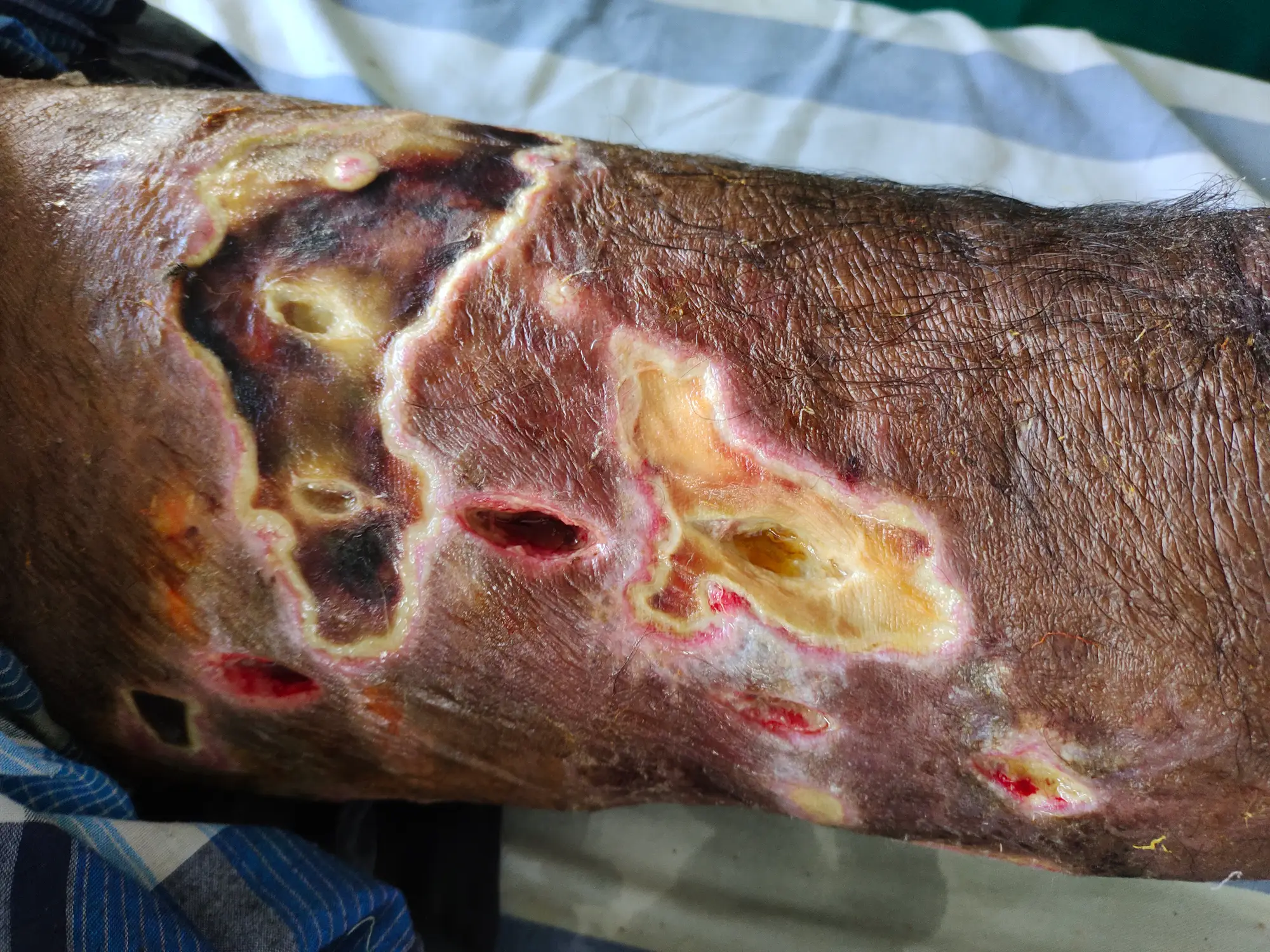
What are the symptoms of flesh-eating bacteria infection?
Anyone who has been in brackish or salt water with an open wound is being urged to keep a close eye on it in the days that follow.
According to the Louisiana Department of Health, warning signs include the area turning red, swollen, or discolored, becoming noticeably warm to the touch, or causing significant pain.
If any of those symptoms appear, officials say people should seek medical treatment straight away rather than waiting to see if it clears up on its own, given how quickly the infection can progress.
Crucially, health officials are also advising anyone who does seek care to make sure they tell their doctor or health care provider that the wound was exposed to seawater, since that detail can be key to getting the right diagnosis and treatment quickly.
With water temperatures set to remain high for the next couple of months, officials are expected to keep monitoring case numbers closely as the warmer season continues.
 Thomas Bamford