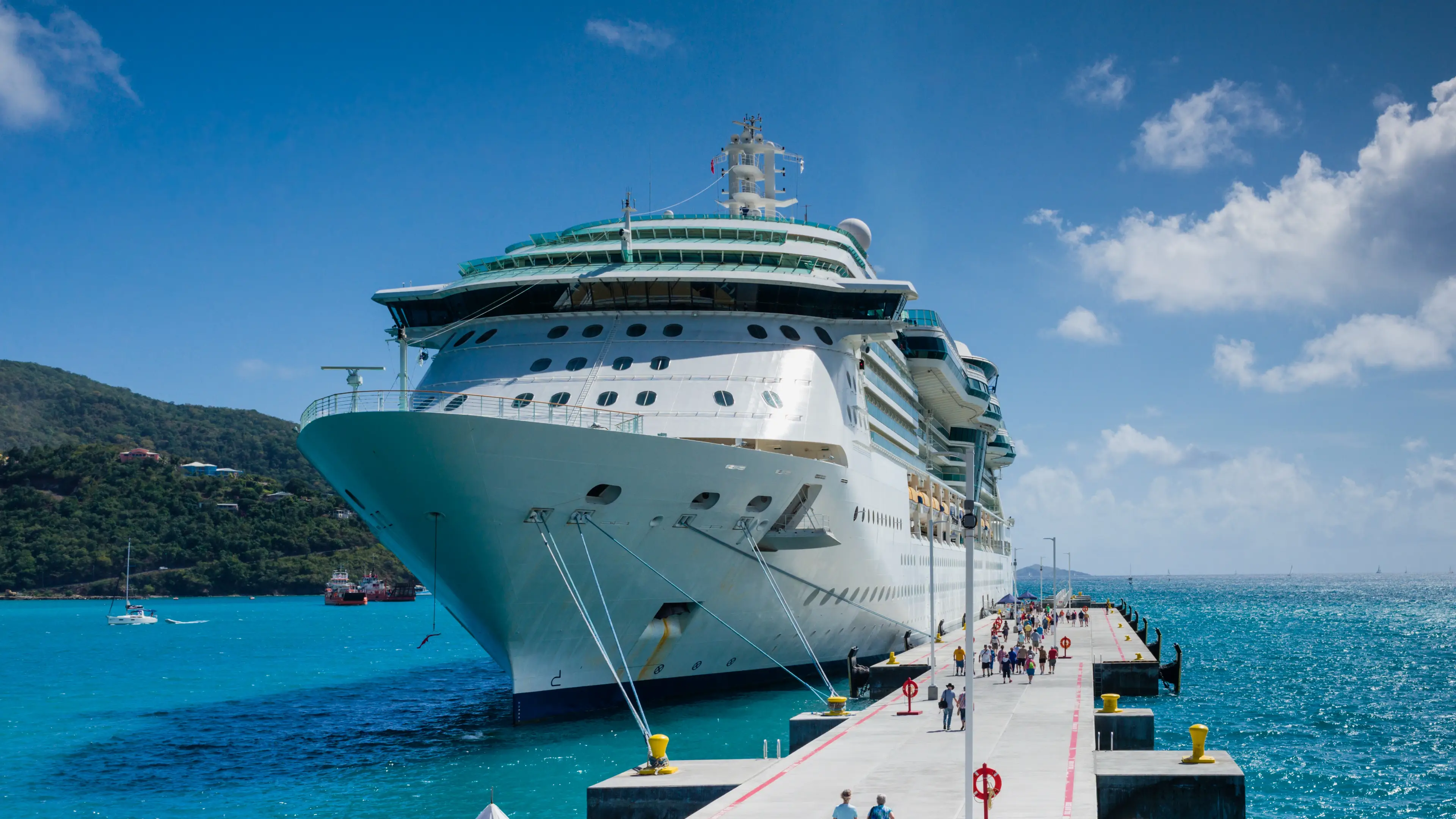
Passengers forced to skip stops on cruise after heatwave has left water levels too low

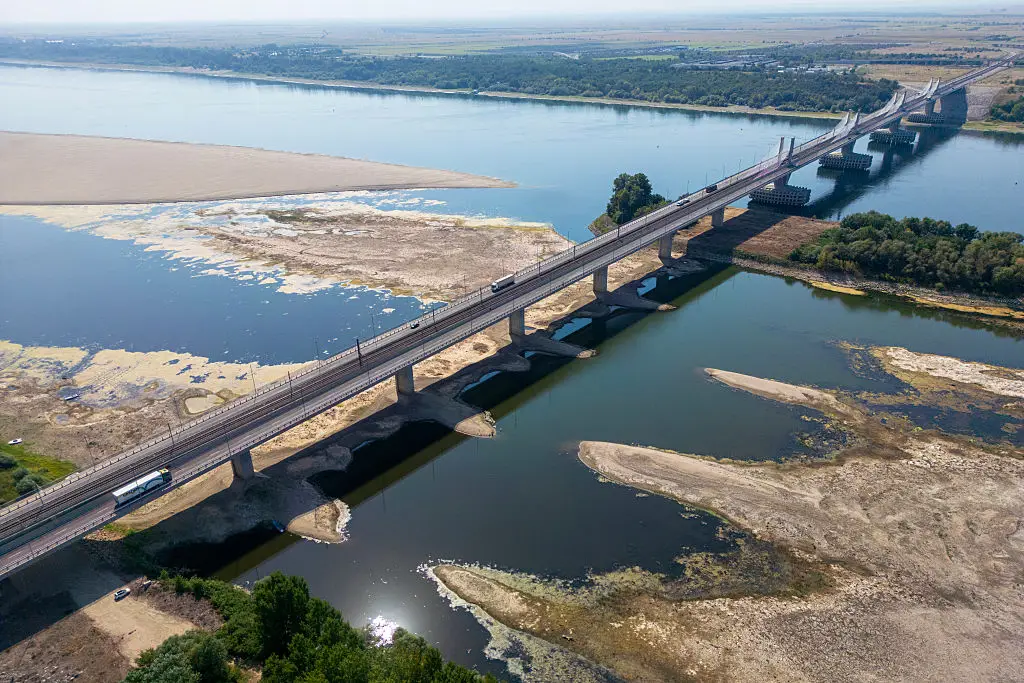
Europe's rivers are shrinking so dramatically this summer that the crisis is now visible in satellite images taken from orbit, with several major waterways hitting record lows and leaving cruise passengers stranded, rerouted or shipped off in buses.
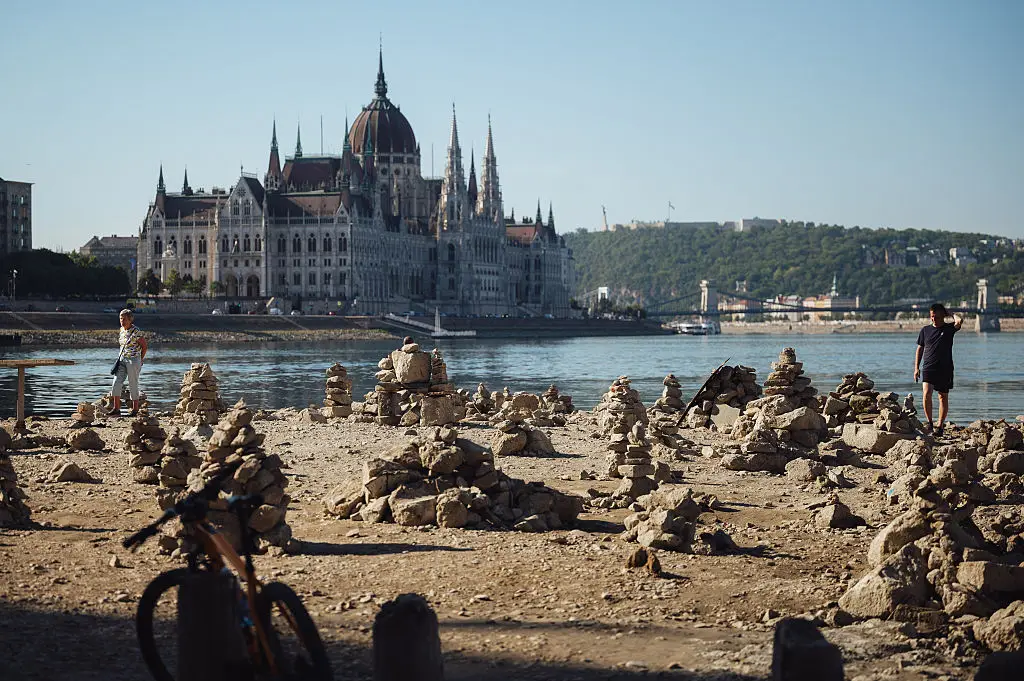
According to CNN, relentless heat and a lack of rainfall have pushed rivers including the Danube and the Rhine to their lowest levels in decades, exposing vast sandbars and stretches of riverbank normally hidden underwater.
The Danube, which flows through 10 countries on its way to the Black Sea, has been hit particularly hard.
Water levels in Budapest reportedly sank to just 4 inches on Monday, smashing the previous record low of 13 inches set back in 2018, according to the Associated Press.
Advert
With temperatures set to climb into the triple digits this week, officials fear things could get even worse before they get better.
Why are Europe's rivers drying up this summer?
Climate scientists say the crisis comes down to Europe warming faster than anywhere else on the planet, with back-to-back heat waves drying out soil and rivers alike while offering little to no rainfall as relief.
University of Reading climate science professor Richard Allan warned that 'the hydrological extremes we are now experiencing will only be the tip of the iceberg' as the climate continues to warm.
The shrinking Danube has already triggered an energy crisis in Hungary, where the Paks nuclear power plant, responsible for nearly half the country's electricity, is running at just 10 percent capacity after low water forced most of its reactors offline.
Romania is facing its own energy headache too, with the country's naval forces using explosives to blast through rock in a bid to redirect Danube water toward its only working nuclear reactor.
How is the drought affecting river cruises and tourism?
It's not just power plants feeling the squeeze, tourists are too.
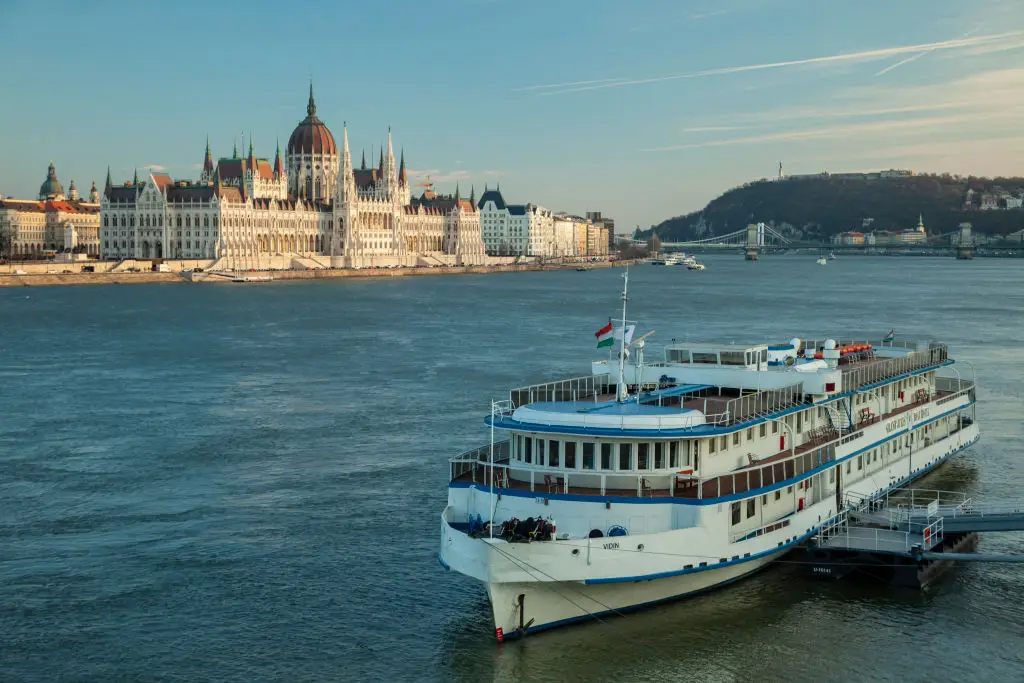
According to The Independent, cruise operators including Uniworld, Viking and TravelMarvel have all been forced to change embarkation points, cancel excursions or reroute sailings entirely to keep trips running.
Cruise Critic executive editor Chris Gray Faust experienced the chaos firsthand on a Uniworld sailing that was meant to run from Vienna to Nuremberg.
Low water meant the ship couldn't get past Vilshofen, wiping three stops from the itinerary.
Passengers due to fly home from Nuremberg were disembarked a day early entirely and put up in a hotel overnight before being transferred to the airport.
Travel specialist Emma Guse said some of her clients couldn't even board their ship in Budapest as planned, having to embark around 60 miles away instead.
What was found on the drying river beds?
As bizarre as it sounds, the drought has had one interesting consequence too: uncovering pieces of history hidden underwater for decades.
A sunken German warship from World War II has been exposed in Serbia, while the remains of what's believed to be an ancient mammoth were discovered in northern Bulgaria last week.
One cruise ship reportedly ran aground on a sandbank in Bulgaria as a result of the low levels.
The Rhine hasn't escaped either, with levels at the key chokepoint of Kaub in western Germany dropping to 9 inches, edging past the previous record low.
Commercial ships have had to cut cargo loads by as much as 80 percent to avoid running aground, with chemical company Lanxess switching to rail and road transport after some loading points became unreachable by water.
Topics: Climate Change, Europe, Environment
 Thomas Bamford