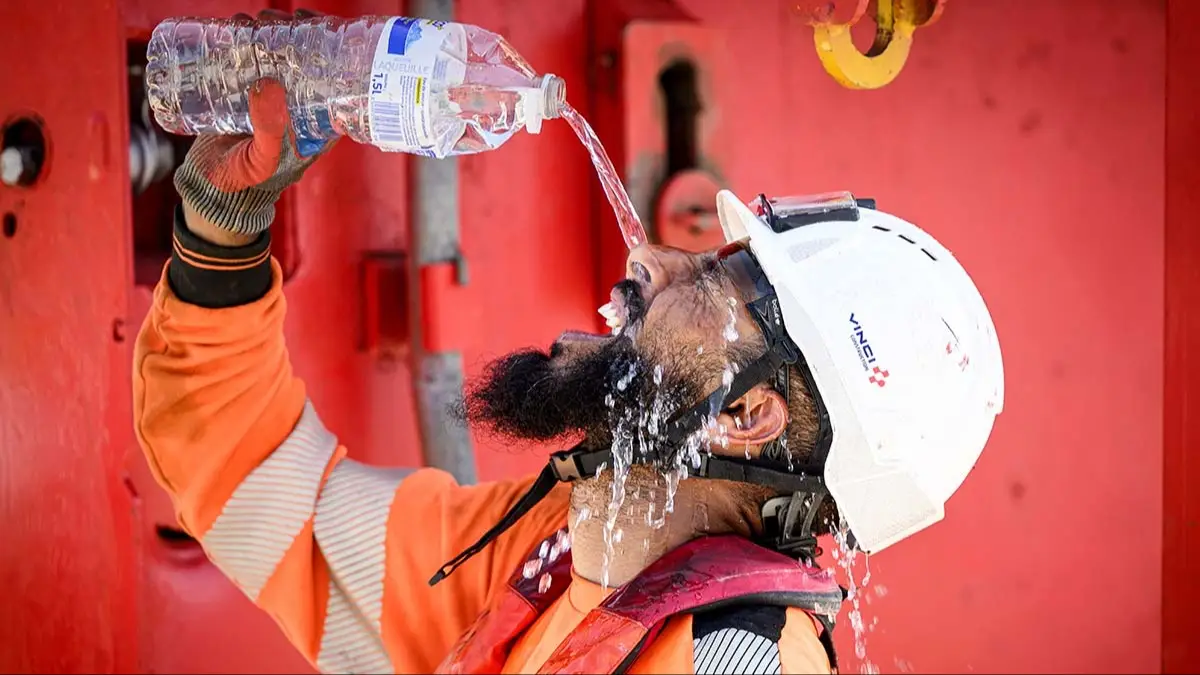
Warning issued for using cold water during a heatwave which could be 'deadly'

Millions of Americans are being warned to brace for a "significant, dangerous" heatwave heading into the Fourth of July weekend, with experts also flagging a hidden danger lurking in lakes, rivers and beaches as people rush to cool off.
The National Weather Service has warned that days of significant, dangerous heat could be ahead for those living anywhere east of the Rocky Mountains, with forecasters predicting this won't be normal summer heat. Triple-digit heat indices and blazing hot temperatures could break records and linger through Independence Day and beyond.
According to the Weather Prediction Center, temperatures are expected to run well above normal across much of the Central and Eastern US, with meteorologist Frank Pereira warning that confidence is increasing for record-breaking summertime temperatures and elevated extreme heat risks across the Midwest and Eastern US from 3 to 9 July.
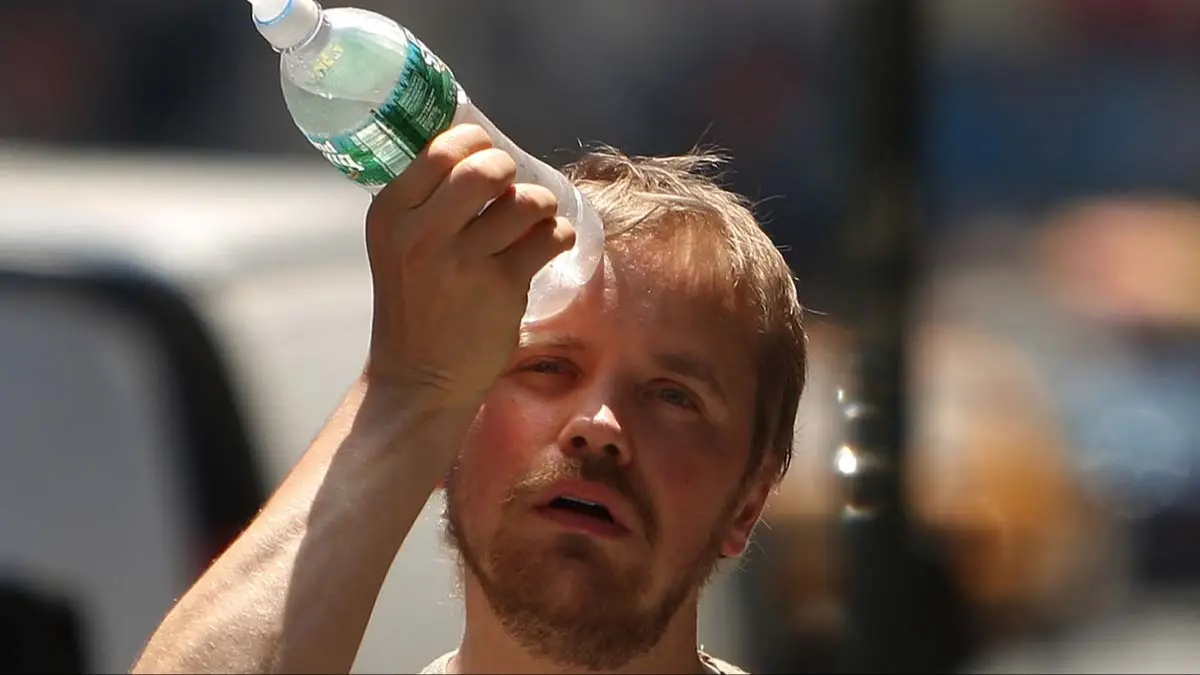
Which states are most at risk during the July 4 heatwave?
A federal heat risk map shared by the National Weather Service's Climate Prediction Center has flagged the Mid-Atlantic, including Washington DC, as facing the highest risk of extreme heat between 30 June and 6 July, with a more than 60% chance of dangerous conditions.
Advert
Temperatures there could reach as high as 95F, with heat indices possibly climbing past 105F.
Forecasters say records could start falling from the Ohio Valley into the mid-Atlantic and Northeast from 30 June, with temperatures reaching the triple digits from the Carolinas northward through the mid-Atlantic by 2 July. States further west, including the Dakotas eastward, are expected to see temperatures in the upper 90s, with humidity making it feel closer to 110F.
To make matters worse, overnight temperatures aren't expected to offer much relief either.
Pereira warned that widespread overnight warm low temperature records are possible, with some areas struggling to drop below the low 80s after dark, an issue that significantly raises the risk of heat-related illness, particularly for the elderly.
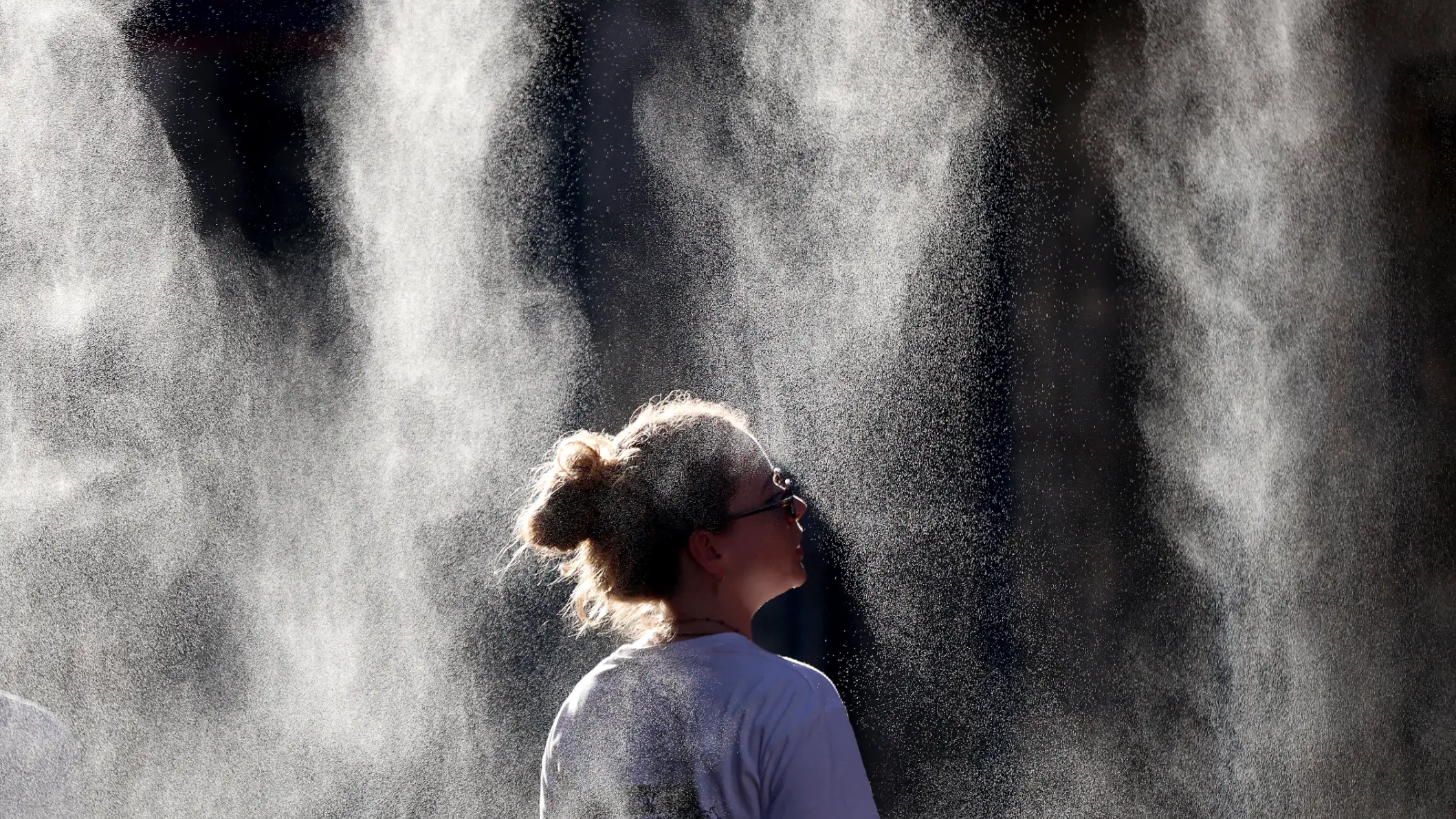
Why is cold water dangerous during a heatwave?
With so many people expected to head for open water to escape the heat, experts are warning that lakes, rivers and the ocean can pose a serious risk of their own, even on the hottest of days.
Cold water shock can occur in any water below 59F, according to Mike Tipton, a physiology professor at the University of Portsmouth and a leading authority on cold water survival, who has described the reaction as one of the biggest stresses the body can be placed under.
It happens when someone is suddenly immersed in cold water, triggering an involuntary spike in breathing and heart rate that can overwhelm even strong swimmers within seconds.
The risk isn't limited to oceans or lakes either, since rivers and quarries often carry hidden dangers of their own, including strong currents and poor visibility, conditions that can turn a quick dip into an emergency in moments.
Heat exhaustion and heat stroke remain the other major threats during extreme heat.
Heat exhaustion typically brings on heavy sweating, dizziness, nausea and a fast but weak pulse, while heat stroke is considered a life-threatening emergency, with body temperature climbing above 103F and symptoms including confusion, slurred speech and loss of consciousness.
Officials are urging anyone heading outdoors over the holiday weekend to limit activity during peak hours, stay hydrated, check on vulnerable family members and neighbours, and always double-check the back seat of the car before walking away.
Topics: US News, Climate Change
 Thomas Bamford