Expert warns El Niño could bring sharks and venomous sea snakes closer to US beaches

El Niño is officially underway, and the warmer temperatures are impacting more than just our weather forecasts.
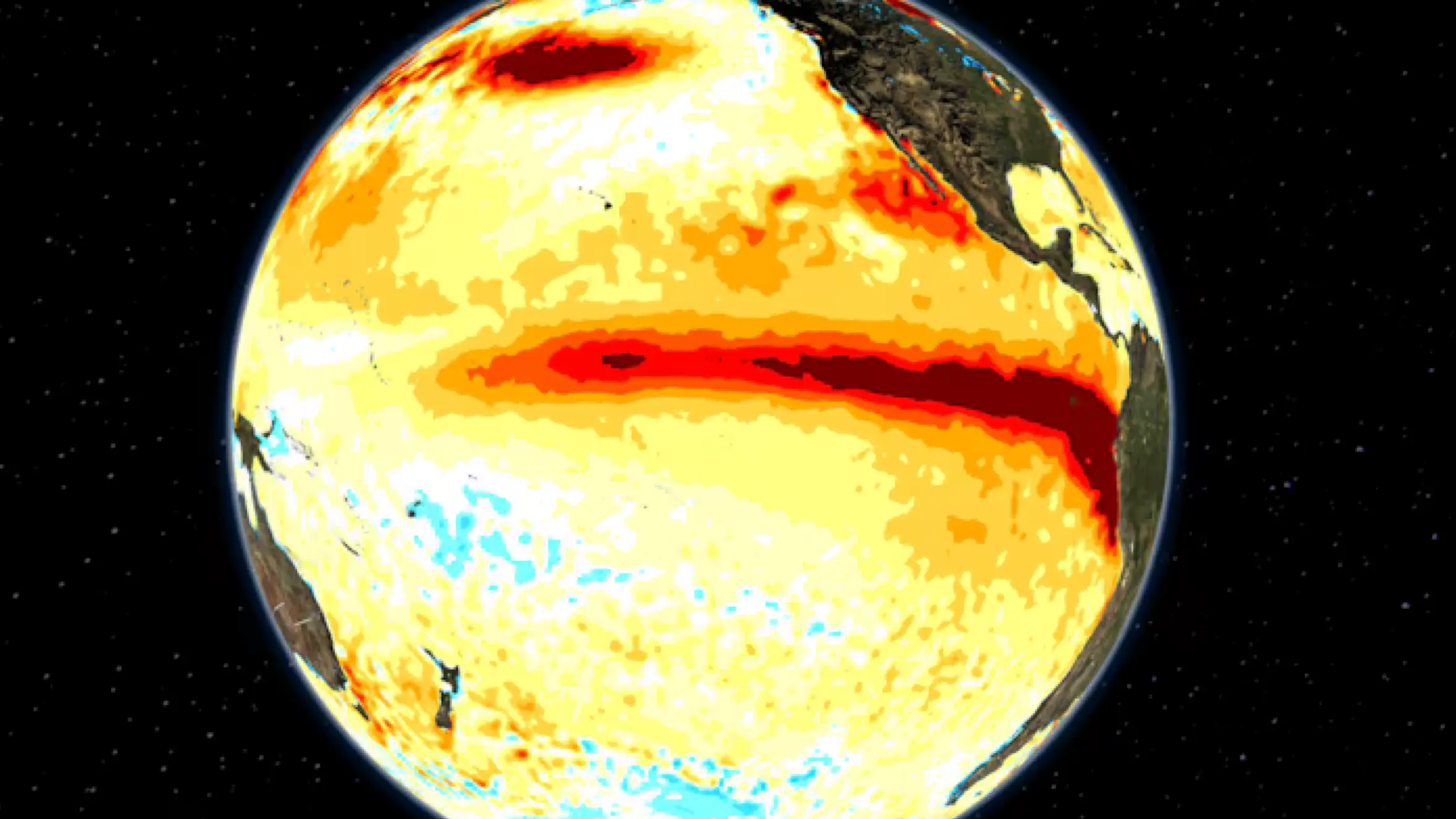
Scientists have been talking about El Niño for months. The natural climate pattern (which officially started in June) causes trade winds to weaken and warm water is pushed back east, toward the west coast of the Americas, the National Ocean and Atmospheric Association (NOAA) explains.
El Niño – which is Spanish for little boy – can drastically impact our weather, the NOAA goes on to warn, and causes the US and Canada to be dryer than usual.
With warm weather come warm waters, and the unusually hotter oceans are expected to cause some confusion for sea life who might find themselves in places they usually aren't.
Advert
White sharks in particular are predicted to be headed for California's shorelines, USA Today reports — and they're not the only animals expected to be making their way to the West Coast.
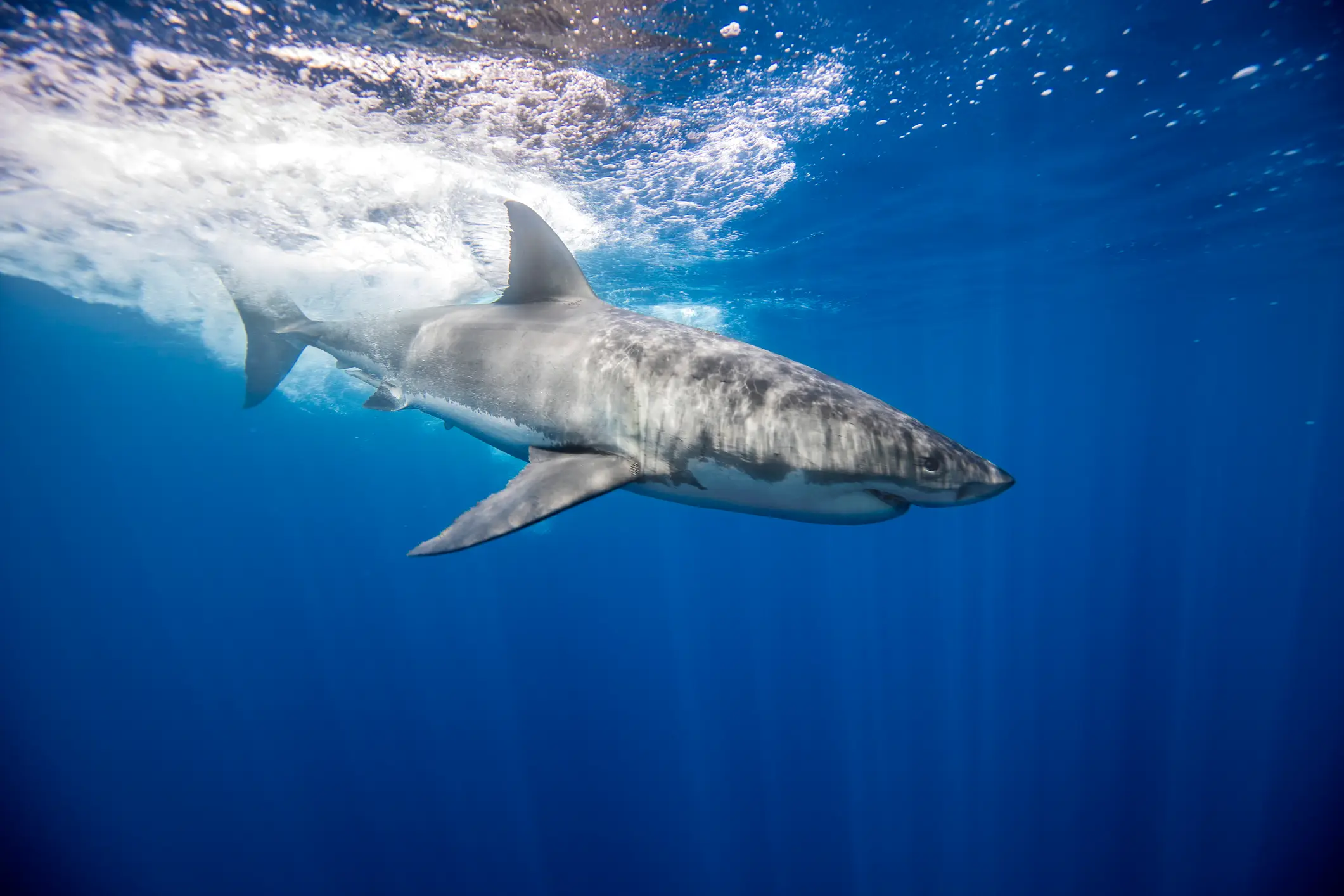
As well as several species of shark, types of rays, tropical fish, birds and sea snakes will move northward into waters where they don't typically appear.
Douglas McCauley, director of the Benioff Ocean Initiative at the University of California, Santa Barbara, told the news outlet: "We expect to see all kinds of weird tropical things come up with this warm water."
McCauley added: "We’re already seeing Mahi mahi. You’ll see more bluefin tuna, and you see weird stuff, like we’ll see more sea turtles and sea snakes."
The yellow-bellied sea snake, which is a 'a highly venomous sea snake', could be one type of reptile you spot on US coastlines.
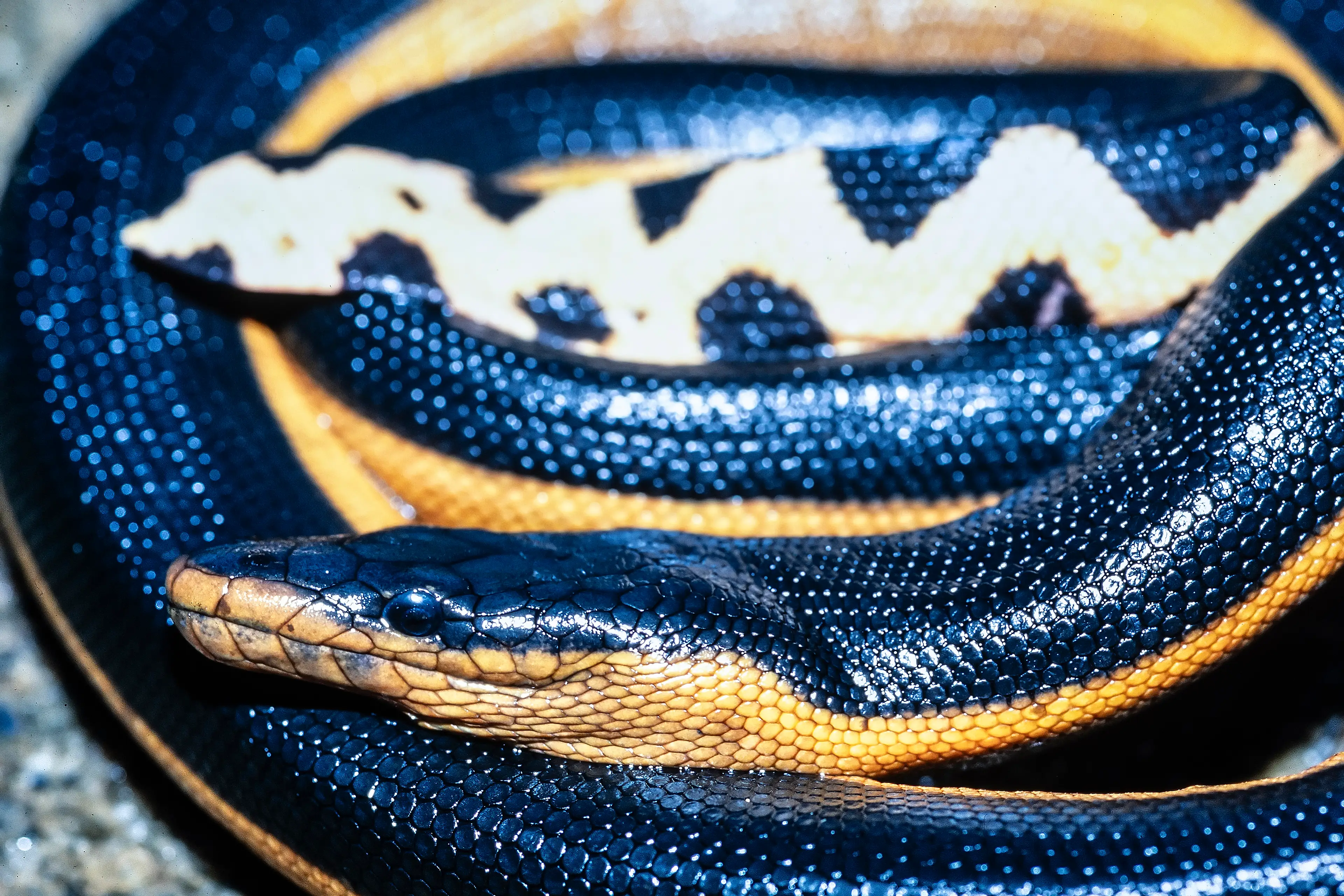
If one of these reptiles bite you, then you experience muscle pain and stiffness, drooping eyelids, drowsiness and vomiting. "A serious bite can lead to total paralysis and death," Australian Museum states.
It further warns: "Anyone suspected of being bitten by a Yellow-bellied Sea Snake should seek medical attention immediately, even if the bite appears trivial (sea snake bites are initially painless and show no sign of swelling or discolouration).
"This species has caused fatalities overseas, however none have been recorded in Australia."
These sea snakes turn up during extremely warm periods and – for obvious reasons – should not be handled.
"Some of these kinds of interesting oddities that are never a part of California will become part of this temporarily tropical El Niño-heated California," McCauley continued.
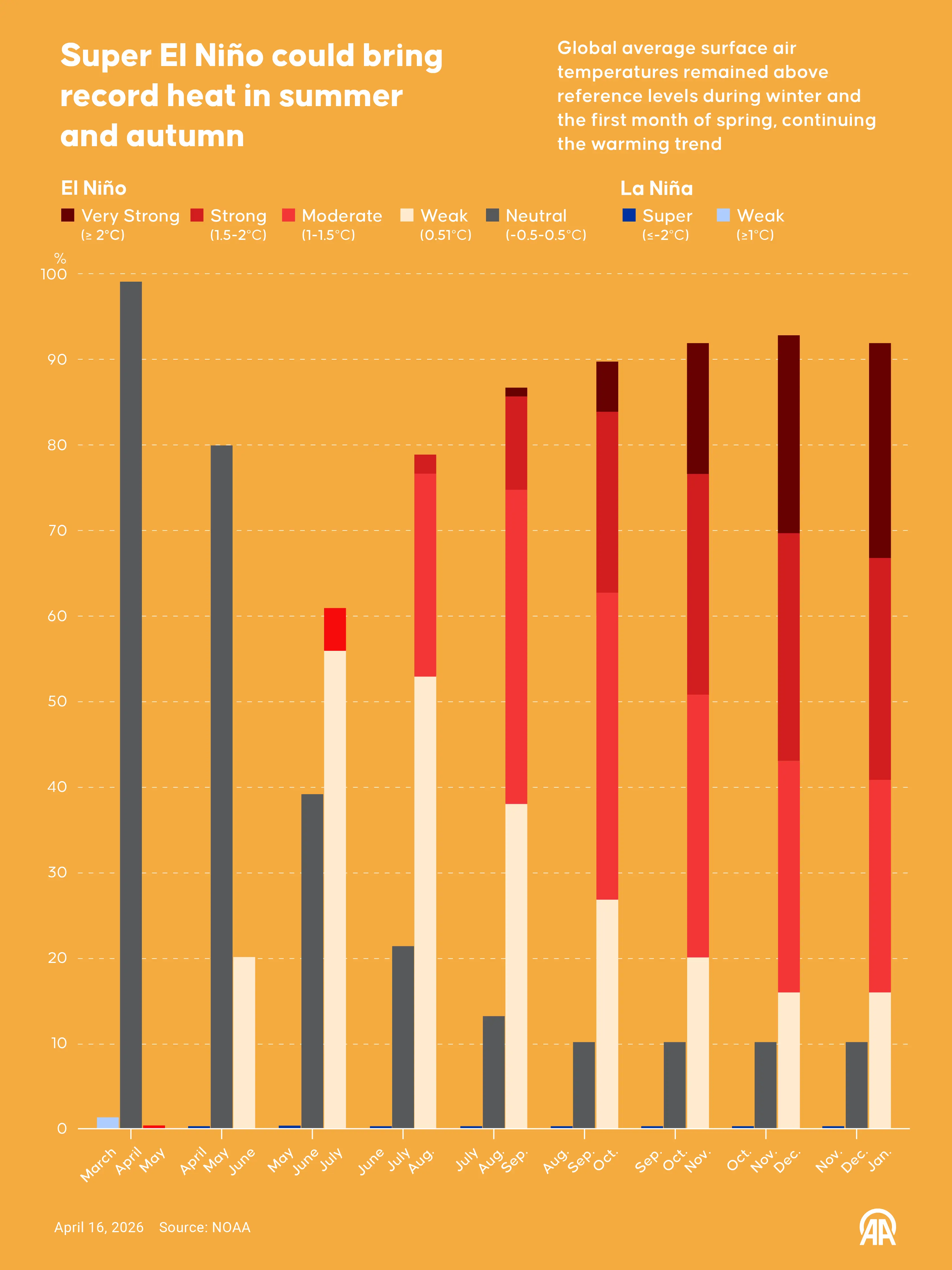
The strengthening El Niño we're currently facing has already broken records for intensity at its early stages and is likely to spark even more wild weather worldwide as it grows, 'adding fuel to a planet already on fire', United Nations officials have warned.
The weather pattern will not peak for several months and should last through the spring of 2027.
United Nations secretary-general Antonio Guterres said on July 31: "Two months ago, I warned that El Nino was arriving on our doorstep. Now it is inside the house — and turning up the heat.
"We have already endured a summer of extremes — record-shattering heat domes; apocalyptic wildfires raging in Spain, France and far beyond; thousands of lives lost in the scorching conditions."
Topics: Climate Change, Environment, US News, California, Animals, Weather
 Niamh Shackleton