Mysterious 'cold blob' could change weather across the US as scientists issue warning

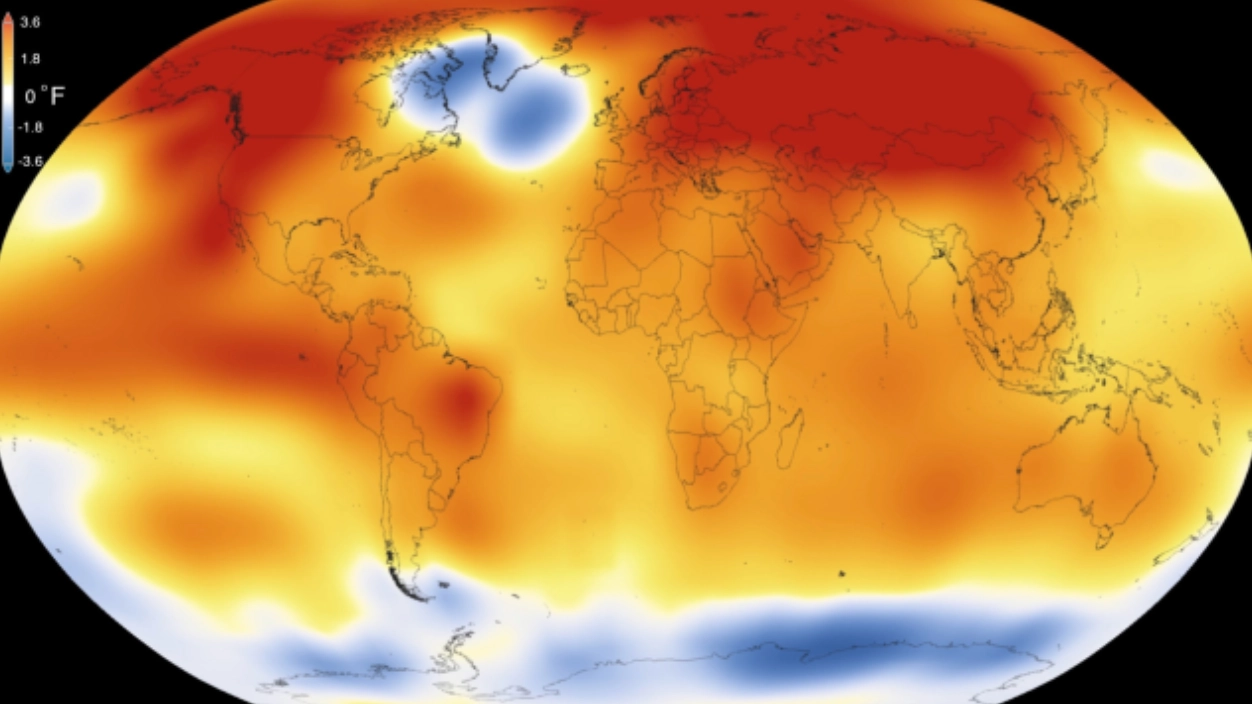
Scientists have identified a 'cold blob' just south of Greenland, which could drastically change weather patterns across the US.
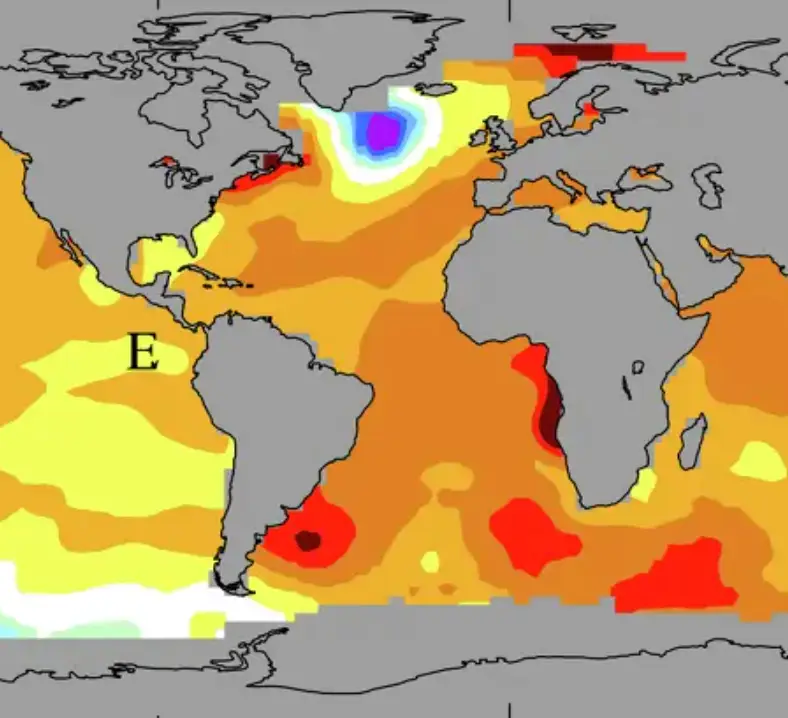
The 'cold blob', which is also known by scientists as the 'warming hole', is an area of unusually cold water in the North Atlantic.
It has puzzled scientists for many years, as this area has continued to stay cool while much of the world's oceans have grown increasingly warm.
But new research published by Geophysical Research Letters has proposed a reason behind the coolness of the 'cold blob', and why it could actually change weather patterns across much of the US.
Advert
The scientists found that the 'cold blob' is most likely being caused by a weakening Atlantic Meridional Overturning Circulation (AMOC), a system of currents that helps move heat around the Atlantic.
But changes in the AMOC could stretch far beyond the North Atlantic, potentially affecting rainfall and storms in parts of America.
The AMOC carries warm water north through the Atlantic, before colder water sinks and flows back south, deep below the ocean surface.
Ultimately, it helps regulate temperatures and weather across the region.
But the changes have not come as a shock to scientists.
Experts have long warned that climate change could weaken the system, particularly as Greenland's ice melts.
What weather changes could we see in the US?
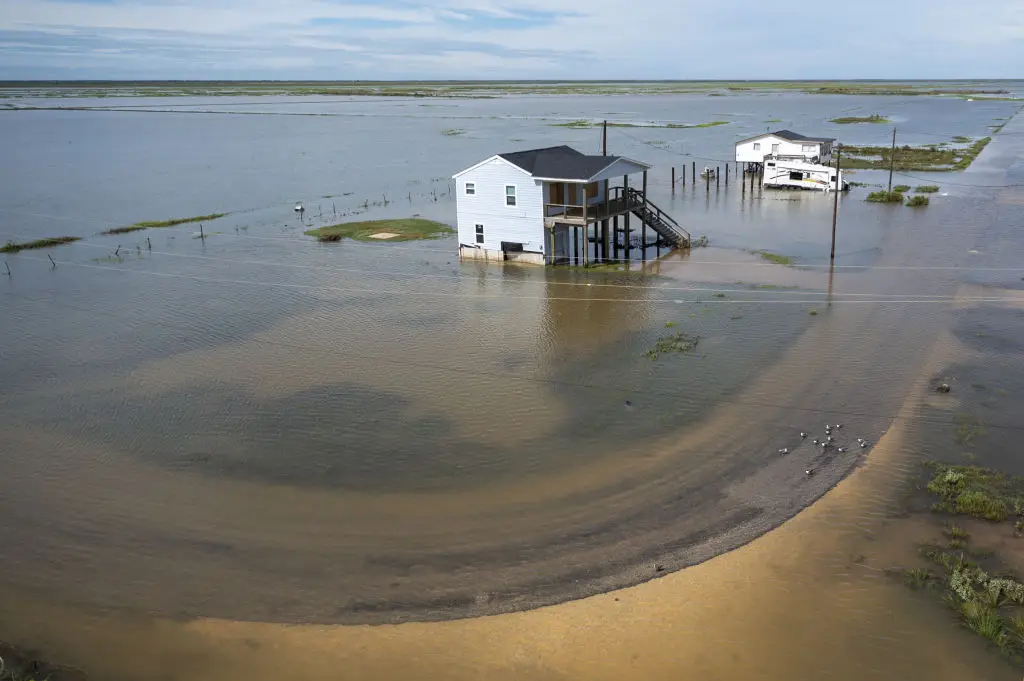
One of the biggest concerns in America is the rising sea levels along the East Coast.
Experts at Live Science have warned that this has contributed significantly to an increased coastal flooding risk along the Northeast coast.
But the most recent study linked a weaker AMOC to a shift in rainfall patterns across the tropical Atlantic.
It's also been proposed that it's likely to influence storm tracks around the North Atlantic region.
The warning comes as scientists also predict the return of the El Niño weather pattern later this year, with conditions expected to continue into 2027.
How does an El Niño year happen?
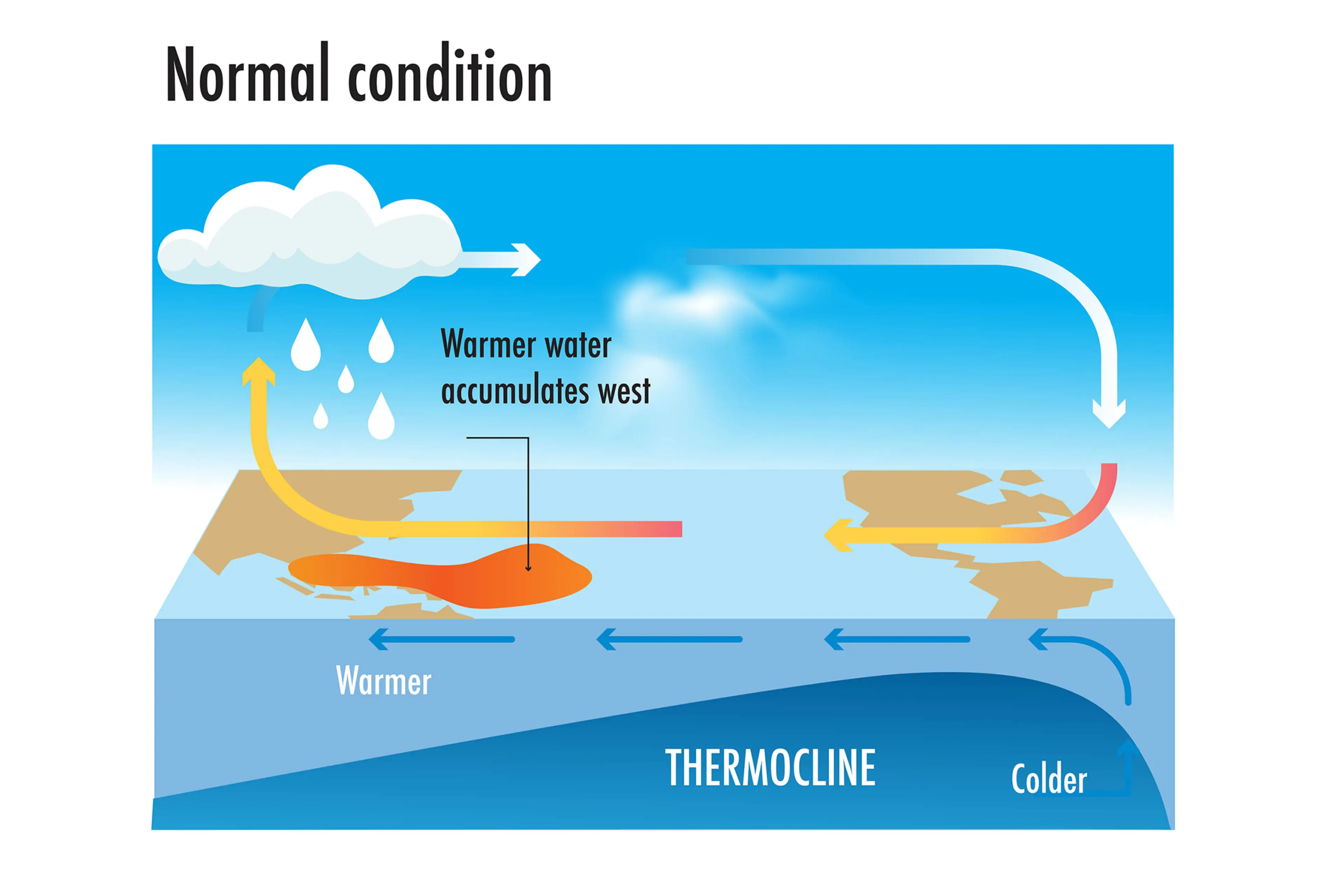
It all starts with something called trade winds, which are permanent winds around the equator which usually blow from east to west. So in the equatorial Pacific, they blow from the Americas towards Australia and New Zealand.
As the wind blows the water east, it is warmed by the sun, so by the time it gets to the other side of the Pacific, the warm water causes hot air to rise, leading to warm, wet and unsettled weather. Meanwhile, colder water from deeper in the ocean rises in the east to replace the water blown west.
But during El Niño years, this gets disrupted.
When trade winds are weakened or even reversed, the temperature difference between the east and west is cancelled out, and usually cold parts of the ocean warm up.
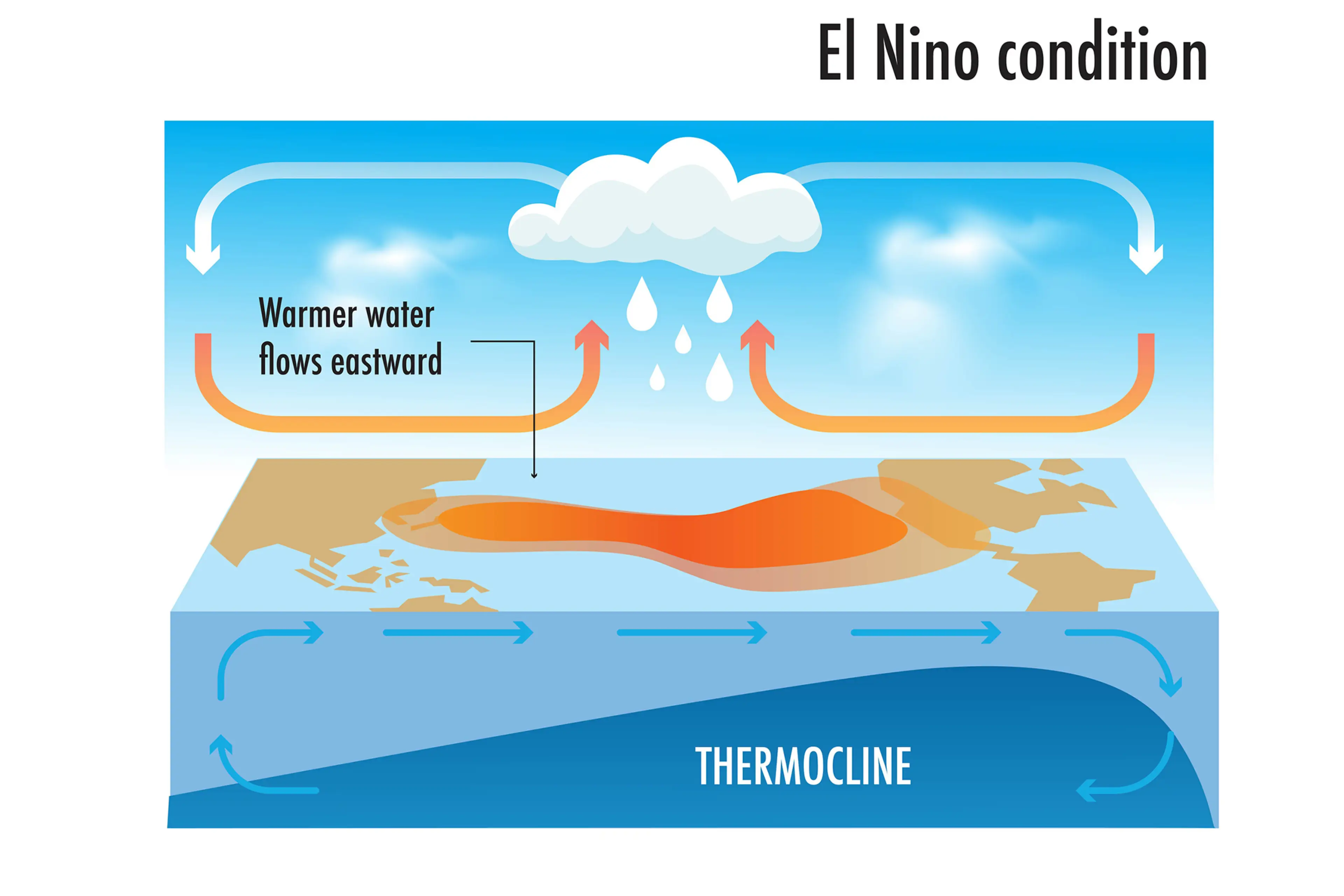
Rainfall and wind patterns change across the equatorial Pacific, which has a knock-on effect around the world.
Anyone else's head hurt a bit?
Topics: Weather, Environment, Climate Change, US News
 Mia Williams