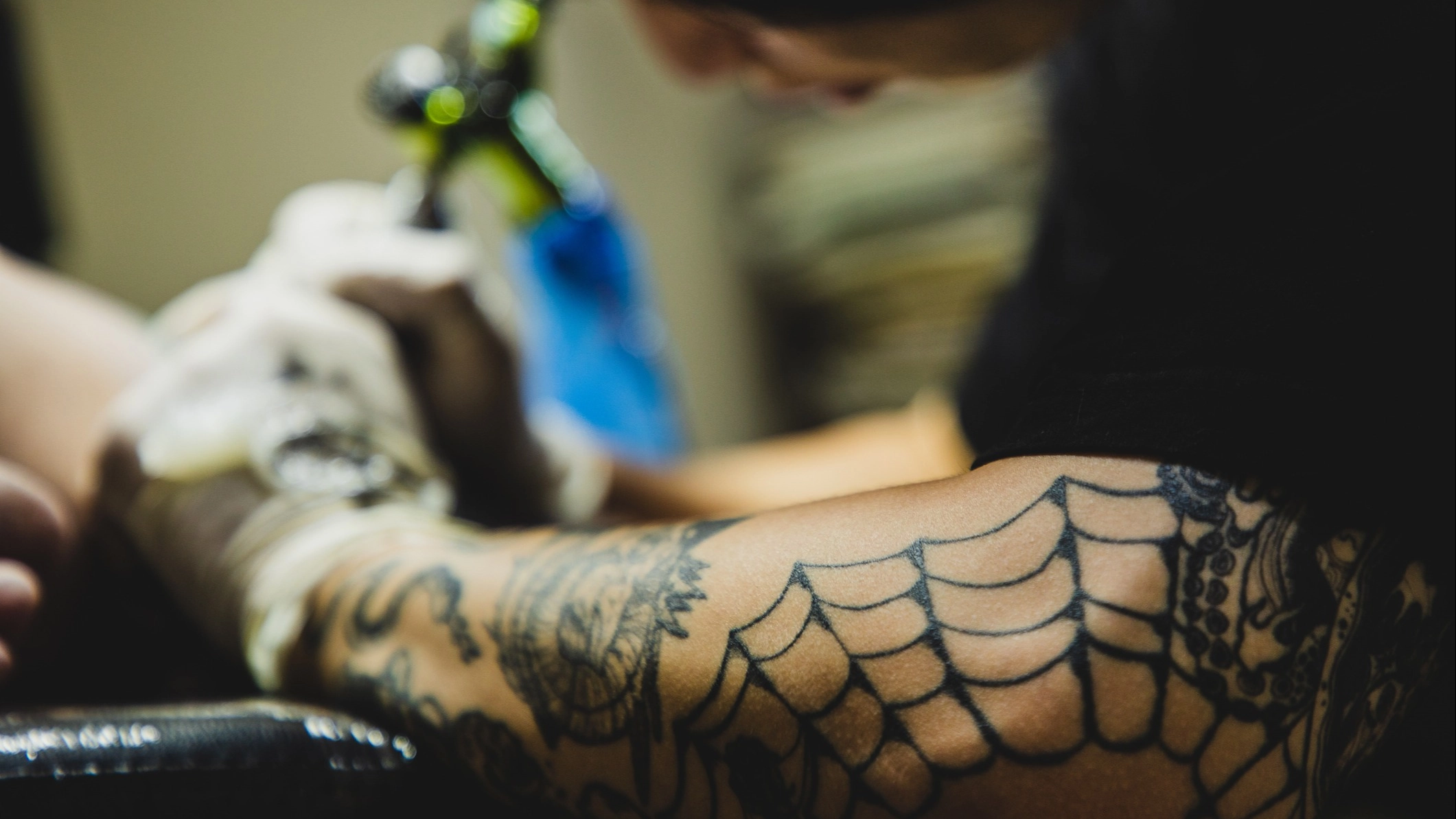
Spider web tattoo has one hidden meaning that is often overlooked

Spider web tattoos are instantly recognisable, but one of their meanings is far less obvious than the rest.
The design has appeared across elbows, shoulders, forearms and backs, often chosen because its sharp lines and symmetry make it visually striking. It can also be adapted in countless ways, whether paired with a spider, rose, skull or geometric pattern.
However, the image has carried a complicated history, and its meaning can change depending on where it is placed and what surrounds it.
In the United States, the tattoo became strongly associated with prison culture, particularly when positioned across the elbow. Some versions were said to mark time spent behind bars, while others represented survival, isolation, or a hardened identity.
Advert
It has also been linked with gangs and extremist groups, which explains why the design can still attract suspicion.
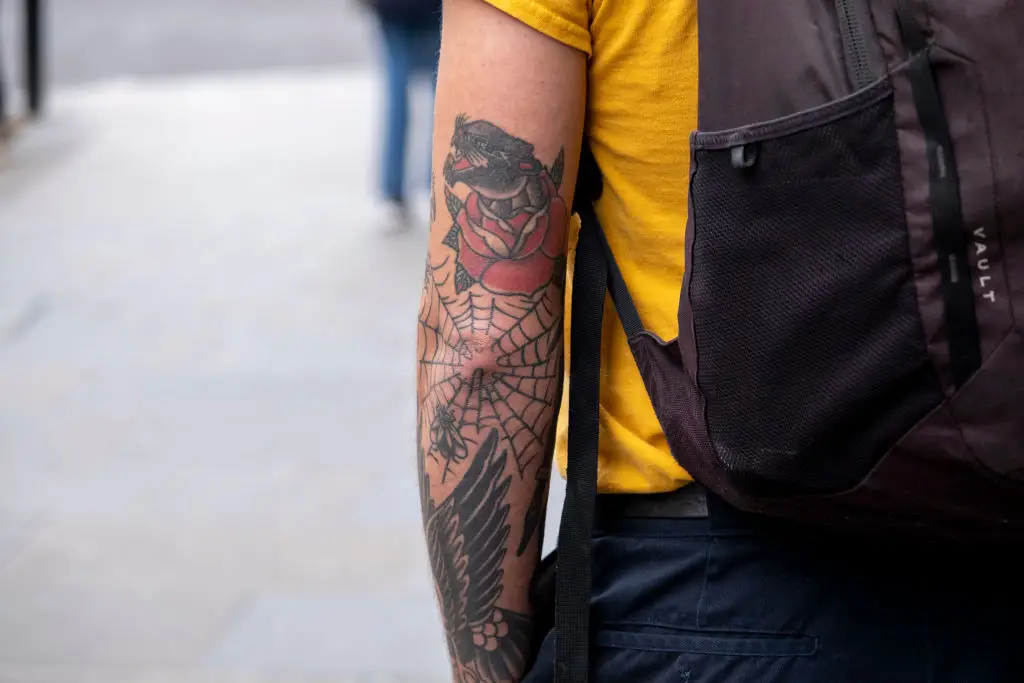
As explained by Liverpool Tattoos, though, another hidden meaning that is often overlooked is its connection to the wider web of life — the idea that people, choices and events are all linked.
By that, the studio suggests that rather than simply symbolising entrapment, the web can represent interconnection, fate and the way separate experiences combine to shape a person’s identity.
After all, the spider itself is often viewed as a creator, patiently building something intricate one strand at a time. As body art, that can turn the image into a symbol of resilience, personal growth, and the ability to rebuild when life is disrupted.
That interpretation also appears in the ancient Greek story of Arachne: a gifted weaver who challenged the goddess Athena. After the contest, Arachne was transformed into a spider, permanently tying her fate to the craft that defined her.
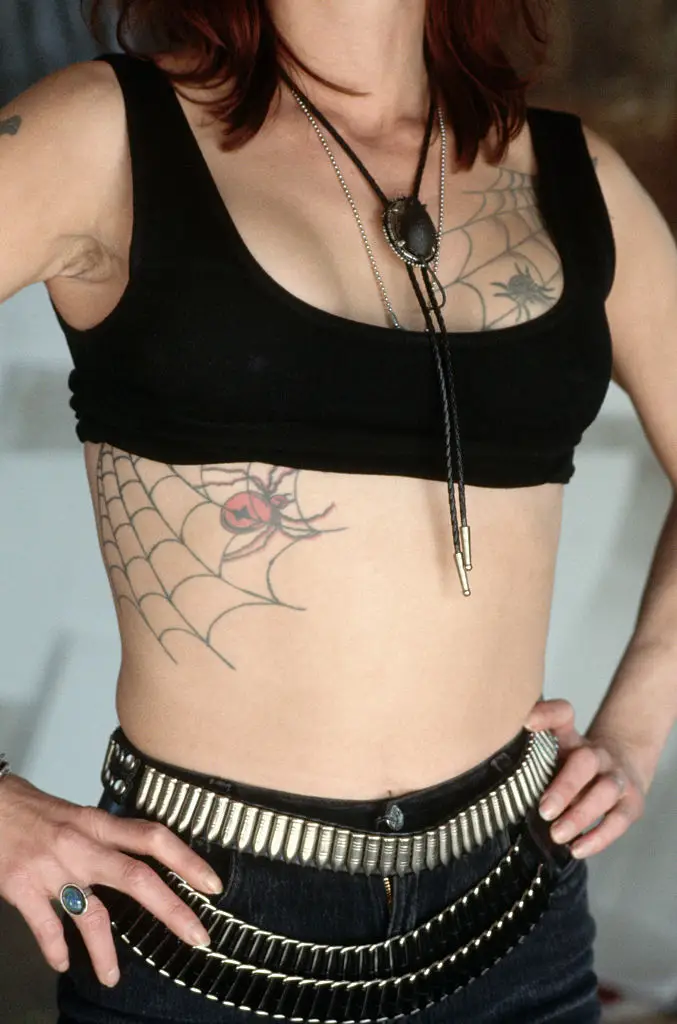
As an extension of that idea, for some people, the tattoo serves as a reminder that they are helping to create their own future; this is even when circumstances feel tangled or unpredictable.
What’s more, the design also has spiritual associations in some Native American traditions, where Spider Woman appears as a protective and creative figure.
In those contexts, the spider web has been connected with protection, balance, and harmony, as well as the belief that every part of the world is interconnected.
Placement can alter the message further, too. As mentioned, the elbow remains the location most closely tied to incarceration, whilst a web on the forearm may be used to represent strength, endurance, or transformation.
Larger versions across the back or shoulders can instead be treated as protective imagery, with the web spreading over the body like a shield.
Other details can change the meaning, as well. One instance is that roses introduce ideas of beauty and fragility. Alternatively, skulls commonly bring in themes of mortality, change, and the passage of time.
 Ben Williams