
Scientists identify ‘natural Ozempic’ candidate that could become the next GLP-1 weight loss drug

Scientists believe they may have found a naturally occurring molecule capable of suppressing appetite in a similar way to blockbuster weight loss drugs such as Ozempic.
This is quite the big deal, as there have been notable pros and cons to GLP-1 medications surging in popularity in recent years. After all, with drugs including Ozempic, Wegovy and Mounjaro, people have found it easier to lose weight by reducing appetite and making them feel fuller for longer.
However, the medications can also come with unwanted side effects. Nausea, vomiting and constipation are among the commonly reported gastrointestinal issues, whilst rapid weight loss can also result in people losing muscle alongside fat.
That has left researchers looking for other ways of targeting hunger without producing such widespread effects throughout the body.
Advert
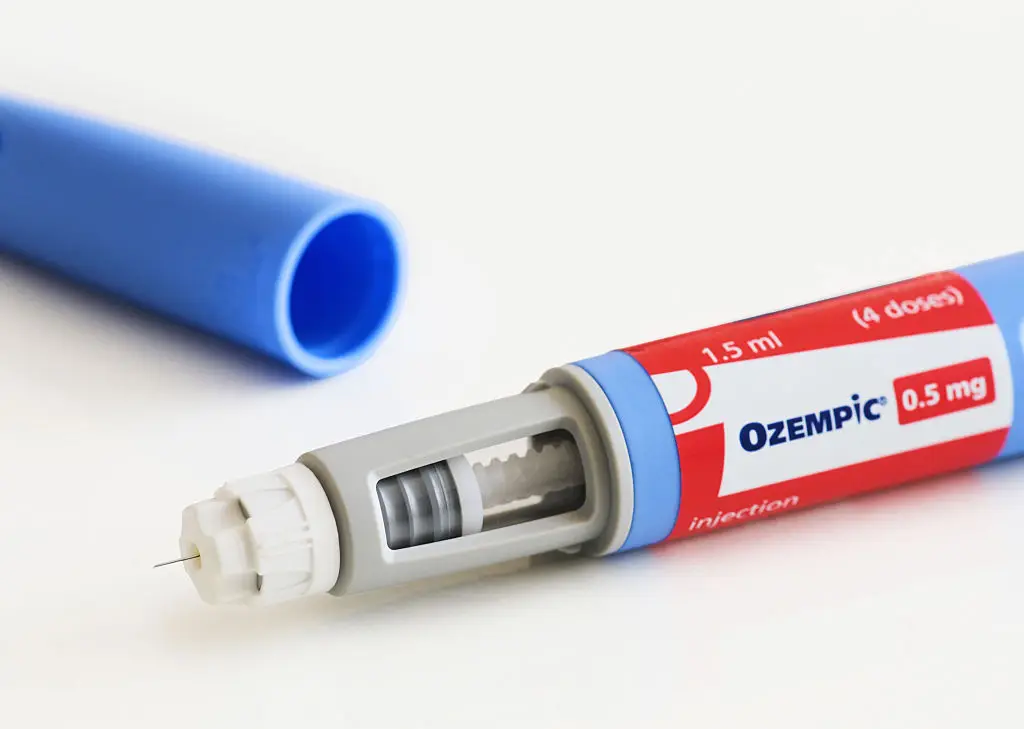
Now, though, it seems that a team at Stanford Medicine may have found one. Researchers identified a naturally occurring peptide called BRP, or BRINP2-related peptide, which showed striking effects on appetite and body weight during early animal studies.
Unlike semaglutide, the active ingredient in Ozempic, BRP appears to act more specifically in the hypothalamus, the part of the brain involved in controlling appetite and metabolism.
As reported in ScienceDaily, assistant professor of pathology Katrin Svensson explained: "The receptors targeted by semaglutide are found in the brain but also in the gut, pancreas and other tissues.
"That's why Ozempic has widespread effects including slowing the movement of food through the digestive tract and lowering blood sugar levels. In contrast, BRP appears to act specifically in the hypothalamus, which controls appetite and metabolism."
What’s more, the discovery was made with the help of artificial intelligence.
Scientists created an algorithm called Peptide Predictor to search all 20,000 human protein-coding genes for potential peptides produced when certain proteins are broken down.
After narrowing thousands of possibilities, the team tested 100 candidates on neuron-like cells. BRP, which is made up of just 12 amino acids, produced the strongest response, increasing neuronal activity tenfold compared with untreated cells.

Researchers then tested the peptide in mice and minipigs. An injection of BRP before feeding reduced food intake by as much as 50 percent in both species during the following hour.
Obese mice given daily injections for 14 days lost an average of three grams, with almost all of that coming from body fat. Meanwhile, mice in the control group gained around three grams.
The animals also showed improved glucose and insulin tolerance, whilst researchers reported no meaningful changes in movement, water consumption, anxiety-like behaviour or faecal production.
They also did not observe the nausea-related responses or substantial muscle loss associated with some existing weight loss treatments.
On the other hand, anyone hoping to swap their current prescription for BRP will need to wait.
That’s because findings have so far only been demonstrated in animals, and researchers still need to establish which receptor BRP uses, how its effects work and whether the peptide can be made to last longer inside the body.
If all goes well, though, human trials are expected to be the crucial next step. Svensson said: "The lack of effective drugs to treat obesity in humans has been a problem for decades.
"Nothing we've tested before has compared to semaglutide's ability to decrease appetite and body weight. We are very eager to learn if it is safe and effective in humans."
Experts have cautioned that developing BRP into an approved treatment could take years, meaning the so-called 'natural Ozempic' for now remains a promising candidate rather than a drug people can currently take.
Topics: Weight loss, Ozempic, Artificial Intelligence
 Ben Williams