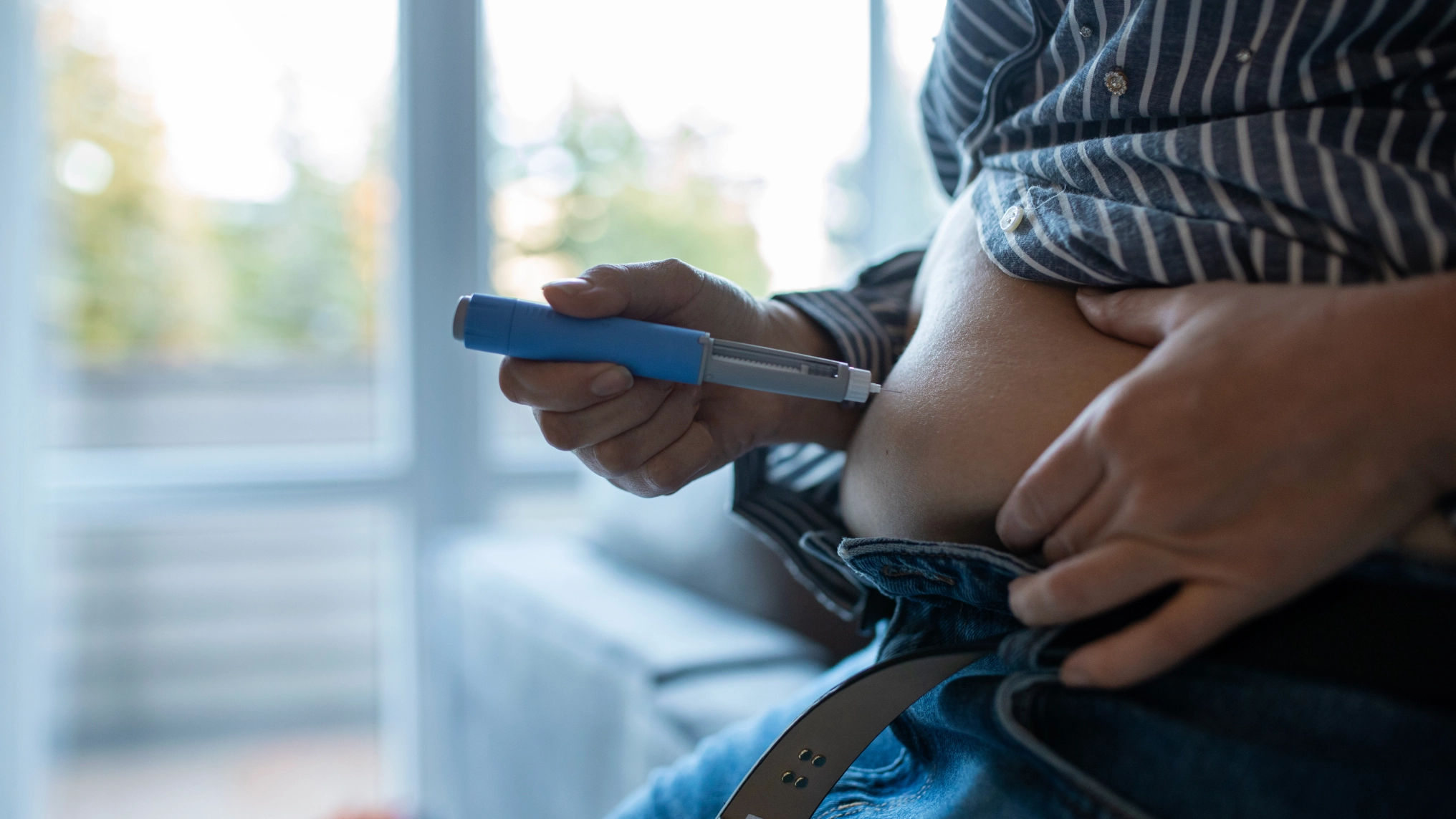
New safety warning issued for GLP-1 drugs over rare eye disorder

A warning has been issued for those using GLP-1 medications, by Australia’s medicines regulator, which they say could have the potential cause a 'rare but serious' eye disorder.
GLP-1 drugs, including Ozempic and Mounjaro are intended to be used by people with type two diabetes to help lower their blood sugar levels, although many have adopted it to aid weight loss.
The drugs have a number of listed side effects, including gastrointestinal issues including nausea, vomiting, diarrhea, and constipation.
Now, the Therapeutic Goods Administration has issued a new safety warning, in which they say there have been 36 reported cases of the 'rare but serious eye disorder, non-arteritic anterior ischaemic optic neuropathy (NAION) among those taking the drugs.
Advert
As per Bingham and Women's Hospital, "non-arteritic anterior ischemic optic neuropathy (NAION) refers to loss of blood flow to the optic nerve."
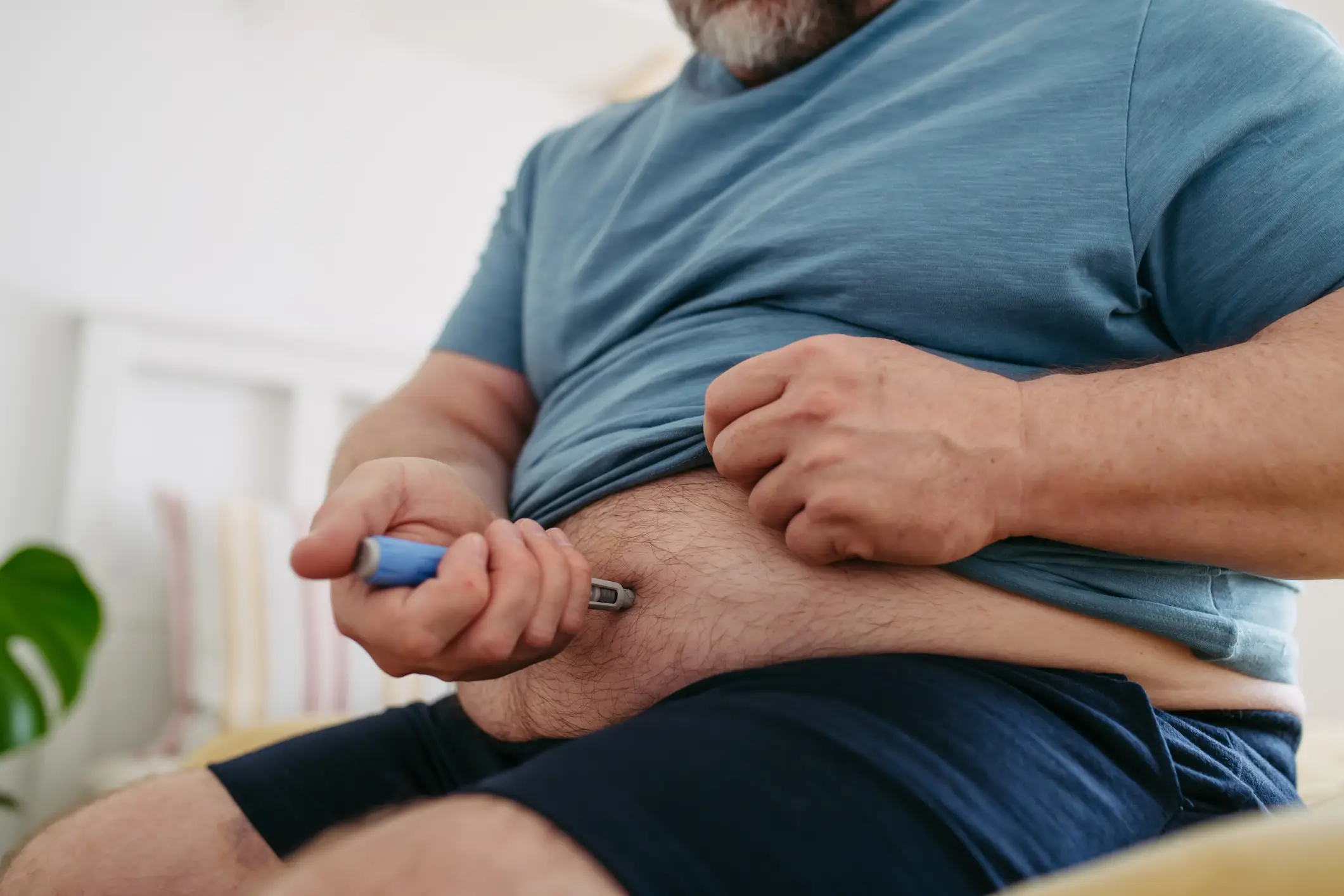
"(NAION) may result in permanent visual impairment, including blindness, and no treatment has been shown to improve visual acuity outcomes," the TGA says.
The TGA warns patients to 'seek urgent medical attention if they experience sudden vision loss, including partial loss of vision'.
However, the TGA does not recommend that patients stop using the drugs, without consulting their doctor. There has also not been any restrictions on prescriptions.
The TGA says that 36 cases of the disorder associated with GLP-1 have been reported on the national database of adverse events. Among the 36 cases, 23 were from people taking semaglutide, 10 on using tirzepatide, and three on liraglutide.
Dulaglutide had no cases linked, although one person who had been taking semaglutide had been using dulaglutide in the past.
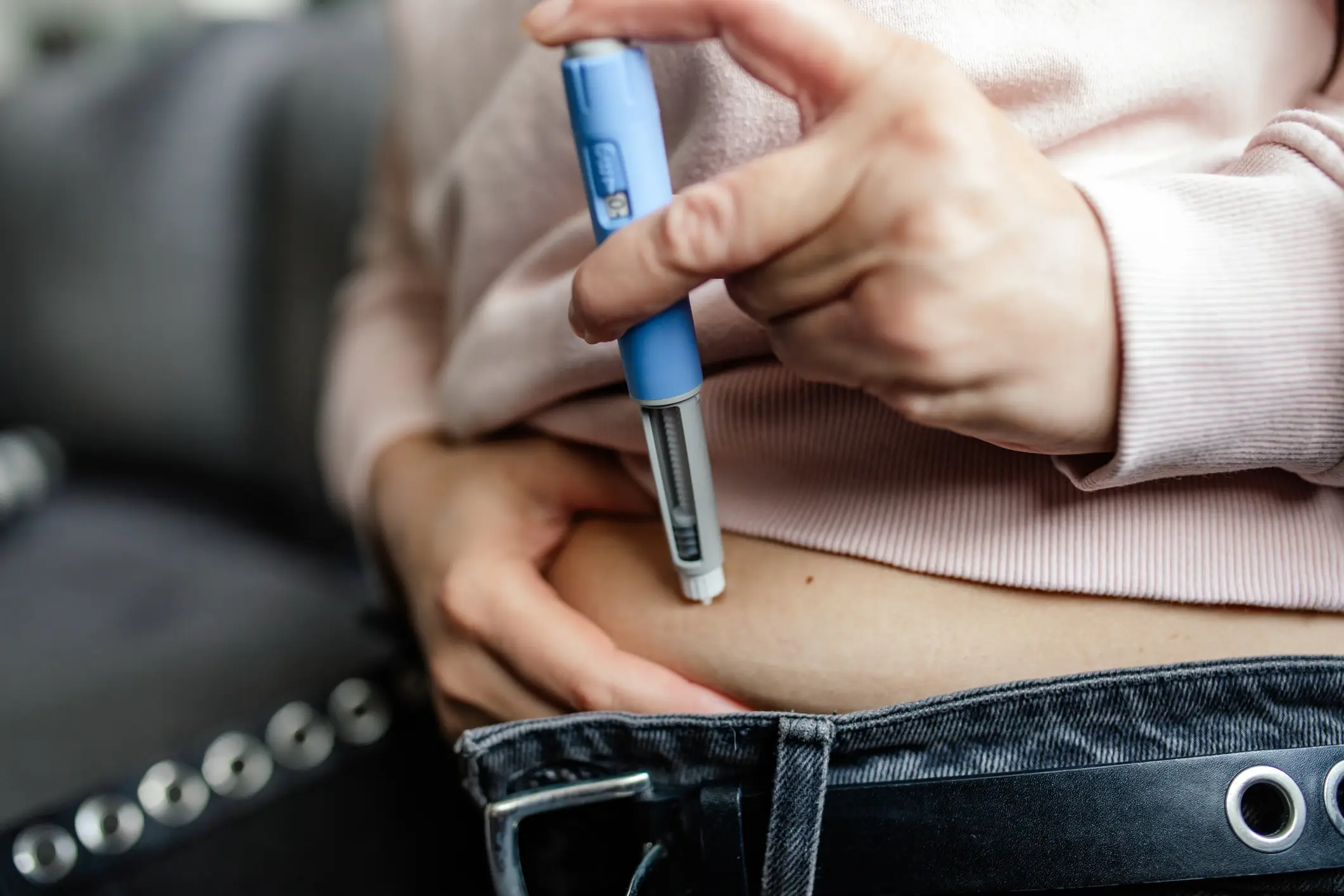
As per The Guardian, Novo Nordisk, the manufacturers of Ozempic and Wegovy said they 'continuously monitor the safety profile of our medicines,' with regulators worldwide, including TGA.
A spokesperson for semaglutide also told the publication the drugs have been studied in “multiple robust clinical development programs with a total exposure from post-marketing use of over 49 million patient years”.
“Considering the totality of evidence from clinical trials, post-marketing reports and observational studies, alongside the generally low incidence rate of NAION, Novo Nordisk believes that the benefit-risk profile of semaglutide remains favorable."
Those taking the drugs do not have to worry if they are not experiencing symptoms, with Optometry Australia’s chief clinical officer Luke Arundel told 7NEWS.com.au that the potential eye risk 'remains rare, potentially affecting up to one in 10,000 users'.
As always, those who have any worries are concerns should consult their doctor.
Novo Nordisk added: "Patient safety is a top priority for Novo Nordisk. We continuously monitor the safety profile of our medicines and work closely with regulatory authorities around the world, including the Therapeutic Goods Administration (TGA).
Semaglutide has been studied in multiple robust clinical development programs with a total exposure from post-marketing use of over 49 million patient years.
A published pooled analysis of Novo Nordisk randomised, placebo‑controlled clinical trials of liraglutide and semaglutide, comprising more than 83,000 patient‑years of observation in the semaglutide arm, identified very few ophthalmologist‑confirmed cases of NAION, and did not show an increased incidence of NAION in participants receiving semaglutide. Statistical analyses suggested that the occurrence of NAION cases was independent of whether patients received semaglutide or placebo.
Semaglutide has proven a wide range of benefits beyond glycaemic control and weight loss for people with cardiometabolic disease. Considering the totality of evidence from clinical trials, post-marketing reports and observational studies, alongside the generally low incidence rate of NAION, Novo Nordisk believes that the benefit-risk profile of semaglutide remains favorable."
Topics: Ozempic, Weight loss, Mounjaro, Health
 Kiesha Dosanjh