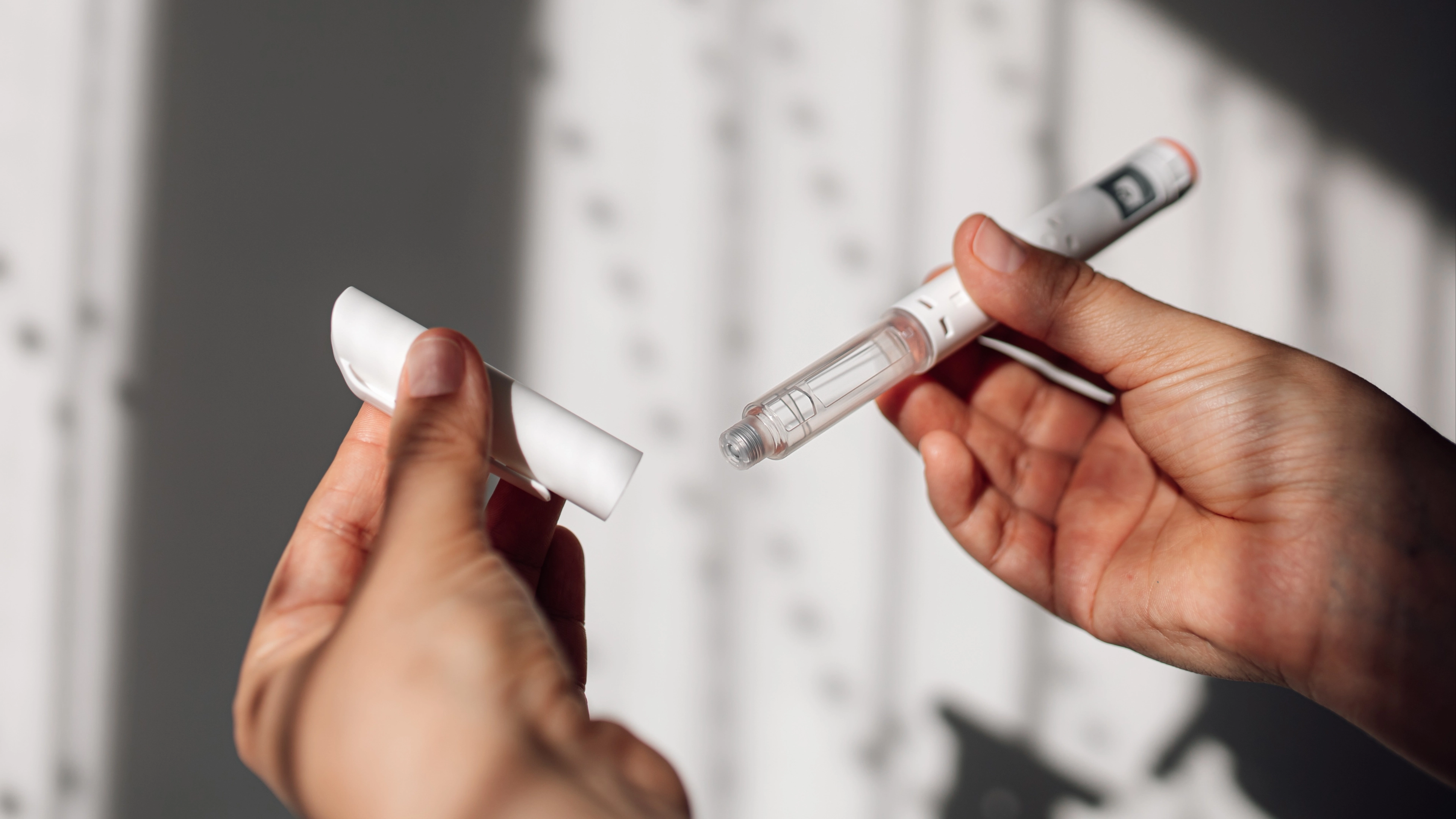
Experts explain how ‘microdosing’ GLP-1 weight loss drugs could reduce effectiveness

If you've been prescribed GLP-1 drugs and intend to use them for weight loss but don't want to rapidly shed the pounds, microdosing might seem like the most obvious solution. But experts have come out against this method.
The viral trend has become larger than ever, with social media influencers explaining why they do it and the purpose of taking a tiny dose.
Because the way the GLP-1 drugs are packaged, this often means people are bypassing the product's own applicator to pull out a smaller dose.
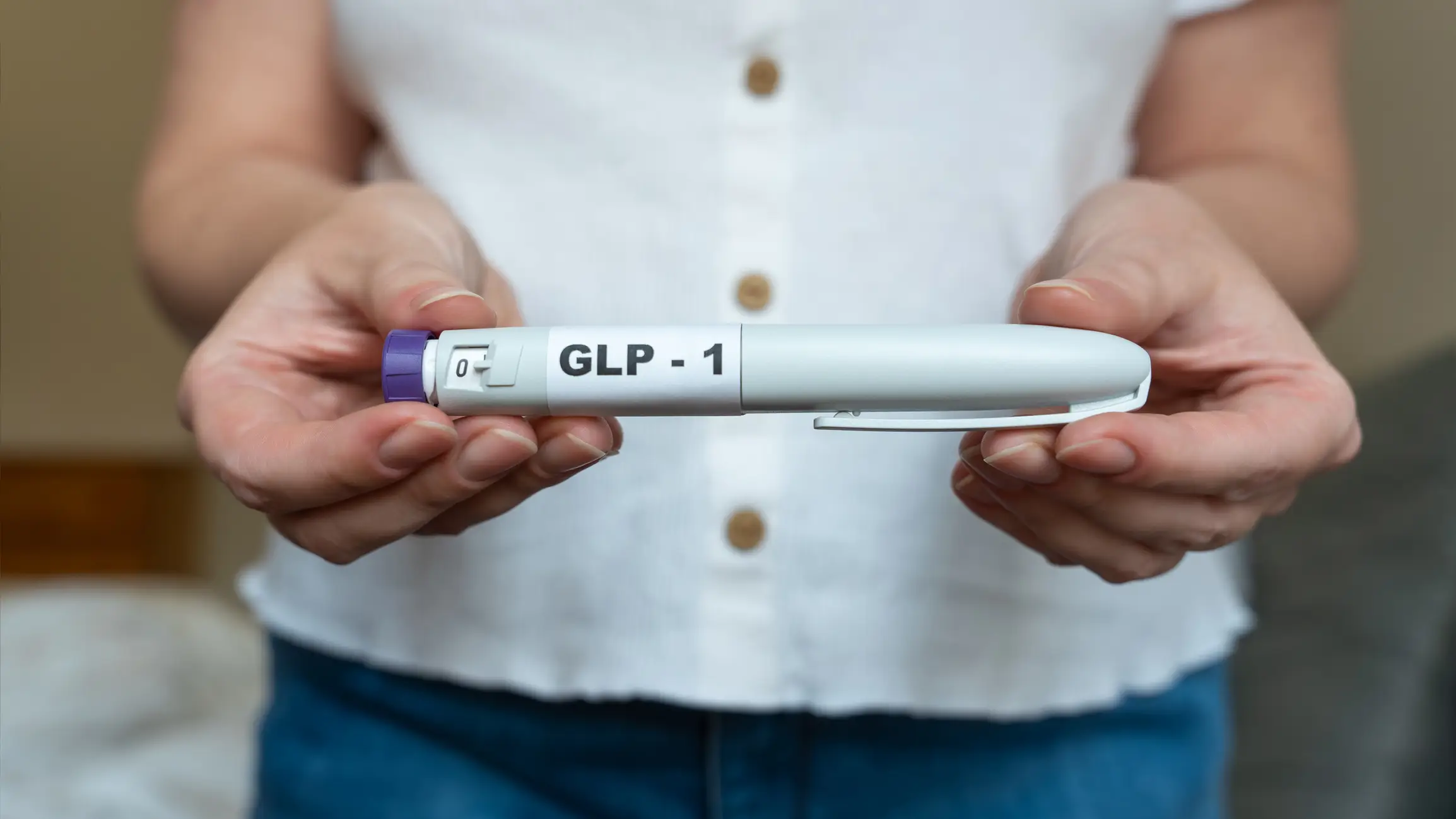
Sometimes, they might turn the pre-filled injector pen dials and listen to the audible clicks to figure out dosage.
Advert
Or, perhaps taking apart single-dose pens and transferring the medication into external vials, where the use of a syringe can draw smaller amounts used to stretch out the dose.
Or to even use compounding pharmacies in a bid to manually draw custom microdoses.
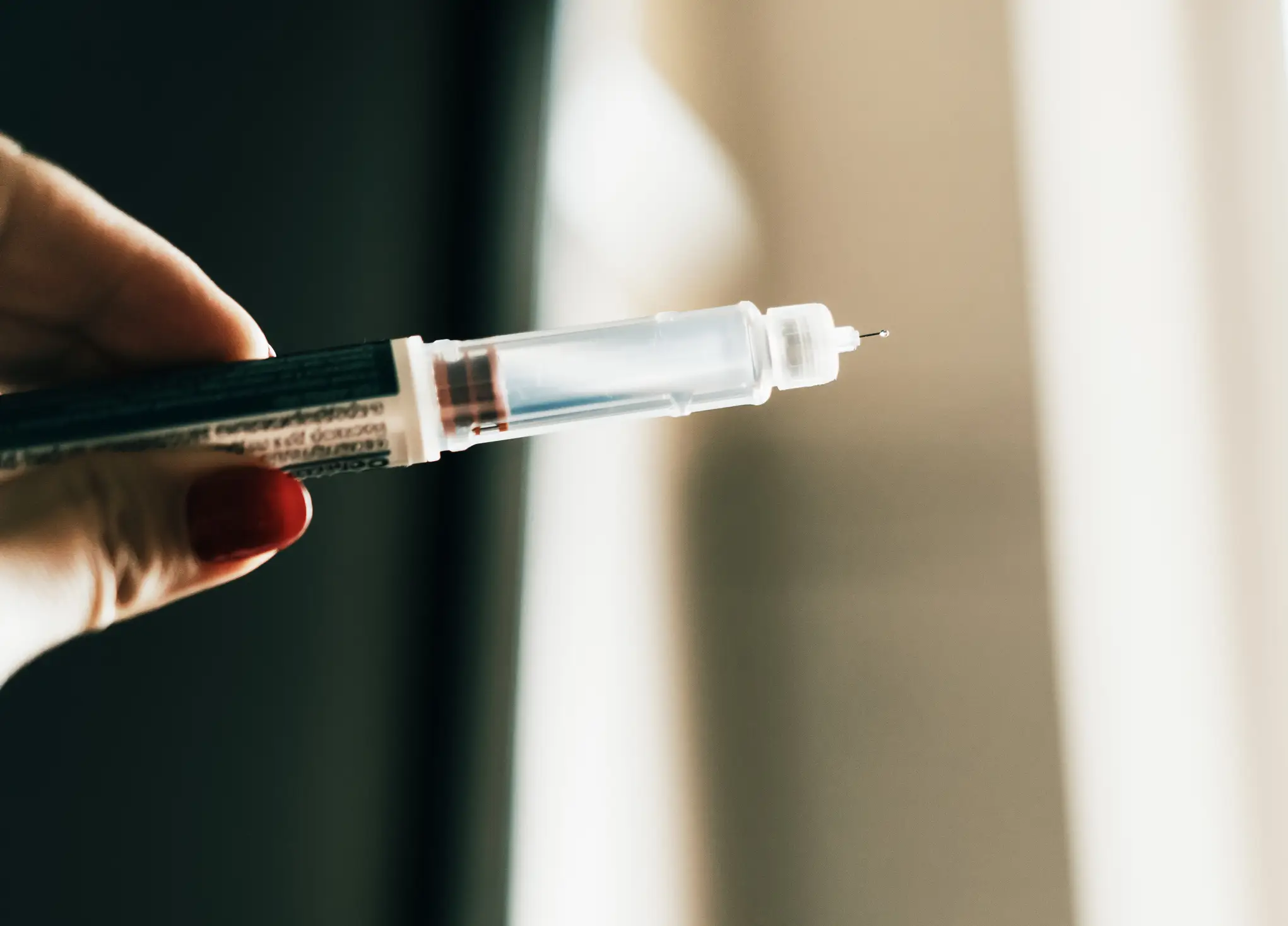
Not only is it not recommended, but it's also not something that has been approved by the FDA.
“As a pharmacist, I've seen social media become a major source of health information for many patients,” Sue Ojageer, a pharmacist and founder of PharmaSue told US News. “While it has increased awareness of GLP-1 medications, it has also made it easier for personal experiences and anecdotal advice to spread quickly, often without appropriate medical context.”
In fact, this advice could end up making the GLP-1 dose ineffective altogether.
This is because if you go below standard therapeutic thresholds, the outlet reports this can 'desensitize receptors' which may 'reduce overall treatment efficacy and disrupt long-term metabolic health'.
As for its safety, while gradually building up a dose is something many healthcare professionals suggest in the case of some medications so that side effects and tolerance can be noted before moving onto a larger consumption of a drug... There's a difference between prescription dose, medical supervision and patient experimentation.
“The titration schedules included in FDA-approved prescribing information are supported by clinical trials and designed to gradually improve tolerability while achieving therapeutic benefit,” Ojageer explained. “The social media microdosing trend, by comparison, is generally based on anecdotal reports rather than evidence from clinical studies.”
Katy Williams, MD, an MU Health Care family medicine doctor, also said there are dangers which could occur if choosing to use compounding pharmacies.
"We cannot endorse the safety or efficacy of those compounding pharmacies because they are not regulated," Dr Williams said. "Best case scenario: It's the same drug and same formulation. Worst case scenario: You aren't getting what you think you are, at least not consistently."
While it could be an option for the future, we went on to reveal that there's just not enough information out there right now to say for sure that microdosing is worth it.
"GLP-1s are beautiful tools when used in the right way for the right patient, but not everyone is the right patient," Dr Williams explained. "In the future, we may have more data on lower doses. But until we have that information, we shouldn't experiment with patients outside of a research setting."
Instead, she suggests working with your care provider.
"Work on your lifestyle first," she explained. "Your doctor or a weight loss specialist will absolutely be able to find places where you can make meaningful lifestyle changes that can result in 5 to 10 pounds of weight loss."
Topics: Weight loss, Health
 Britt Jones