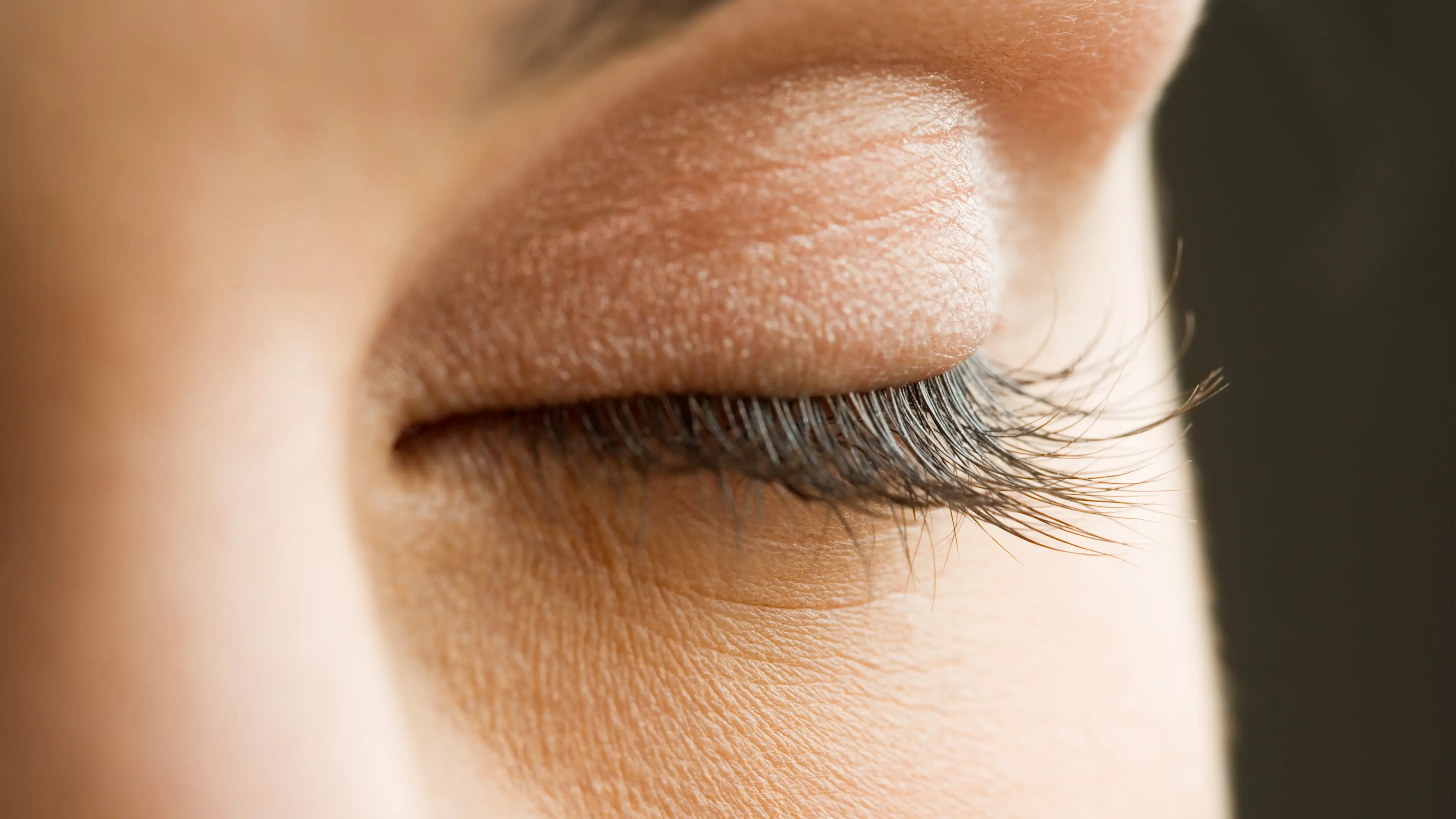
Doctor addresses concerns that GLP-1 use could make your eyelashes fall out

A doctor has addressed concerns that GLP-1 drugs could make your eyelashes fall out.
Such drugs are intended to be used by people with type two diabetes to help lower their blood sugar levels, though they have been adopted by some to aid weight loss in more recent times.
GLP-1 drugs have a number of listed side effects, including gastrointestinal issues including nausea, vomiting, diarrhea, and constipation, but in more recent times, there have ben concerns they could make your eyelashes fall out.
Dr Paul Gross, Primary Care Physician and Medical Doctor at LIV3 Health, explained that there is no evidence to support this, though the question is 'biologically plausible'.
Advert
The healthcare expert said: "From a biological standpoint, it would be reasonable to assume the same stress-related processes could occur in the eyebrow and eyelash follicles as well, since both are subject to cycles of growth and rest.
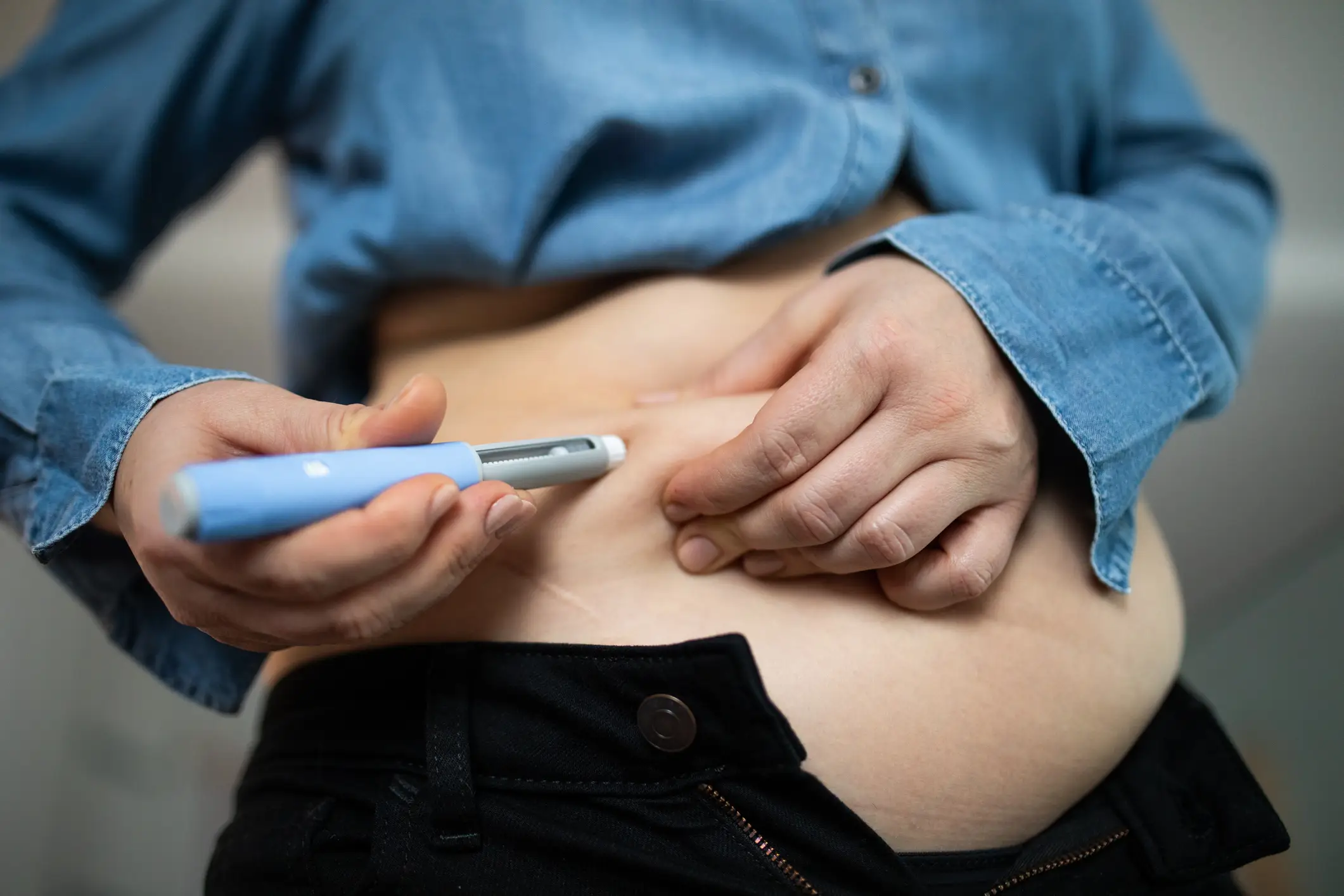
"However, there is currently little to no evidence to support that GLP-1 medications do increase the amount of lost eyebrows or eyelashes specifically. Additional studies would need to be conducted to make that claim with confidence.”
While your lashes and hair may shed due to weight loss, the doctor has reassured GLP-1 drug users not to worry too much.
He added: "Generally, hair loss due to stress is transient. After weight stabilises and nutrition improves, follicles should return to their normal growth pattern, though onset of recovery typically takes several months and full regrowth depends on individual factors.
"Hair shedding is undoubtedly disturbing, but it's important to put this into perspective – many patients receiving GLP-1 therapy have a meaningful experience managing weight and health issues associated with obesity.
"Anyone experiencing excessive hair loss should speak to their healthcare provider before stopping their medication, since diet or treatment adjustments may help minimise the effect.”
A professional makeup artist echoed these thoughts, explaining that lashes will generally regrow.
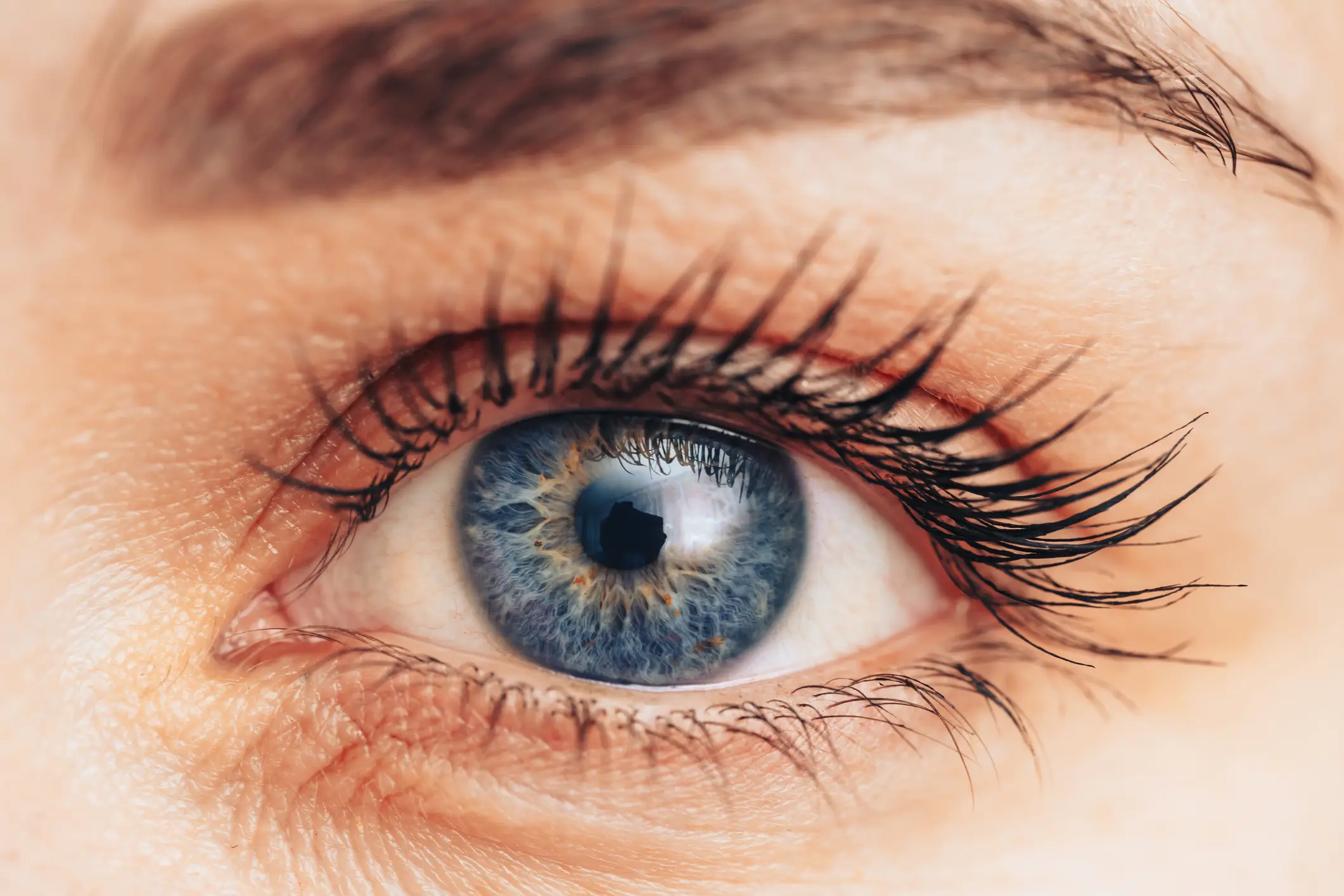
Saffron Hughes, makeup artist at FalseEyelashes.co.uk, said: "Eyelashes naturally go through a continuous growth cycle, so if a lash falls out naturally or is accidentally pulled out, another will usually grow back in its place over several weeks.
"However, repeatedly damaging the lash follicle through habits like excessive rubbing, constantly pulling out lashes or wearing poorly applied extensions can slow this process. That's why prevention is always better than cure.”
It comes after a recent study published earlier this month found that those taking GLP-1 medications had a 37 percent higher risk of being diagnosed with alopecia.
Gross added: "Hair loss from taking a GLP-1 medication is commonly believed to be an indirect result of the body's reaction to losing weight rapidly; it is not typically a direct effect of the medication causing damage to your hair follicle.
"One possible explanation is telogen effluvium, when physical or emotional stress causes many hairs to prematurely enter their resting state and fall out. Rapidly reducing calorie and nutrient intake may cause hair loss in some individuals.”
Topics: Weight loss, Health
 Callum Jones