Researchers make disturbing discovery during mission to 3,281-foot underwater canyon that no human has ever explored

Topics: Climate Change, Environment, Science
 William Morgan
Topics: Climate Change, Environment, Science
Almost every inch of the Earth's surface has been discovered and mapped by generations of explorers, but our planet holds one final frontier of mystery for the intrepid and curious.
Deep under the ocean, where pressures are so great that most structures, including the human body, are crushed instantly, vast undiscovered underwater ecosystems exist, filled with creatures akin to a sci-fi novel or an episode of Stranger Things.
Even though mapping reveals the existence of vast trenches thousands of feet under the ocean's surface, researchers have only managed to explore a small portion (five percent) of the unending deep due to the challenge posed by pressures up to 1,000 times higher than on land.
That means that even parts of one of the world's busiest bodies of water remain largely unexplored, if not untouched, by humankind. But when scientists formed a mission to the Mediterranean's 3,281-foot-deep Caprera Canyon last year, what they found was deeply disturbing.
Advert
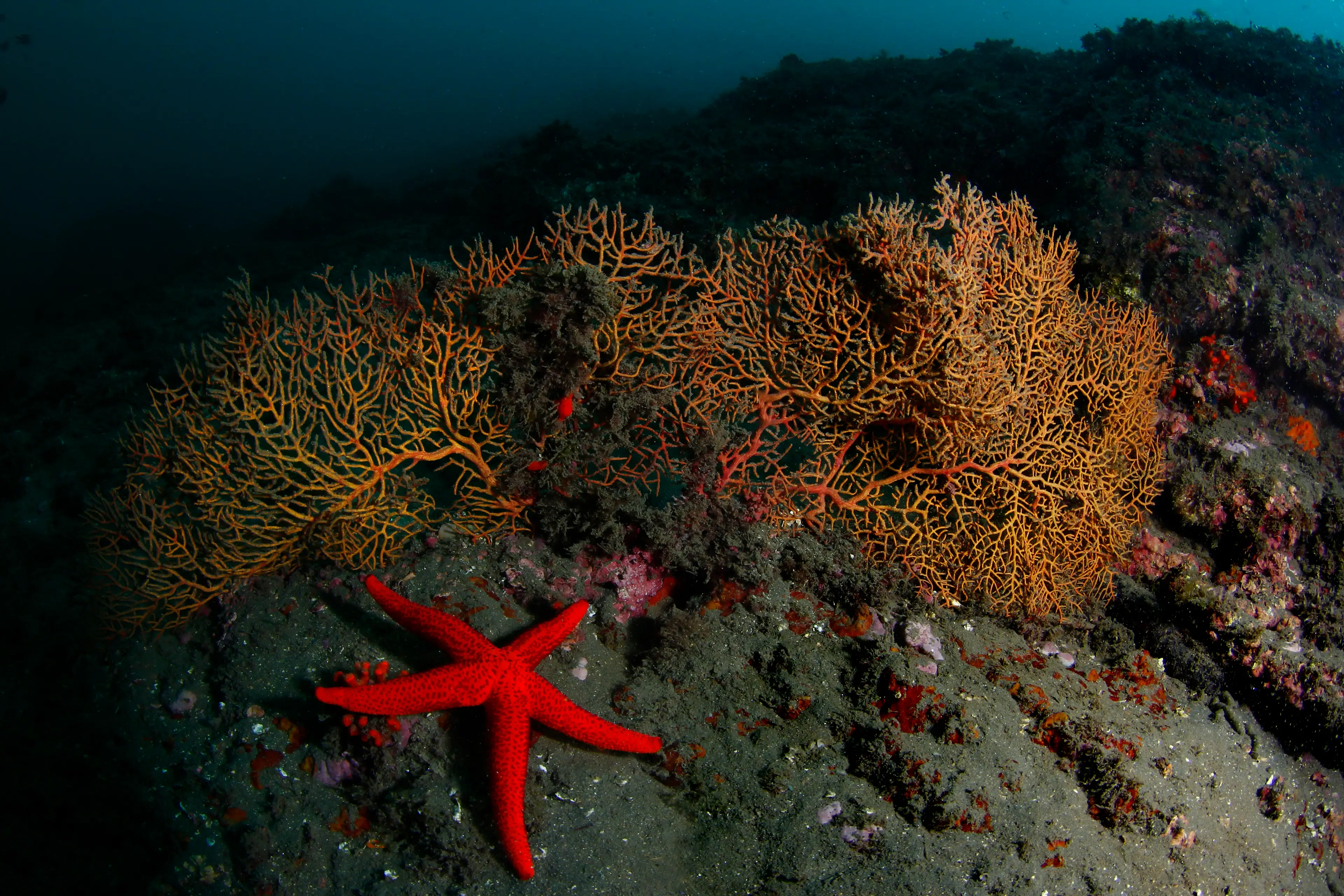
Lying just off the coast of Sardinia, in a stretch of the sea that forms part of the high-traffic route between France and Italy, marine biologist Ginevra Boldrocchi told CNN that the canyon is one of the Mediterranean's 'last great frontiers'.
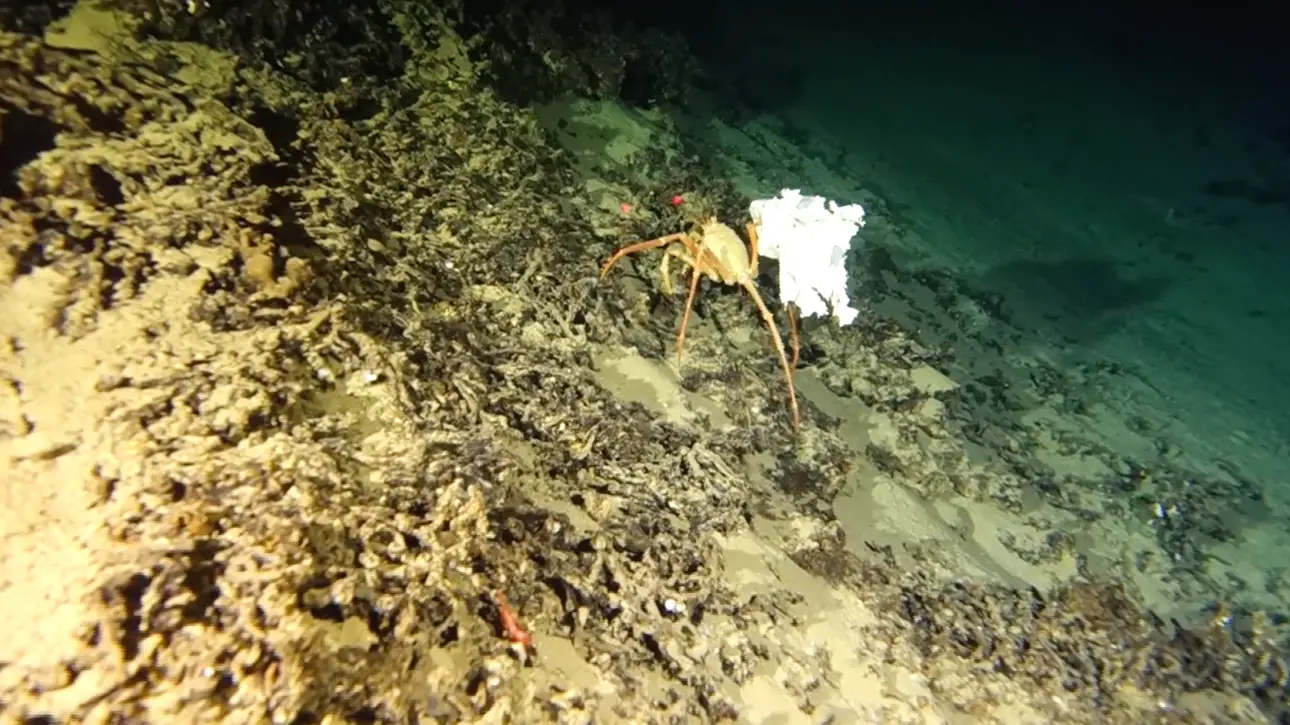
But despite being at a depth of 1,000 meters, when nonprofit research organization One Ocean Foundation, joined by CNN, sent a remotely operated vehicle (ROV) into the dense undersea forest at the bottom of the canyon, they found the unexplored depths anything but untouched.
As the ROV descended through the canyon, it observed a habitat teeming with deep-sea fish, expansive coral networks, and even large marine mammals like whales and dolphins.
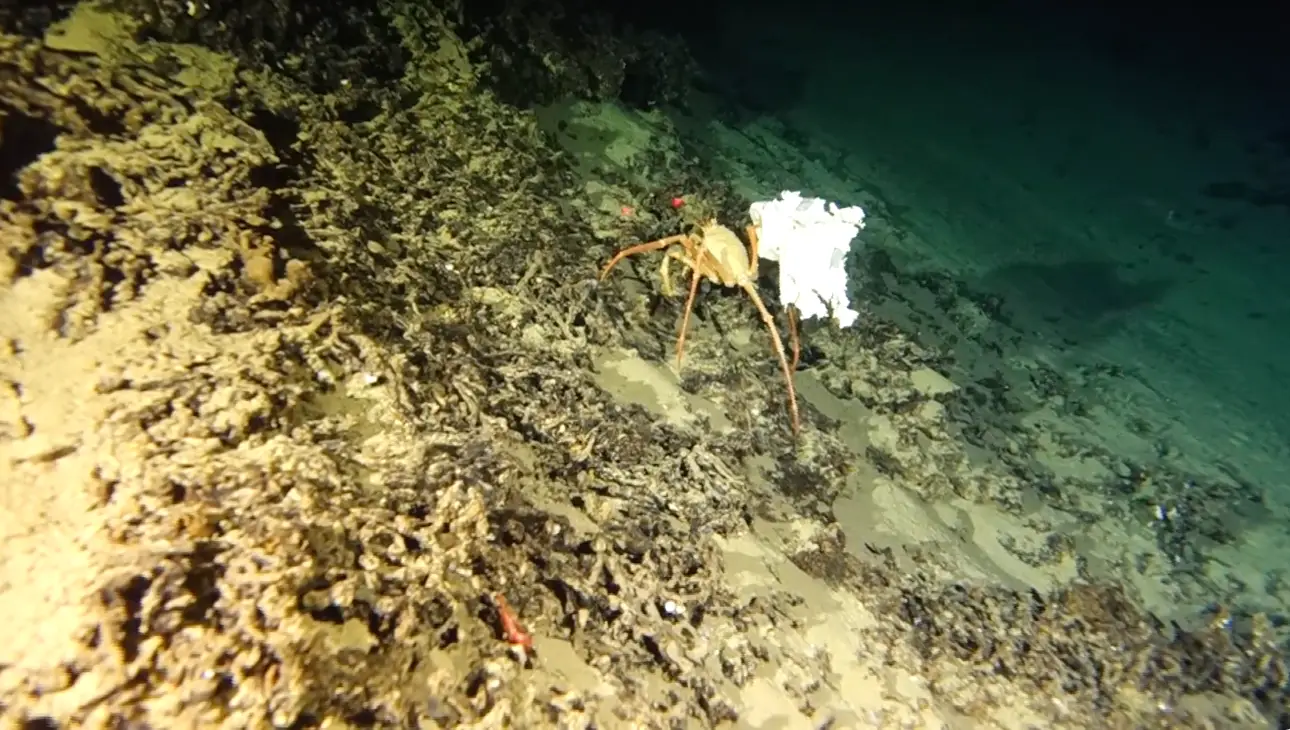
But in addition to rare sponges and the kinds of vital environments rapidly disappearing from the Earth's oceans, the research team also discovered 'the scars of human activity' - like discarded nets and plastic pollution.
“We observed a rare population of the soft-bottom gorgonians, completely destroyed by the impact of these long [fishing] lines,” a member of the team said.
Biologist Boldrocchi explained: "The canyon is really a crossway between France [and] Italy, so you have all these traffic disturbances generating acoustic pollution, plus you have the problem with fishing activities like bottom trawling.
"A lot of these animals which are already considered endangered, end up in the nets and die.”
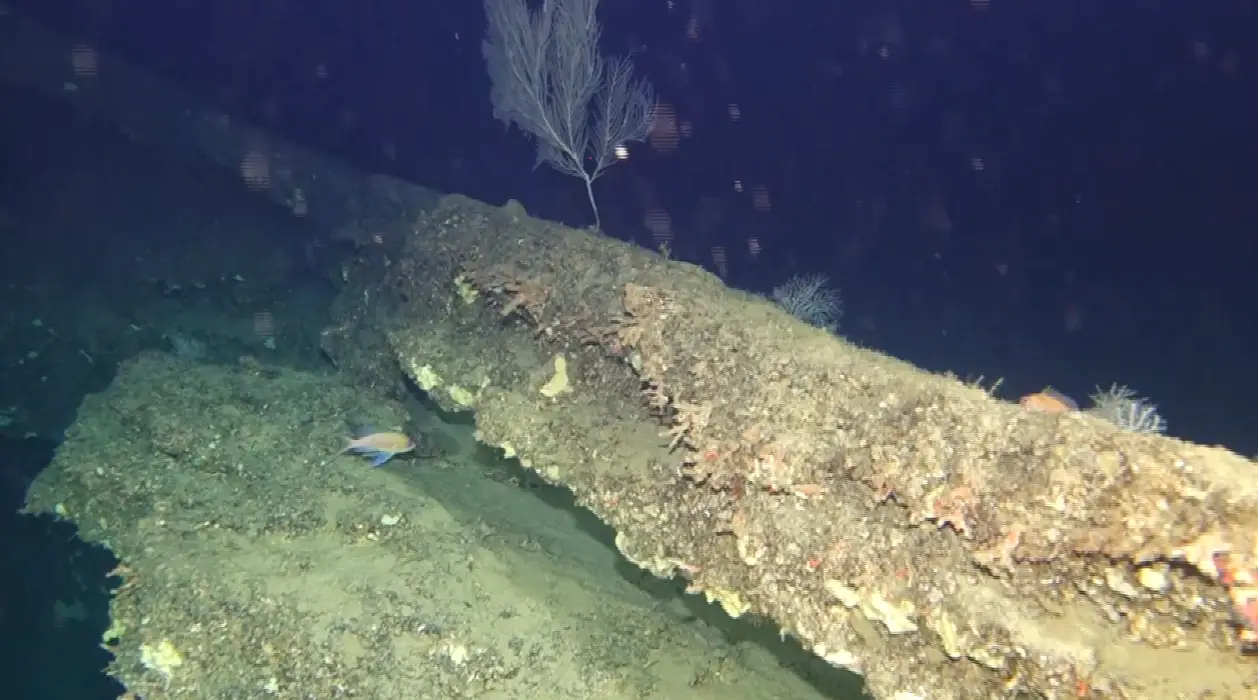
Up to 50 percent of the world's global coral reefs have been lost over recent decades, as a result of both rising sea temperatures and acidification. This process has stepped up a notch in recent years, with scientists declaring a global bleaching event in 2023 that continues to affect two-thirds of coral around the world.
The team's ROV also took samples from deep under the Mediterranean over the course of years, finding a concerning concentration of human contaminants, including the banned pesticide DDT, which was outlawed in the 1970s.
But DDT is still turning up in zooplankton samples from the area of deep sea. “Even if [DDT chemicals] have been banned since the 1970s, we still find [it] everywhere, and they interfere with the hormones, with the growth, with reproduction [of marine life],” Boldrocchi explained.
Now, the non-profit is trying to get Italian and European Union approval to declare the whole area a Marine Protected Area, in order to preserve these rare deep-sea organisms.