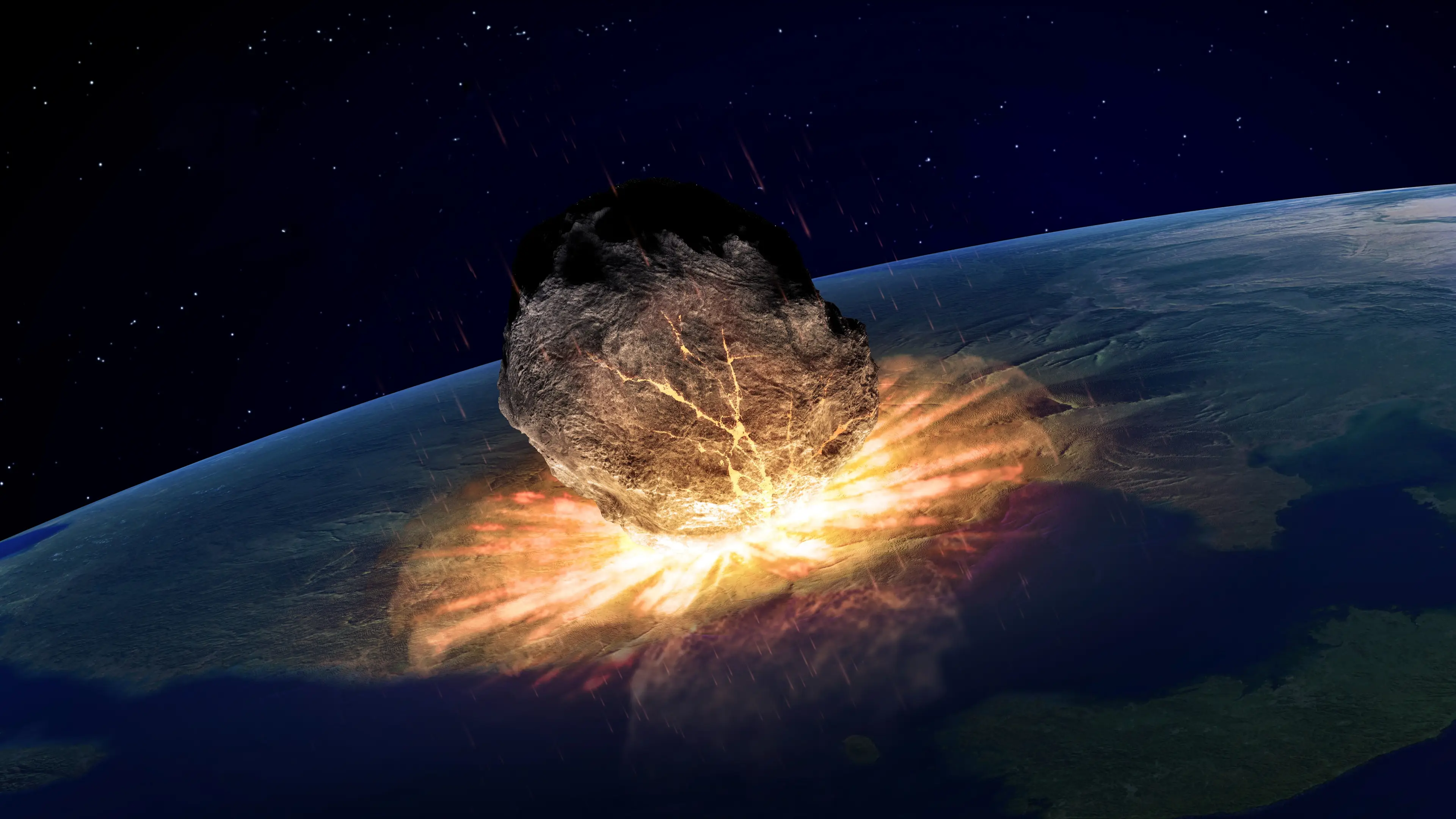
Scientists make shocking 'triple whammy extinction event' prediction set to hit Earth

All life on Earth will end someday, with our society's greatest monuments reduced to meaningless rubble by the great sands of time and every mammal will be wiped out forever - and scientists think they know when this tragedy will come about.
Fittingly for the four-billion year history of life on this planet, it will not be some massive asteroid that deletes most, if not all, of life from existence like with the dinosaurs' mass extinction event, which killed 75 percent of all species on the planet.
Instead, living creatures will likely face a 'triple whammy' of extinction events that will make the Earth inhospitable to life, a Nature Geoscience study conducted using a supercomputer has found.
But thankfully, despite the habitat-endangering threat posed through climate change caused by the burning of fossil fuels, you likely still have a few hundred million years before the planet goes through three massive life-ending events all at once.
Advert
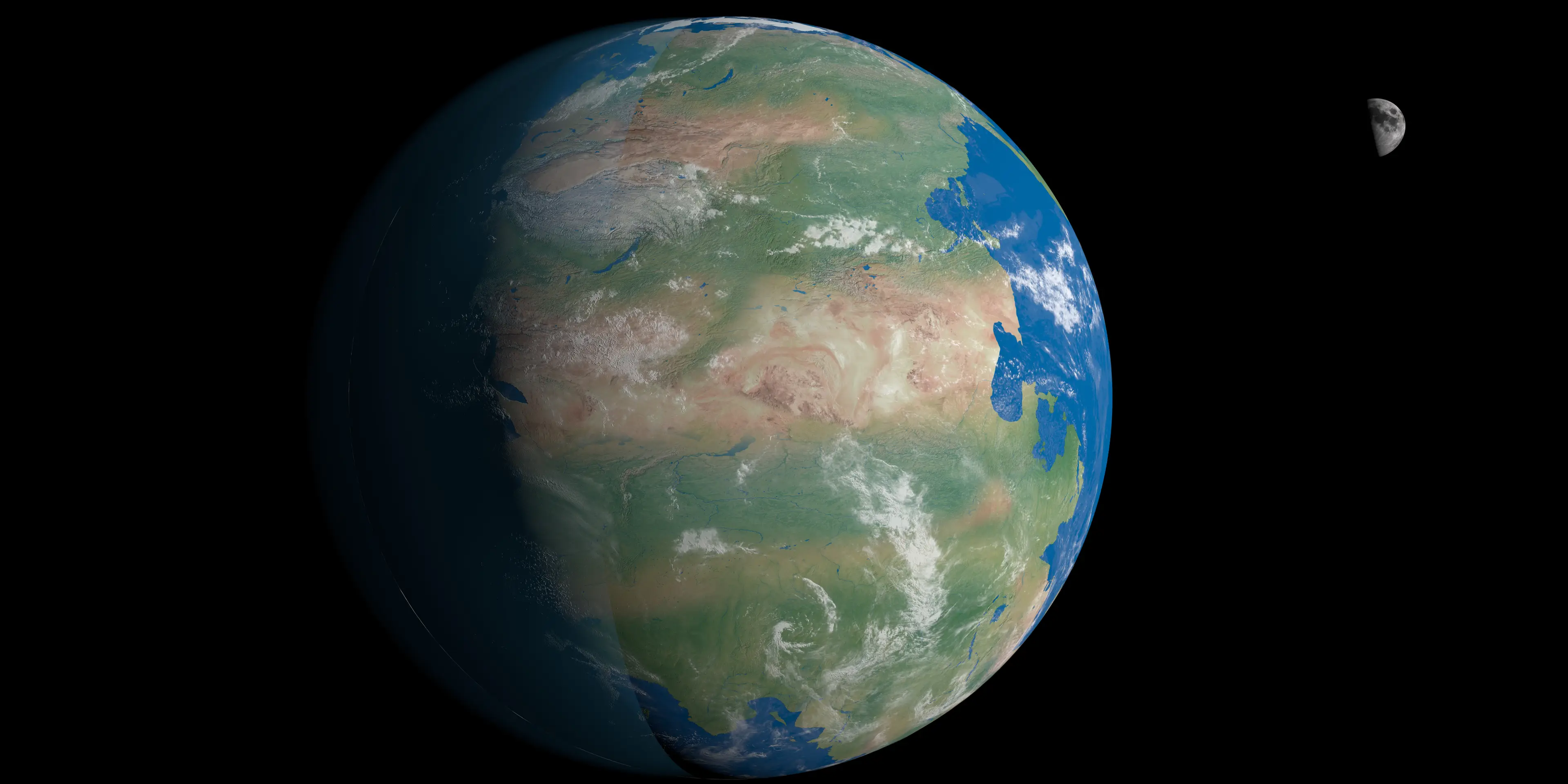
University of Bristol scientists described all mammals being wiped out in 250 million years, following a confluence of three major and unavoidable factors.
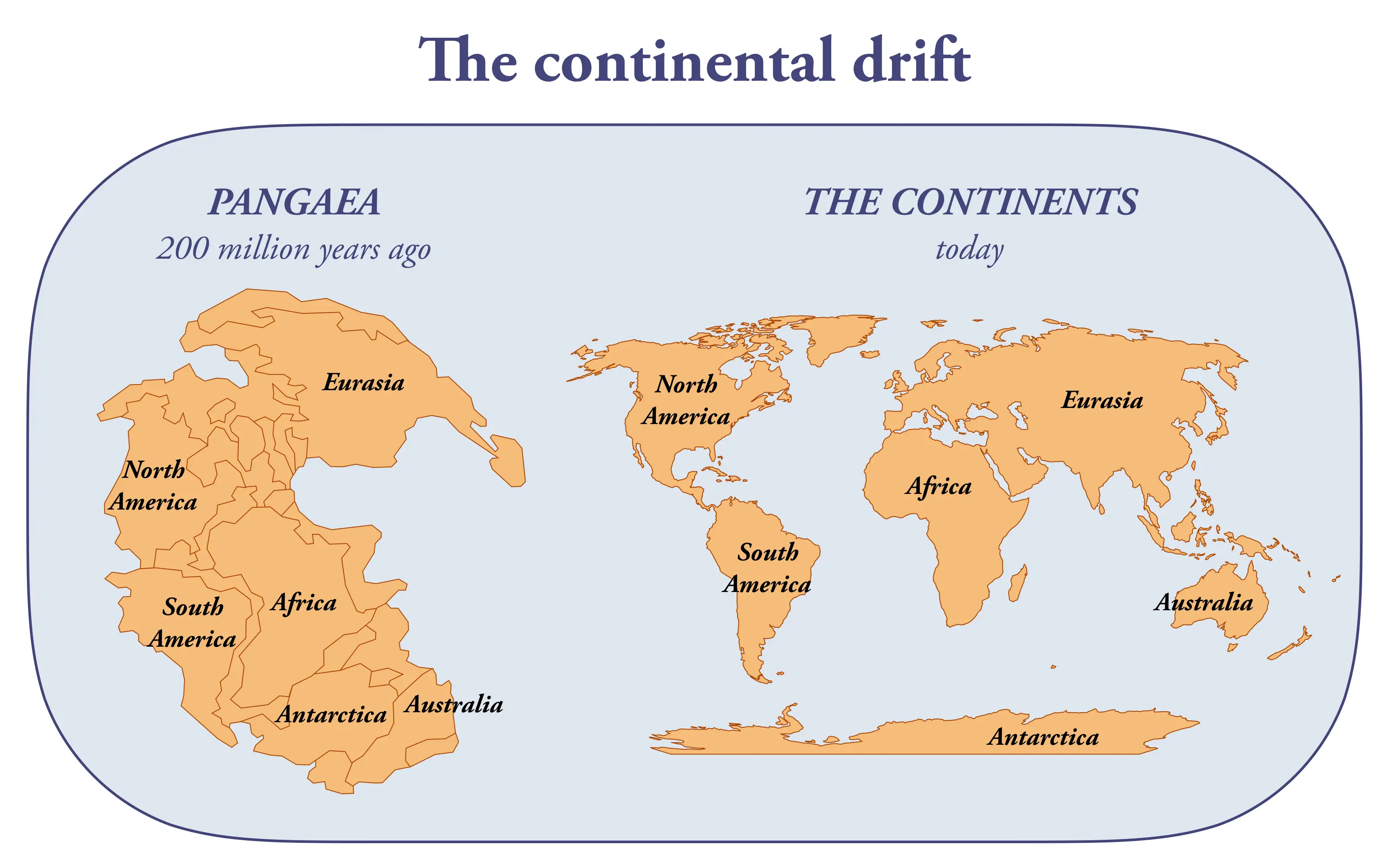
According to the study, the first major extinction event will follow the formation of one final supercontinent, with all land masses eventually converging through plate tectonics into 'Pangaea Ultima'.
This process will involve evermore frequent volcanic eruptions and a deluge of greenhouse-effect causing chemicals into the atmosphere, spiking temperatures around the world to between 40C and 50C.
This will far exceed the impact of burning every single fossil fuel on the planet, which would itself increase average global temperatures by 12C.
At these temperatures, no mammal would be able to survive.
The study's authors explained: "Coupled with tectonic–geographic variations in atmospheric CO2 and enhanced continentality effect for supercontinents, Earth could reach a tipping point rendering it uninhabitable to mammalian life.”
This could then be followed by a sharp drop in temperatures, as has been documented with previous supercontinent formation, which last happened 200 million years ago.
With this sharp drop in temperatures, another extinction event, ischemic necrosis, would wipe out any humans, or other mammals, that somehow survived being blasted by 50C temperatures as CO2 flooded the atmosphere.
Ischemic necrosis sets in when freezing temperatures cause your blood vessels to contract severely, essentially mummifying the remaining warm-blooded creatures on Earth.
These sharp highs and freezing lows, combined with the increasingly carbon dioxide rich atmosphere, form the 'triple whammy' of extinction events that will make our plane incompatible with life.
Rather than taking this information as a sign that all is well at the moment, the team behind the study wanted to warn people about how close we are to triggering our own mass extinction event.
Dr Eunice Lo, Research Fellow in Climate Change at the University of Bristol and study co-author, said: "It is vitally important not to lose sight of our current climate crisis, which is a result of human emissions of greenhouse gases.
"While we are predicting an uninhabitable planet in 250 million years, today we are already experiencing extreme heat that is detrimental to human health. This is why it is crucial to reach net-zero emissions as soon as possible."
Topics: Climate Change, Science, Animals
 William Morgan