Millions of Americans are facing extremely hazardous air quality as smoke descends on the country

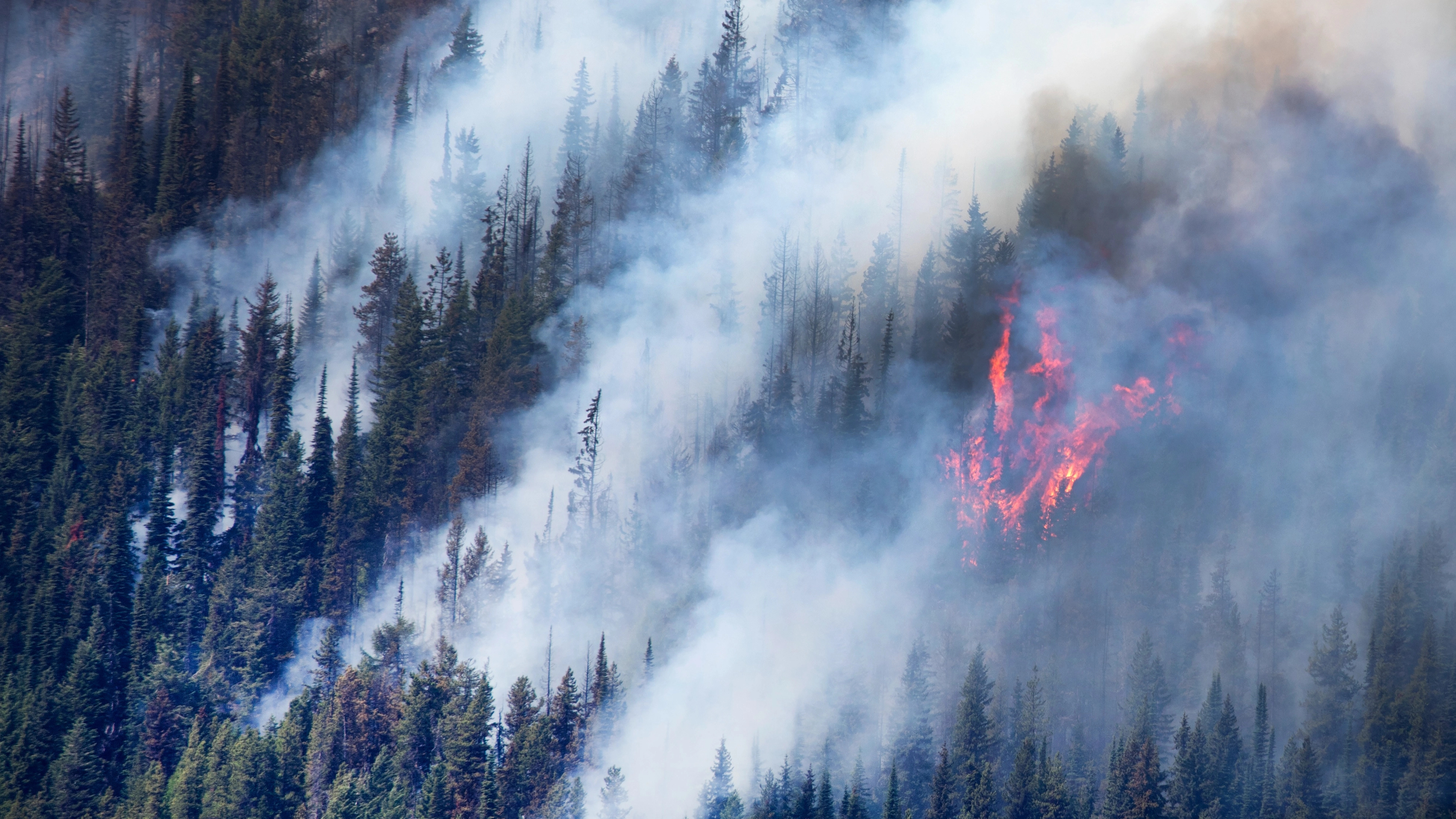
A wildfire outbreak across Ontario, Canada, has spread smoke across areas of the US, prompting air quality alerts being issued.
As of July 15, 2026, over 100 active wildfires are reported as burning across northwestern Ontario in Canada, IQ Air reports.
Districts worst impacted include Nipigon, Sioux Lookout, Red Lake, Dryden, Fort Frances, with fires even spreading across the border between Ontario and Minnesota.
Heavy smoke from the wildfires is carrying the impact of them even further, with concerns over air quality rising.
Advert
While much of the largest wildfires are burning in west-central Ontario, ABC News reports wind pushing heavy smoke into areas of America, creating dangerous air quality levels.
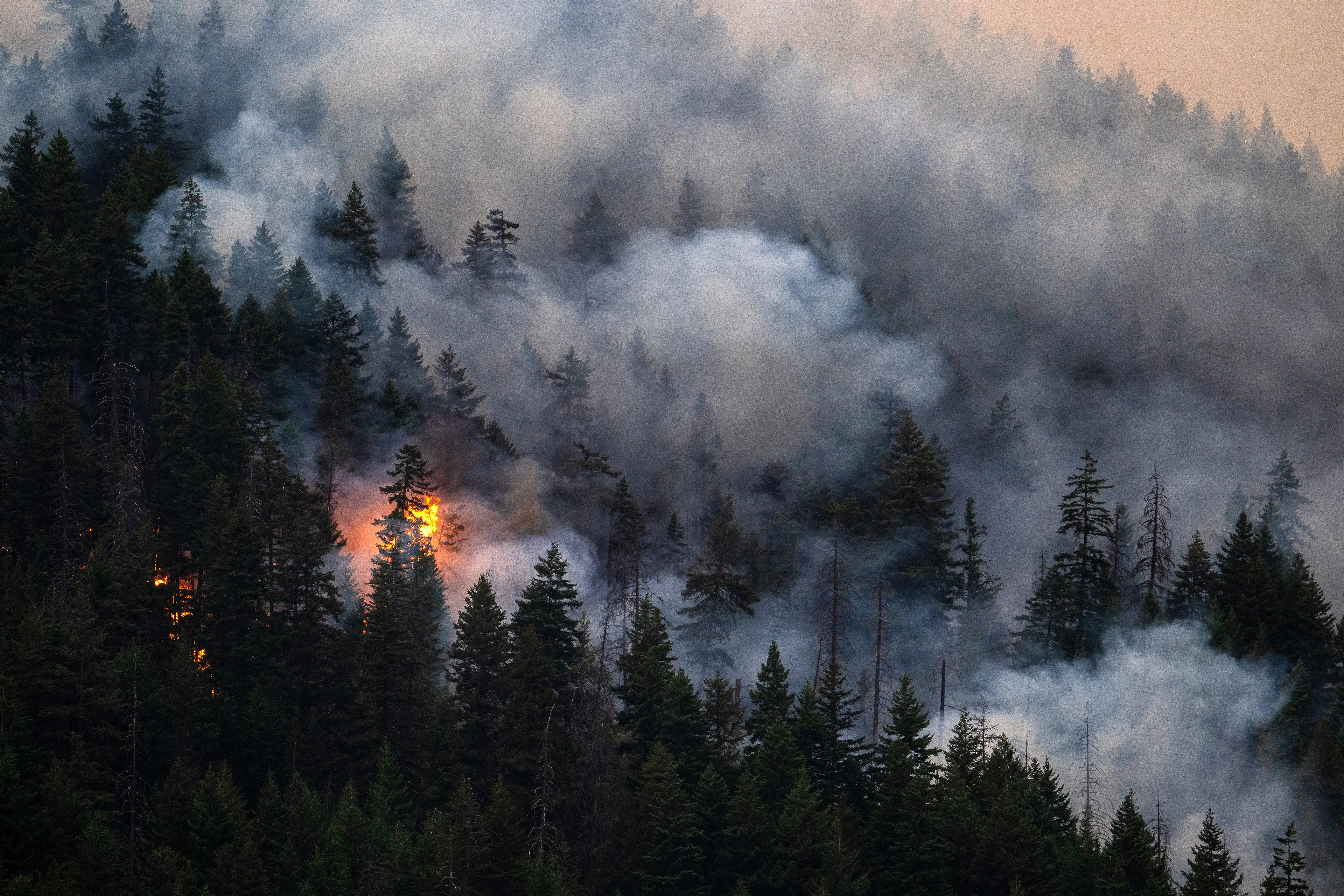
As of today (July 15), the Upper Midwest and Northeast are particularly badly affected by the wildfire smoke with Duluth, Marquette, Alpena, Bracebridge, Green Bay, Saginaw, London, Buffalo and Union are all cities particularly impacted, measuring 'Very Heavy' on ABC News' graphic forecast, the highest concentrations Upper Michigan and Western Lake Huron.
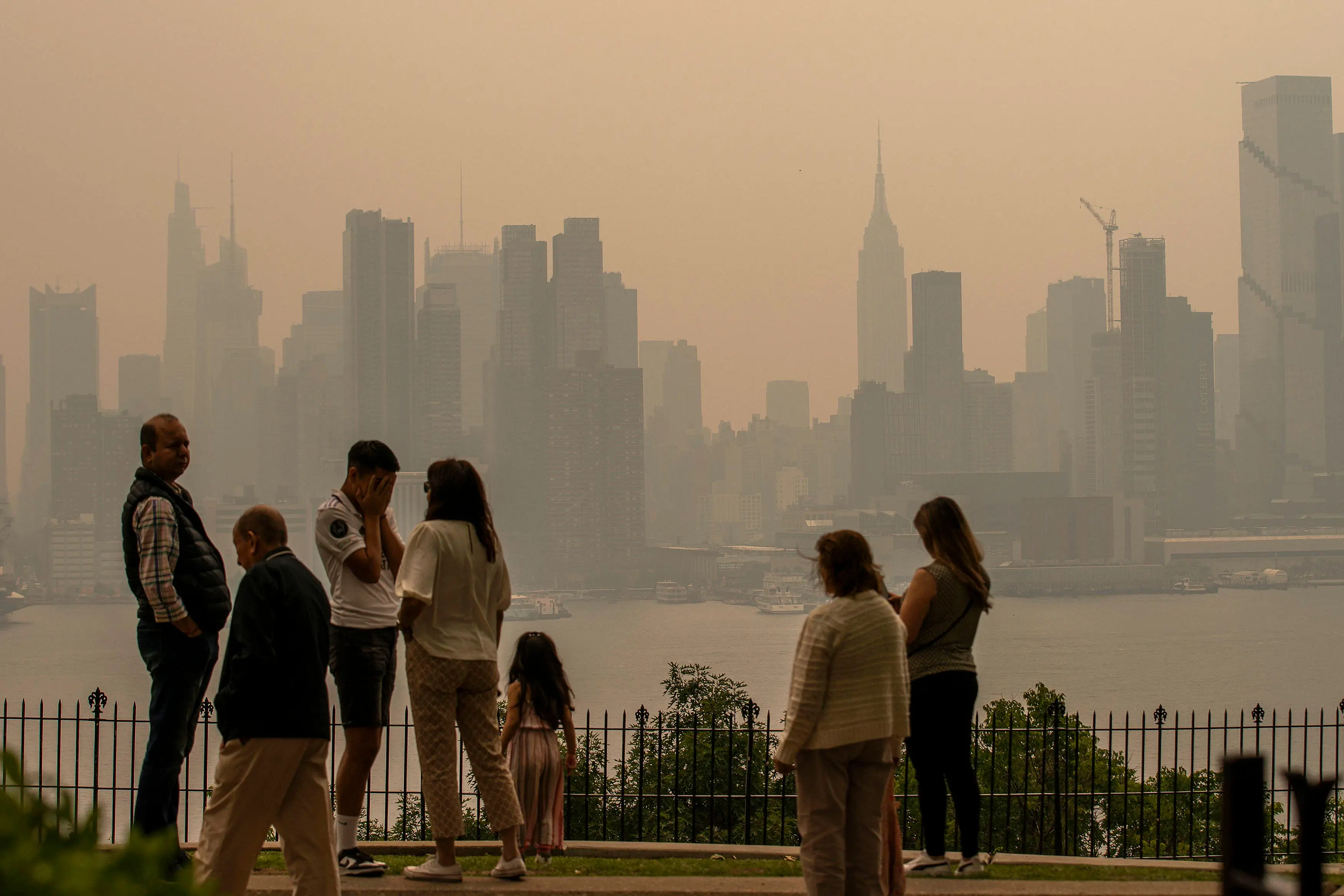
New York State and New England are also reported as being expected to see some heavy smoke too and it may even reach as far as Buffalo to New York City and Philadelphia.
The National Weather Service has issued air quality health advisory for wildfire smoke to: "Delta, Montrose, Ouray, San Miguel, Hinsdale and San Juan Counties. Locations include, but are not limited to Delta, Montrose, Ouray, Telluride, Lake City and Silverton."
Compared to the 2023 wildfire smoke New York City experienced, it's hoped this week's conditions won't reach quite the same extremity, but it's not out of the question.
The FOX Forecast Center said: "The overall severity of the smoke remains unclear, but there are some early indications that, if we take the computer forecast models at face value, the concentration of smoke would be comparable to the infamous June 2023 event."
It added: "Under the thickest bands of the plume, reduced visibility is possible, and air quality will likely become very unhealthy if the latest computer forecast models hold true."
Indeed, CNN reports the wildfire smoke contains pollutants called PM2.5 which, if inhaled, can enter the bloodstream or enter the lungs too, risking bronchitis and other breathing difficulties. Or causing inflammation which can worsen other health conditions.
But how can you protect yourself against the air quality which is set to become quite unhealthy to breathe in, so much so air quality alerts have been put in place for cities such as Minnesota and New York City?
Well, there's a free air quality app where you can receive updates as to the local air quality near you.
It's advised to keep windows shut and doors closed as much as possible too.
Air purifiers to filter the smoke are also beneficial.
And it's recommended to stay inside if your area is particularly badly hit, or if absolutely necessary to go outside, to wear a KN95/ FFP2 mask - free masks available at public library branches.
The National Weather Service adds: "Consider relocating temporarily if smoke is present indoors and is making you ill. If visibility is less than 5 miles in smoke in your neighborhood, smoke has reached levels that are unhealthy."
With rain set to move through the Upper Midwest on Friday and Northeast on Saturday, it's hoped the air quality will subsequently improve by later in the week.
Topics: Weather, US News, Canada, World News, Health
 Poppy Bilderbeck