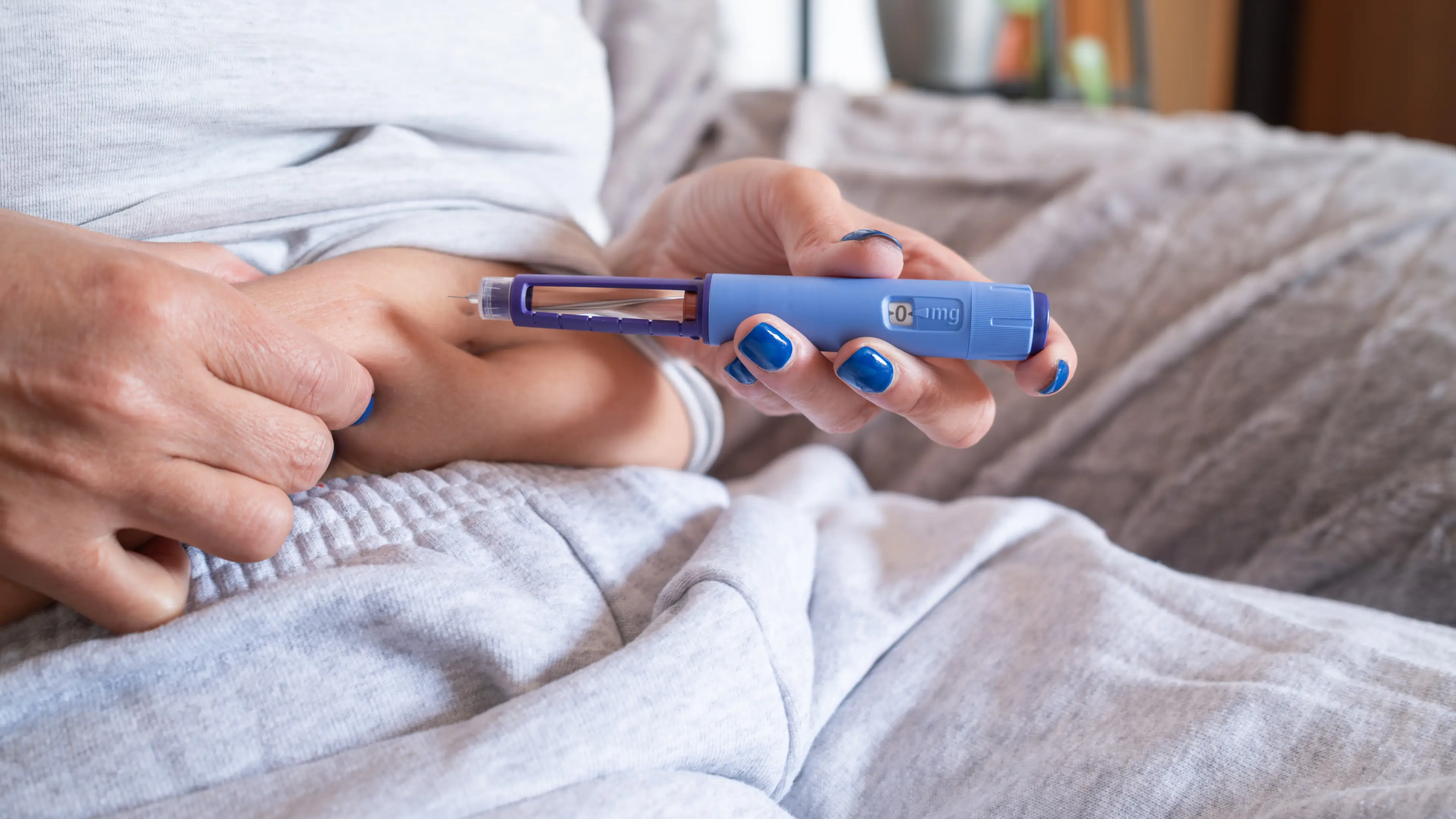
New study reveals record number of Americans are now using GLP-1 weight loss drugs

A new study has shown the number of people in the US who are taking GLP-1 medication for weight loss.
GLP-1 medications were initially licensed in the treatment of diabetes, and use hormones to manage someone's blood sugar levels.
However, another effect of taking the medication is that someone feels more full after eating less food.
That means that when combined with a diet and exercise, GLP-1 can be used to assist people with weight loss, and the popularity of the medications has exploded since then.
Advert
And now a new survey from Gallup which was released on Tuesday has shown just how much the drugs' popularity has increased since 2024.
So just how much has the number of people using GLP-1 medication increased since 2024?
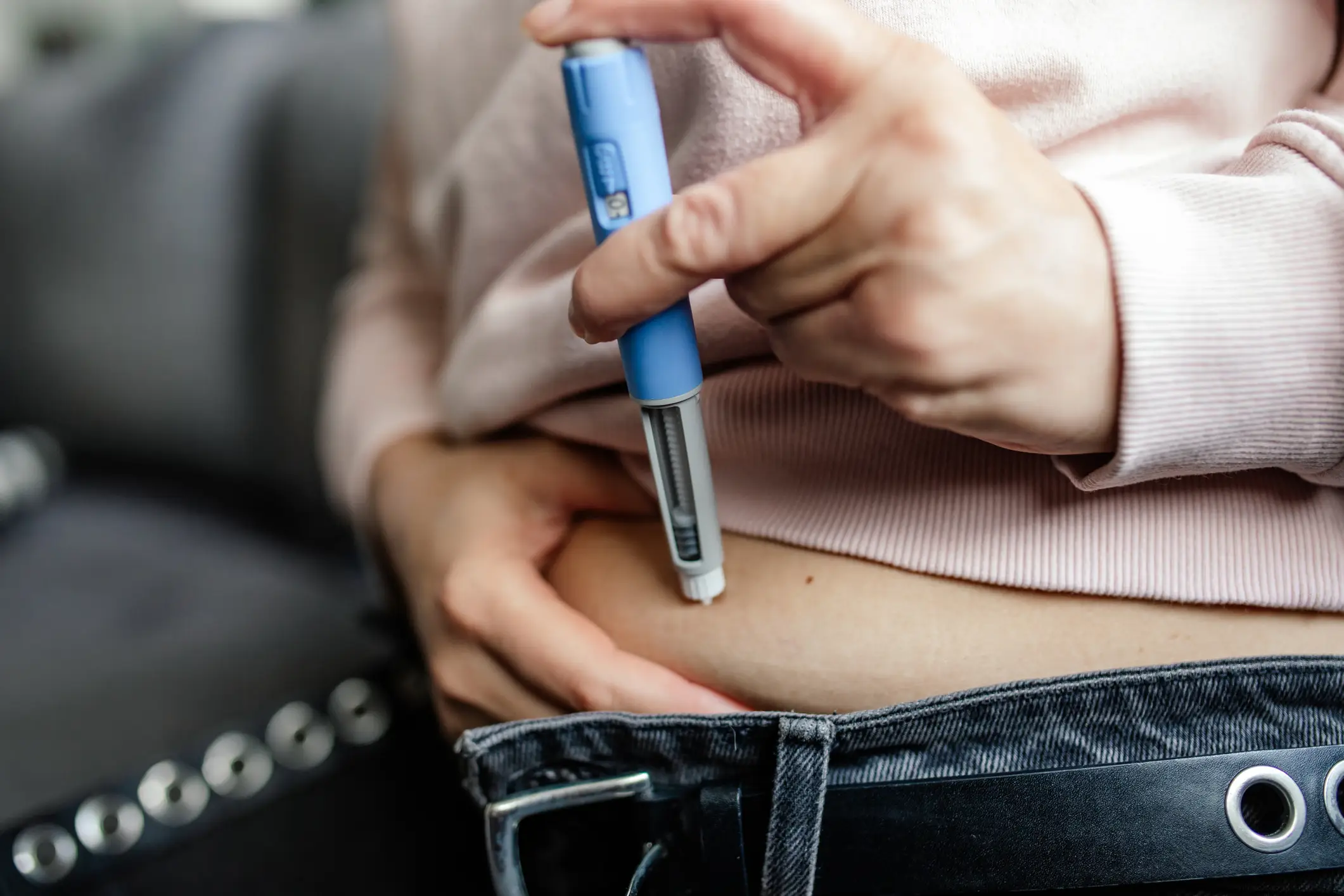
Well according to the survey, an astonishing 11 percent of people in the US take the medication for weight loss.
This is up from three percent in 2024, an increase of eight percent.
And that just covers the people who are currently taking the medication.
The survey also found that 15 percent of respondents said that they had taken GLP-1 medication for weight loss at some point, which had gone up by a whopping nine percent.
Of course, the other question for this time period is how much of an impact that GLP-1 medications have had on obesity rates in the US.
Obesity reached a peak in the US in 2022, when 39.9 percent of people were classed as obese.
In the intervening time, it has dropped down to 36.4 percent, while diagnoses of diabetes are also stabilizing after rising for 15 years.

The results of the polling were based on data which was gathered from 5,000 adults across the US, and the study was run between May 28 and June 5.
While there is a correlation between the rise in GLP-1 drugs and lower obesity rates, researchers have warned that other factors may also be involved in this decrease.
It comes as another weight loss drug is currently in development which uses multiple different hormones to help with weight loss.
This is Retatrutide, a medication which is not currently available as it is still in testing.
Retatrutide is a triple agonist, which means that it targets the body's receptors for three things at the same time, instead of just one.
These are the glucose-dependent insulinotropic polypeptide (GIP), GLP-1, and glucagon, which regulate blood sugar, appetite, and metabolism.
Topics: US News, Health, Weight loss
 Kit Roberts